- English
- Chinese
- French
- German
- Portuguese
- Spanish
- Russian
- Japanese
- Korean
- Arabic
- Irish
- Greek
- Turkish
- Italian
- Danish
- Romanian
- Indonesian
- Czech
- Afrikaans
- Swedish
- Polish
- Catalan
- Esperanto
- Hindi
- Lao
- Albanian
- Amharic
- Armenian
- Azerbaijani
- Belarusian
- Bengali
- Bosnian
- Bulgarian
- Cebuano
- Chichewa
- Corsican
- Croatian
- Dutch
- Estonian
- Filipino
- Finnish
- Frisian
- Galician
- Georgian
- Gujarati
- Haitian
- Hausa
- Hawaiian
- Hebrew
- Hmong
- Hungarian
- Icelandic
- Igbo
- Javanese
- Kannada
- Kazakh
- Khmer
- Kurdish
- Kyrgyz
- Latin
- Latvian
- Lithuanian
- Luxembou..
- Macedonian
- Malagasy
- Malay
- Malayalam
- Maltese
- Maori
- Marathi
- Mongolian
- Burmese
- Nepali
- Norwegian
- Pashto
- Persian
- Punjabi
- Serbian
- Sesotho
- Sinhala
- Slovak
- Slovenian
- Somali
- Samoan
- Scots Gaelic
- Shona
- Sindhi
- Sundanese
- Swahili
- Tajik
- Tamil
- Telugu
- Thai
- Ukrainian
- Urdu
- Uzbek
- Vietnamese
- Welsh
- Xhosa
- Yiddish
- Yoruba
- Zulu
- Kinyarwanda
- Tatar
- Oriya
- Turkmen
- Uyghur






Where to find Komatsu loader spare parts?
2026-01-31
Look, if you’re running Komatsu loaders and hit a snag with parts, you know the drill. The immediate thought is call the dealer. But that’s where the real puzzle begins, especially if you’re not in a major market or you’re dealing with an older model like a WA320-5 or a PC200-6. The official channel isn’t always the answer, or at least, not the whole answer. I’ve seen too many guys waste weeks waiting for a simple hydraulic hose assembly or a final drive seal kit because they only looked in one place. The truth is, sourcing these parts is a mix of knowing the system, understanding the alternatives, and sometimes, just getting lucky with a lead.
The Dealer Route: First Call, Not Always the Best Call
Starting with the authorized Komatsu distributor is the textbook move. For critical, safety-related components—think brake systems, steering linkage, or the main hydraulic pump for a newer WA470—you really don’t want to cut corners. The OEM part, with its correct serial number fit, is peace of mind. But here’s the catch I’ve lived through: lead times. I once had a project in a Southeast Asian port stalled for nearly a month waiting for a turbocharger for a Komatsu WA500. The local dealer’s system showed it was available in Japan, but the logistics and customs clearance turned it into a marathon. The machine wasn’t earning, and the cost ballooned far beyond the part’s price tag.
That experience taught me to always ask for the Komatsu spare parts availability breakdown: is it in the regional warehouse, the country warehouse, or is it a factory order? Don’t just take we can get it for an answer. Get an ETA with some buffer. For non-critical wear parts like bucket teeth, cutting edges, or even some filters, the dealer premium can be hard to justify if you have a fleet to maintain. You start looking sideways.
Another dealer nuance is part number obsolescence. If you’re maintaining an older fleet, say a Komatsu D65EX-12, the dealer system might simply list a part as NLA (No Longer Available). That’s where the conversation ends for them, but for you, it’s where the real search begins. You learn to cross-reference part numbers, understand component assemblies, and sometimes, you find that a sub-component like a specific bearing or seal within a larger assembly is still a standard industrial part available elsewhere.
The Aftermarket Jungle: Navigating Quality and Fit
This is where most of the grey hair comes from. The aftermarket for Komatsu parts is massive, uneven, and full of both gems and landmines. I differentiate between will-fit parts and genuine quality alternatives. For example, things like track chains, rollers, and idlers from reputable third-party manufacturers like Berco or ITR can be excellent. Their quality is consistent, and they often design for improved wear life. I’ve used them on Komatsu dozers like the D85 with great results, matching OEM performance at a better price point.
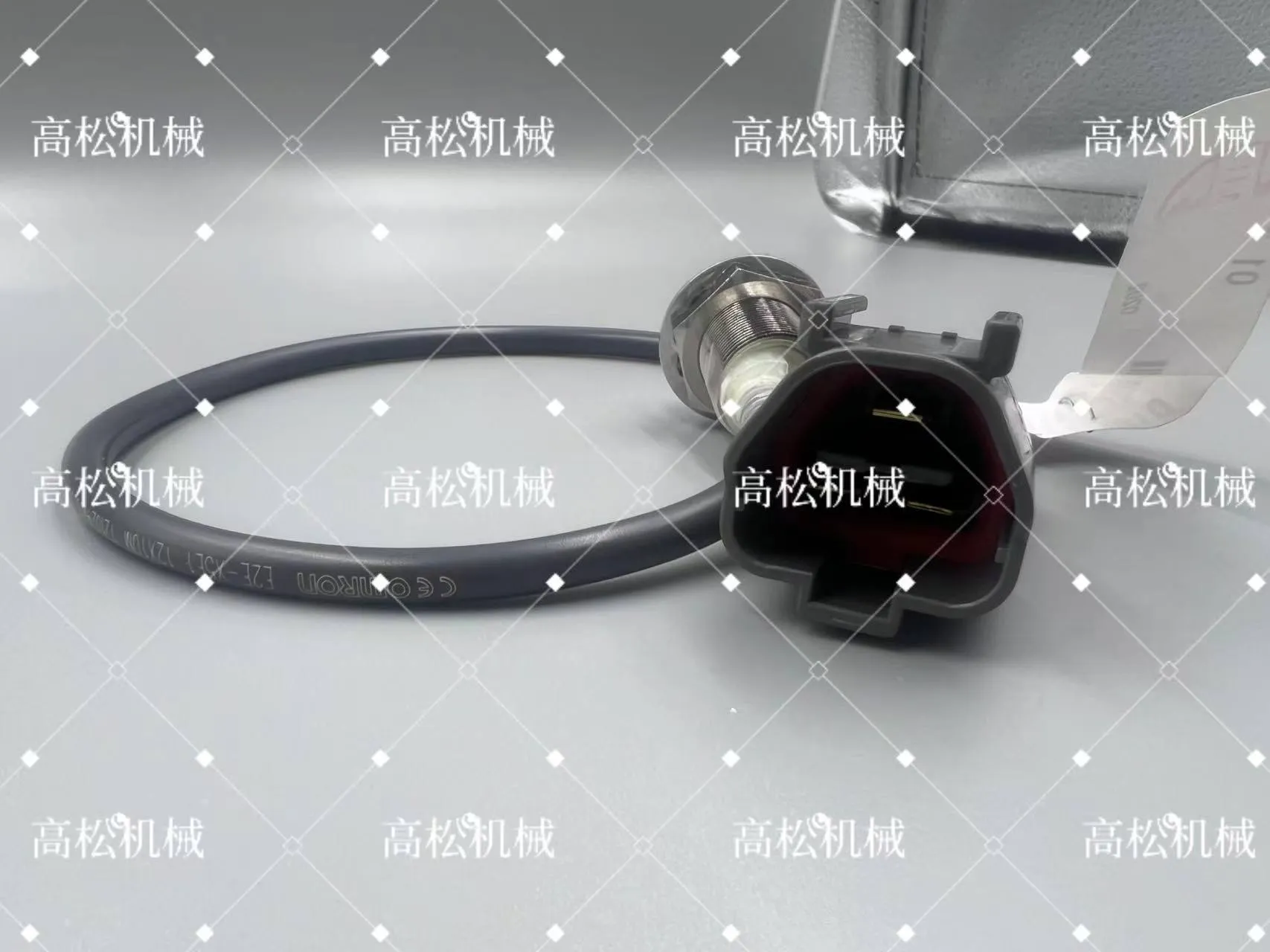
But then you have the murky zone. Electrical components—sensors, controllers—are a gamble. I learned this the hard way with an alternator for a Komatsu HD785 truck. The aftermarket unit looked identical, bolted right up, but its voltage regulator was junk. It failed within 80 hours and took a battery with it. The downtime and secondary damage cost more than three genuine parts. So my rule now: for complex electronic or precision hydraulic items (servo valves, pump controllers), I stick to OEM or certified remanufactured units. The risk isn’t worth it.
Finding a reliable aftermarket supplier is about building relationships, not just shopping online. You want someone who knows the difference between a WA380 and a WA380-5 wheel loader boom cylinder. A good supplier will ask for your machine serial number, not just the model. They’ll tell you if a part has a known fitment issue. I’ve had more success with smaller, specialized suppliers who focus on construction machinery than with giant generalist auto parts platforms.
The OEM-System Supplier: A Hybrid Solution
This is a channel a lot of people miss, but it’s been a game-changer in some regions, particularly where official distribution is thin. These are companies that operate within the Komatsu manufacturing ecosystem. They might be OEM product suppliers producing components that eventually end up in genuine Komatsu boxes, or they act as authorized third-party distributors for specific markets. Their value is in bridging the gap between pure OEM and the open aftermarket.
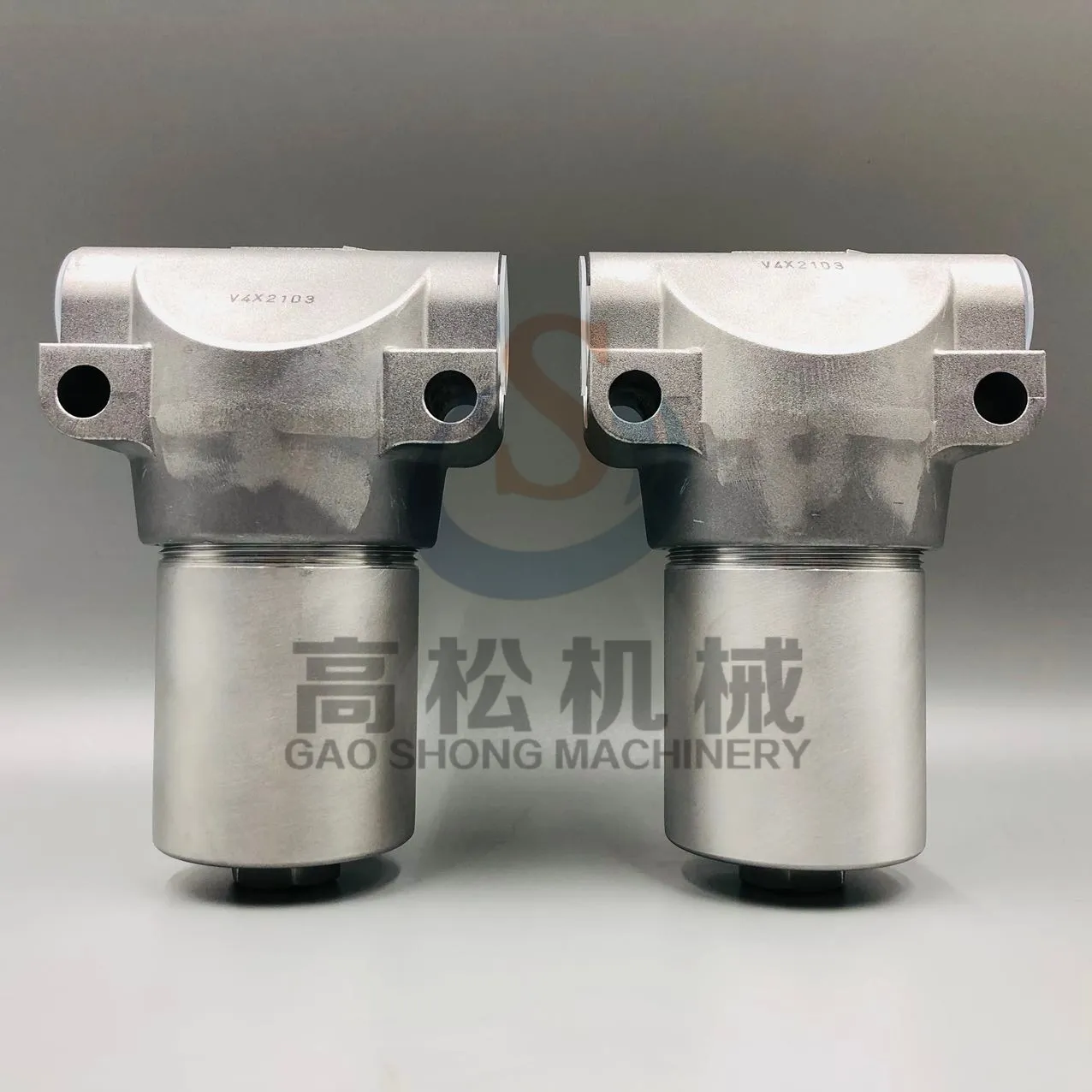
I came across one such operation a while back when sourcing parts for Komatsu excavators in a market with supply constraints. The company was Jining Gaosong Construction Machinery Co., Ltd.. Their setup is interesting. As they state, they are an OEM product supplier within the Komatsu system and also act as a third-party sales company for Komatsu. In practice, what this meant for me was access to parts with OEM-equivalent quality and traceability, but often with better availability and sometimes more competitive pricing for certain regions than going through the traditional multinational dealer ladder. Their site, https://www.takematsumachinery.com, became a useful reference point. They explicitly focus on solving parts supply challenges in certain countries, which aligns perfectly with the real-world headache I described earlier.
The key with these suppliers is verification. You’re not buying from Komatsu directly, so you need to do your due diligence. I always ask for material certifications, especially for critical structural or high-wear items. Can they provide the Komatsu part number cross-reference? What’s their source? In the case of a company like Gaosong, their positioning within the system adds a layer of credibility. They’re not just another reseller; they’re part of the supply chain. For items like cylinder rods, gear sets, or even complete assembly kits for a Komatsu wheel loader transmission, this channel can offer a sensible balance of reliability and cost, especially for bulk or planned maintenance buys.
Salvage and Remanufactured: For the Pragmatist
Don’t overlook the salvage yards and dedicated remanufacturers. For major components—engines, transmissions, torque converters, final drives—buying new from Komatsu can be prohibitively expensive, often approaching a significant fraction of the machine’s residual value. A quality remanufactured exchange unit is a solid option. Companies that specialize in Komatsu reman, like some in the US or the UAE, will often offer a core exchange and a warranty that matches or comes close to OEM.
I’ve sourced a remanufactured swing drive for a Komatsu PC300 excavator this way. The process was slower than buying new, as my core had to be inspected and approved, but the cost was less than half. The unit has been running for over 3000 hours now without issue. The trick is to use a remanufacturer with a known reputation, not just a rebuilder. A proper reman process involves complete disassembly, machining to original specifications, and the use of new OEM-spec bearings, seals, and gears.
Salvage is a higher-risk, higher-reward play. It’s best for non-moving structural parts—cab frames, counterweights, loader arms—where fatigue cracks are the main concern and you can inspect thoroughly. I once found a perfect, uncracked boom for a Komatsu WA600 in a Florida salvage yard for a mining operation in Chile. The freight was a nightmare, but the part itself saved the project. For complex mechanical or hydraulic components from salvage, treat it as a core for remanufacturing, not a plug-and-play solution, unless you’re truly desperate.
Putting It Into Practice: A Sourcing Strategy
So how does this look on a Tuesday morning when a Komatsu loader is down? It’s a flowchart in your head, not a single phone call. First, identify the part: get the exact Komatsu part number from the manual or the tag on the component itself. Diagnose the criticality. Is it a failed O-ring on a filter housing (non-critical) or a cracked planet carrier in the final drive (critical and expensive)?
For critical, high-cost parts, I start parallel paths: a quote from the dealer with a firm ETA, and inquiries to a trusted OEM-system supplier like Jining Gaosong Construction Machinery Co., Ltd. and a reputable remanufacturer. I compare not just price, but total turnaround time (including core handling if applicable) and warranty terms. For that final drive, the reman route from a specialist often wins.
For common wear items or non-critical parts, my first stop is often my shortlist of reliable aftermarket suppliers. I have one that’s great for undercarriage components, another for hydraulic hoses and fittings, and another for filters and fluids. I’ve built these relationships over years by starting with small orders, inspecting the parts meticulously upon arrival, and tracking their performance in the field. The goal is to have a network, not just a vendor list. Because when you really need to find those Komatsu loader spare parts, the answer is rarely in just one place. It’s in knowing which of several places is the right one for this part, for this machine, right now.