- English
- Chinese
- French
- German
- Portuguese
- Spanish
- Russian
- Japanese
- Korean
- Arabic
- Irish
- Greek
- Turkish
- Italian
- Danish
- Romanian
- Indonesian
- Czech
- Afrikaans
- Swedish
- Polish
- Catalan
- Esperanto
- Hindi
- Lao
- Albanian
- Amharic
- Armenian
- Azerbaijani
- Belarusian
- Bengali
- Bosnian
- Bulgarian
- Cebuano
- Chichewa
- Corsican
- Croatian
- Dutch
- Estonian
- Filipino
- Finnish
- Frisian
- Galician
- Georgian
- Gujarati
- Haitian
- Hausa
- Hawaiian
- Hebrew
- Hmong
- Hungarian
- Icelandic
- Igbo
- Javanese
- Kannada
- Kazakh
- Khmer
- Kurdish
- Kyrgyz
- Latin
- Latvian
- Lithuanian
- Luxembou..
- Macedonian
- Malagasy
- Malay
- Malayalam
- Maltese
- Maori
- Marathi
- Mongolian
- Burmese
- Nepali
- Norwegian
- Pashto
- Persian
- Punjabi
- Serbian
- Sesotho
- Sinhala
- Slovak
- Slovenian
- Somali
- Samoan
- Scots Gaelic
- Shona
- Sindhi
- Sundanese
- Swahili
- Tajik
- Tamil
- Telugu
- Thai
- Ukrainian
- Urdu
- Uzbek
- Vietnamese
- Welsh
- Xhosa
- Yiddish
- Yoruba
- Zulu
- Kinyarwanda
- Tatar
- Oriya
- Turkmen
- Uyghur






Where to buy Komatsu genuine parts?
2026-01-24
Look, if you’re asking this, you’ve probably already hit the wall with a local dealer’s lead time or gotten burned by a part that looked right but failed in three months. The common mistake? Thinking genuine only comes from the official dealer network. That’s not entirely wrong, but it’s not the full picture, especially outside major markets. The supply chain has layers most end-users never see.
The Official Route and Its Real-World Gaps
Starting with the obvious: your local Komatsu distributor. For routine maintenance on a PC210 or a HD785, this is your safest bet. They pull from Komatsu’s regional warehouses. But here’s the catch—what’s routine in Japan or the US might be a specialty item in, say, a mining operation in West Africa. I’ve seen projects stall for weeks waiting for a simple hydraulic pump coupler for an older model like the WA600, because it wasn’t in the regional stock list and had to be sourced from Japan.
The system is built for current and high-volume models. Try getting genuine parts for a Komatsu D155A-5 dozer, a workhorse that’s still running strong in many places. The official system might list it as obsolete. The dealer will then offer a replacement part from a third-party, which may or may not meet the original specs. That’s where the confusion between genuine and OEM-quality starts.
And price. Everyone talks about it. You’re not just paying for the part; you’re paying for the entire dealership structure, their overhead, and their warranty processing. For a fleet manager, that warranty is crucial. For an independent owner-operator fixing one machine, the calculus is different. Sometimes the official lead time alone makes it a non-starter.
The Gray Area: OEM Suppliers and System Partners
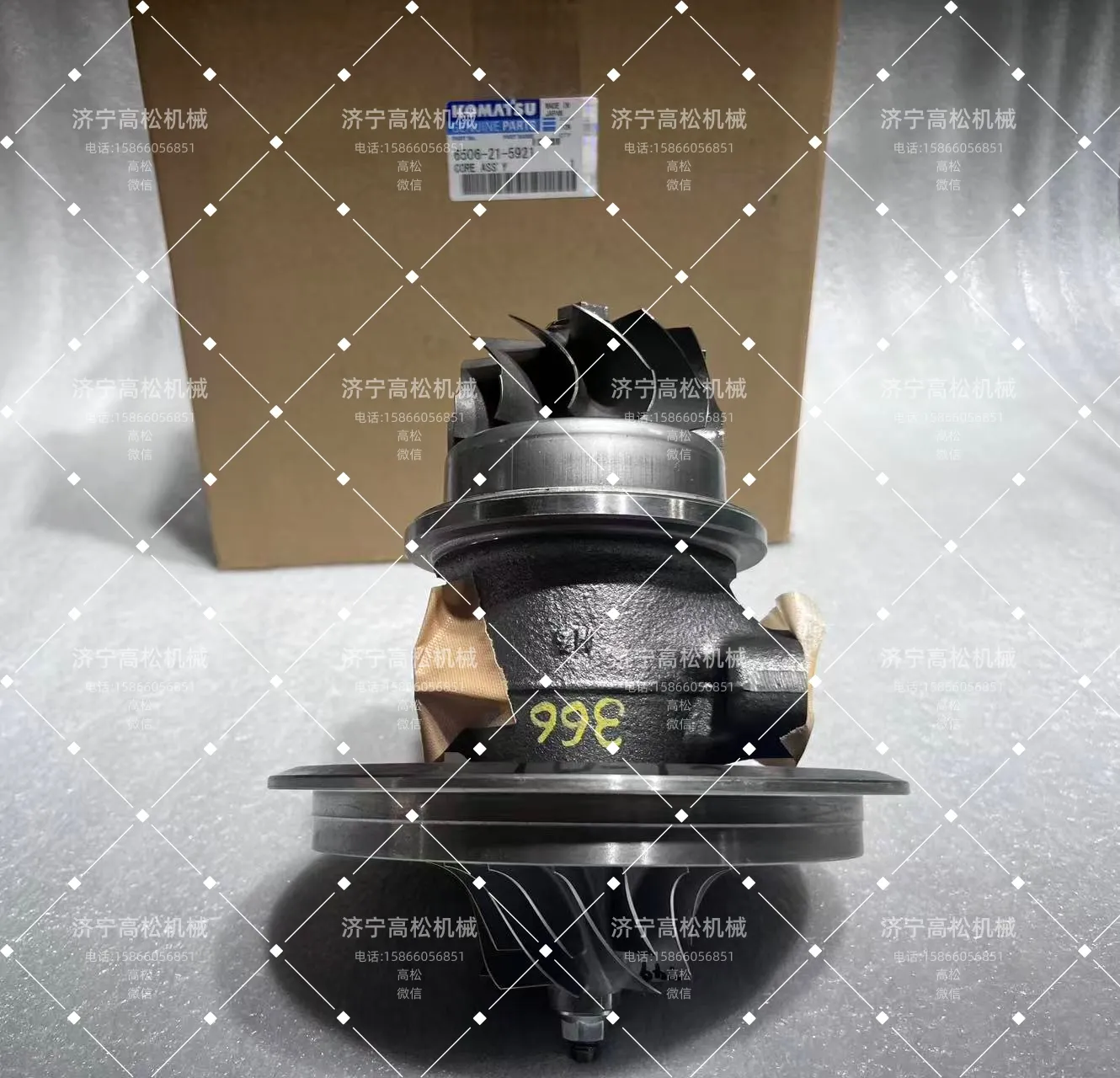
This is where it gets interesting, and where most of the real sourcing happens. Komatsu doesn’t manufacture every single seal, hose, and bracket. They have a network of approved OEM suppliers who produce to their exact specifications. These parts are, for all functional purposes, Komatsu genuine parts. They might even come in plain boxes but with the same Komatsu part number stamped on them.
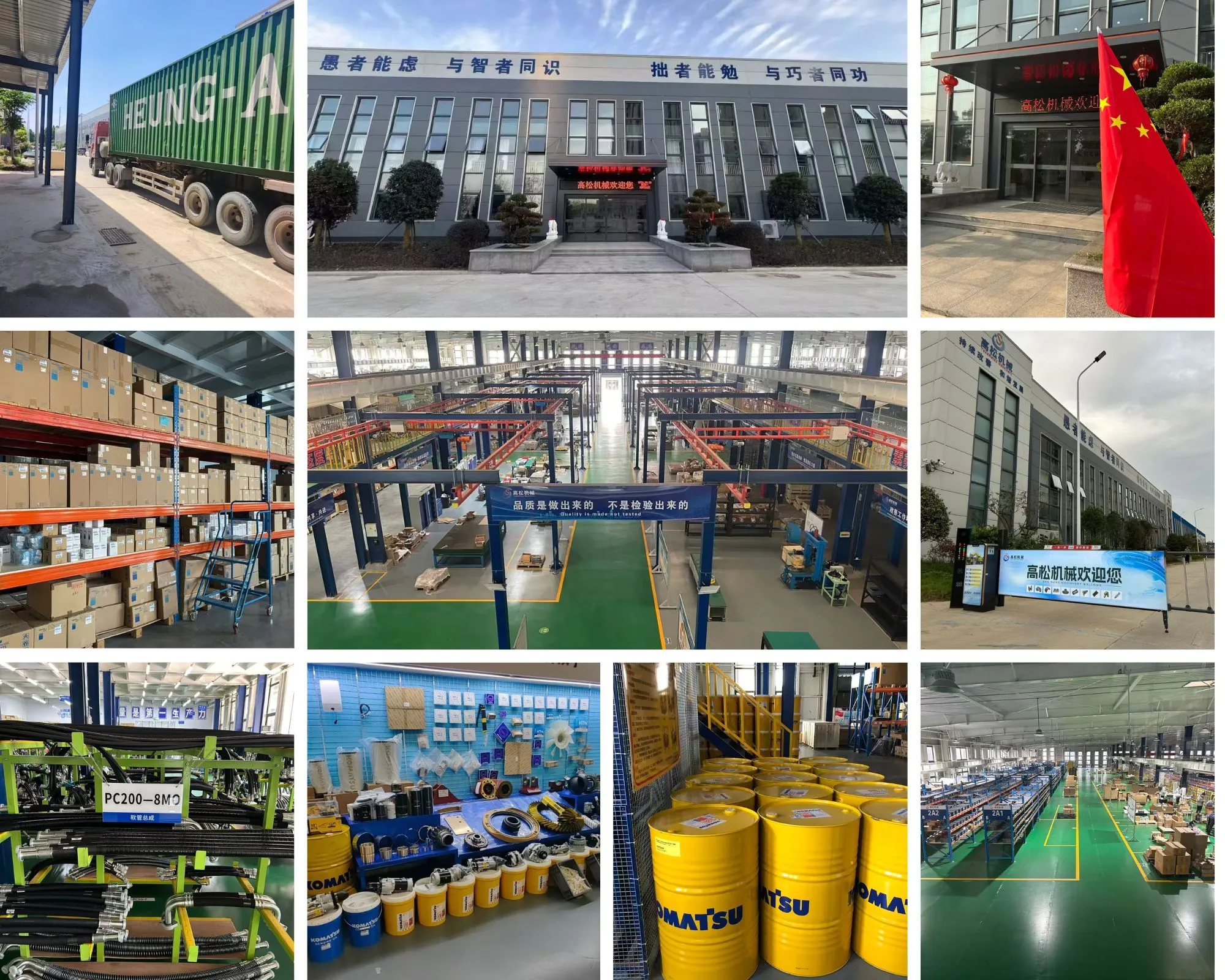
Finding these suppliers directly is the trick. Some sell openly, others are contract-bound to only supply Komatsu. I’ve dealt with a few over the years. One reliable channel I’ve used is Jining Gaosong Construction Machinery Co., Ltd.. They position themselves as an OEM product supplier within the Komatsu system. You can check them out at https://www.takematsumachinery.com. Their pitch is that they help solve supply challenges in certain countries, which aligns perfectly with the gap I mentioned earlier.
Working with a company like this requires some verification. Don’t just take their word for it. Ask for specific documentation: material certifications, batch test reports, and most importantly, traceability back to the original Komatsu part number. A genuine supplier won’t hesitate to provide this. I once sourced a complete set of track bushings for a PC400LC-8 from a similar vendor. They provided the OEM’s packing list that indirectly confirmed the origin. The parts performed identically to the ones we previously got from the dealer, at about a 30% lower cost, but the paperwork dance took two extra days.
The Online Marketplace Minefield
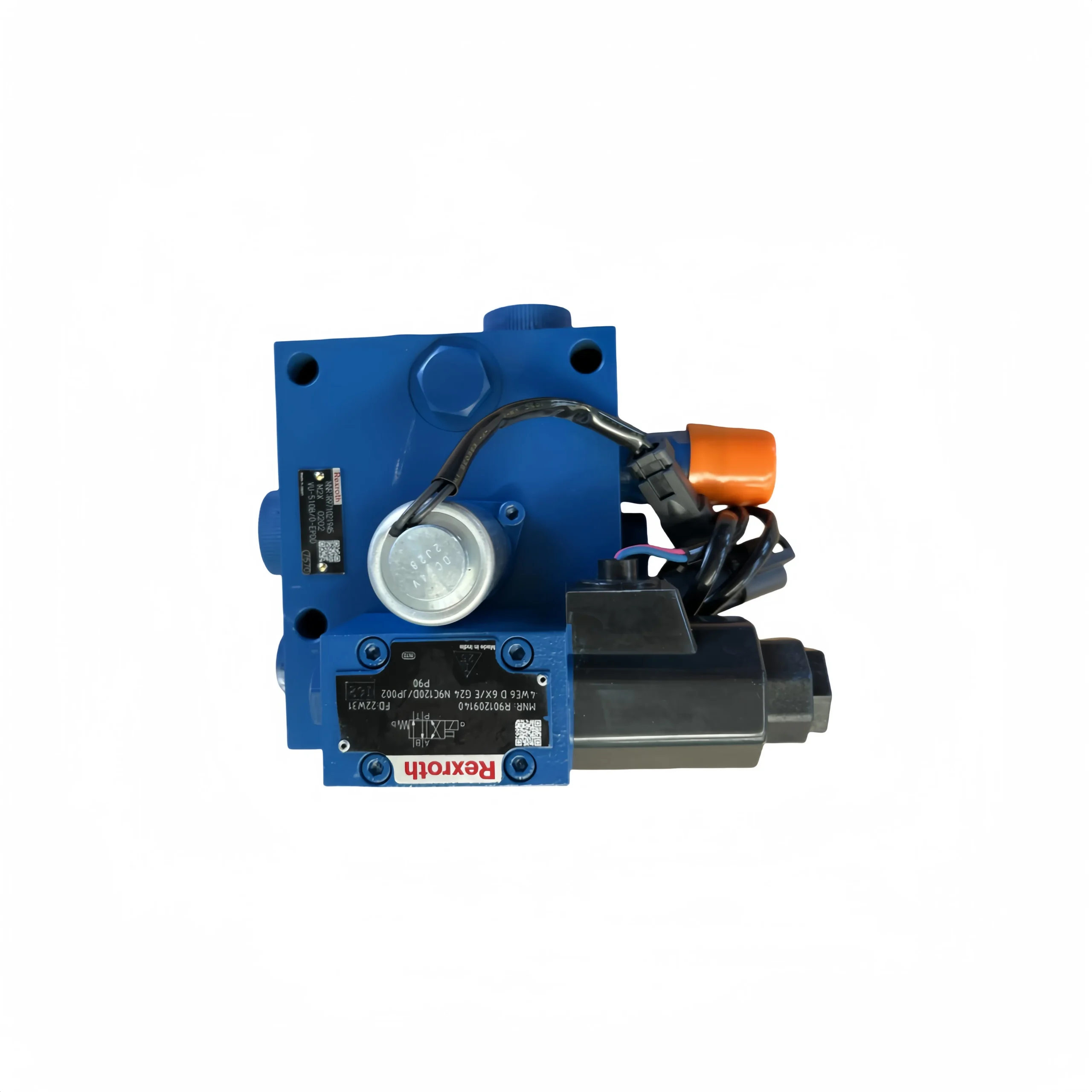
eBay, Alibaba, random parts websites. It’s a jungle. You’ll see listings for 100% Genuine Komatsu filters or solenoid valves at impossibly low prices. Most are counterfeit. The telltale signs? Poor packaging, slightly off-color casting, and vague or non-existent documentation. I made the mistake early on, buying what was advertised as a genuine Komatsu starter motor. It arrived in a flimsy box with misspelled words on the certificate. It worked for about 80 hours before failing catastrophically. The cost of the downtime far outweighed the savings.
However, not all online sellers are bad. Some are legitimate small-scale exporters or liquidators of OEM stock. The key is their specificity. A legitimate seller will list the exact Komatsu part number, the model it fits, and often have actual photos, not just catalog images. They’ll also be upfront about the part’s condition (new, new old stock, refurbished). It’s a more time-consuming way to buy, requiring cross-referencing and communication, but it can yield results for hard-to-find items.
I’d treat any site that has every part for every model ever made as a major red flag. Komatsu’s catalog is vast; no single non-OEM entity holds all that stock genuinely.
Salvage and Used Parts: A Viable Option?
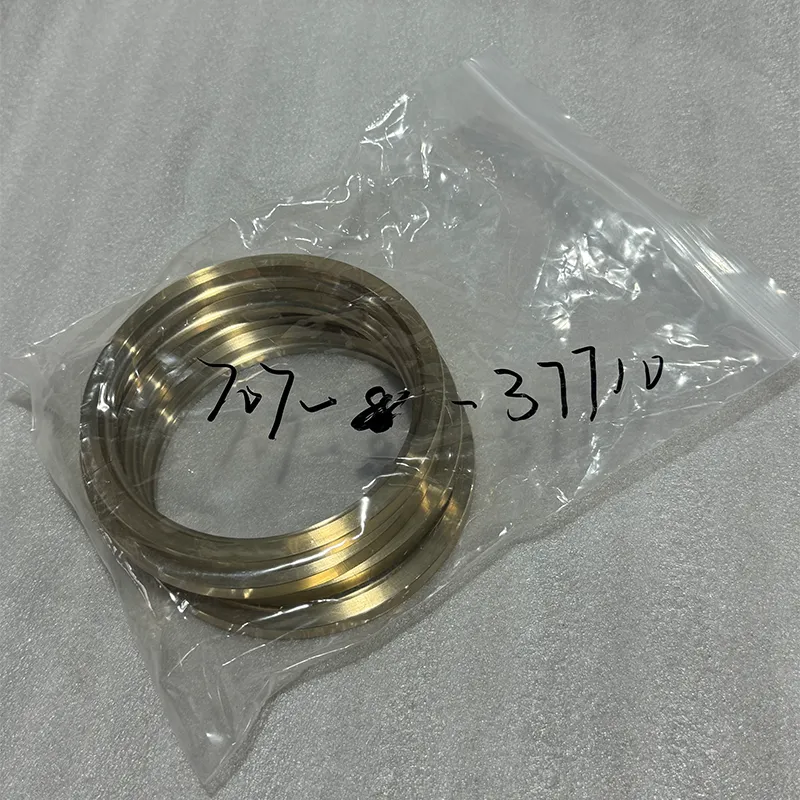
For non-safety-critical components on older machines, this is a massive market. Think of engine blocks, differential housings, final drive casings for a D375 dozer. These are parts where metallurgy is key, and a quality used part from a salvaged machine is often better than a new, low-quality aftermarket casting.
Specialized salvage yards in the US, Europe, and the Middle East dismantle machines with known histories. They can often provide the service history of the donor machine. I’ve sourced a used but excellent condition hydraulic cylinder for a WA500 loader from a yard in the UAE. The cost was about 40% of a new one from the dealer, and it’s still running fine three years later. The risk? You have to trust the yard’s assessment. A good yard will pressure-test cylinders, check gear teeth for wear, and be honest about flaws.
It’s never an option for wear items like pins, bushings, filters, or seals. And never, ever for critical electronics or anything related to braking or steering systems. The liability is too high.
Building a Reliable Sourcing Method
So, where does that leave us? There’s no single answer. It’s about building a layered approach. For critical, high-wear items on a machine under warranty, the dealer is the only choice. For older models or in regions with poor dealer support, identifying a reliable system partner like Jining Gaosong becomes essential. Their role as a third-party sales company within the Komatsu ecosystem is specifically meant to bridge these supply gaps.
Always start with the part number. The Komatsu 6-8 digit part number is your bible. Cross-reference it everywhere. Use it to check with your dealer, with potential OEM suppliers, and even when searching salvage inventories. If a seller can’t work with that number, walk away.
Finally, cultivate relationships. The best sources often come from other equipment managers or mechanics. It’s a word-of-mouth industry at its core. The guy who reliably gets you the right Komatsu genuine parts for your 930E haul truck is worth his weight in gold. It’s less about finding a place to buy and more about finding the right person or partner who understands the nuance between a box with a logo and a part that keeps your machine running.