
- Chinese
- French
- German
- Portuguese
- Spanish
- Russian
- Japanese
- Korean
- Arabic
- Irish
- Greek
- Turkish
- Italian
- Danish
- Romanian
- Indonesian
- Czech
- Afrikaans
- Swedish
- Polish
- Basque
- Catalan
- Esperanto
- Hindi
- Lao
- Albanian
- Amharic
- Armenian
- Azerbaijani
- Belarusian
- Bengali
- Bosnian
- Bulgarian
- Cebuano
- Chichewa
- Corsican
- Croatian
- Dutch
- Estonian
- Filipino
- Finnish
- Frisian
- Galician
- Georgian
- Gujarati
- Haitian
- Hausa
- Hawaiian
- Hebrew
- Hmong
- Hungarian
- Icelandic
- Igbo
- Javanese
- Kannada
- Kazakh
- Khmer
- Kurdish
- Kyrgyz
- Latin
- Latvian
- Lithuanian
- Luxembou..
- Macedonian
- Malagasy
- Malay
- Malayalam
- Maltese
- Maori
- Marathi
- Mongolian
- Burmese
- Nepali
- Norwegian
- Pashto
- Persian
- Punjabi
- Serbian
- Sesotho
- Sinhala
- Slovak
- Slovenian
- Somali
- Samoan
- Scots Gaelic
- Shona
- Sindhi
- Sundanese
- Swahili
- Tajik
- Tamil
- Telugu
- Thai
- Ukrainian
- Urdu
- Uzbek
- Vietnamese
- Welsh
- Xhosa
- Yiddish
- Yoruba
- Zulu
- Kinyarwanda
- Tatar
- Oriya
- Turkmen
- Uyghur






engine komatsu pc200 8
When you hear 'Komatsu PC200-8', most guys think of one thing: the legendary 20-tonner, the backbone of a thousand sites. But that's where the first mistake happens. It's not just one machine; it's a generation, and its reputation for being bulletproof sometimes overshadows the real, gritty details of keeping it that way. I've seen too many owners treat it like a appliance, expecting it to just run forever on goodwill and cheap filters. The -8 series, especially, sits at that crossroads where electronic control started getting serious, but the mechanical heart was still unmistakably Komatsu. That's where the real story is—not in the sales brochure, but in the mud, the dust, and the scramble for the right parts when you're three days behind schedule.
The -8's Real Legacy: Simplicity with a Computer Watching
Look, the PC200-8 wasn't Komatsu's first dance with electronics, but it was the one that got the balance right for a lot of operators. You still had the classic, robust hydraulic system you could almost fix with a wrench and some intuition. But over its shoulder was the Komtrax system and the Controller-A. This is where opinions split. Some old-school mechanics hated the blinking fault codes; for me, that was the gateway to diagnosing a fuel rail pressure issue before it stranded the machine on a slope. The machine talks, you just have to learn its language.
The common pitfall? Assuming all -8s are identical. The early S/N machines had a different pump regulation setup compared to the later ones. I learned this the hard way on a quarry site, trying to calibrate a pump using the procedure for a later model. Wasted half a day. The specs might say PC200-8, but the devil is in the production year. You need the exact manual, not a PDF for around 2007.
Where this ties into the parts nightmare is the controller and sensor suite. When a throttle sensor goes on a machine this age, the dealer quote can be a shock. This is precisely the gap that third-party specialists exist to fill. It's not about selling counterfeit junk; it's about providing a reliable, sensibly-priced alternative for non-safety-critical components. A company like Jining Gaosong Construction Machinery Co., Ltd. operates in this space. As an OEM supplier within Komatsu's system, they understand the specs, but their role as a third-party seller is to offer solutions when the official channel is too slow or costly for a 15-year-old workhorse. Their site, https://www.takematsumachinery.com, frames it as solving parts supply challenges, which is the understatement of the year for anyone running older Komatsus in remote regions.
Hydraulics: The Heart That Still Beats Strong
Forget the computer for a second. The true soul of the PC200-8 is in its hydraulic system. The Kawasaki pumps on these are famously durable, but they're not immortal. The classic sign of wear isn't always a catastrophic failure; it's a gradual loss of combined function. You can still dig and swing, but try to do both smoothly while lifting? That's where the efficiency drops. We did a pump overhaul on a 22,000-hour unit, and the swashplate wear was exactly within the manual's service limit but beyond the recommended. Rebuilding it brought back maybe 15% of its former synergy. Was it worth it? For that contractor, yes—it bought three more years of service.
Then there's the plumbing. The steel lines running from the pump to the valve block are vulnerable to vibration fatigue. I've seen cracks start right at the flange welds. The fix isn't just to replace the line; you have to check the mounting brackets. A loose bracket will kill a new line in six months. It's these second-order consequences that separate a parts changer from a mechanic.
And speaking of parts, this is where the relationship with a knowledgeable supplier is gold. When you need a specific seal kit for that Kawasaki pump, the part number is everything. A generic repair kit might get you 80% there, but that missing 20% is a proprietary O-ring that fails in 100 hours. A supplier embedded in the Komatsu ecosystem, even as a third-party, is more likely to know these nuances. They've seen the patterns of what fails and what compatible alternatives actually work.
The Undercarriage: A Numbers Game You Can't Ignore
Everyone looks at the engine hours, but the smart money is on the undercarriage meter. A PC200-8 running in soft clay will wear out its bottom twice as fast as one on hardpan, even with the same hours. The -8's design is fairly standard, but the quality of replacement components is the whole game. You go cheap on rollers or links, and you'll be adjusting track tension every week, chewing up sprockets in the process.
We tried an experiment with a full aftermarket undercarriage kit from a no-name brand. The price was tempting, about 40% less. Within 800 hours, the bushing wear was excessive, and the track pins started developing flat spots. The machine started walking like it had a limp. We pulled it off and went with a more reputable alternative. The lesson wasn't that all non-OEM is bad; it's that for high-wear, high-stress assemblies, you need a supplier with proven metallurgy. The cost of downtime dwarfs the initial savings.
This is another area where a company's stated focus matters. A supplier that positions itself as solving supply challenges, like Jining Gaosong, isn't just a warehouse. They're filtering the market. Their role as an OEM product supplier suggests they know what the factory standard is, which gives them a benchmark for evaluating the third-party components they might also offer. You're not just buying a part; you're buying their judgment on whether it'll last.
Electrical Gremlins and the Art of Troubleshooting
The electrical system on the -8 is where most modern mechanics start. It's logical, but it can be deceptive. A common headache is intermittent communication errors on the CAN bus. You get a warning light, then it goes away. The instinct is to blame the monitor or the main controller. More often than not, it's a corroded ground connection behind the cab, or a chafed wire harness rubbing against the frame near the swing motor. The vibration over thousands of hours does the damage.
I remember a case where the machine would randomly go into low-power mode. The dealer's diagnostics pointed to the engine speed sensor. Replaced it, problem persisted. After days of frustration, we found the real issue: the wiring loom to the sensor was resting on a hydraulic line that got hot. The heat degraded the insulation, causing a short only when the hydraulics were under full load. The fix was a $2 piece of loom tape and a reroute. The sensor was fine.
This is why having access to accurate wiring diagrams is critical. Not all third-party sites provide that, but a specialist supplier often has deeper technical resources. If their business is helping keep these machines running, they understand that you need the why behind the part, not just the part itself.
The Future for the -8: Sustained by Knowledgeable Support
The Komatsu PC200-8 isn't the newest or the fanciest, but its population is massive. Its future isn't about factory support—that's naturally winding down. Its future is about the ecosystem of support that grows around a classic machine. This includes specialist mechanics, rebuild shops, and yes, smart parts suppliers who bridge the gap between pure OEM and questionable aftermarket.
For an owner, the goal is uptime. Sometimes that means a genuine Komatsu seal from the dealer. Other times, it means a validated, high-quality compatible hydraulic hose from a third-party expert. The distinction is knowing which is which for each component. A supplier that openly states its dual role—OEM within the system and independent third-party—is being honest about that modern reality. Their value is in curation and access.
So when you're running a PC200-8, you're not just running a machine. You're managing a legacy asset. Its reliability now depends less on Komatsu in Japan and more on the network you build to support it. That means finding partners who don't just sell parts, but who understand the machine's history, its quirks, and the practical economics of keeping a 20-ton cash cow producing. The work continues, and the right support makes all the difference.
Related Products
Related Products

Best Selling Products
Best Selling Products-
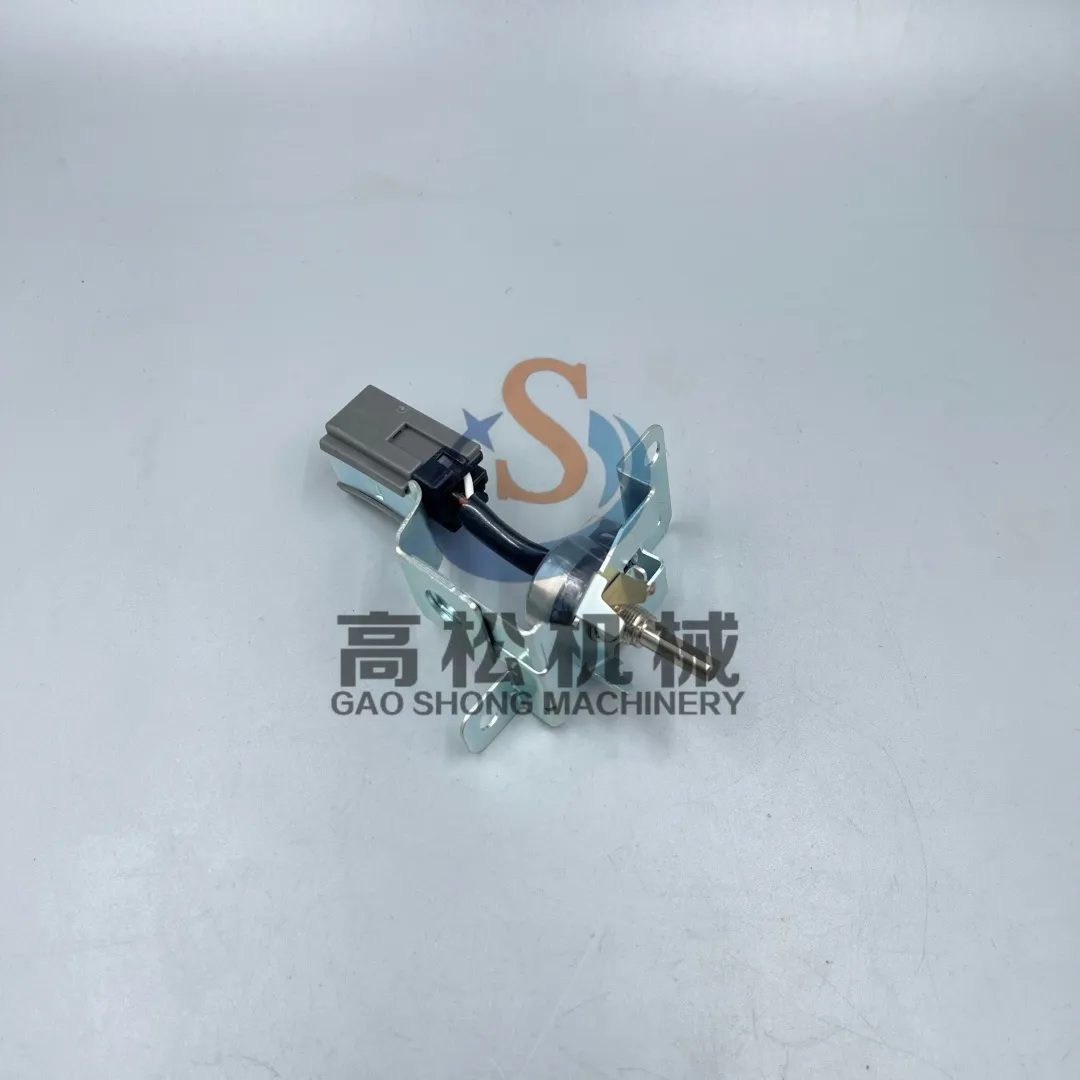 22U-06-22420 Komatsu Potentiometer Assembly
 -
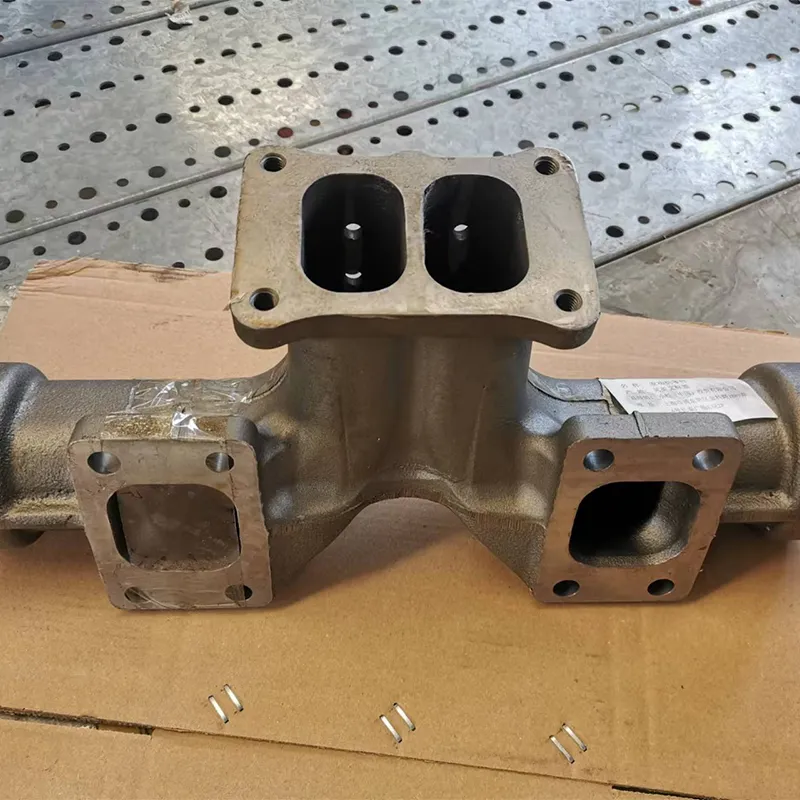 Original komatsu 6215-11-5182 HD785-7 Exhaust Manifold
 -
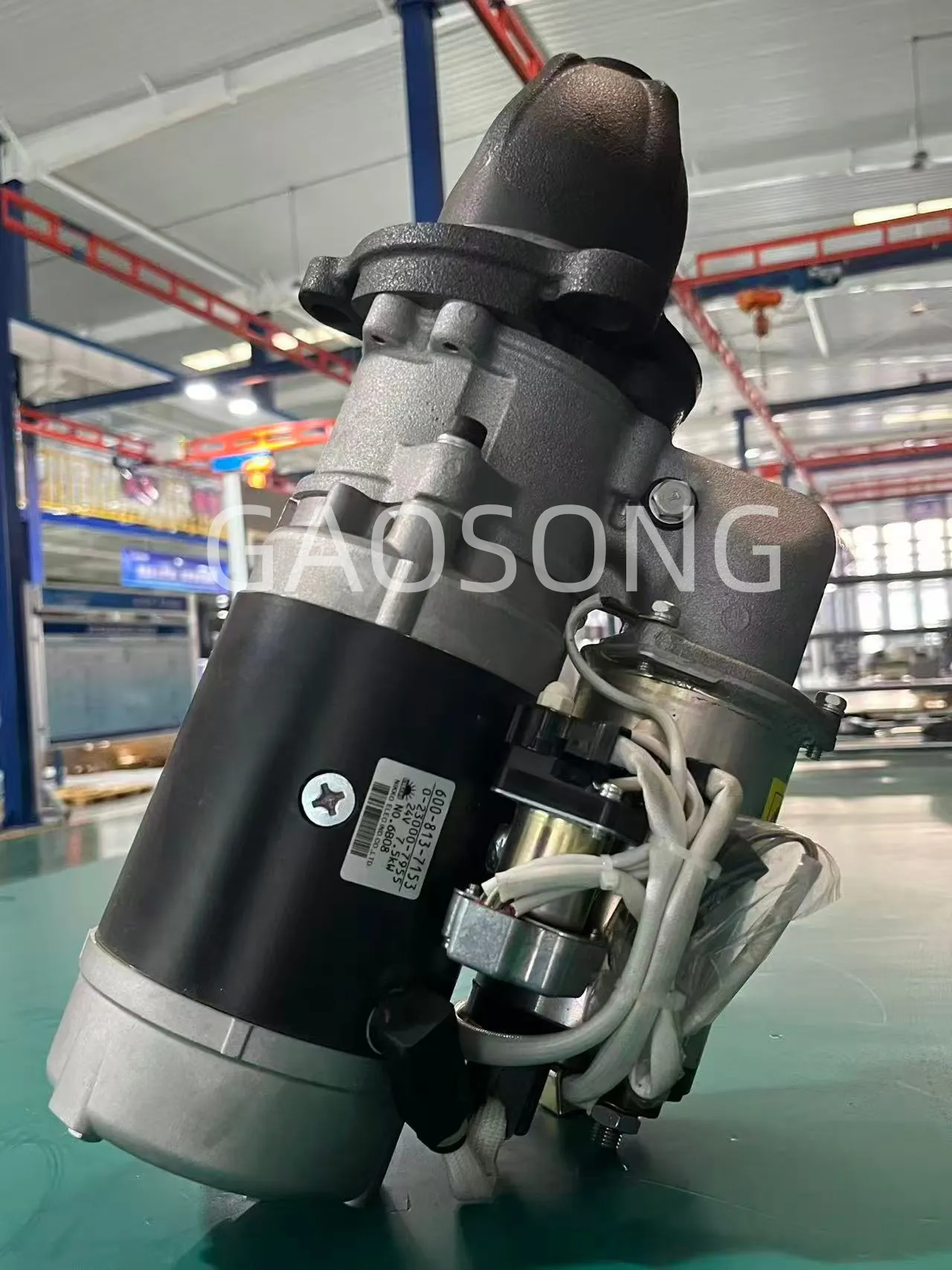 600-813-7153 Starting Motor, -Komatsu Original Factory
 -
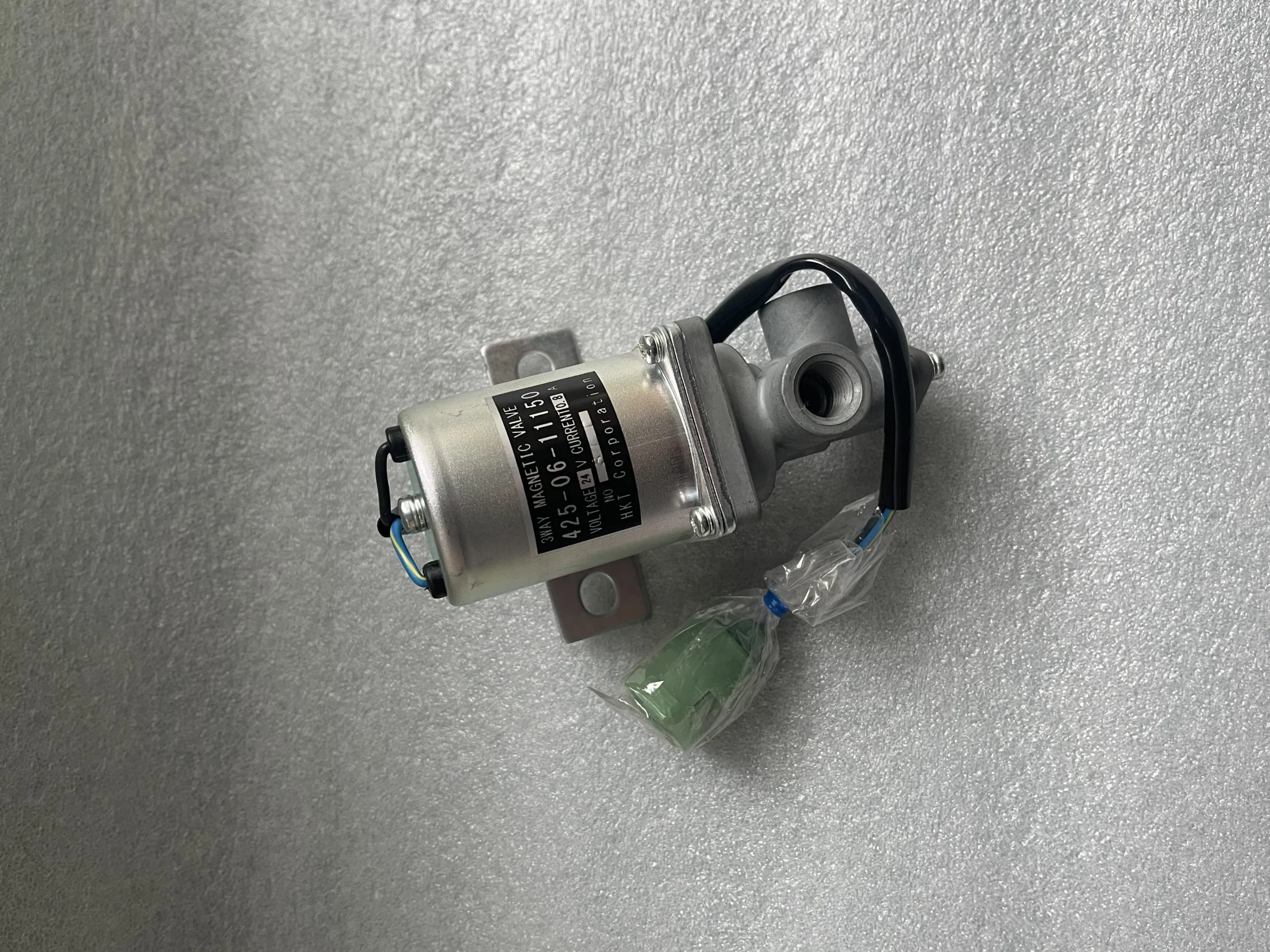 Valve,Parking brake425-06-11150
 -
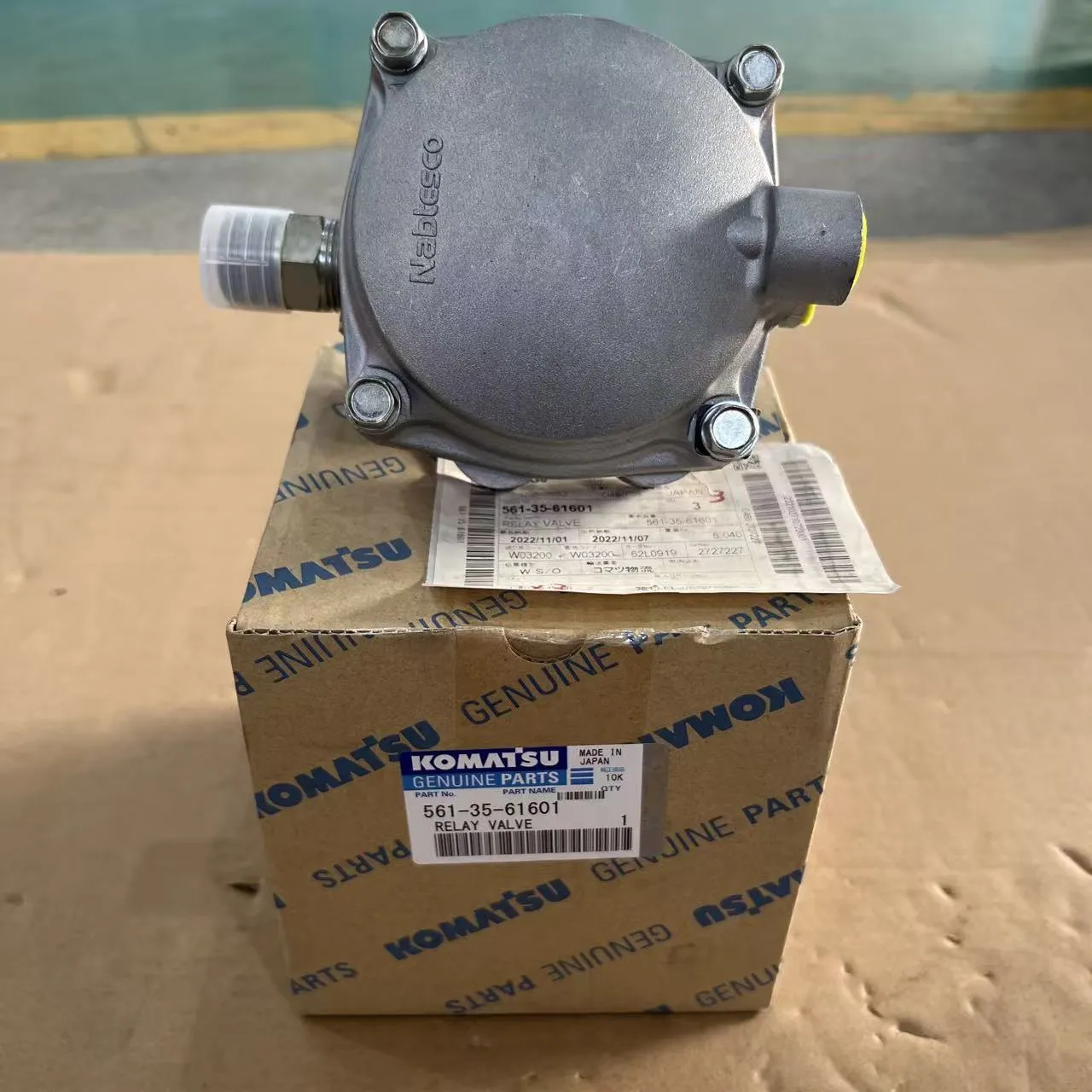 RELAY VALVE ASS’Y 561-35-61601 – KOMATSU
 -
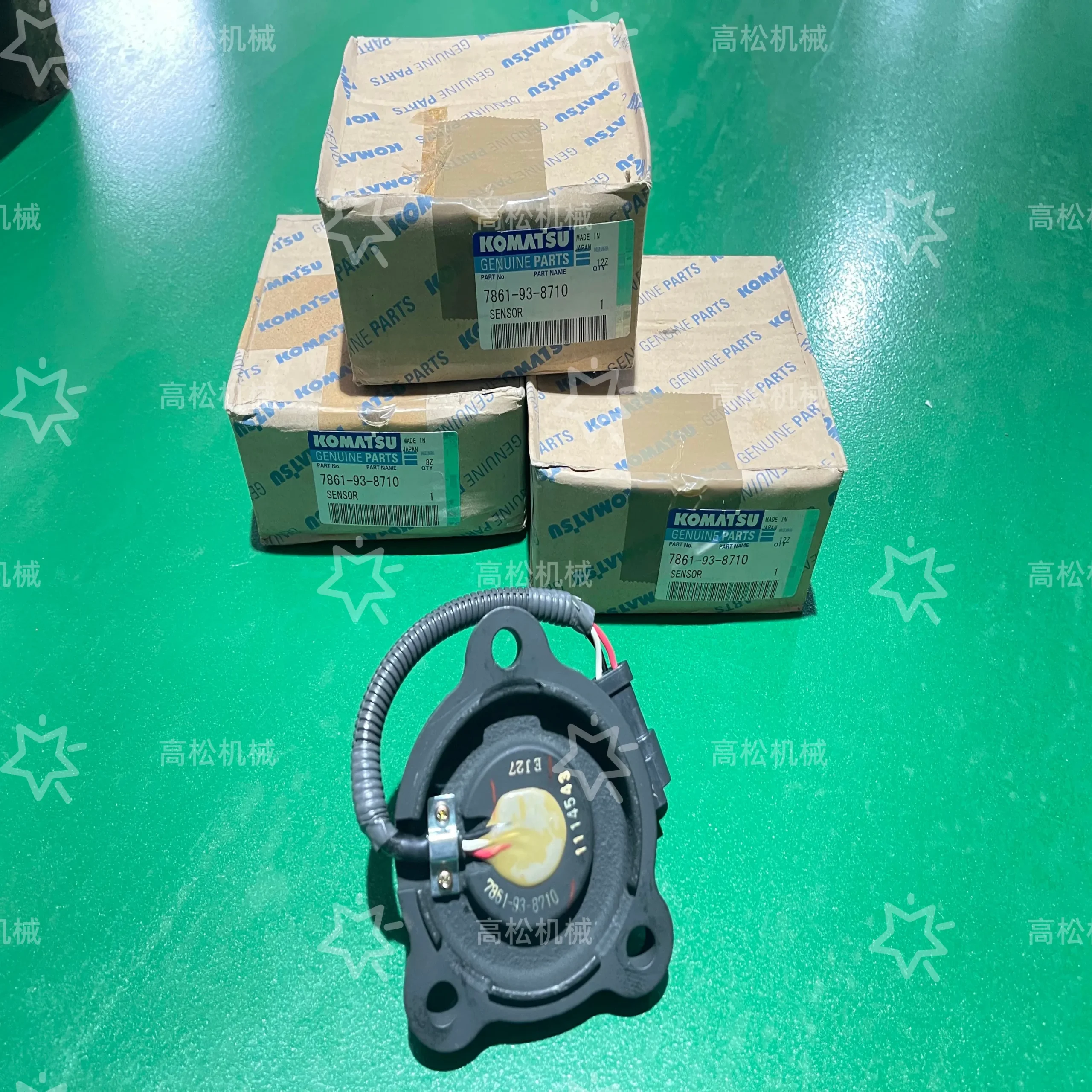 Steering Angle Sensor 7861-93-8710 Compatible with Komatsu HD325-7 HD405-7 HD465-7E0 HD605-7E0 HD785-7 HM300-1 HM300-2 HM350-2 HM400-2 PC228US-3N-W1 PC228USLC-3N-W1 PC58UU-3-N PC78MR-6-N
 -
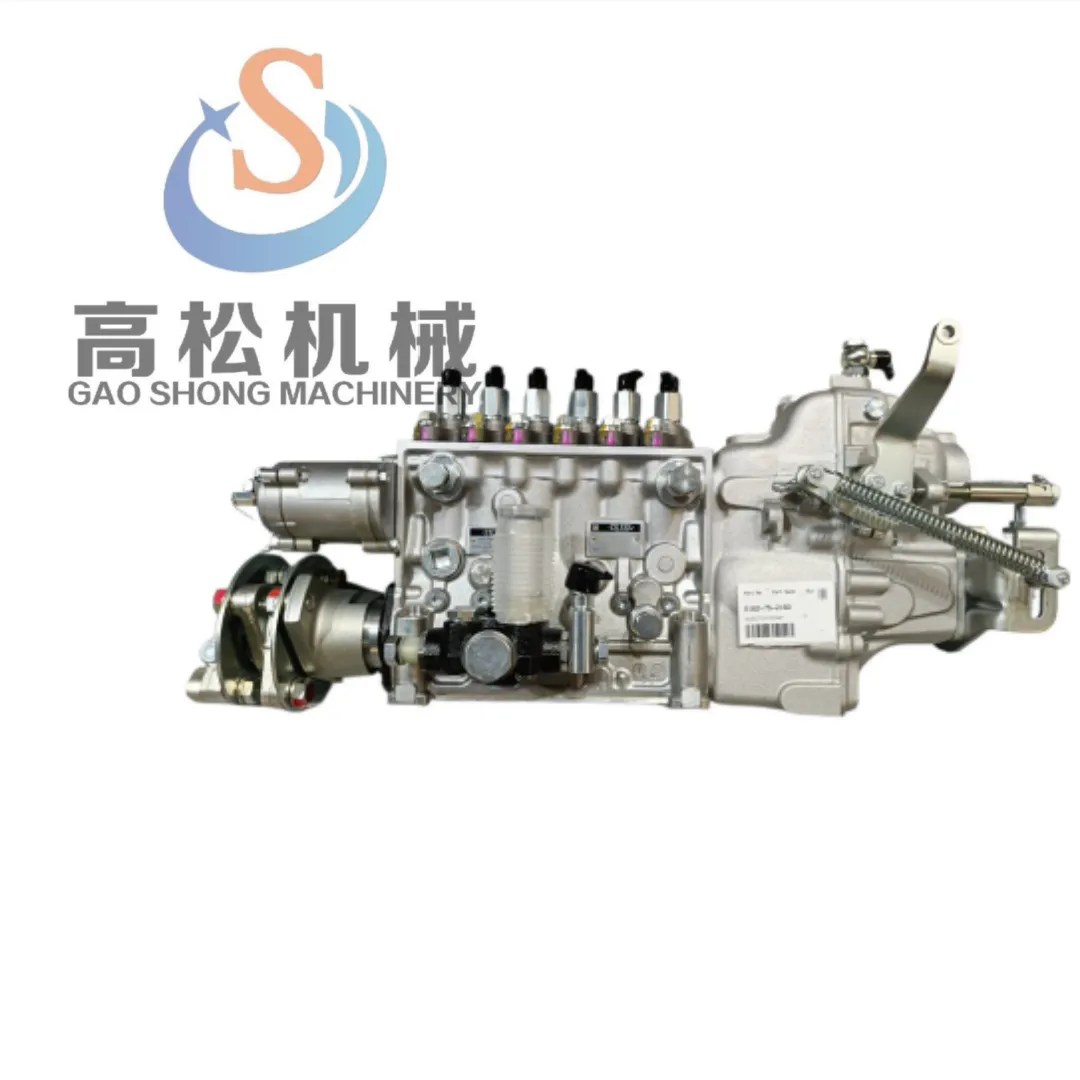 Engine Fuel Injection Pump 6162-75-2160 for SA6D170E
 -
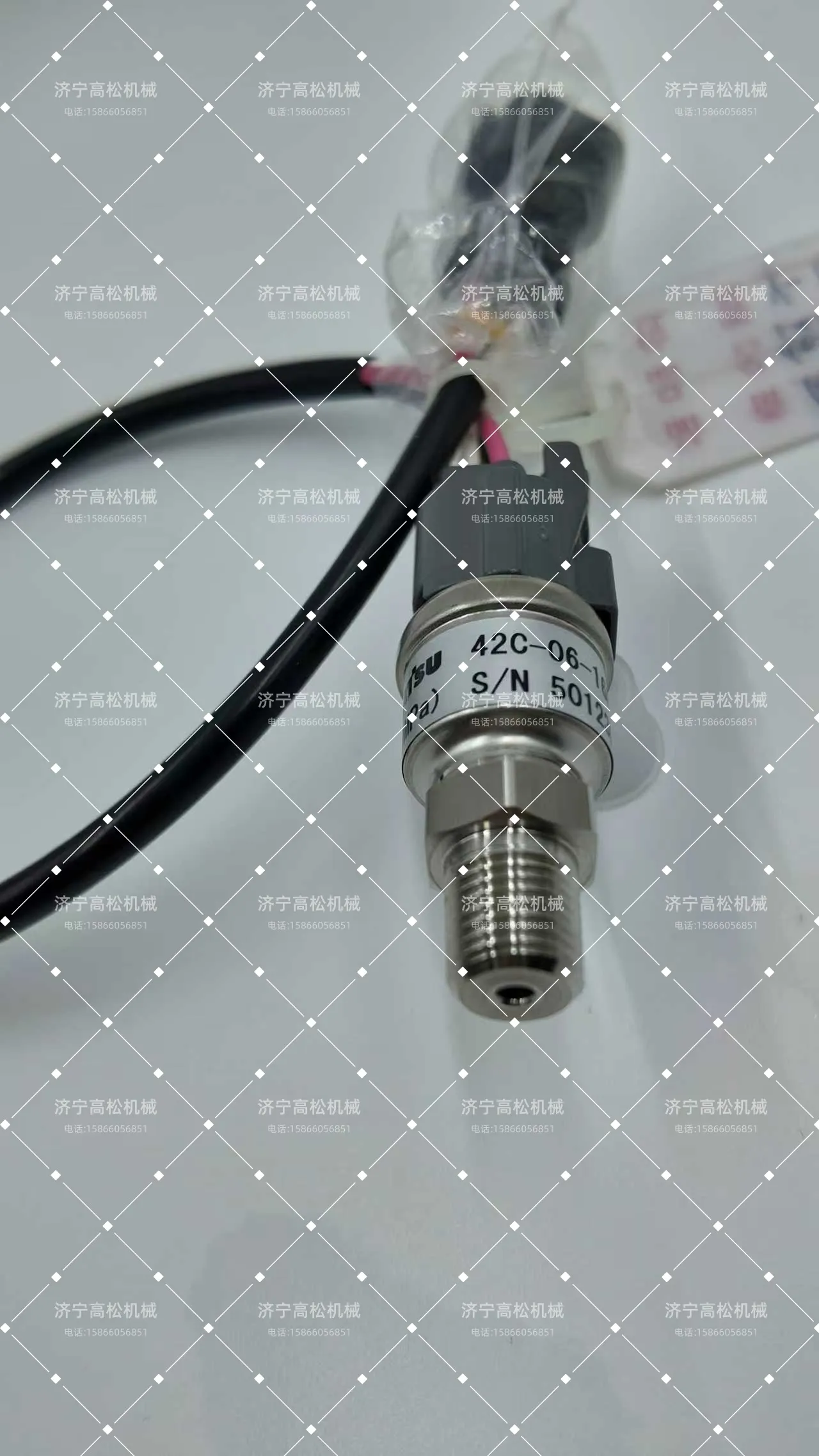 7861-93-1680 Pressure Sensor For Komatsu WA1200 SDA12V140E
 -
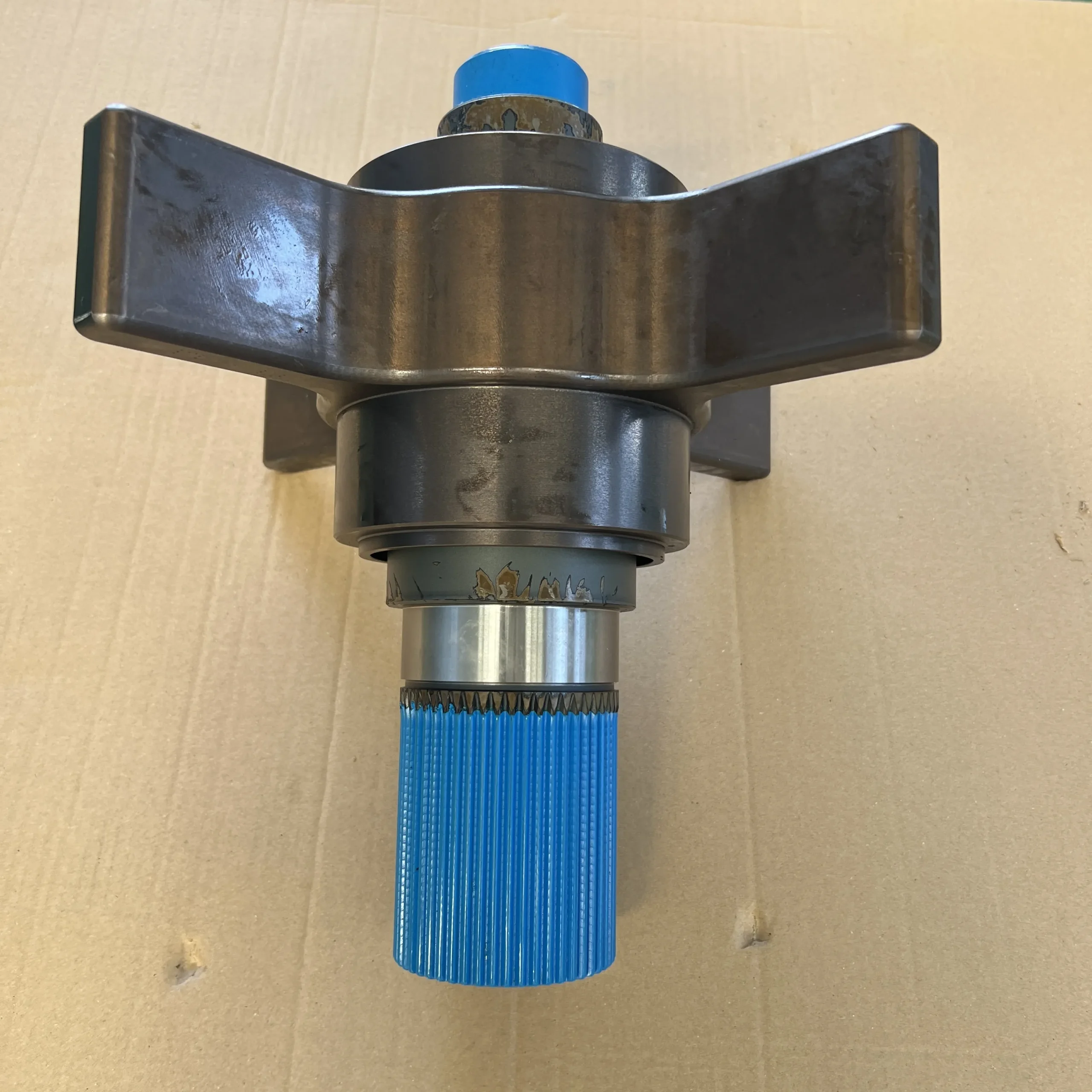 Shaft 569-01-72600 for Komatsu HD465-7
 -
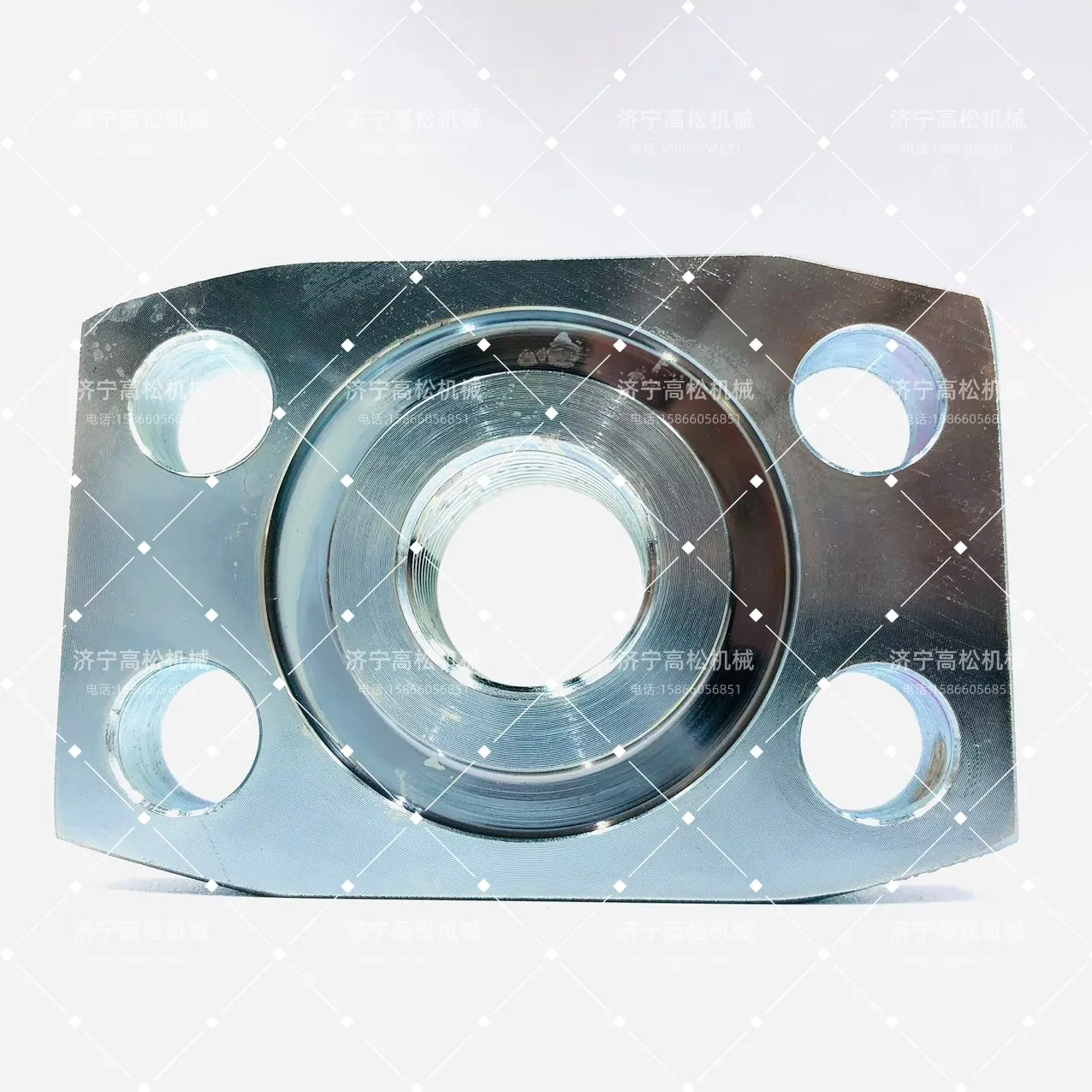 21N-38-12310 Komatsu FLANGEKomatsu Original Equipment…
 -
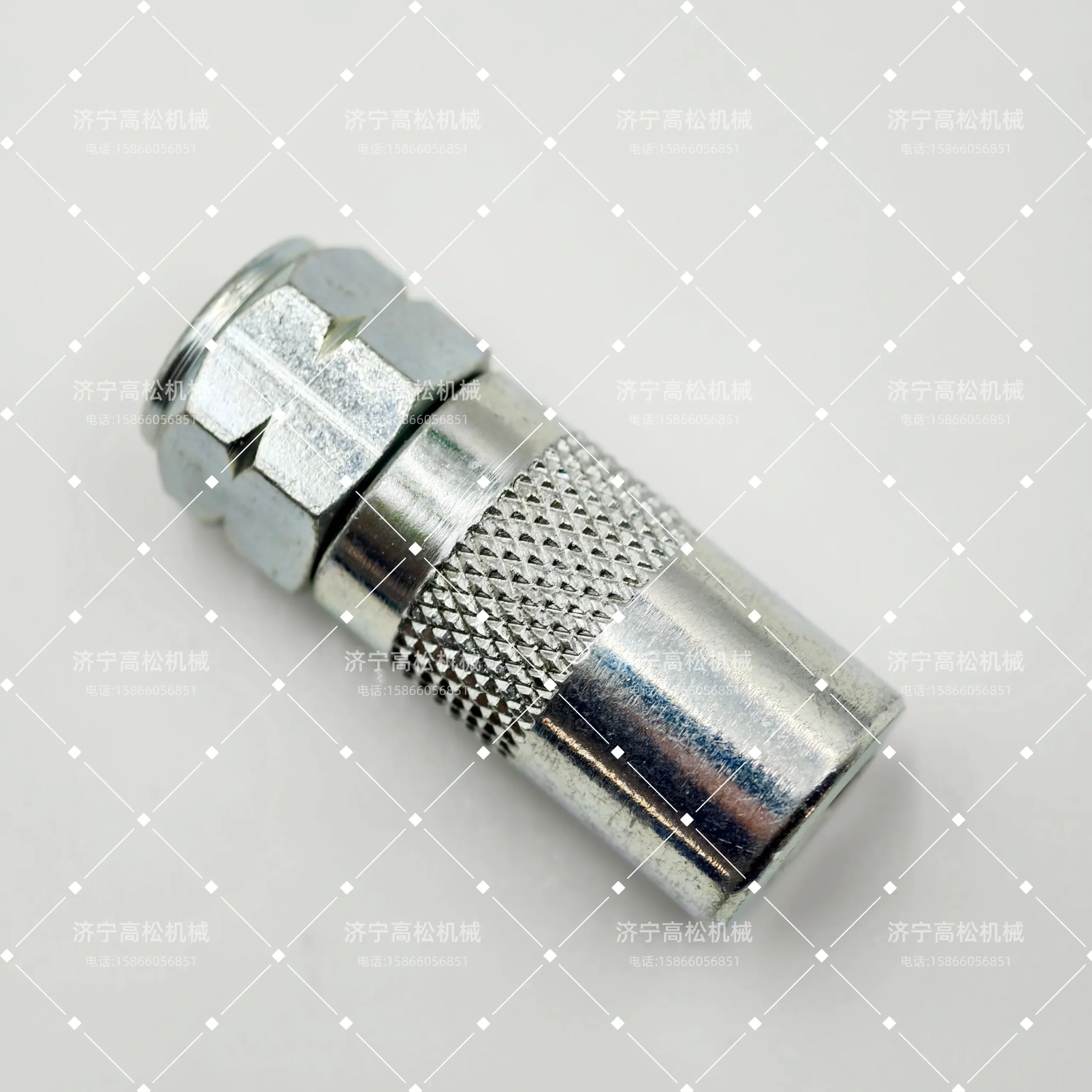 209-68-11640 Komatsu Coupling Assembly
 -
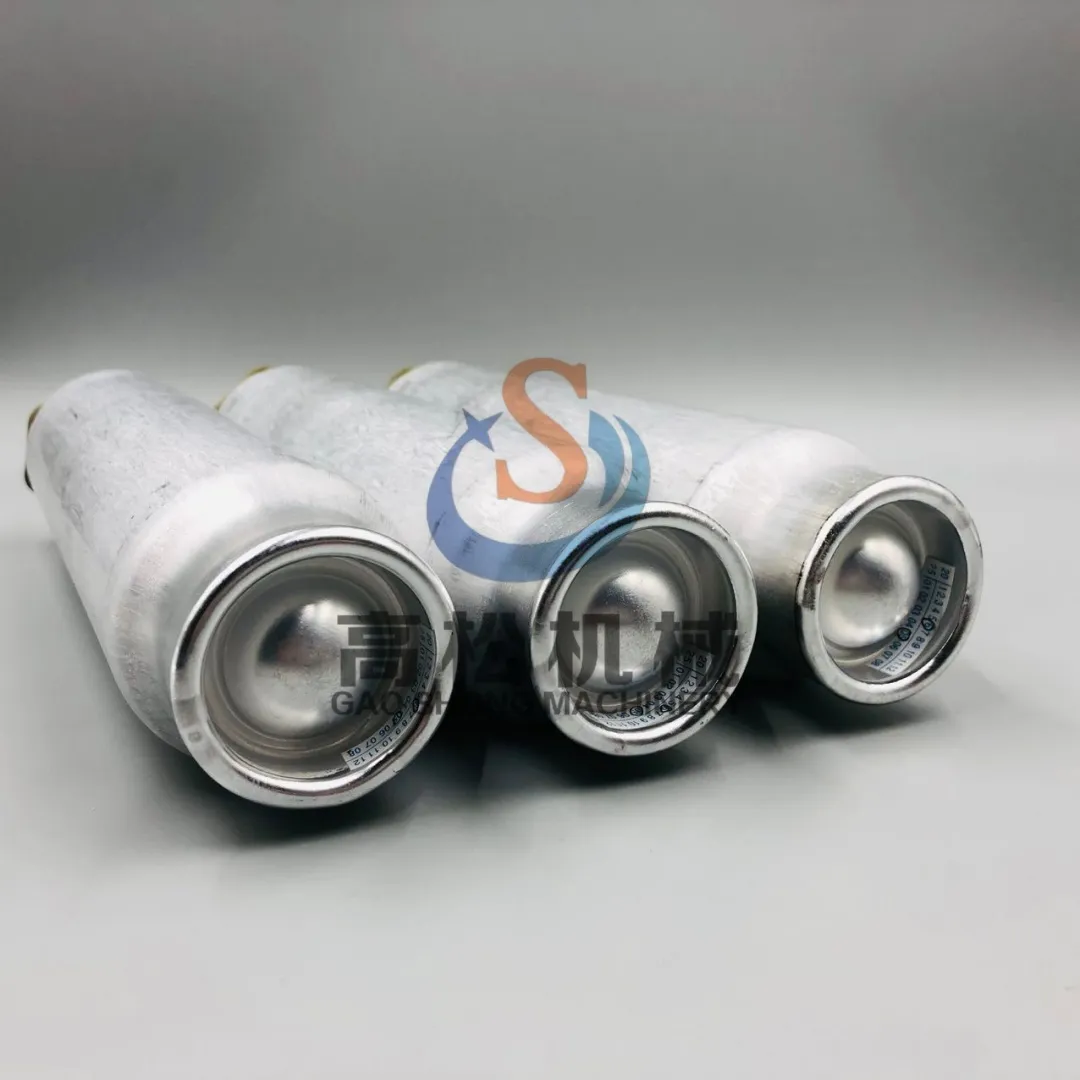 Receiver Drier 20Y-979-3120