
- Chinese
- French
- German
- Portuguese
- Spanish
- Russian
- Japanese
- Korean
- Arabic
- Irish
- Greek
- Turkish
- Italian
- Danish
- Romanian
- Indonesian
- Czech
- Afrikaans
- Swedish
- Polish
- Basque
- Catalan
- Esperanto
- Hindi
- Lao
- Albanian
- Amharic
- Armenian
- Azerbaijani
- Belarusian
- Bengali
- Bosnian
- Bulgarian
- Cebuano
- Chichewa
- Corsican
- Croatian
- Dutch
- Estonian
- Filipino
- Finnish
- Frisian
- Galician
- Georgian
- Gujarati
- Haitian
- Hausa
- Hawaiian
- Hebrew
- Hmong
- Hungarian
- Icelandic
- Igbo
- Javanese
- Kannada
- Kazakh
- Khmer
- Kurdish
- Kyrgyz
- Latin
- Latvian
- Lithuanian
- Luxembou..
- Macedonian
- Malagasy
- Malay
- Malayalam
- Maltese
- Maori
- Marathi
- Mongolian
- Burmese
- Nepali
- Norwegian
- Pashto
- Persian
- Punjabi
- Serbian
- Sesotho
- Sinhala
- Slovak
- Slovenian
- Somali
- Samoan
- Scots Gaelic
- Shona
- Sindhi
- Sundanese
- Swahili
- Tajik
- Tamil
- Telugu
- Thai
- Ukrainian
- Urdu
- Uzbek
- Vietnamese
- Welsh
- Xhosa
- Yiddish
- Yoruba
- Zulu
- Kinyarwanda
- Tatar
- Oriya
- Turkmen
- Uyghur






engine komatsu pc200 7
When you hear 'Komatsu PC200-7', most guys think of a solid, no-frills 20-tonner. That's true, but it also leads to the biggest mistake: treating it like a simple, disposable machine. The -7 series, especially the later models, is a transition beast. It's not the old-school pure hydraulics of the -5 or -6, and it's not the full electronic orchestra of the -8. That in-between status is what makes sourcing parts for it today such a specific headache. You can't just throw any old valve block at it and hope.
The Core of the Matter: Not Just Another Dash-7
Let's be clear. The PC200-7's reputation for reliability is earned, but it's conditional. The heart of it, the SAA6D107E-1 engine, is a tank if you keep up with the fuel system. I've seen these engines run past 15,000 hours with original internals, but always on machines that had meticulous, regular filter changes. The moment you get lazy with fuel quality, the injection pump starts talking back. It's not a catastrophic failure, usually. It starts with a slight power loss, a hiccup at full rpm under load. Many operators mistake it for a general 'aging' issue and just live with it, which is a shame because addressing it early is relatively straightforward.
The real nuance is in the hydraulic system's evolution. Komatsu was phasing in more electronic control here. The pumps are still primarily hydraulic servo, but the control logic is starting to get smarter. This means the pump itself might be fine, but the sensors feeding it data—the angle sensors, the pressure transducers—start to drift. You'll get codes, but often vague ones. Swapping out the entire pump assembly is a $15k knee-jerk reaction I've witnessed too often. Sometimes, it's just a $200 sensor and a calibration run with the diagnostic tool, which a lot of smaller shops don't have.
This is precisely where the ecosystem matters. You need parts that understand this hybrid nature. Generic aftermarket hydraulic components? They might bolt on, but the performance curve will be off. The machine will feel sluggish, or the fuel efficiency will drop. It's not broken, it's just... not right. That's the subtlety with the -7.
The Real-World Parts Scramble: A Case from Ghana
I remember a call from a site manager in West Africa. They had three PC200-7s down with similar hydraulic issues—weak swing torque, slow travel on slopes. The local market was flooded with cheap, pattern-made parts. They'd replaced swing motors, travel motors, you name it. Thousands spent, problem persisted. The frustration was palpable over the phone.
The root cause, after we dug into it, was none of those major components. It was a cluster of pilot pressure relief valves and clogged screen filters in the pilot line circuit. Years of marginal hydraulic fluid and infrequent pilot filter changes had choked the system. The cheap replacement parts they used had different spring rates and flow specs, throwing the entire low-pressure control side out of whack. The fix wasn't glamorous: a full pilot system flush, genuine Komatsu filters, and the correct, spec-matched relief valves. It was a fraction of the cost they'd already burned through.
This is the daily reality in many regions. There's no shortage of parts; there's a shortage of correct parts. And the diagnostic chain often jumps to the most expensive conclusion first. For a model like the PC200-7, which is often worked hard in remote places, this mismatch between available parts and actual need is a constant operational tax.
Where OEM-System Suppliers Fit In
This is why companies operating within the Komatsu system, but with flexibility, become critical. Take Jining Gaosong Construction Machinery Co., Ltd., for instance. Their setup is interesting. As an OEM product supplier within Komatsu's own network, they have access to the genuine parts pipeline and the engineering specs. But by also acting as a third-party sales channel, they can navigate around the official distribution bottlenecks that sometimes leave certain countries in a lurch.
Their approach, as I understand it from dealing with them on a few component orders, isn't just about moving boxes. It's about understanding that a PC200-7 in a mining operation in South America has different wear patterns and part failure modes than one on a urban development site in Southeast Asia. They can provide the genuine Komatsu part when it's non-negotiable—like an engine ECU or a final drive hub. But they can also offer a validated, high-quality alternative for components where an exact OEM spec is less critical, or where cost and lead time for the genuine part would cripple the project.
Their website, takematsumachinery.com, positions them as a problem-solver for parts supply challenges. That's the key phrase: solve parts supply challenges. It's not just sales. It implies a logistical and technical understanding of the gaps in the global market for machines like the PC200-7. For a fleet manager with a dozen of these aging but capable machines, that kind of partner is worth more than a catalog.
The Maintenance Mindset for an Aging Fleet
So, if you're sitting on a fleet of PC200-7s, what's the play? First, abandon the run it till it breaks model for critical systems. Proactive sampling of hydraulic fluid and engine oil is non-negotiable. The data doesn't lie. Second, build a relationship with a parts supplier who gets the model's quirks. Stock the common failure points that are model-specific: the pilot pressure switch, the swing gearcase seals (which have a different design than the -6), and the fan speed sensor.
Third, and this is often overlooked, document every repair. Not just replaced hydraulic pump, but which pump, what brand, what the serial number of the machine was, and what the symptom was. Over time, you'll see patterns. You might find that machines with a certain brand of aftermarket main control valve always develop a slight creep after 500 hours. That's gold. That's how you move from reactive to predictive, even with a 15-year-old machine.
The goal isn't to make it new again. It's to extract maximum, reliable productivity from a platform that's paid for itself ten times over. That requires smart parts strategy more than heroic repairs.
Final Thought: The -7's Niche
The Komatsu PC200-7 isn't the fanciest or the newest. But in the right hands, with the right support network, it's arguably one of the most cost-effective machines ever built. Its value now lies in its simplicity relative to what came after, but that simplicity is deceptive. It demands informed care. The parts challenge is real, but it's not insurmountable. It requires bypassing the noise of the generic aftermarket and finding sources that blend OEM pedigree with practical supply chain solutions. Companies that fill that niche, like Jining Gaosong, aren't just vendors; they're force multipliers for keeping these workhorses in the fight. In the end, the machine's longevity depends less on its iron and more on the intelligence of the system supporting it.
Related Products
Related Products

Best Selling Products
Best Selling Products-
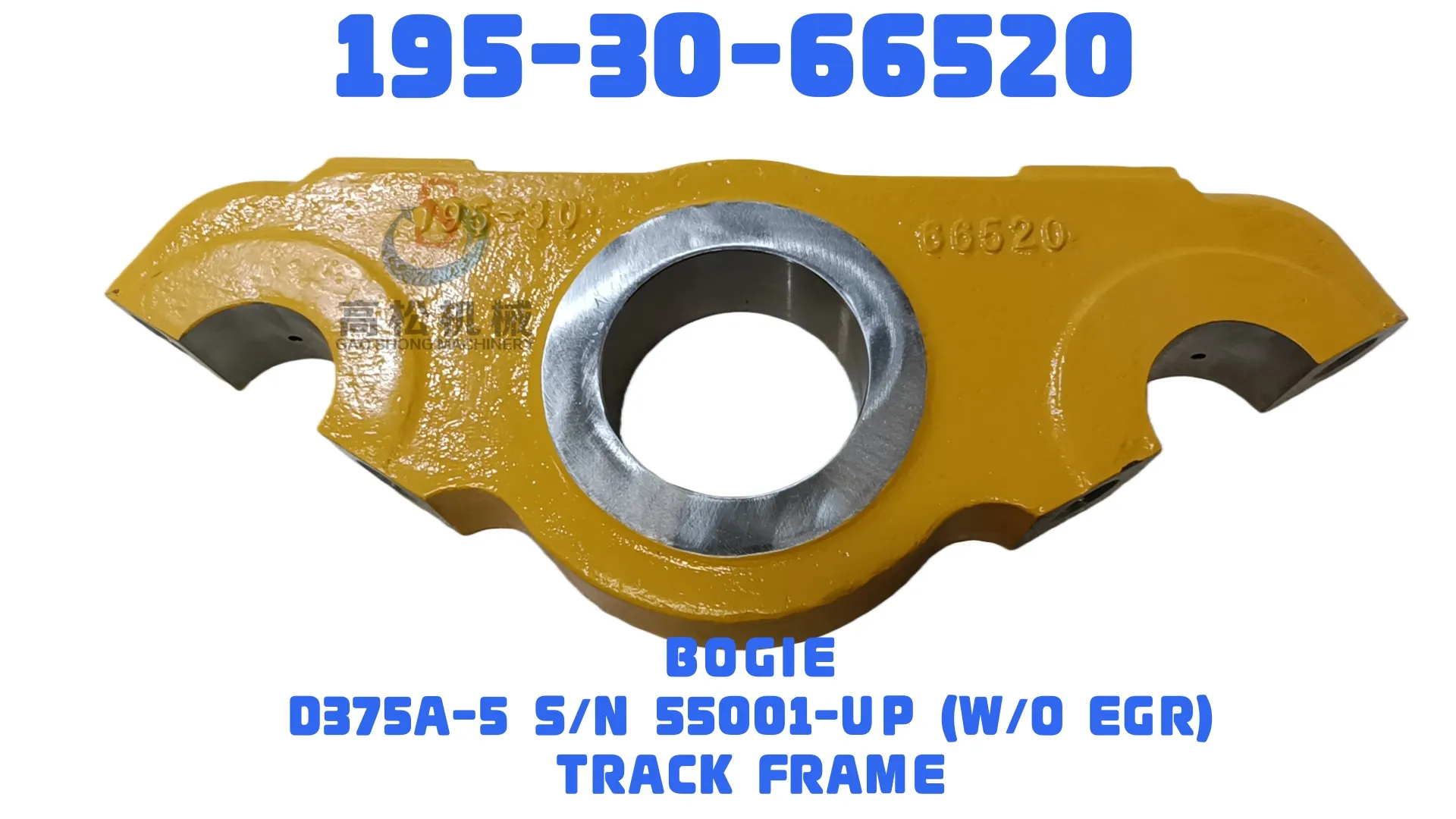 Komatsu Bogie Assembly, 195-30-66520 D375A-5 and D375A-5D TRACK FRAME, BOGIE
 -
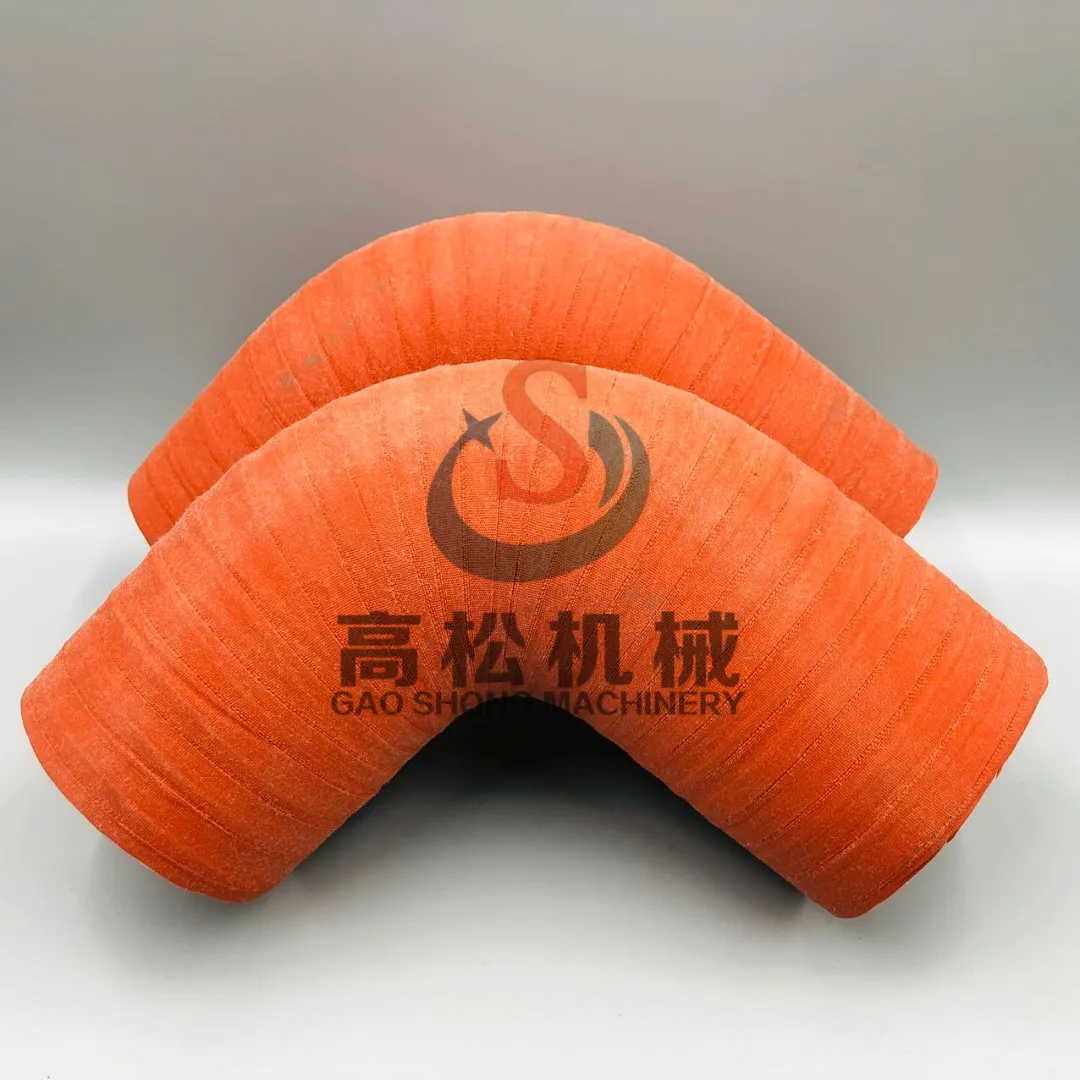 Hose 6743-11-4931 6743114931 Fits For Komatsu PC300 PC300HD PC340 PC350 PC360
 -
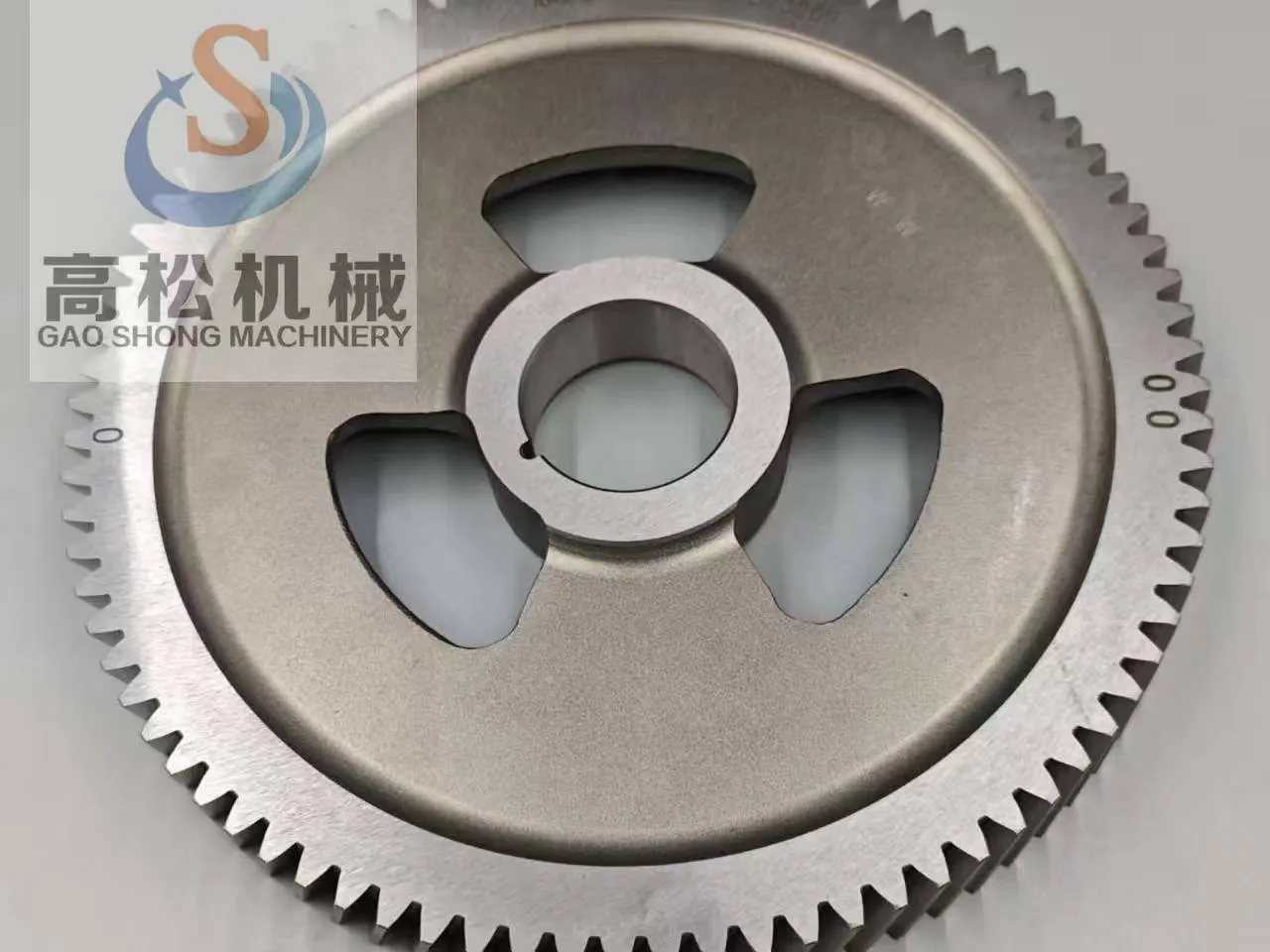 Gear 6745-41-1130 6745411130 6745-41-1131 for excavator PC300 PC350 WA430
 -
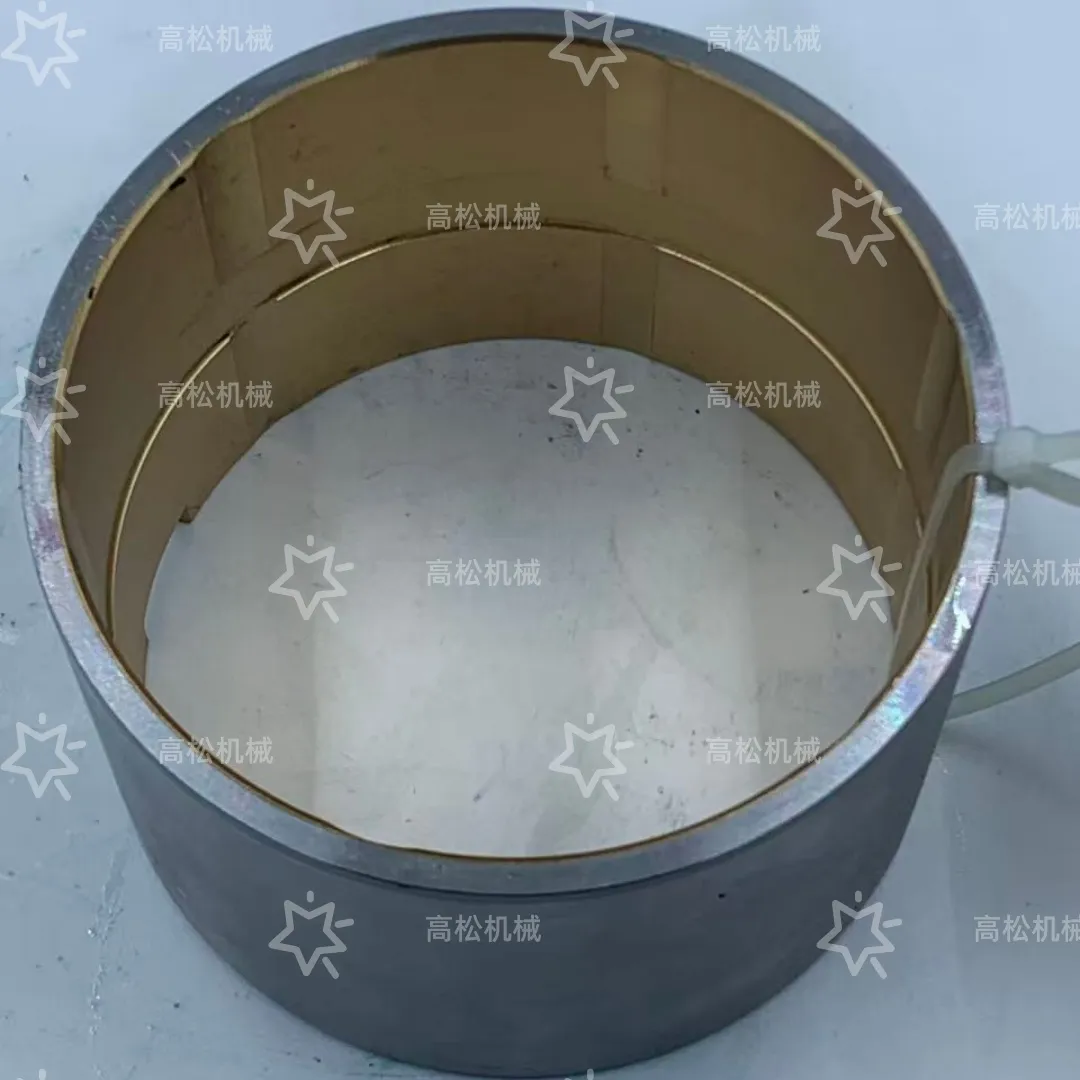 Bulldozer D375A-1 Bushing 195-61-41160 1956141160
 -
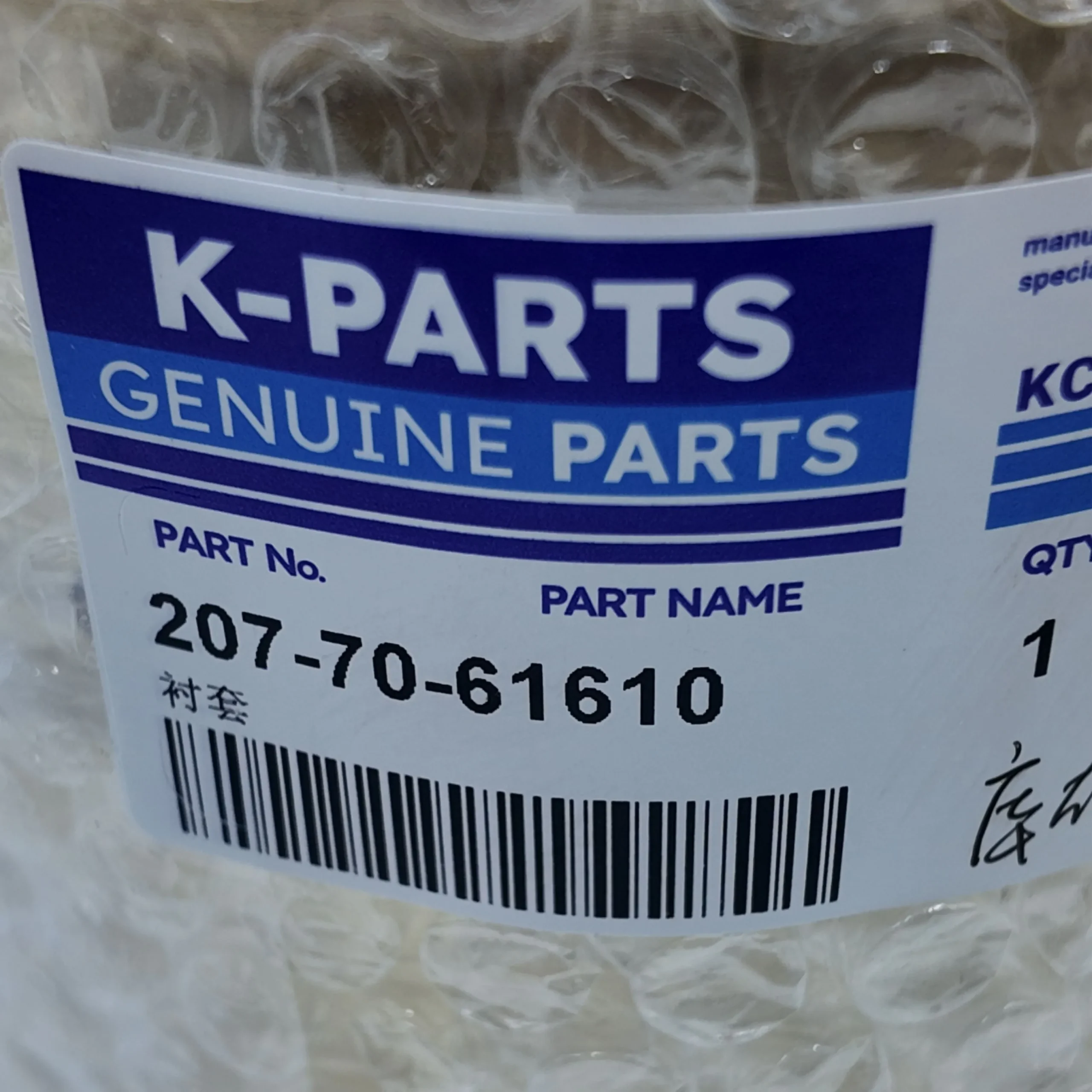 207-70-61610• BUSHING Komatsu Original Factory
 -
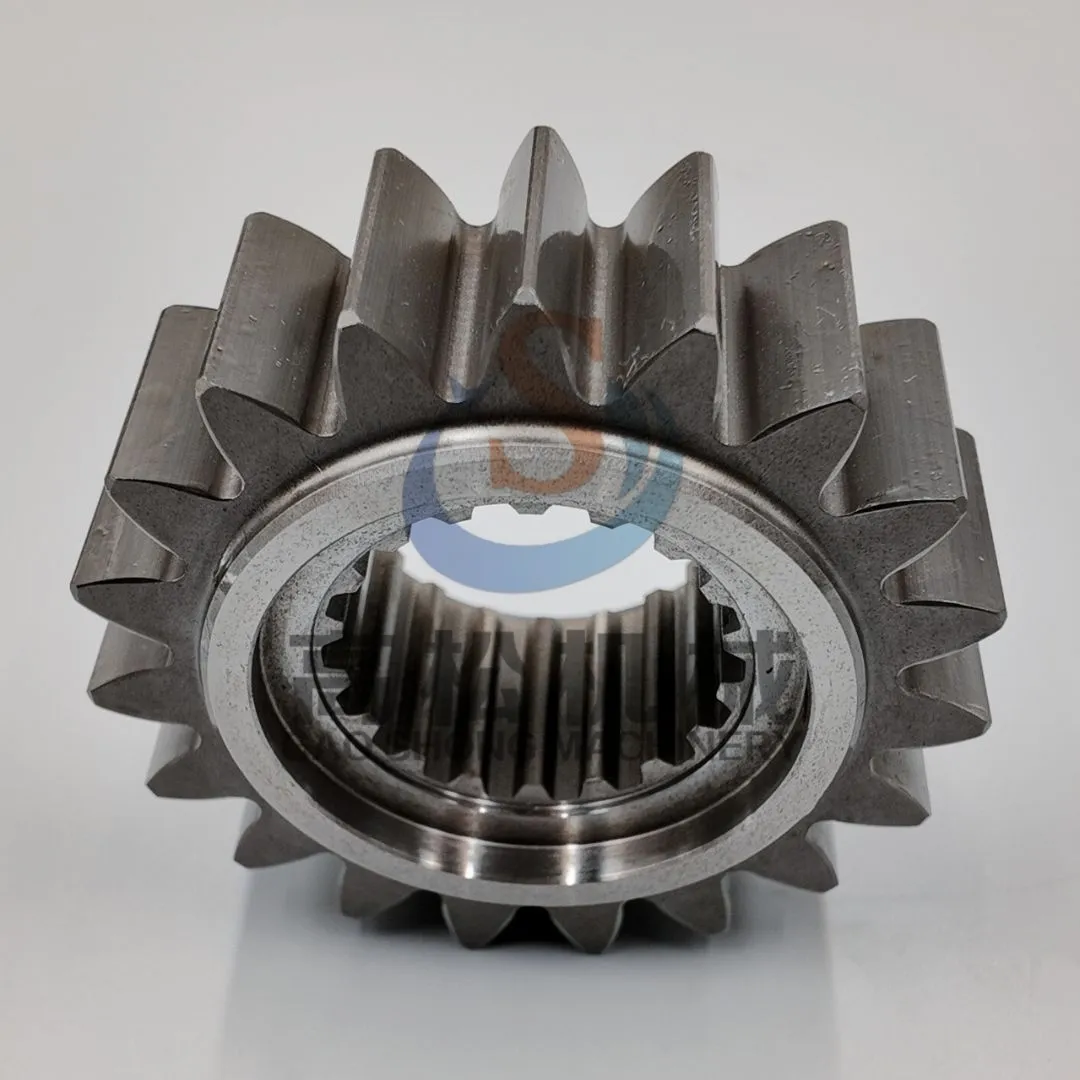 GEAR 207-26-71510 – KOMATSU
 -
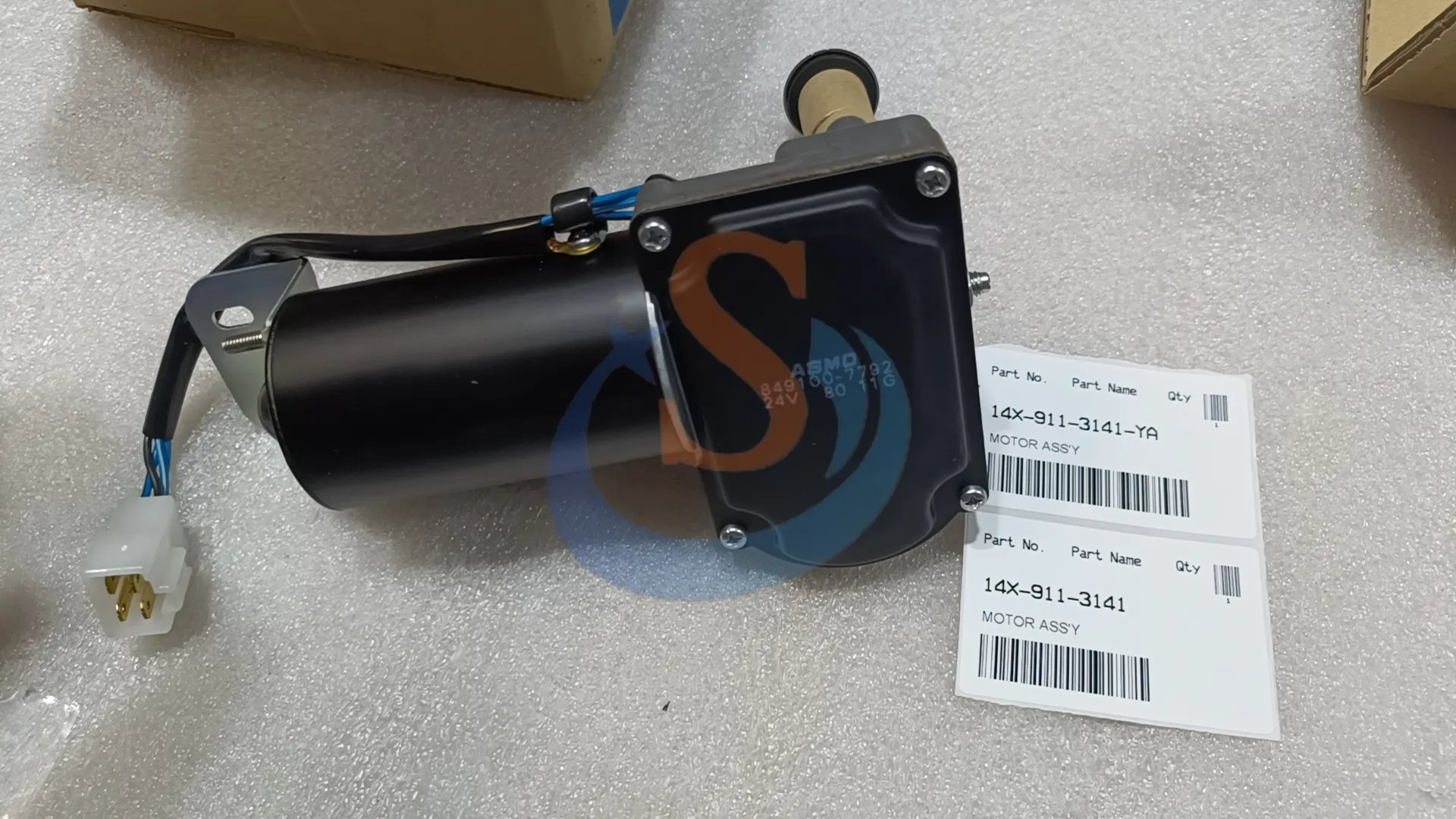 14X-911-3141,WIPER MOTOR ASS’Y,D155A,D375A,D65PX
 -
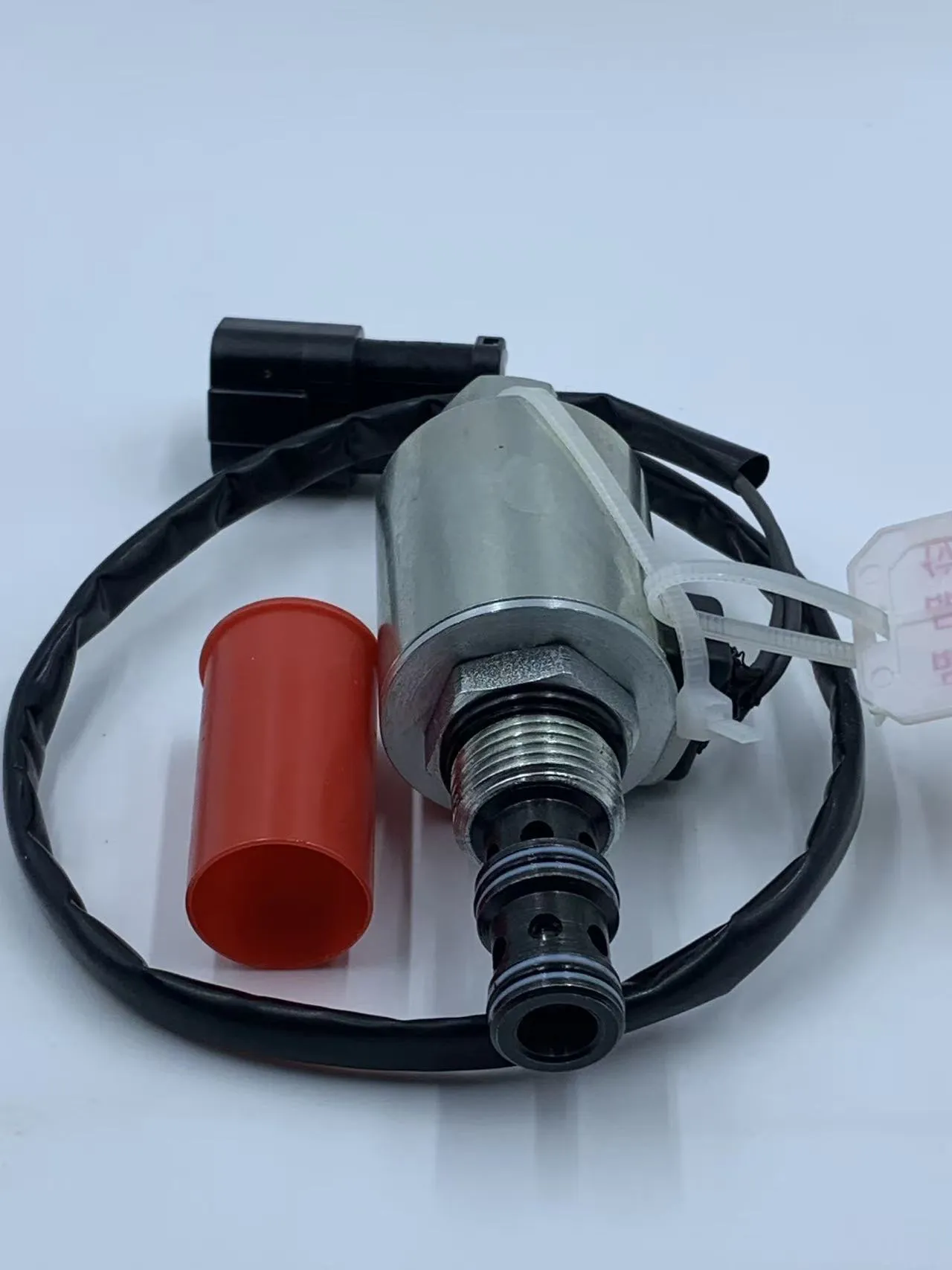 New Rotary Pump Solenoid Coil 20Y-60-11713 for Komatsu… | eBay
 -
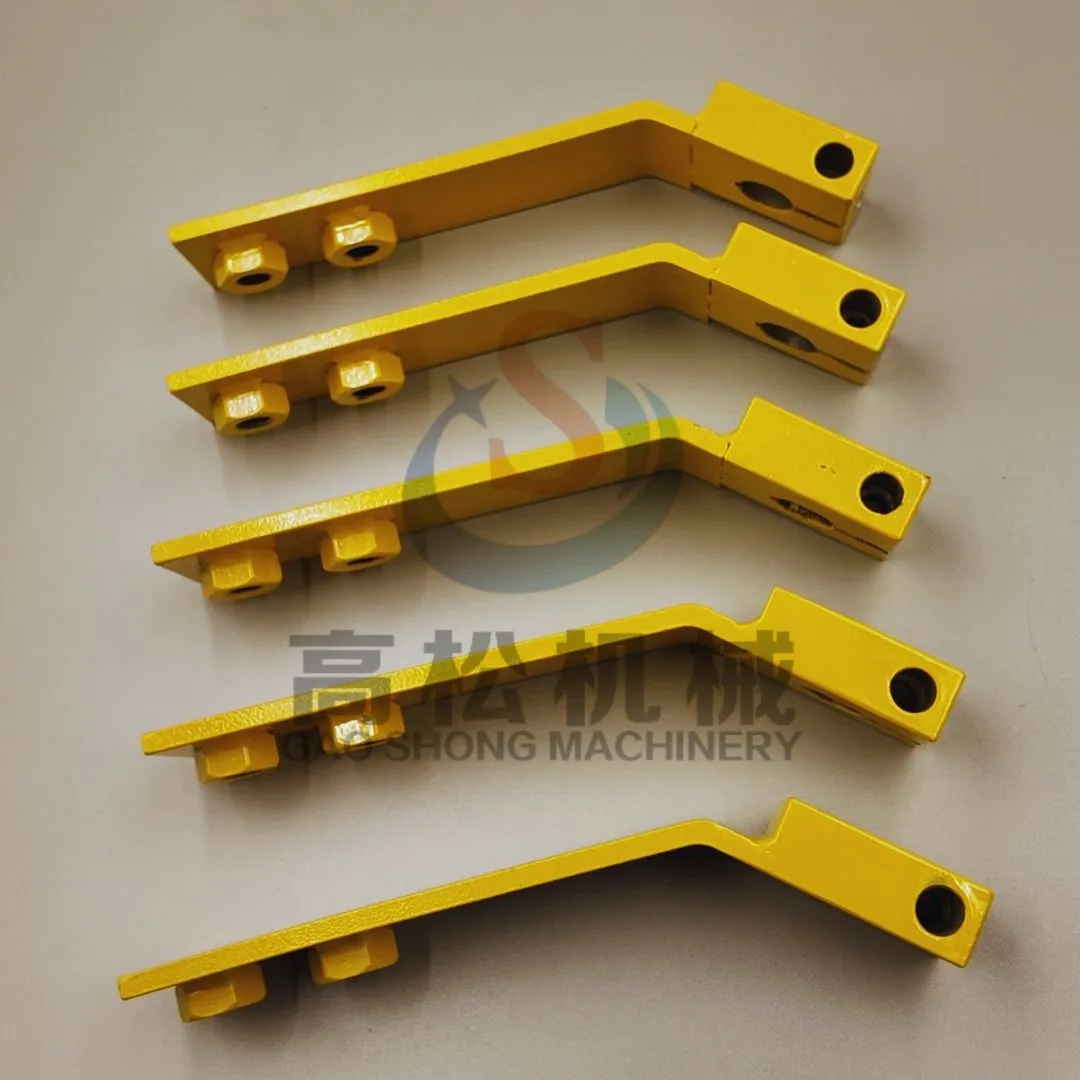 KOMATSU 566-86-6K430 BRACKET
 -
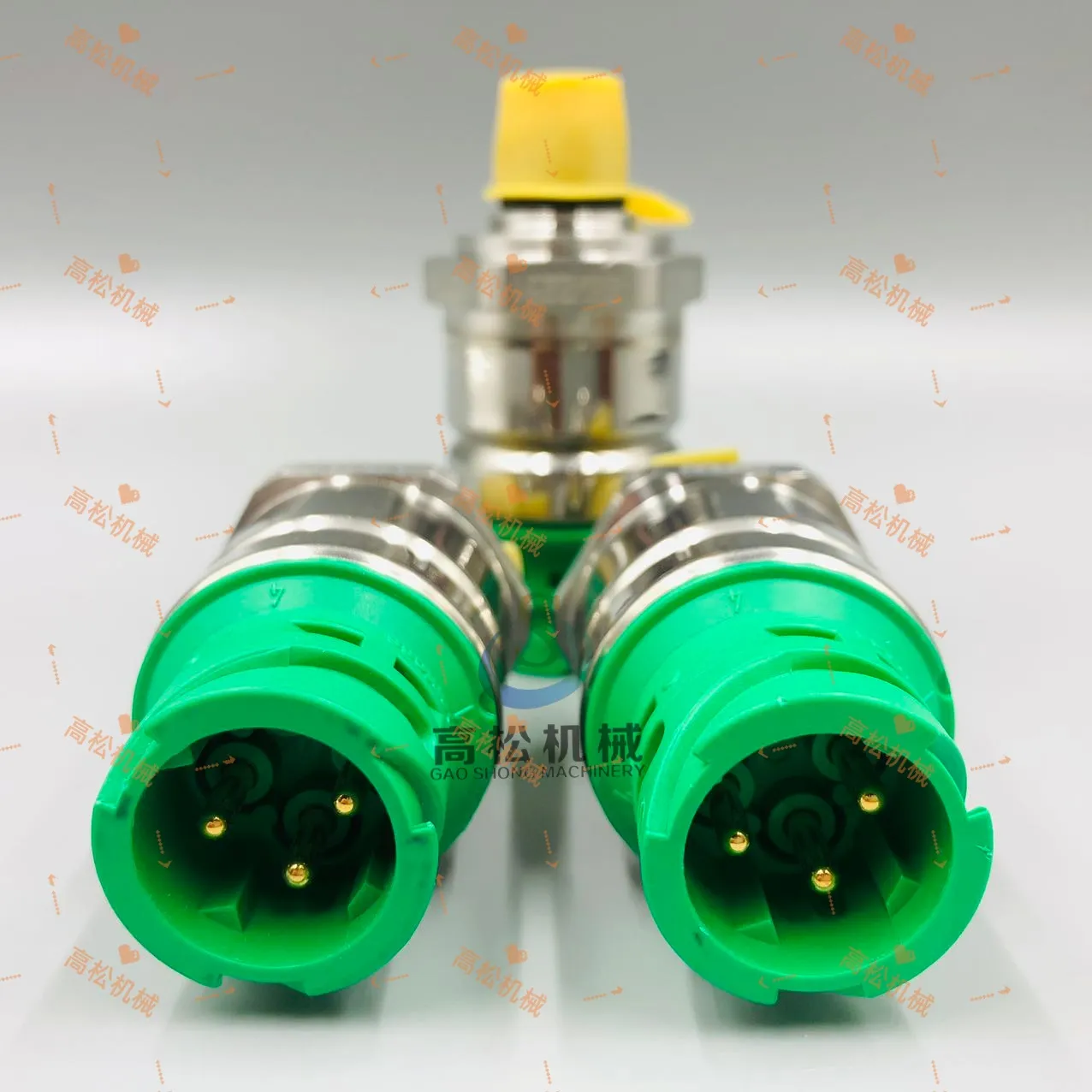 Pressure Sensor for Komatsu HM400 SAA6D140E WA500 6560-61-7201 6560617201
 -
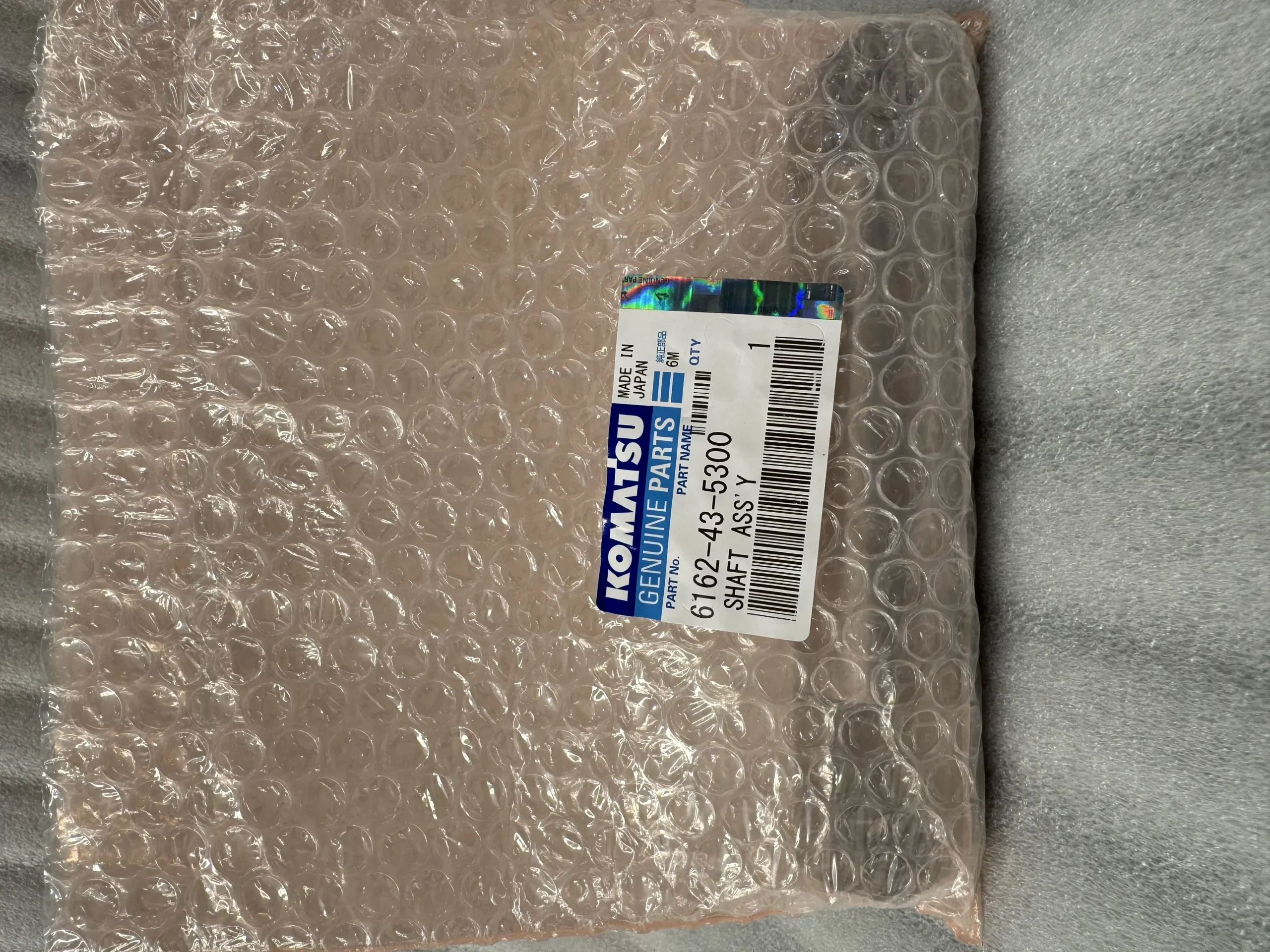 6D170-2 rocker arm shaft 6162-43-5300
 -
 HD785-7 Temperature Sensor 6219-11-8810