
- Chinese
- French
- German
- Portuguese
- Spanish
- Russian
- Japanese
- Korean
- Arabic
- Irish
- Greek
- Turkish
- Italian
- Danish
- Romanian
- Indonesian
- Czech
- Afrikaans
- Swedish
- Polish
- Basque
- Catalan
- Esperanto
- Hindi
- Lao
- Albanian
- Amharic
- Armenian
- Azerbaijani
- Belarusian
- Bengali
- Bosnian
- Bulgarian
- Cebuano
- Chichewa
- Corsican
- Croatian
- Dutch
- Estonian
- Filipino
- Finnish
- Frisian
- Galician
- Georgian
- Gujarati
- Haitian
- Hausa
- Hawaiian
- Hebrew
- Hmong
- Hungarian
- Icelandic
- Igbo
- Javanese
- Kannada
- Kazakh
- Khmer
- Kurdish
- Kyrgyz
- Latin
- Latvian
- Lithuanian
- Luxembou..
- Macedonian
- Malagasy
- Malay
- Malayalam
- Maltese
- Maori
- Marathi
- Mongolian
- Burmese
- Nepali
- Norwegian
- Pashto
- Persian
- Punjabi
- Serbian
- Sesotho
- Sinhala
- Slovak
- Slovenian
- Somali
- Samoan
- Scots Gaelic
- Shona
- Sindhi
- Sundanese
- Swahili
- Tajik
- Tamil
- Telugu
- Thai
- Ukrainian
- Urdu
- Uzbek
- Vietnamese
- Welsh
- Xhosa
- Yiddish
- Yoruba
- Zulu
- Kinyarwanda
- Tatar
- Oriya
- Turkmen
- Uyghur






engine komatsu pc200 6
When you hear 'PC200-6', a lot of guys immediately think 'reliable workhorse', and they're not wrong. But that broad label can hide the nuances that make or break a machine on a tough site. It's not just another 20-tonner; it's a specific generation with its own quirks, strengths, and a parts story that gets more complicated every year. I've seen too many people buy a dash-6 thinking it's all the same, only to get tripped up by a S6D102E engine difference or a later-model controller issue. The real experience with this model isn't in the brochure; it's in the dirt, the diagnostics, and the hunt for the right part when the local Komatsu dealer gives you a six-week lead time.
The Heart of It: The S6D102E and What You're Really Maintaining
Let's start with the power plant. The Komatsu PC200 6 famously uses the Komatsu S6D102E engine. Now, '102E' is key. Earlier PC200-5 models used the S6D105, and while they share a family resemblance, internals aren't always a direct swap. The 102E was a step in emission control for its time, nothing like today's Tier 4 final stuff, but it introduced Komatsu's own EGR and injection system. The reliability is legendary, but only if you're religious about the fuel. I've pulled apart pumps ruined by water-contaminated diesel in markets where fuel quality isn't a given. The lesson? A secondary filter/water separator isn't an optional extra; it's mandatory insurance.
Where people get caught is assuming all S6D102E parts are identical. Komatsu made running changes. The fuel injection pump on a mid-production dash-6 might have a different supplier (Zexel vs. Bosch) than an early or late one. If you're ordering a repair kit from a general catalog, you might get 90% right, but that 10% wrong seal or gasket means downtime. This is where having a source that understands these generational shifts is critical. It's not about having 'a' part; it's about having the correct part for your machine's serial number range.
Cooling system is another silent killer. The original radiators and oil coolers on these machines are now 15-20 years old. They don't typically fail catastrophically; they just get less efficient. You see creeping operating temps, especially under high ambient heat. The operator might not alarm until it's too hot. A proactive flush and core check every couple of years is cheap compared to an overheard head gasket or worse, a warped head. I always tell crews to watch the temp gauge in the afternoon sun—if it's consistently a needle-width higher, investigate.
The Hydraulic Character: Predictable, But With Age-Related Quirks
The hydraulic system on the PC200 6 is where you feel its age, and its quality. It's a load-sensing, open-center system that's beautifully simple by today's standards. The pumps are durable, but after 15,000+ hours, the swashplate wear can lead to slower cycle times and a general lack of 'snap'. It's gradual, so you might not notice until you put it next to a newer machine. The fix isn't always a full pump rebuild. Often, just cleaning or replacing the servo pistons and checking the LS control valve can restore a lot of performance. It's a diagnostic step many skip, going straight for the expensive option.
Then there are the O-rings and seals. Komatsu used high-quality nitrile from the factory, but time, heat, and modern bio-degradable hydraulic oils (which are more aggressive) take their toll. Weird, intermittent pilot pressure drops or 'soft' controls can often be traced back to a single, degraded O-ring in a control block. The schematic looks intimidating, but systematic testing—isolating circuits—usually finds it. Keeping a master O-ring kit for the main control valve is a smart move for any fleet running these.
A common failure point we see repeatedly is the swing gearcase. Not the motor itself, but the case where the planetary reduction is. The original breathers get clogged, pressure builds up, and eventually, it blows out a seal. Once that happens, dirt gets in, and it's a fast path to gear and bearing failure. It's a perfect example of a $5 preventative maintenance item (cleaning the breather) preventing a $5,000 repair. Every 250-hour service should include checking those breathers, not just the engine oil.
The Parts Puzzle and the OEM-Plus Solution
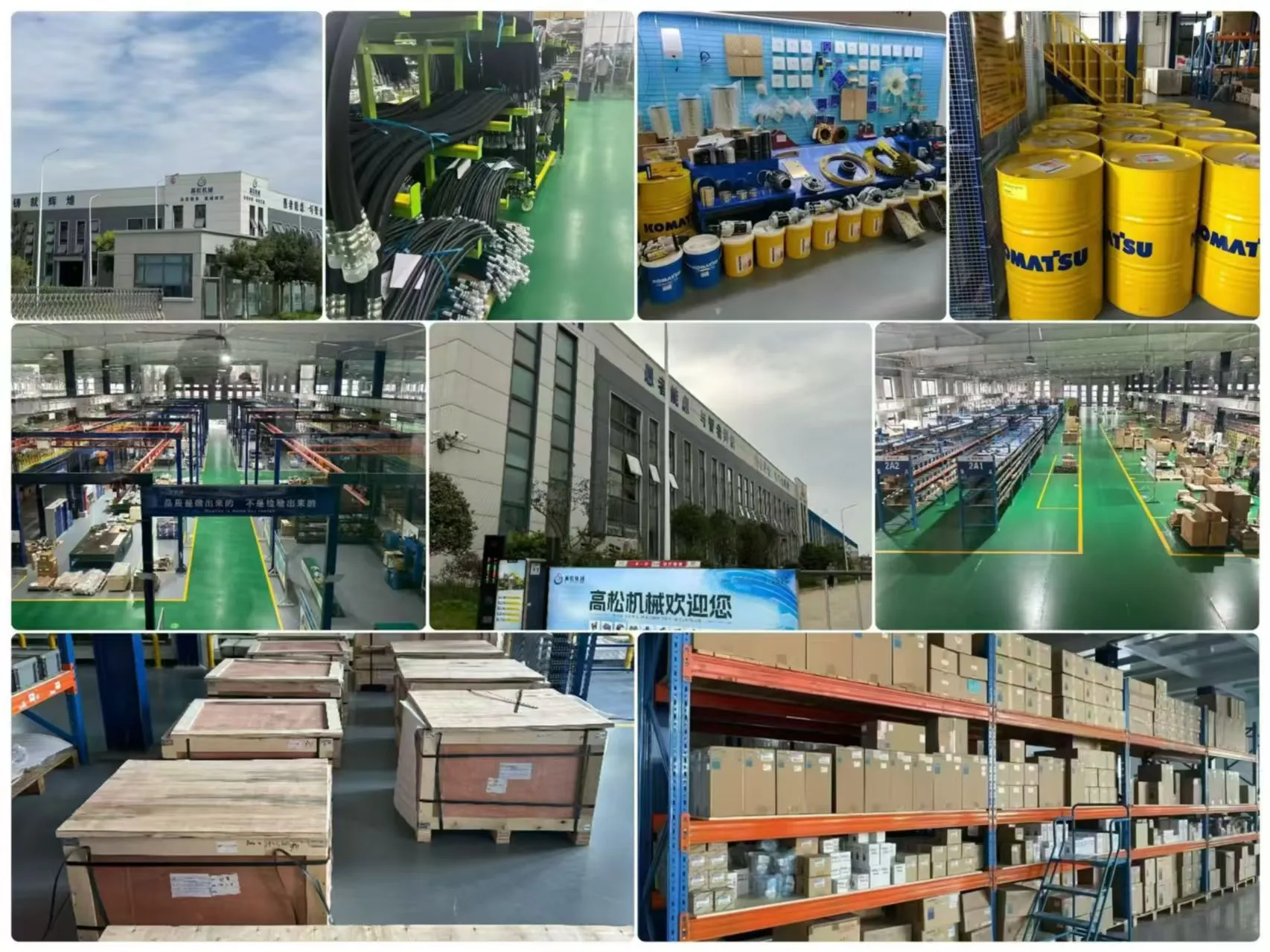
This is the reality for Komatsu PC200 6 owners today: genuine Komatsu parts are excellent, but for an aging global fleet, supply chain and cost are real hurdles. In some regions, the official channel might not stock older parts, forcing a long wait. This is where the role of specialized suppliers becomes operational, not just commercial. A company that operates as an OEM product supplier within the Komatsu system, like Jining Gaosong Construction Machinery Co., Ltd., fills a specific gap. They're not just an alternative; they're a parallel channel that understands the system from the inside.
What does that mean on the ground? It means they can often provide parts that are functionally identical to the OEM part—sometimes from the same original factory—but without the logistical bottleneck. Or, they can provide a vetted, high-quality aftermarket alternative for non-safety-critical components. Their stated goal of helping to solve parts supply challenges in certain countries isn't marketing fluff. I've seen it work. Needing a main hydraulic pump casing for a dash-6 in a remote location, the official lead time was 12 weeks. A supplier with direct OEM factory links had a compatible casting in 10 days. That's the difference between a machine down for a season and being back online.
It requires trust, of course. You're not buying from a random online store. You're relying on their technical judgment to know what is a suitable substitute and what must be genuine Komatsu. For example, I'd never compromise on engine internal components like pistons or crankshaft bearings—OEM only. But for a hydraulic hose assembly, a bracket, a seal kit, or even a refurbished controller with a correct serial number match, a reputable third-party source is a lifeline. Takematsu Machinery's model works because they sit in both worlds: they have the OEM pedigree to know the specs and the third-party flexibility to source solutions.
Controller and Electrical: The Achilles' Heel?
The electronics on the dash-6 are its most vulnerable point, simply due to age. The monitors, the engine controller (ECU), and the pump controllers are all 1990s-era tech. The good news is they're relatively simple compared to modern CAN-bus systems. The bad news is that capacitors dry out, circuit boards corrode, and connectors get brittle.
A classic failure is the monitor going blank or showing gibberish. Before you panic and order a $3,000 unit, check the main harness connectors behind the cab, especially the ground points. Corrosion there causes all sorts of phantom issues. Another is the ECU losing communication, throwing the machine into a limp mode. Often, it's not the ECU itself, but a failing sensor (like the throttle position sensor or the engine speed sensor) sending a bad signal that confuses it. A quality diagnostic tool that can read Komatsu codes is worth its weight in gold here.
Sourcing these electronic components is tricky. New-old-stock from Komatsu is astronomically expensive. The refurbished market is huge but variable in quality. A good supplier won't just sell you a refurbished monitor; they'll ask for your old one's part number and sometimes even the machine's serial number to ensure compatibility. There are subtle differences between models for different markets. This attention to detail separates a parts seller from a technical partner.
Final Take: Why the PC200-6 Endures
So why does the Komatsu PC200 6 remain so sought after? It's not nostalgia. It's a calculus of cost, capability, and repairability. For a lot of earthmoving and bulk excavation, you don't need the absolute highest efficiency or the lowest emissions. You need a machine that can work a 12-hour day, every day, and when it breaks, you can fix it without a software engineer. The dash-6 hits that sweet spot.
Its longevity now depends entirely on support. Not just the machine's design, but the ecosystem around it. That means mechanics who understand its systems, and parts channels that are responsive and technically accurate. It's why relationships with companies that have a foot in the OEM world, like the one described by Jining Gaosong, are becoming more important than ever. They're not replacing the dealer network; they're extending its effective life for a specific, aging asset class.
Owning and operating these now is about proactive, knowledgeable maintenance and having a smart sourcing strategy. It's knowing that the brake valve on the travel motor is a wear item, that the pilot pump loves clean oil, and that the right contact for a swing bearing can save you weeks. The PC200-6 isn't a museum piece; it's a tool. And like any good tool, it lasts as long as you can care for it and find the right pieces to keep it whole.
Related Products
Related Products

Best Selling Products
Best Selling Products-
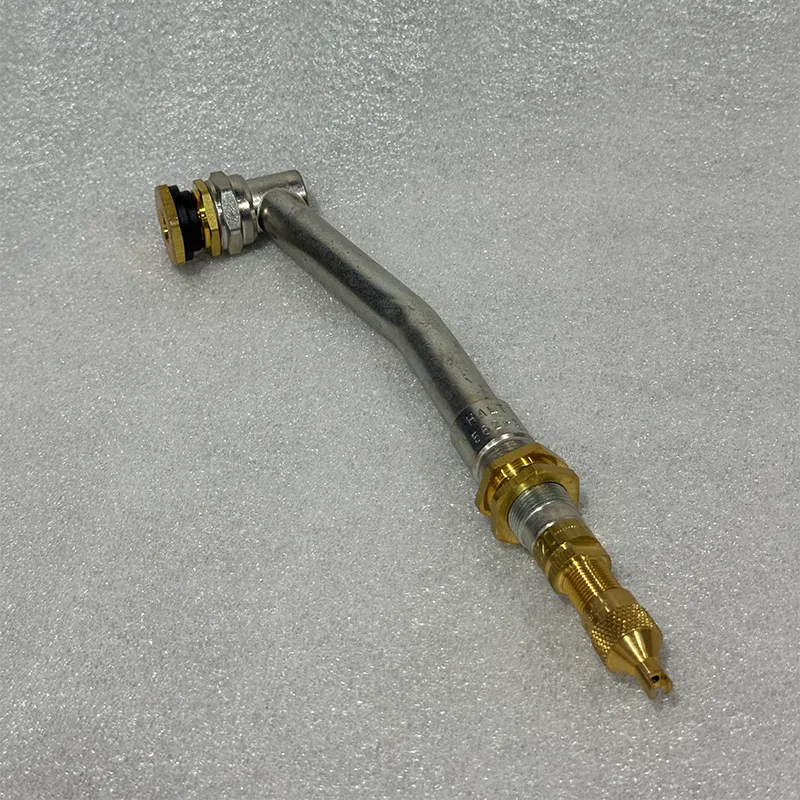 Original komatsu HD1500-8 Valve 562-30-3A210
 -
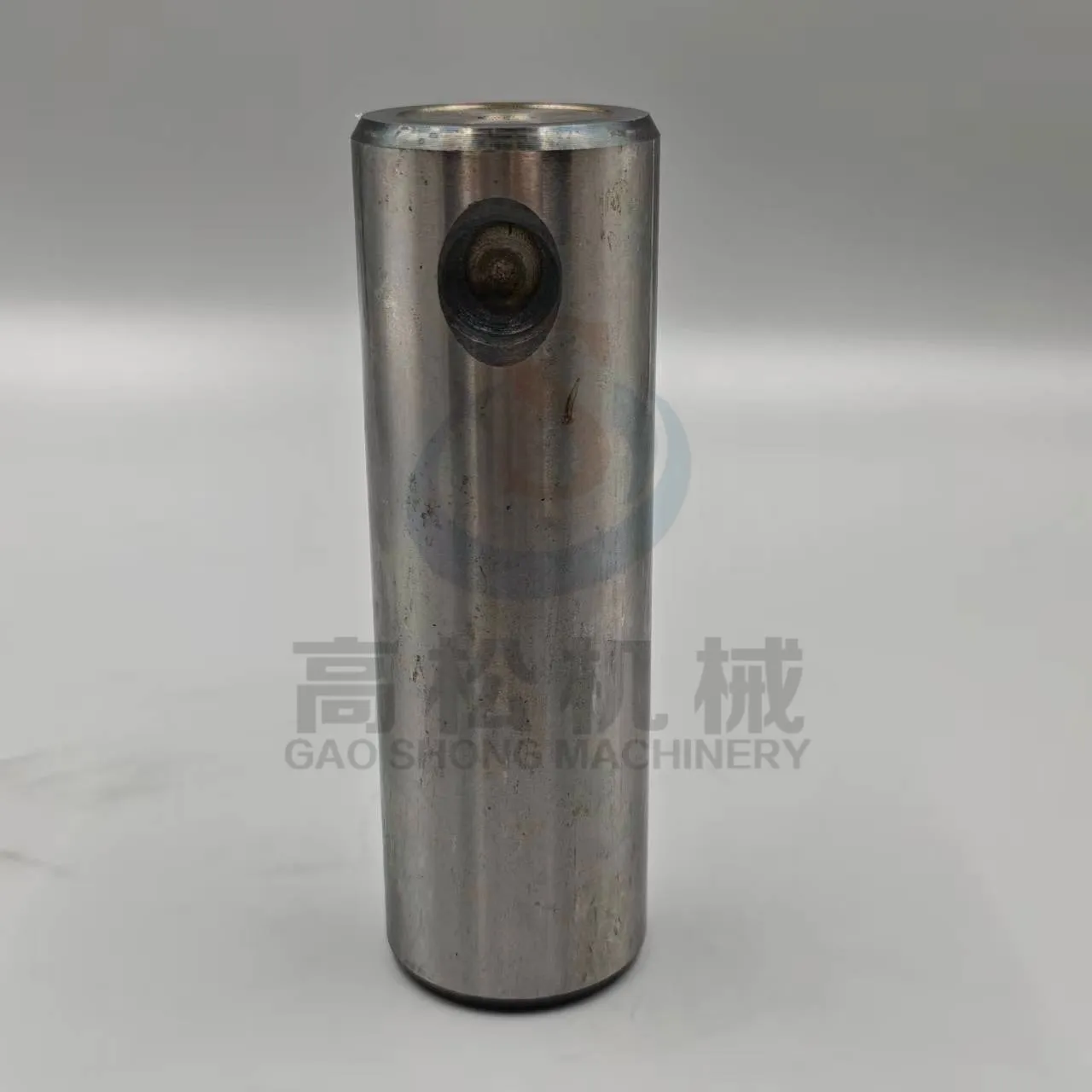 424-22-12510 Shaft (Komatsu)
 -
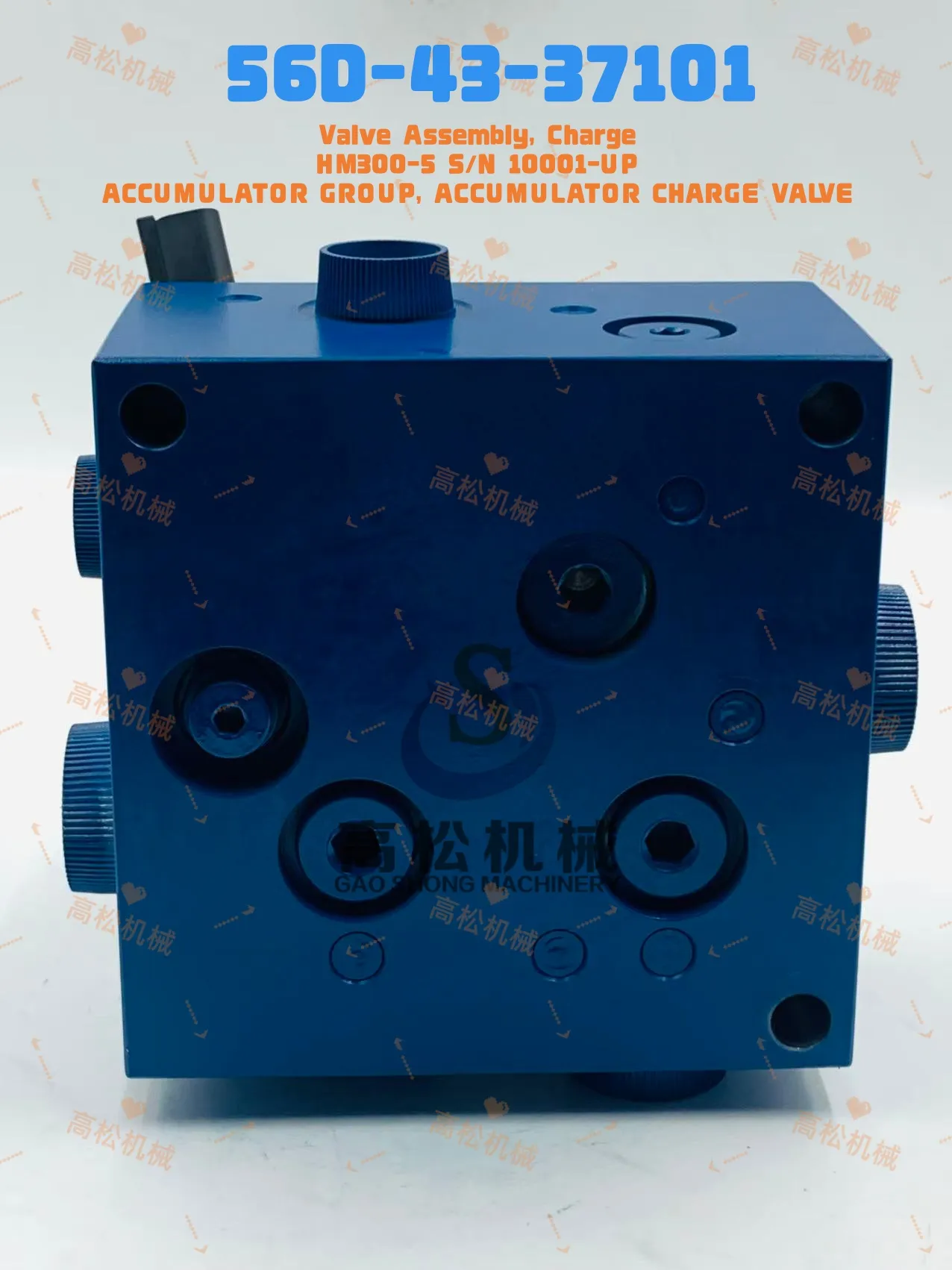 56D-43-37101 Valve Assembly, Charge for HM300 Komatsu Dump Truck Parts High Quality
 -
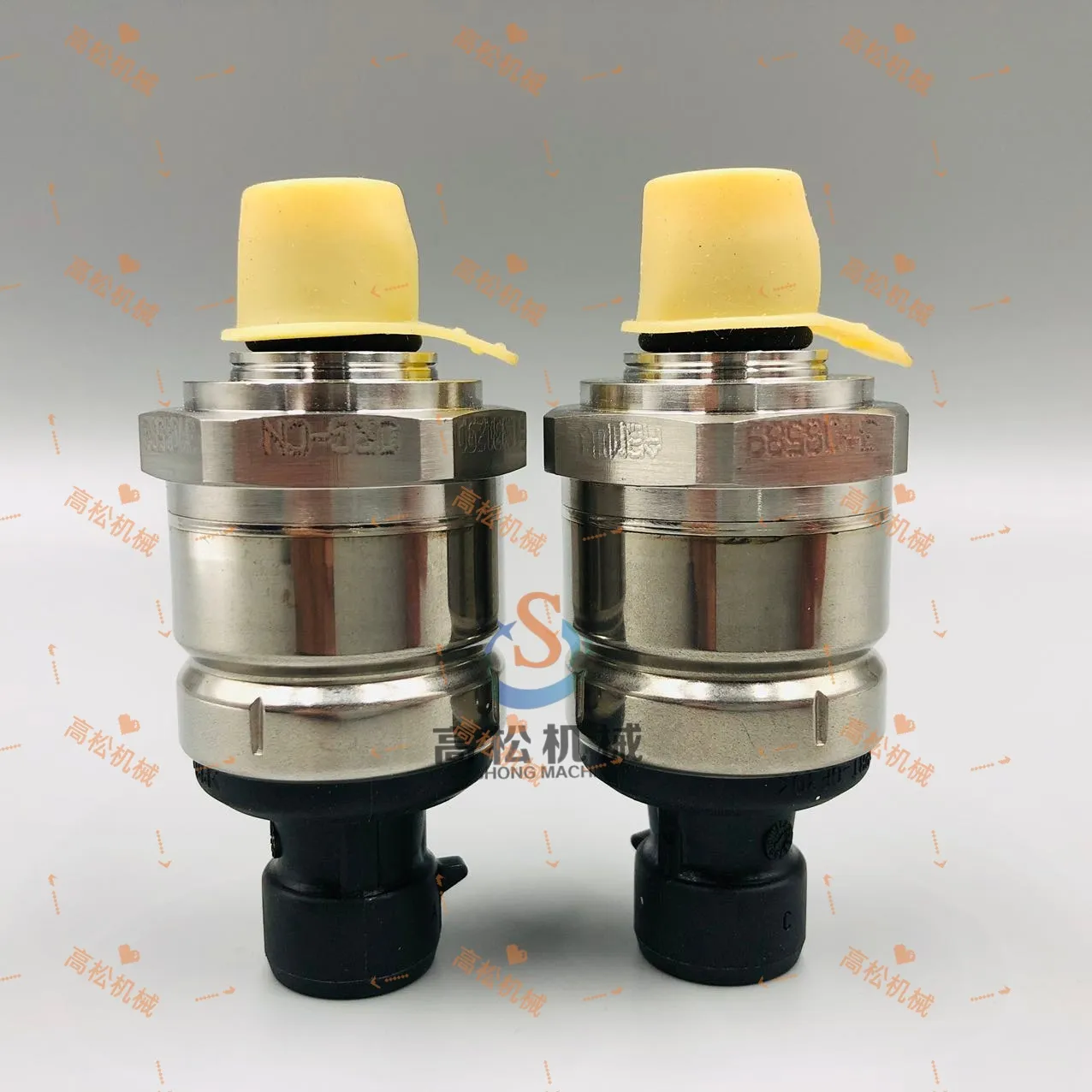 Pressure Sensor for Komatsu HM400 SAA6D140E WA500 6560-61-7201 6560617201
 -
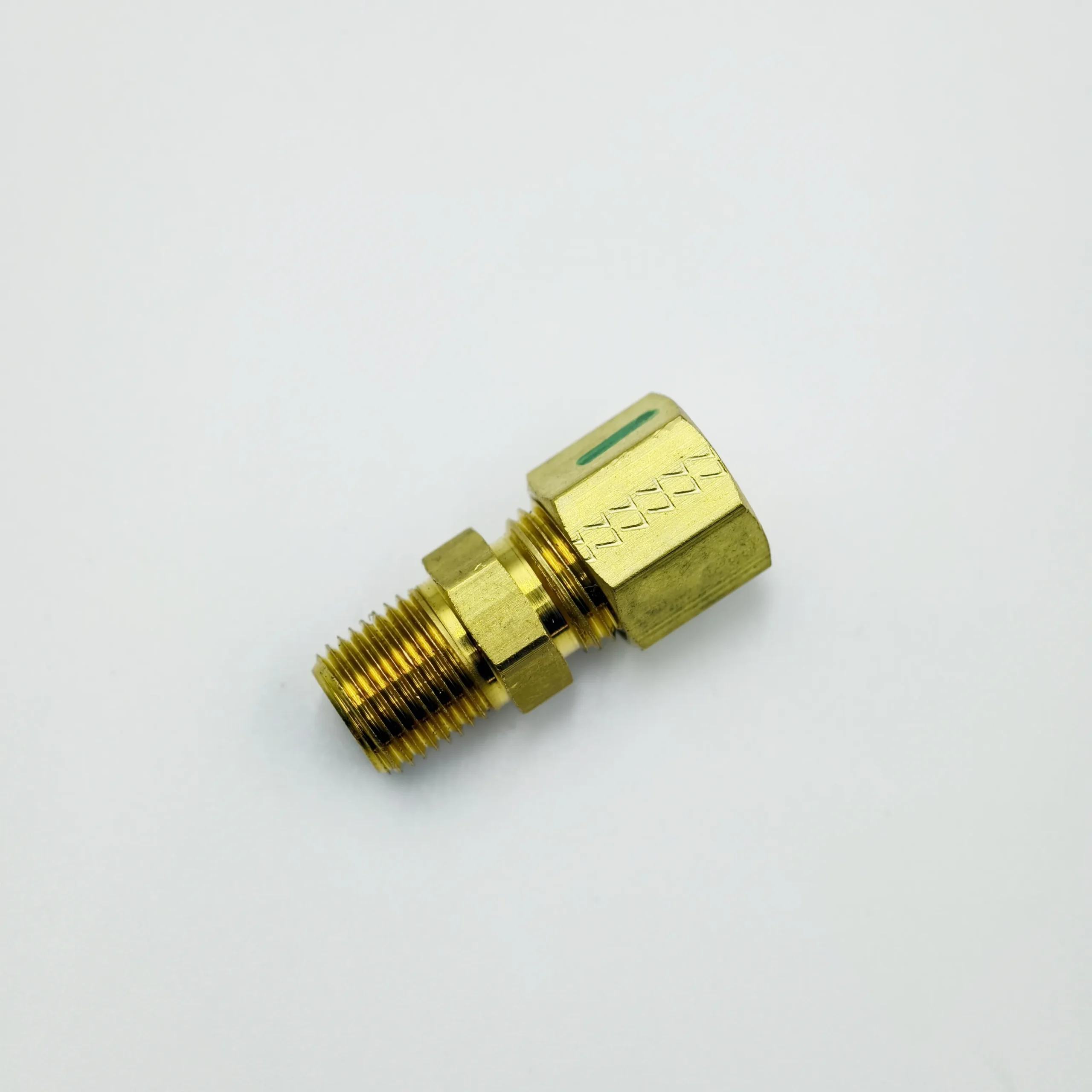 The PC1250SP-8 connector 21N-68-32320 is used for automotive grease in various countries ..
 -
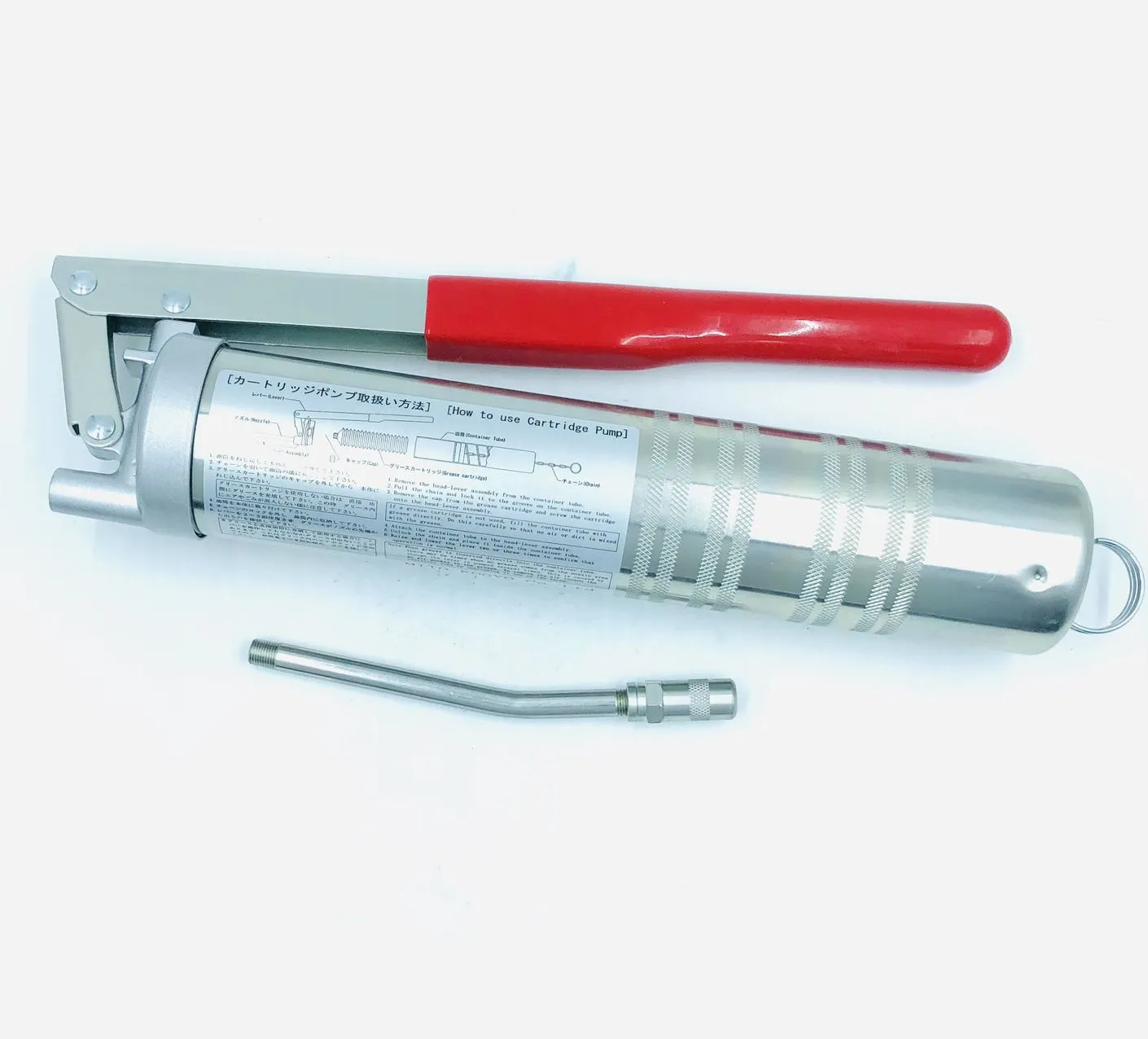 07952-70014- Pump Assembly-Komatsu Original Factory
 -
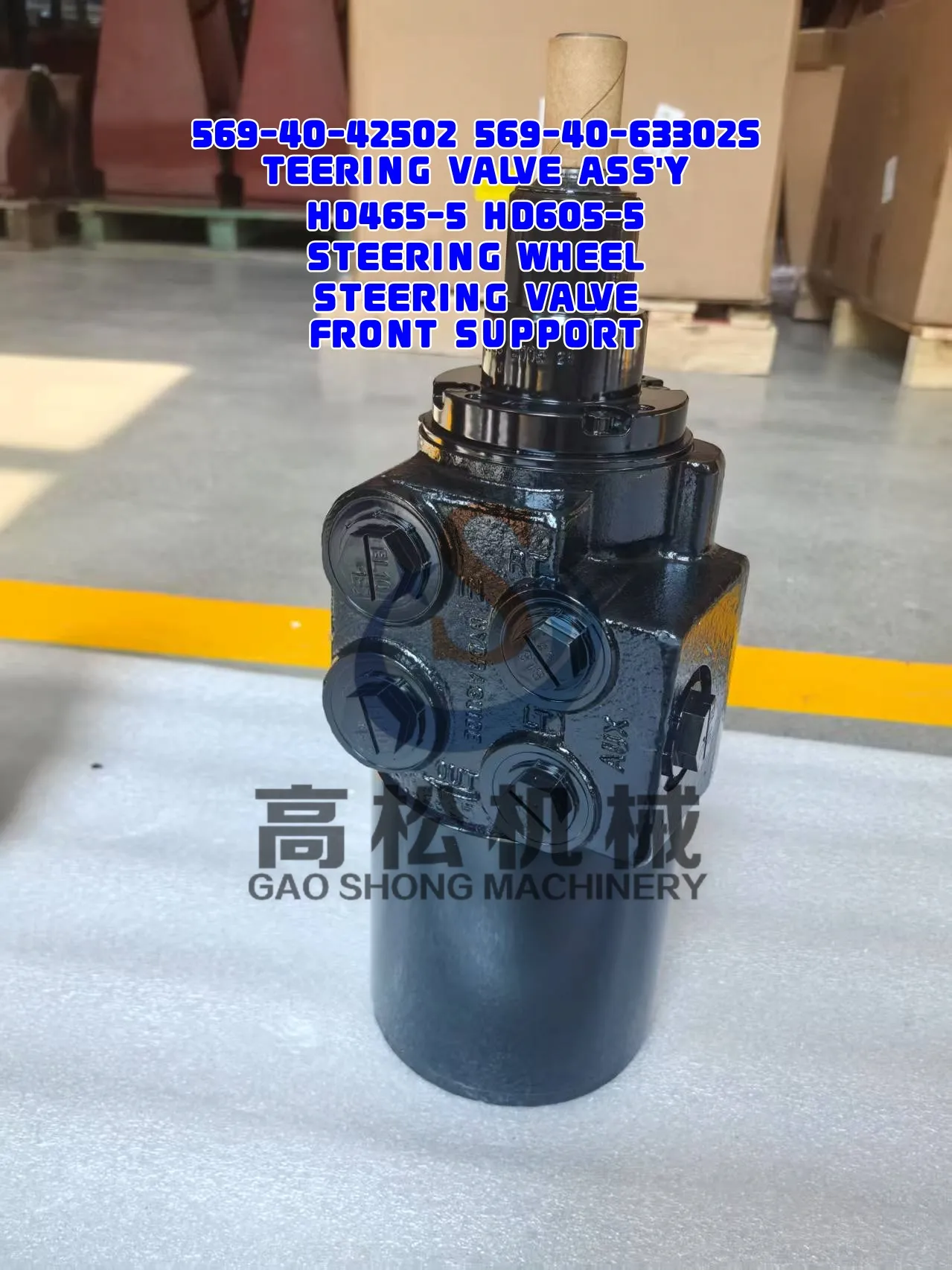 komatsu-part-569-40-42502 569-40-63302 STEERING VALVE ASS’Y HD465-5 HD465-7 HD465-7E1 HD465-7R HD465-7E0 HD605-7R HD605-5 HD605-7 HD465-7E0 STEERING WHEEL STEERING VALVE FRONT SUPPORT (STEERING VALVE MOUNTING PARTS)
 -
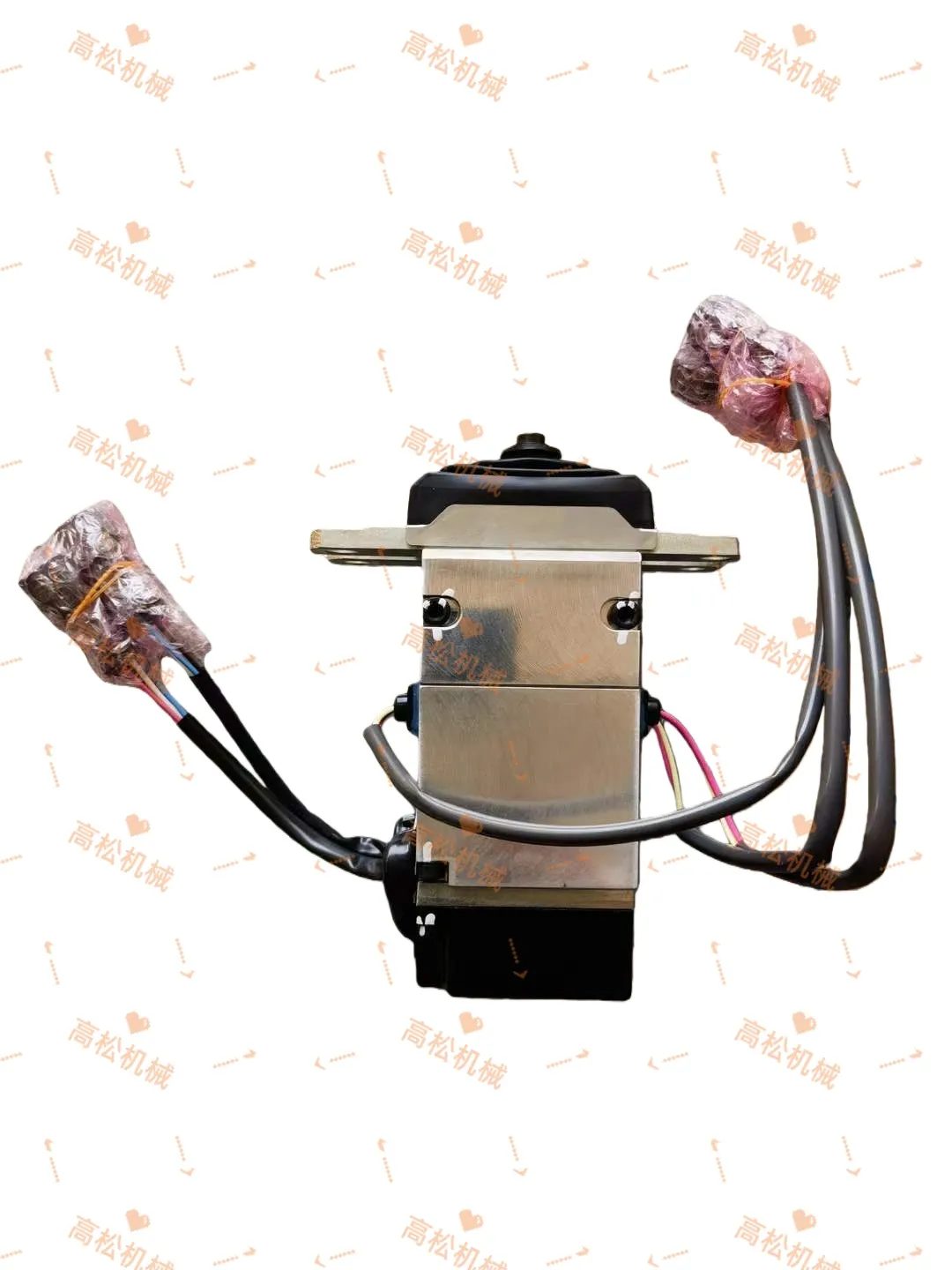 Komatsu Wheel loader machines WA500 WA480 WA470 702-16-02144 702-16-02143 Komatsu Control lever 702-16-02144 for Wheel loader WA480-5H
 -
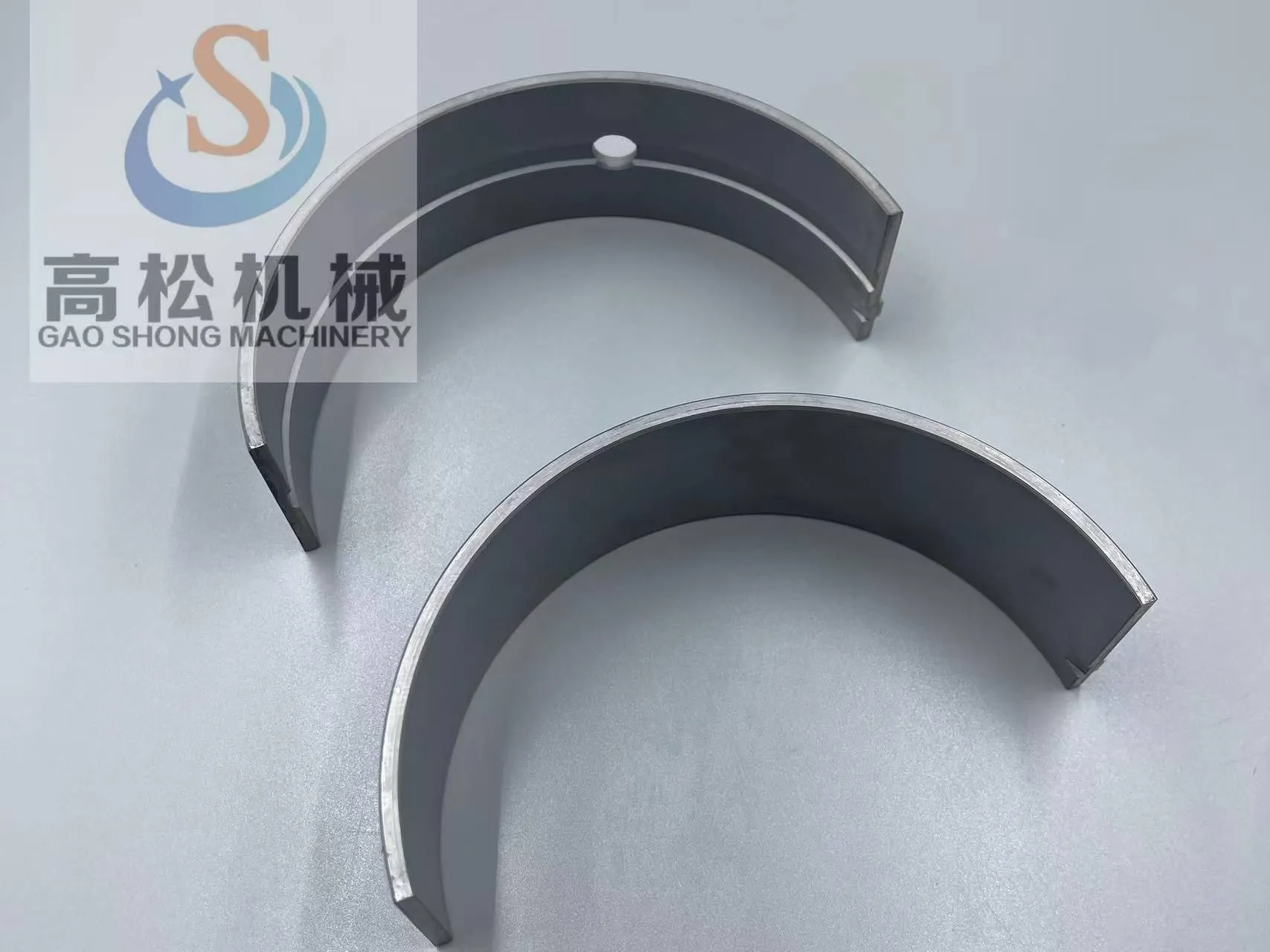 Main bearing of mechanical engine 6162-23-8010, applicable to S6d170 wheel loader, WA600 type Buildozer D375 engine
 -
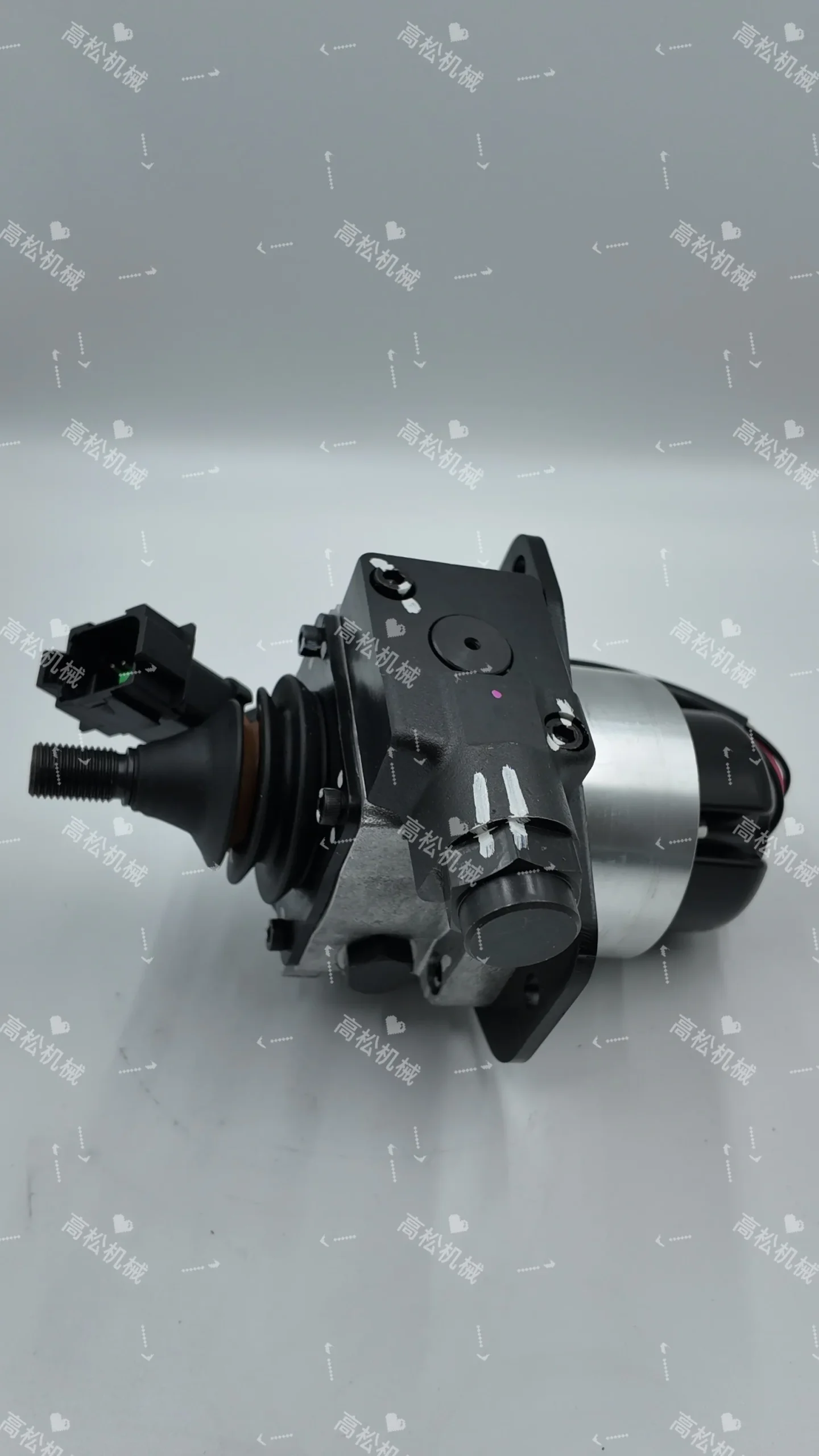 IMIFAFTAbT 702-16-02290 702-16-02210 Lever Assembly Fits for Komatsu D65EX-16 D65PX-16 D65WX-16 D275A-5R D155AX-6 Bulldozer
 -
 Heavy Machines Built to Last 799-101-5160 SOCKET for Komatsu…
 -
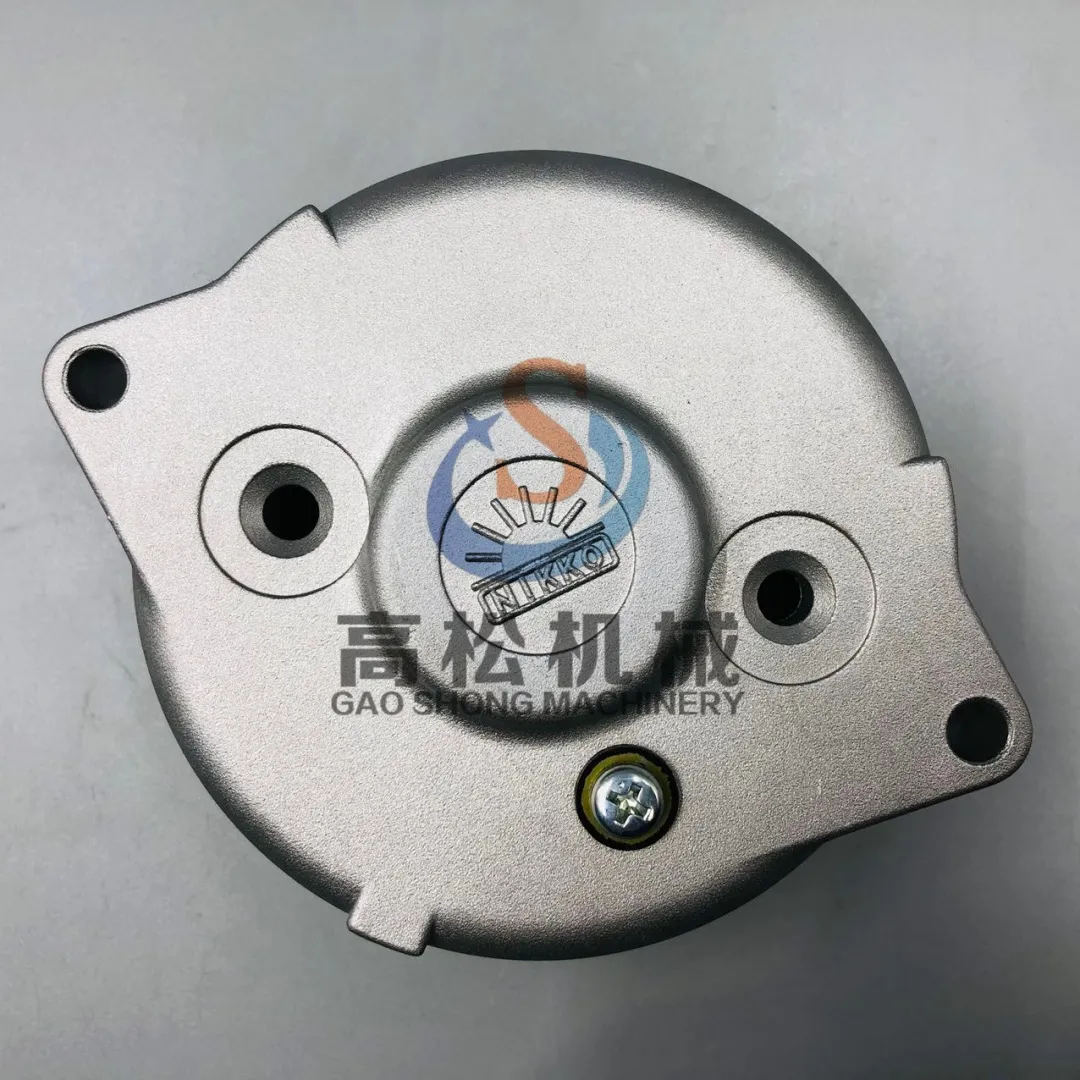 KD0-23700-0130 REAR BRACKET ASS’Y,REAR (Komatsu)
Related Search
Related Search- komatsu 125 engine
- OEM AND ORIGINAL KOMATSU SUPPORT 427-46-12122
- 6245-71-5141
- OEM AND ORIGINAL KOMATSU WIRING HARNESS 17A-06-21560
- OEM AND ORIGINAL KOMATSU WIRING HARNESS 427-06-22431
- Komatsu D375 parts
- komatsu fg25 parts
- Komatsu moldboard cutting edge
- 208-27-61210
- OEM AND ORIGINAL KOMATSU SHAFT 195-12-42121