
- Chinese
- French
- German
- Portuguese
- Spanish
- Russian
- Japanese
- Korean
- Arabic
- Irish
- Greek
- Turkish
- Italian
- Danish
- Romanian
- Indonesian
- Czech
- Afrikaans
- Swedish
- Polish
- Basque
- Catalan
- Esperanto
- Hindi
- Lao
- Albanian
- Amharic
- Armenian
- Azerbaijani
- Belarusian
- Bengali
- Bosnian
- Bulgarian
- Cebuano
- Chichewa
- Corsican
- Croatian
- Dutch
- Estonian
- Filipino
- Finnish
- Frisian
- Galician
- Georgian
- Gujarati
- Haitian
- Hausa
- Hawaiian
- Hebrew
- Hmong
- Hungarian
- Icelandic
- Igbo
- Javanese
- Kannada
- Kazakh
- Khmer
- Kurdish
- Kyrgyz
- Latin
- Latvian
- Lithuanian
- Luxembou..
- Macedonian
- Malagasy
- Malay
- Malayalam
- Maltese
- Maori
- Marathi
- Mongolian
- Burmese
- Nepali
- Norwegian
- Pashto
- Persian
- Punjabi
- Serbian
- Sesotho
- Sinhala
- Slovak
- Slovenian
- Somali
- Samoan
- Scots Gaelic
- Shona
- Sindhi
- Sundanese
- Swahili
- Tajik
- Tamil
- Telugu
- Thai
- Ukrainian
- Urdu
- Uzbek
- Vietnamese
- Welsh
- Xhosa
- Yiddish
- Yoruba
- Zulu
- Kinyarwanda
- Tatar
- Oriya
- Turkmen
- Uyghur






ebay komatsu parts
Let's be honest, when you type 'ebay komatsu parts' into a search bar, you're probably in one of two camps: desperately looking for a deal on a final drive seal for a PC200, or cautiously curious if the whole marketplace is just a graveyard of used, mislabeled, and frankly questionable components. I've been in both. The common misconception is that it's either a goldmine or a minefield. The reality, shaped by a decade of sourcing, is far messier and more nuanced. It's a tool, but one you need to know how to calibrate, or it'll blow up in your face—sometimes literally, if you're talking about hydraulic pumps.
The Allure and Immediate Red Flags
Why does anyone go to eBay for Komatsu parts in the first place? Speed and price, obviously. When a machine's down on a remote site and the local dealer quotes a six-week lead time and a number that makes your eyes water, eBay becomes tempting. You'll find listings for Genuine Komatsu ebay komatsu parts at 40% off dealer cost. Here's the first judgment call: if it seems too good to be true, it almost always is. Genuine is a legally slippery term. Is it OEM? Unlikely. Is it a high-quality aftermarket part that can pass for genuine? Maybe. Is it a counterfeit with Komatsu packaging? Happens more than you'd think.
I learned this the hard way years back with a set of solenoid valves for a Dash-8 series excavator. The seller had 99.8% positive feedback, photos looked right, price was 60% of OEM. Received them, packaging was flawless—until you compared the font on the label under a magnifying glass. Installed them, they worked for about 80 hours before erratic pilot pressure killed the controllability. The downtime cost eclipsed any savings. The feedback? Seller was gone. That's the core risk: accountability, or the lack thereof.
So, the initial filter isn't just about the part number. It's about the seller's narrative. Are they just a liquidator dumping old stock? A rebuilder selling cores? Or do they demonstrate actual system knowledge? I now look for listings that specify things like fits Komatsu SAA6D114E-3 engine rather than just for PC300. That tiny detail suggests a level of specificity that dropshippers usually ignore.
The OEM Shadow and the Third-Payer Bridge
This is where the conversation gets practical. The official Komatsu parts network is robust, but it has gaps—geographic and economic. In some regions, supply chains are thin, or tariffs make OEM parts prohibitively expensive. This creates the niche for legitimate third-party suppliers who aren't just eBay resellers but integrated players. They act as a bridge.
Take a company like Jining Gaosong Construction Machinery Co., Ltd.. Their stated role is instructive: an OEM product supplier within the Komatsu system, and also a third-party sales company for Komatsu, helping to solve parts supply challenges in certain countries. This isn't an eBay dropshipper. This describes a hybrid model. It implies direct access to OEM production lines for some components, and the authorized flexibility to distribute via alternative channels where the official network can't reach. If you browse their portal at https://www.takematsumachinery.com, you won't find the chaotic auction format of eBay. It's a catalog. This distinction is critical for professional buyers.
When I'm evaluating a source now, I check if they have this kind of dual identity. It signals a deeper entrenchment in the ecosystem. A seller just flipping parts on eBay won't have a website that talks about solving systemic supply challenges. They're solving their cash flow challenge. The entity that acknowledges the systemic gap is often closer to the real supply chain. It doesn't mean everything they sell is OEM, but their path to inventory is more traceable.
Sourcing Strategy: eBay as a Component, Not a Solution
I don't use eBay as a primary source. I use it as a reconnaissance tool and for non-critical, non-safety items. Need a cab interior trim piece, a seat cushion, or a vintage decal set for a restored dozer? eBay can be perfect. The risk is low. For engine components, hydraulic valves, or anything in the drive train? The calculus changes.
My process is layered. First, cross-reference the part number across Komatsu's online systems (if you have access) or reliable aftermarket catalogs. Then, search that number on eBay. The listing quality tells a story. Multiple sellers offering the same part with stock photos from Alibaba? Avoid. A single seller with actual photos of the physical part, maybe even showing OEM markings, and a coherent description of its origin (e.g., surplus from closed dealership) gets a closer look.
Here's a specific hack: I sometimes use eBay to find who the real sellers are. I find a well-listed part, then search the seller's business name off-platform. Often, they have a standalone site like the Takematsu Machinery one. Dealing directly there usually means better pricing, actual technical support, and a real invoice—bypassing the eBay fee overhead and buyer-protection theater. The eBay listing was just their advertisement.
The Criticality of Verification and Fitment Fallacy
Fits Komatsu PC220LC-8. This is the most dangerous phrase in ebay komatsu parts listings. Fitment is not compatibility. A bolt might fit a hole, but if it's the wrong grade, it shears under load. I've seen hydraulic hoses listed as fitting three different machine models; the ends might thread on, but the pressure rating or internal diameter could be wrong, causing overheating or failure.
Verification means going beyond the listing. It means having the machine's serial number breakdown, the specific sub-model, and knowing the revision history. Komatsu makes running changes. A pump for an early serial number PC360-8 might not work on a later one. eBay sellers rarely capture this nuance. This is where a supplier with OEM system knowledge proves its worth. They'll ask for the serial number. An eBay generic seller won't.
For electronic components (ECUs, monitors), buying on eBay is a near-total gamble unless it's a verified, tested pull from a salvage machine. Even then, programming can be an issue. I treat these as core at best purchases—meaning I'm only buying it if I'm willing to send it to a specialist rebuilder as a exchange unit.
Concluding Thoughts: A Tool in the Box
So, back to the original keyword: ebay komatsu parts. It's a search term that represents a need, often born of urgency or budget constraints. The professional approach isn't to dismiss it outright, but to deploy it with extreme prejudice. Use it for market intelligence, for non-critical items, and as a funnel to discover more substantial suppliers who happen to also list there.
The landscape is bifurcating. On one side, the anonymous, high-risk, high-volume marketplace. On the other, hybrid entities that use multiple channels, including their own B2B sites like Takematsu Machinery's, to provide a more stable link in the supply chain. Your goal shouldn't be to just find a part on eBay. Your goal should be to identify which type of source you're really dealing with, based on the evidence they present—their language, their specificity, their presence beyond the platform.
In the end, the part that arrives in a box, whether it's ordered from an eBay listing or a dedicated website, needs to keep a machine running reliably. That outcome depends less on the platform and more on the provenance and expertise of the human being on the other end of the transaction. That's the real filter no algorithm can fully apply for you.
Related Products
Related Products
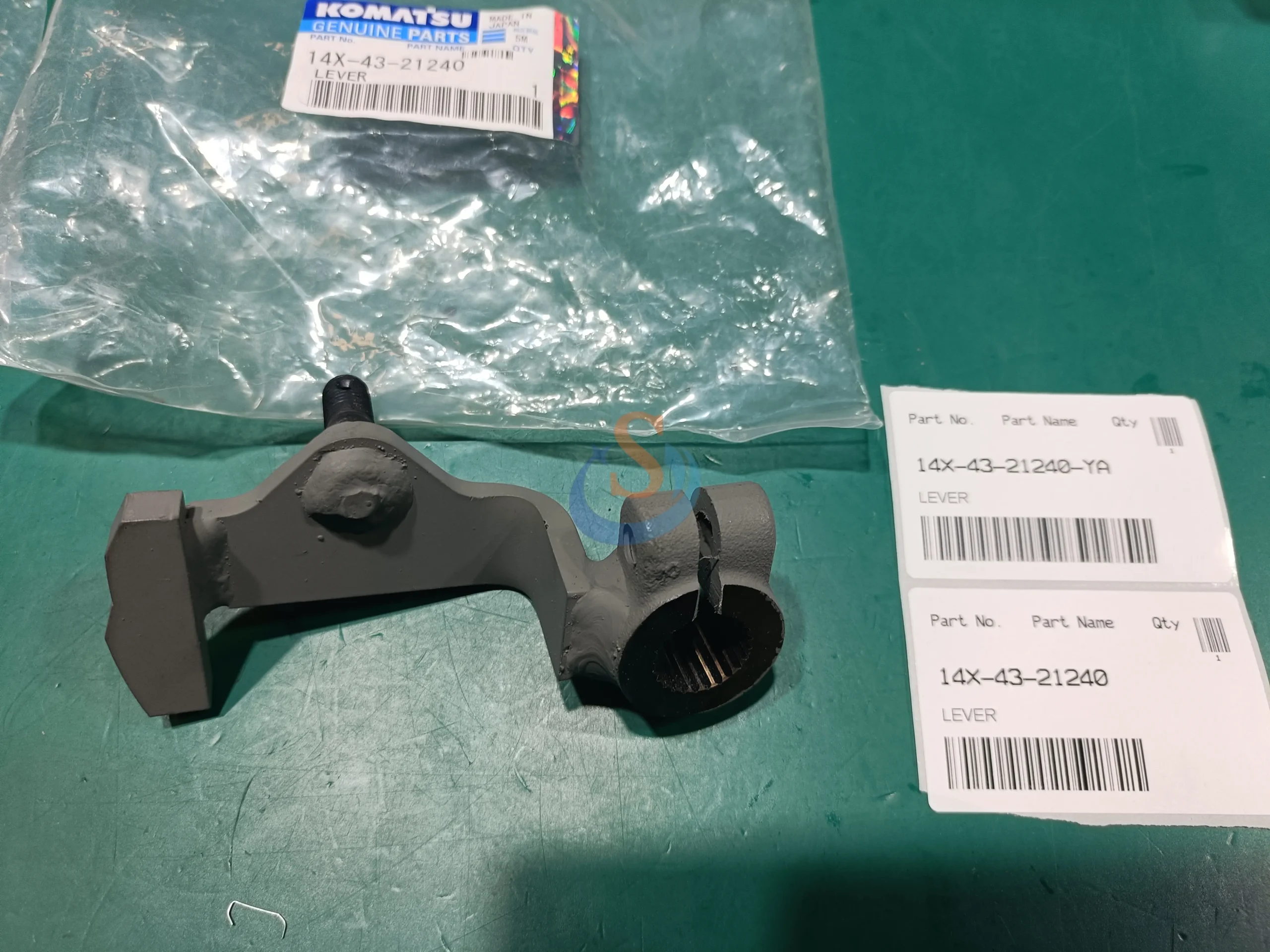
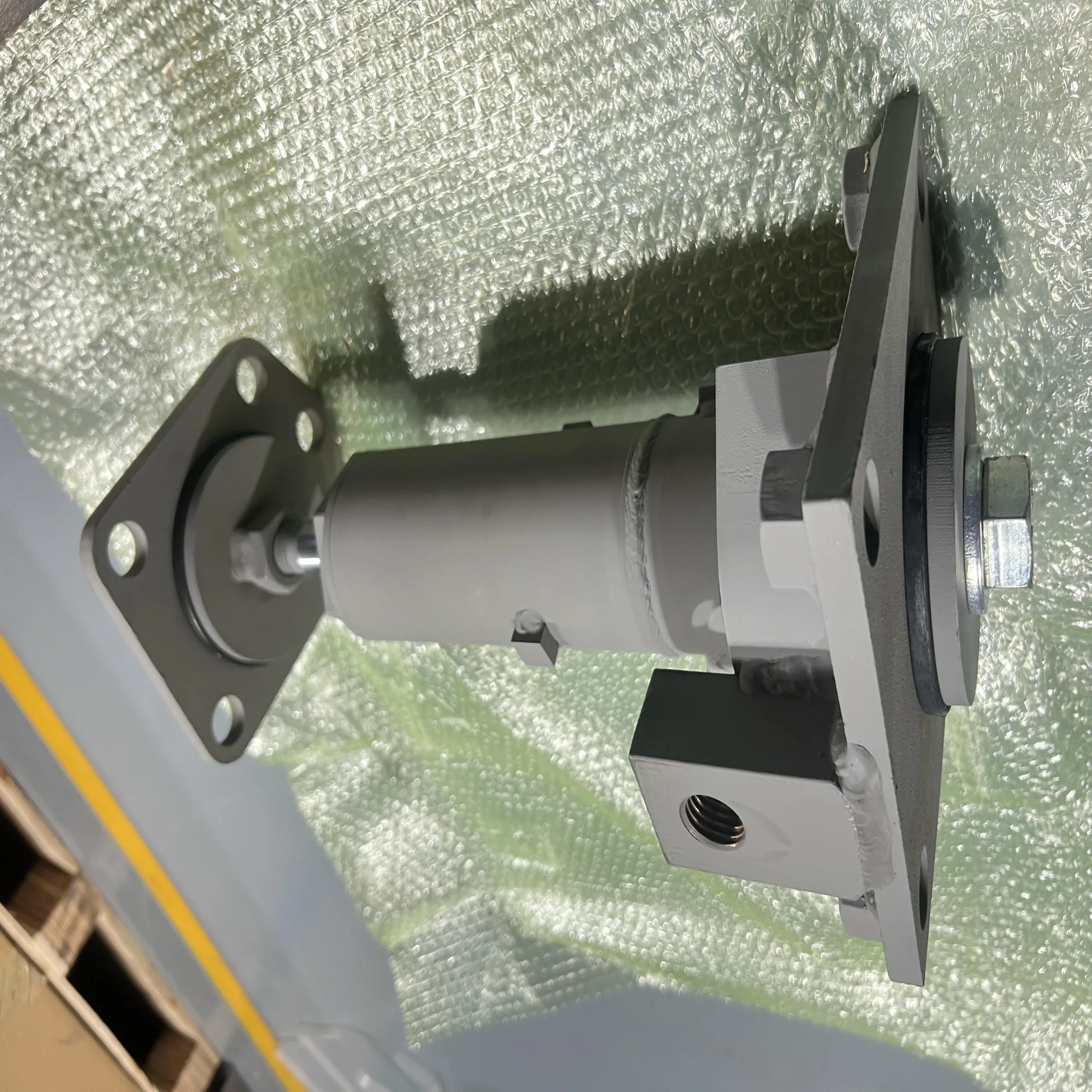
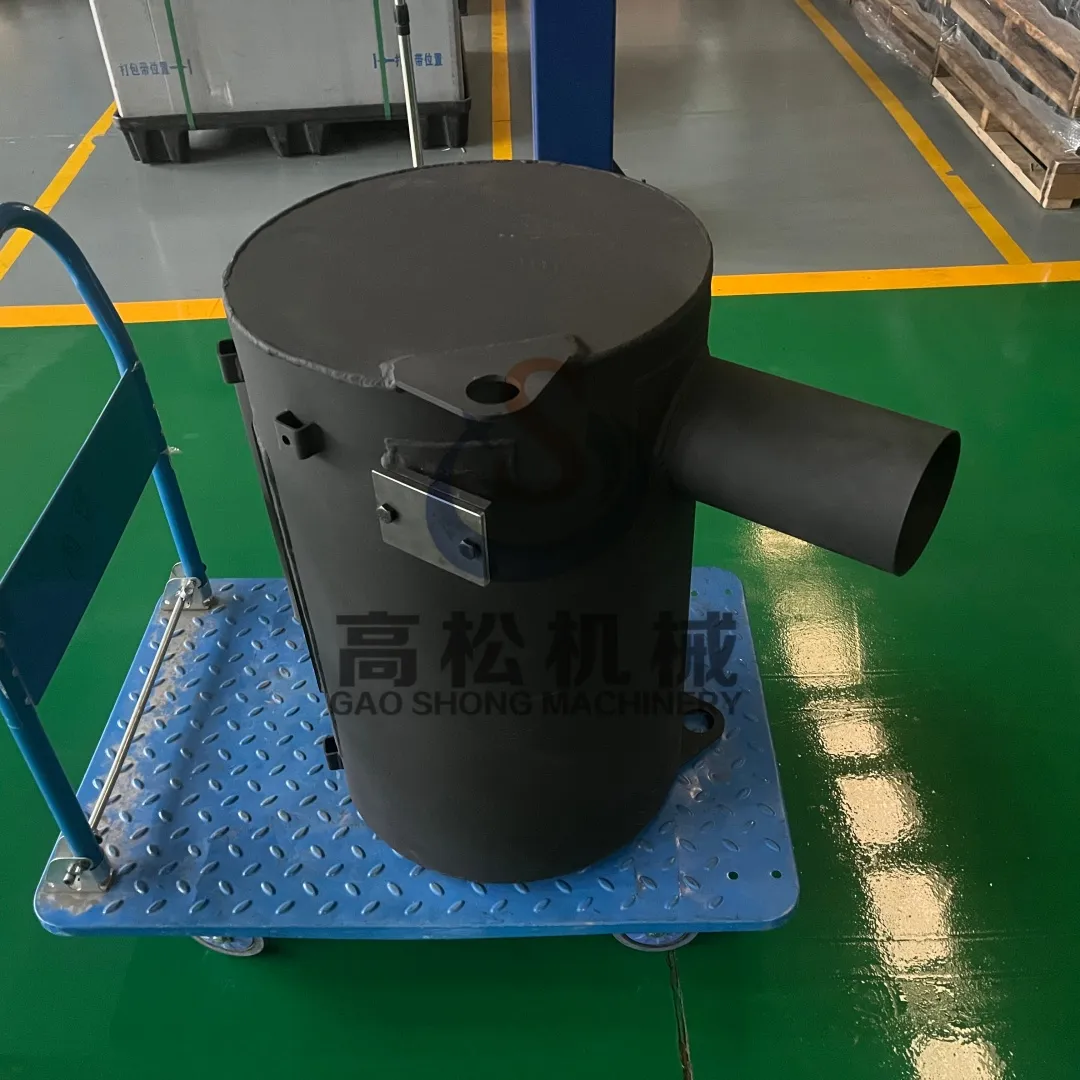

Best Selling Products
Best Selling Products-
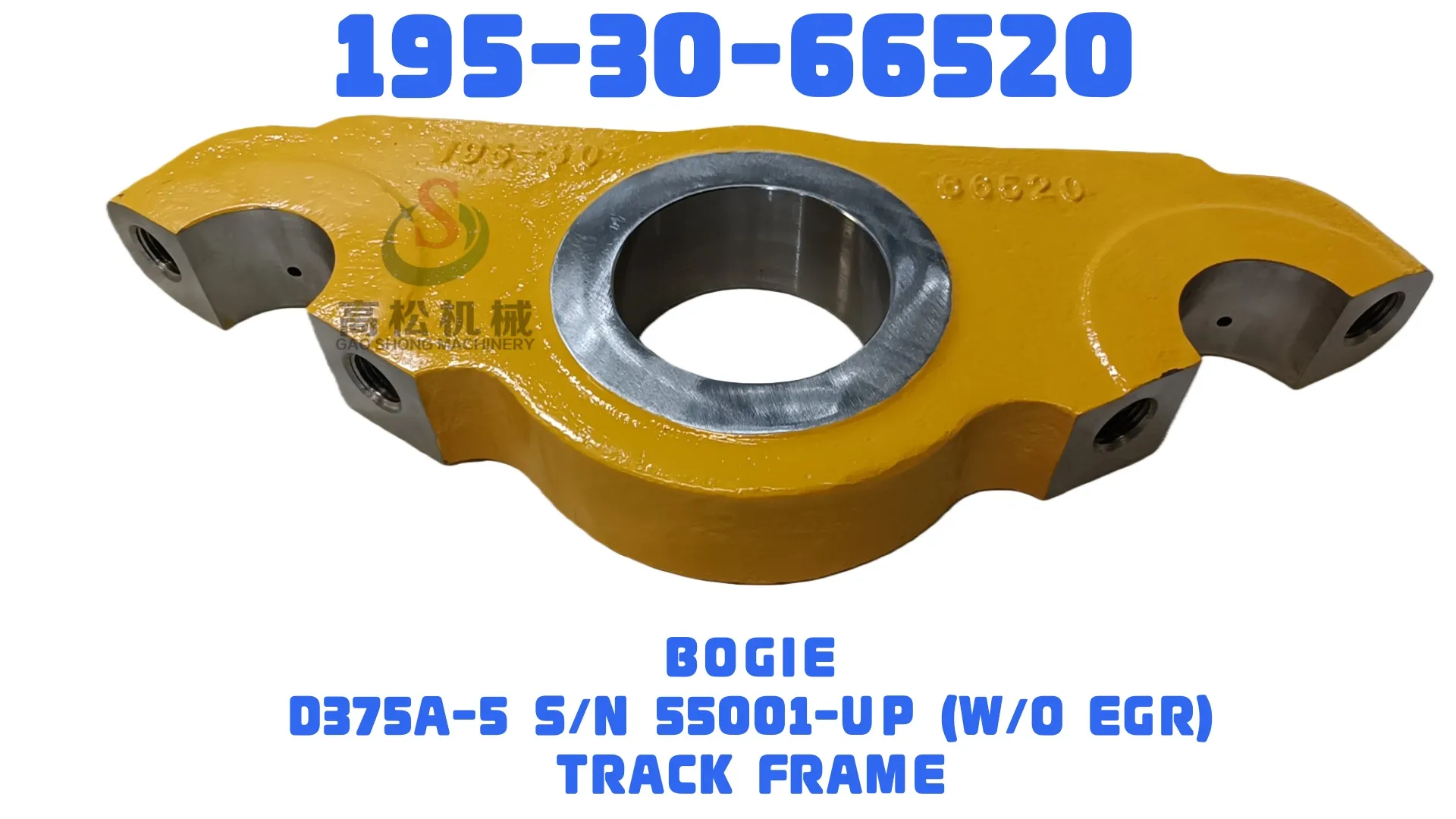 komatsu-part-195-30-66520 BOGIE D375A-5 D375A-5D D375A-6 D375A-6R TRACK FRAME TRACK FRAME, BOGIE
 -
 Connector Hose 6156-11-5521 for SAA6D125E Engine, PC400-7 Excavator Spare Part
 -
 KOMATSU 130-70-13241 Square NUT
 -
 Disong 22L-979-2200 AIR CONDITIONER COMPRESSOR 22L-979-2200 for Excavator PC56-7
 -
 Swing Motor Solenoid Valve 20Y-60-11713
 -
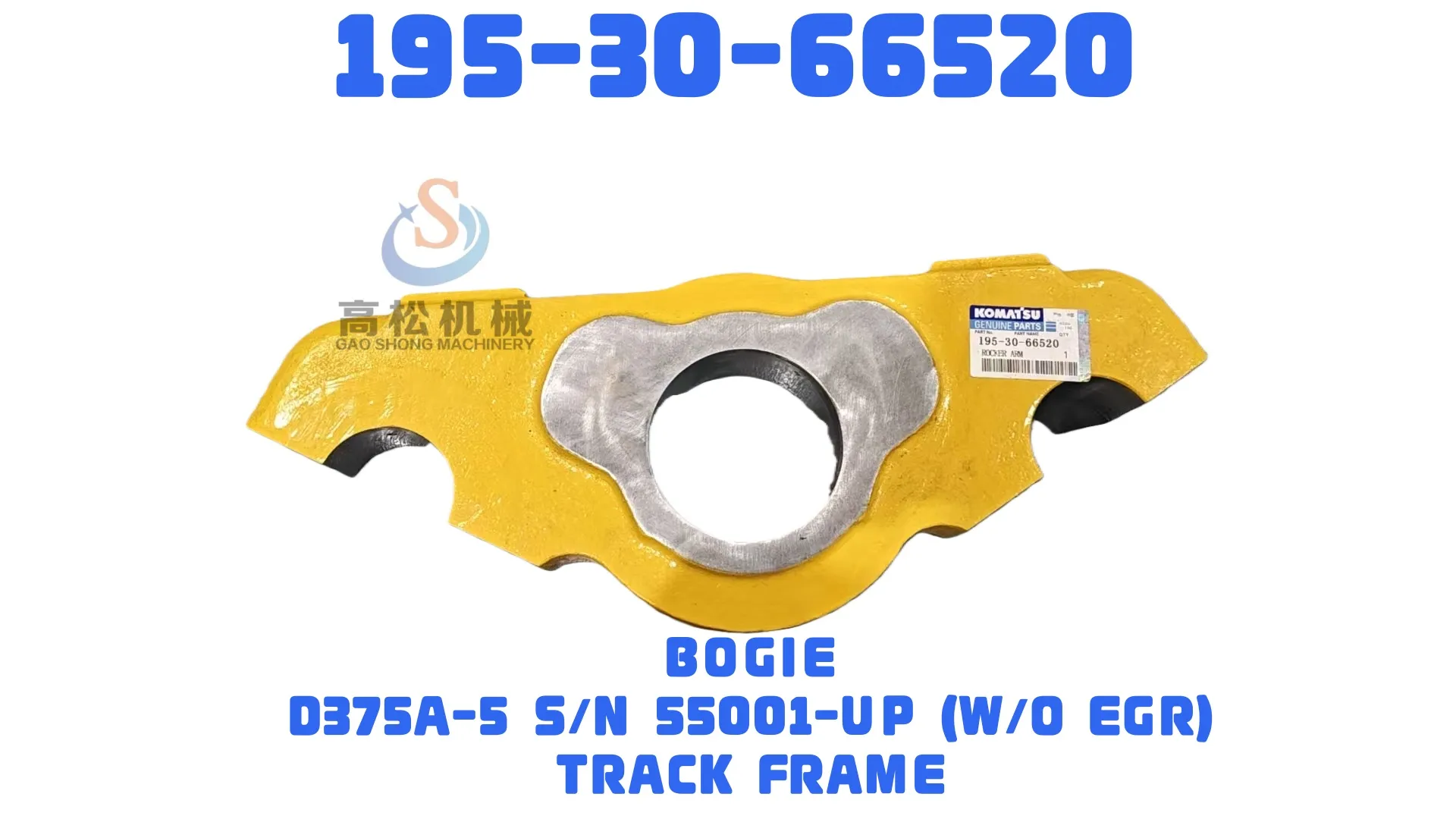 195-30-66520 – Bogie
 -
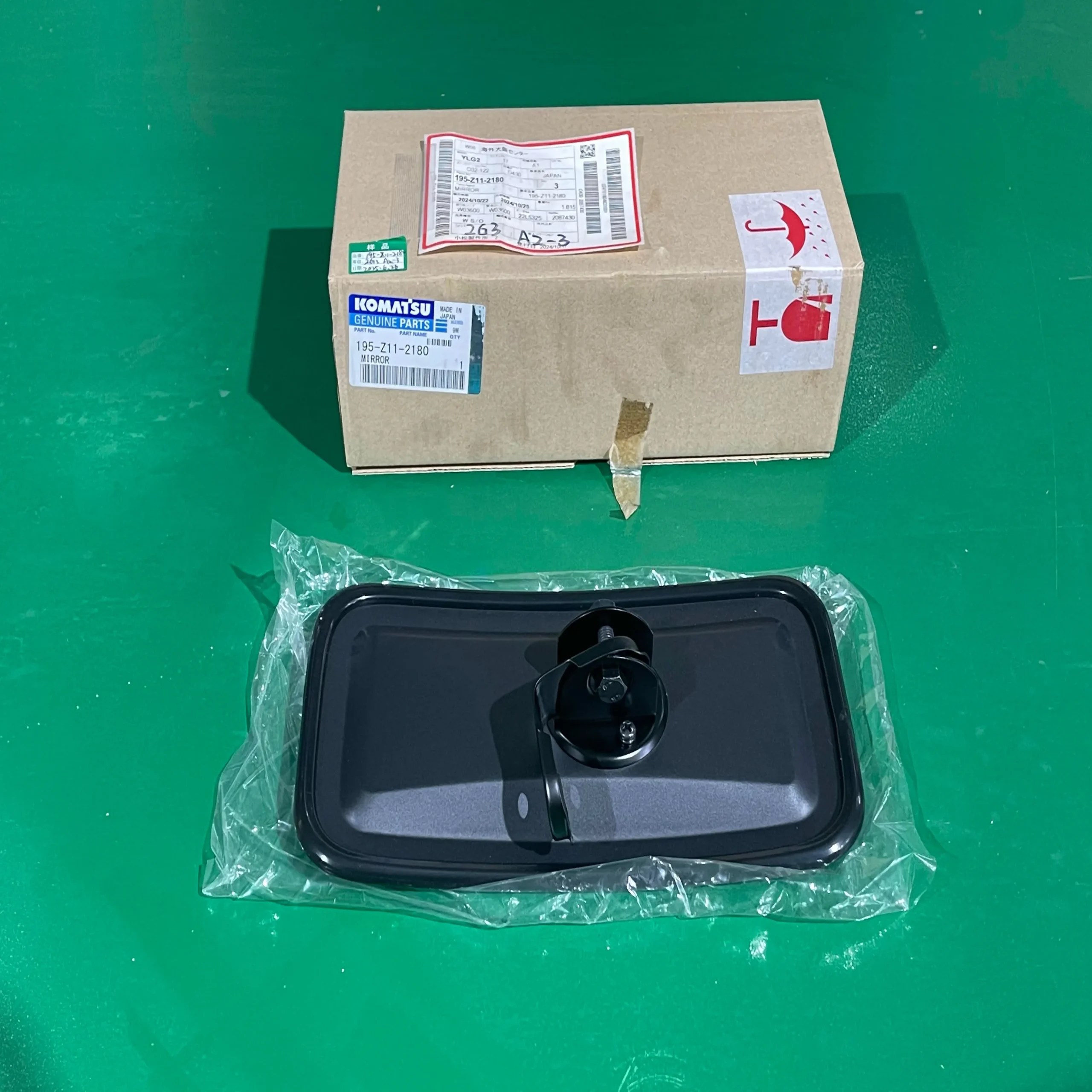 195-Z11-2180Fits Komatsu 195-Z11-2180 Dozer Replacement Mirror
 -
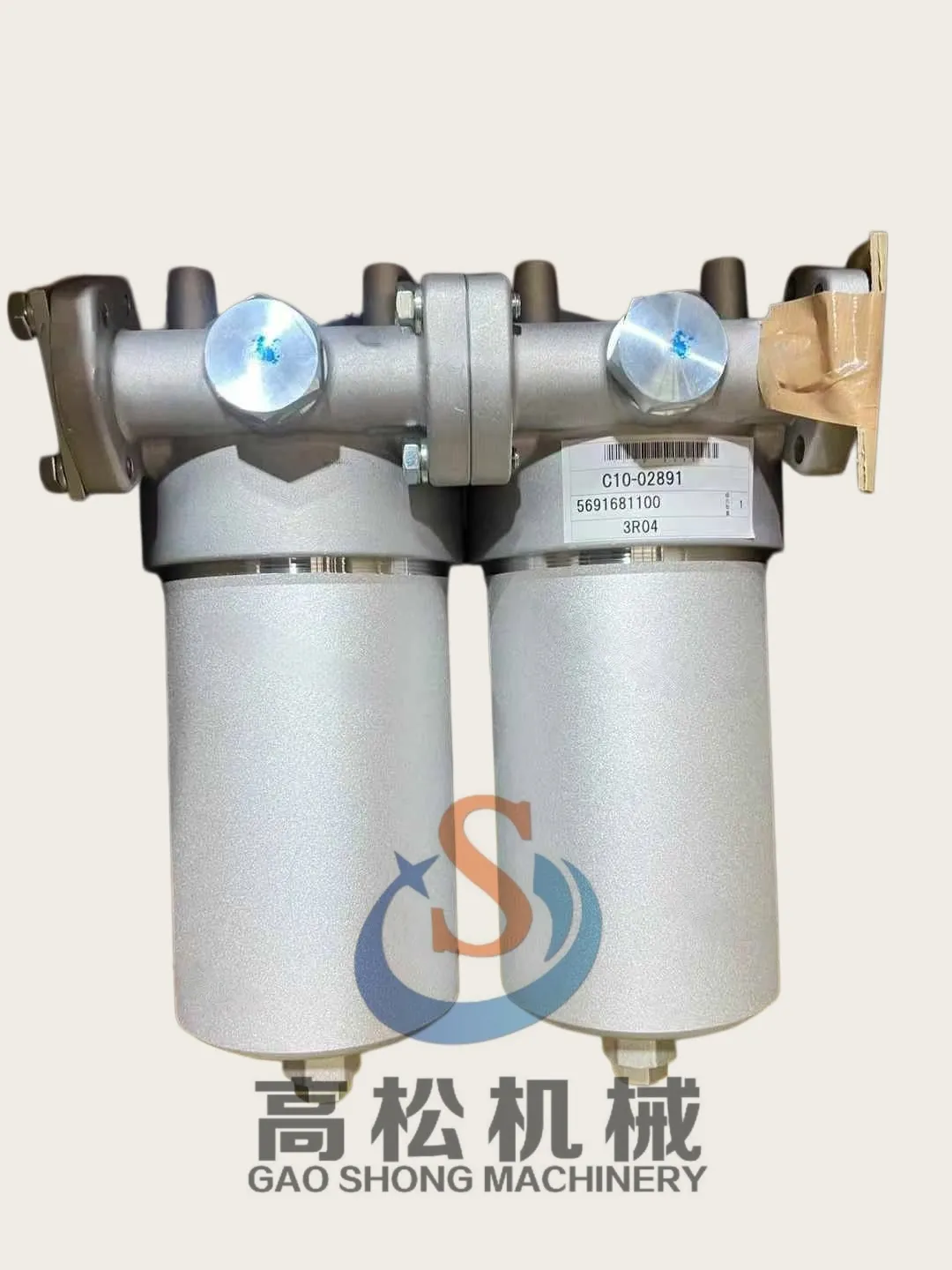 OIL FILTER ASS’Y 569-16-81100 425-16-21240 427-16-21120 569-16-81160 HD325-7 HD325-7R HD405-7 HD405-7R HD605-7 HD785-7 HD605-7E1 HD605-8 HD785-7 HYDRAULIC TANK ASS’Y (TRANSMISSION OIL FILTER¤ INNER PARTS) TRANSMISSION OIL FILTER
 -
 2A8-70-13570 Excavator Arm Bucket Link Cover for PC500-10 PC500-10M0
 -
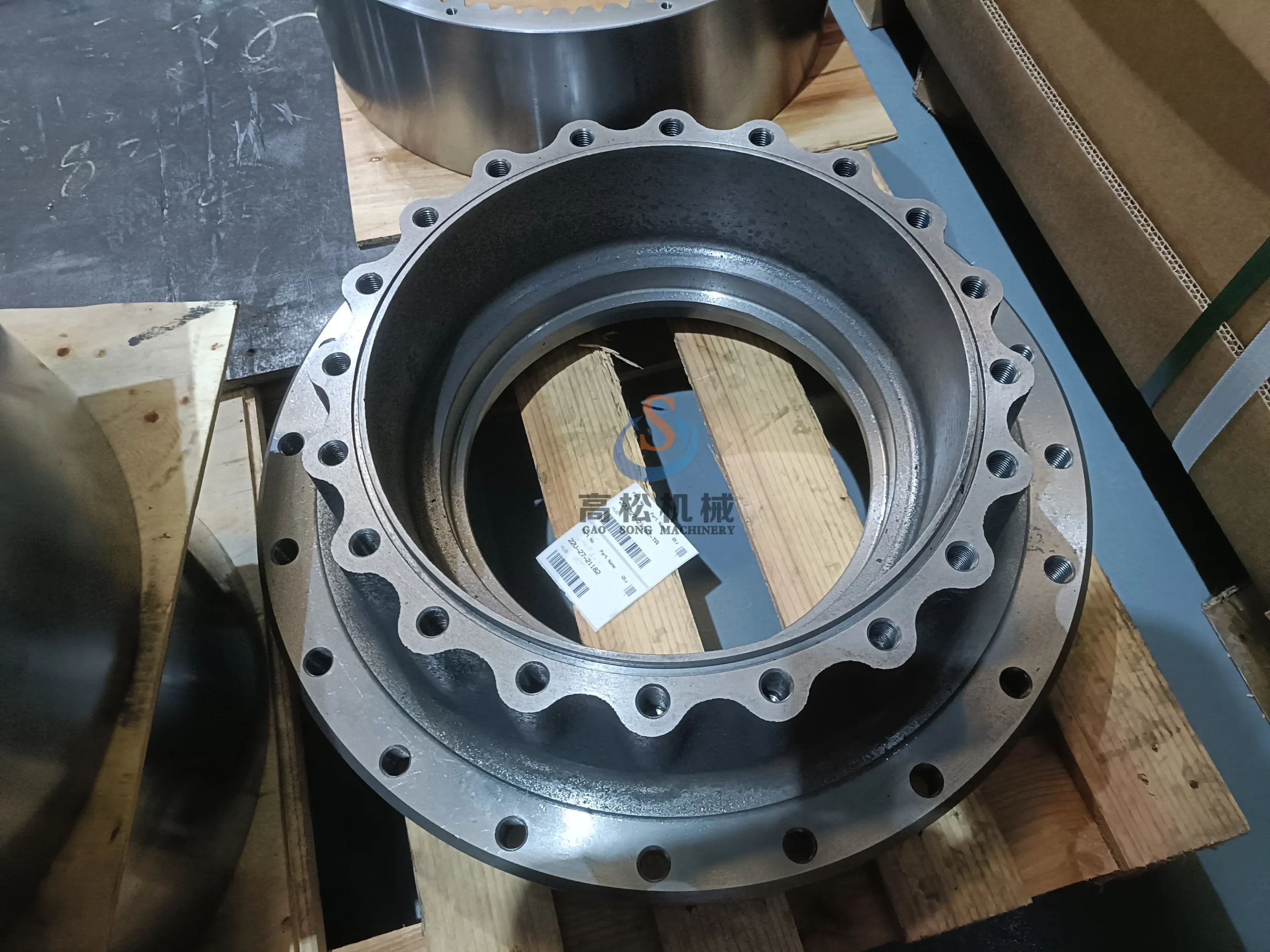 22U-27-21182 komatsu HUB-PC200/PC220/PC228
 -
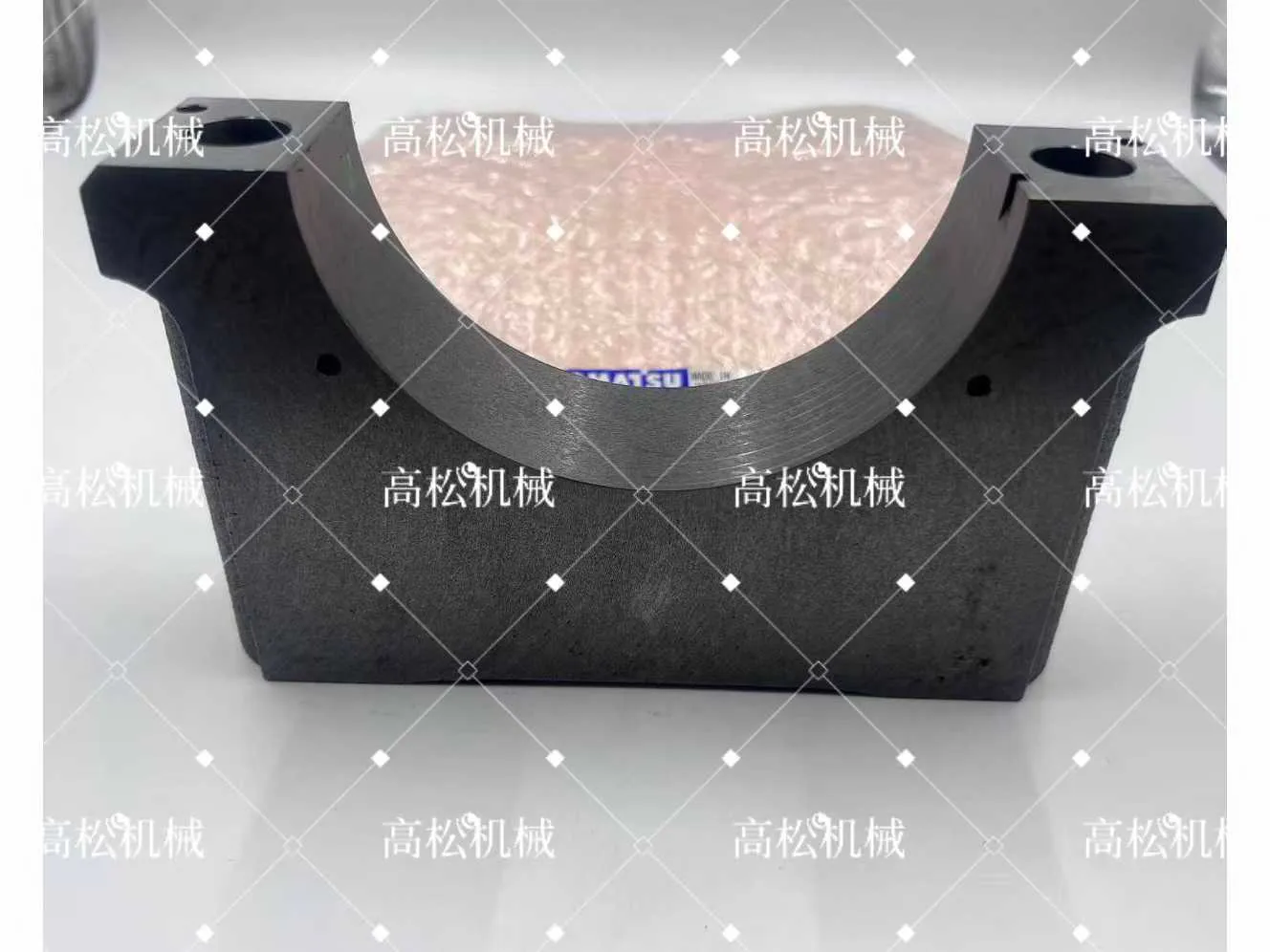 Komatsu Genuine CAP, MAIN METAL, WA470-3, 6150-29-1210
 -
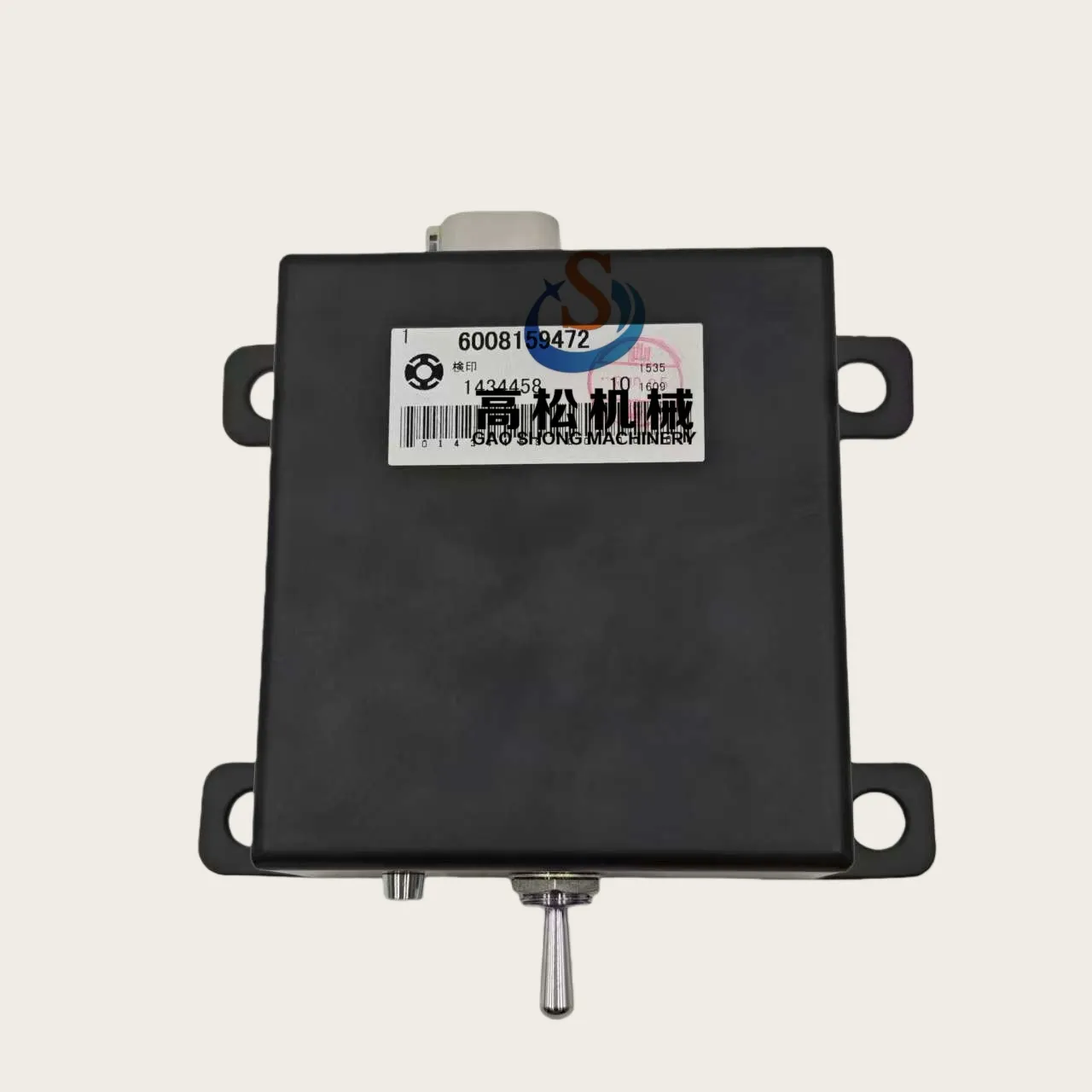 Switch 600-815-9472 D375A-6 WD600-6R HD605-7E1 HD465-7E1 HD785-7 SAA6D170E-5F ENGINE HOOD AND SIDE COVER GROUP, FUEL PRIMING PUMP SWITCH