
- Chinese
- French
- German
- Portuguese
- Spanish
- Russian
- Japanese
- Korean
- Arabic
- Irish
- Greek
- Turkish
- Italian
- Danish
- Romanian
- Indonesian
- Czech
- Afrikaans
- Swedish
- Polish
- Basque
- Catalan
- Esperanto
- Hindi
- Lao
- Albanian
- Amharic
- Armenian
- Azerbaijani
- Belarusian
- Bengali
- Bosnian
- Bulgarian
- Cebuano
- Chichewa
- Corsican
- Croatian
- Dutch
- Estonian
- Filipino
- Finnish
- Frisian
- Galician
- Georgian
- Gujarati
- Haitian
- Hausa
- Hawaiian
- Hebrew
- Hmong
- Hungarian
- Icelandic
- Igbo
- Javanese
- Kannada
- Kazakh
- Khmer
- Kurdish
- Kyrgyz
- Latin
- Latvian
- Lithuanian
- Luxembou..
- Macedonian
- Malagasy
- Malay
- Malayalam
- Maltese
- Maori
- Marathi
- Mongolian
- Burmese
- Nepali
- Norwegian
- Pashto
- Persian
- Punjabi
- Serbian
- Sesotho
- Sinhala
- Slovak
- Slovenian
- Somali
- Samoan
- Scots Gaelic
- Shona
- Sindhi
- Sundanese
- Swahili
- Tajik
- Tamil
- Telugu
- Thai
- Ukrainian
- Urdu
- Uzbek
- Vietnamese
- Welsh
- Xhosa
- Yiddish
- Yoruba
- Zulu
- Kinyarwanda
- Tatar
- Oriya
- Turkmen
- Uyghur






buy komatsu parts online
When you type 'buy komatsu parts online' into a search engine, you're met with a flood of options that all promise the same thing: genuine parts, fast shipping, unbeatable prices. Having been in this field for years, I can tell you that's the first red flag. The reality is far messier. Many sites are just fronts, drop-shipping from unknown warehouses with questionable quality control. The real challenge isn't finding a seller; it's identifying a partner who understands the supply chain intricacies of Komatsu equipment and the operational urgency when a machine is down. It's about finding someone who knows that a PC200-8 hydraulic pump isn't just a part number, but a critical component with a specific serial range and potential compatibility nuances.
The OEM Illusion and the Third-Party Reality
A lot of operators get fixated on the term OEM. They think buying directly from Komatsu is the only safe path. While that's ideal, it's not always practical, especially in regions with complex import logistics or for older models where genuine stock is phased out. This is where legitimate third-party suppliers become invaluable. They aren't just resellers; they are problem-solvers who bridge the gap between the official channels and the end-user's immediate needs.
I've worked with a company that embodies this model well: Jining Gaosong Construction Machinery Co., Ltd.. Their setup is interesting. They operate as an OEM product supplier within the Komatsu system, which gives them access to certain genuine lines, but they also function independently to solve parts supply challenges in certain countries. This dual role is crucial. It means they can sometimes source a genuine Komatsu seal kit through official channels, but if that's stuck in customs for weeks, they might have a vetted, high-quality aftermarket alternative to get you running in days. Their site, https://www.takematsumachinery.com, is a tool, but the real service happens over email or phone where you discuss the machine's serial number, failure symptoms, and downtime cost.
This isn't theoretical. I recall a project in Southeast Asia where we needed a swing drive for an old PC300-6. The official lead time was 12 weeks. A local online parts store promised it in 7 days. It arrived, was the wrong model, and the return process was a nightmare. We reached out to Gaosong. They confirmed the genuine part was indeed on a slow boat, but they had a remanufactured unit from a trusted partner in Japan that could be air-freighted. It was a judgment call—remanufactured vs. waiting. We took it. The part arrived in 10 days, fit perfectly, and is still running two years later. That's the value of a knowledgeable supplier.
Pitfalls of the Easy Online Purchase
The convenience of clicking add to cart is seductive but dangerous for heavy equipment parts. The most common mistake is ordering by machine model only. Komatsu makes running changes. A part for a PC220LC-8 from 2010 might not fit the same model from 2013. I've seen countless instances where a customer bought a compatible hydraulic valve block online, only to find port sizes or thread pitches are off by a millimeter. The machine stays down, and you're out the cost of the part plus expedited shipping for the correct one.
Another hidden pitfall is the quality spectrum in aftermarket parts. High-quality replacement is a meaningless phrase. Does it mean it meets Komatsu's original material specifications? Or just that it looks similar? For non-critical wear items like filters or seals, a good aftermarket part is fine. For something like a crankshaft or a main control valve, the risk is enormous. A supplier's willingness to disclose the manufacturer of their aftermarket line is a key trust signal.
Logistics is where many online promises fall apart. Free shipping often means a slow boat. For a 50kg cylinder assembly, that's fine. For a crucial engine sensor holding up a $250,000 project, it's not. You need a supplier who can clearly articulate shipping options, incoterms, and has experience with customs clearance in your country. A website that only shows a checkout button without any pre-sales communication channels is a major warning sign.
Building a Reliable Sourcing Process
So, how do you actually buy komatsu parts online reliably? It starts by treating the web as a directory, not a store. Your goal is to find competent human beings. I always look for sites that provide detailed contact forms, direct email addresses for parts teams, and preferably, a listed phone number. The site should ask for more than just a part number; it should ask for the machine serial number, the part's old number if available, and the application.
Verification is everything. Once you have a quote, ask for photos. A genuine Komatsu part will have specific casting marks, logos, and packaging. A reputable supplier will send these without hesitation. For high-value items, I've even asked for a video call to inspect the part before it ships. This isn't being difficult; it's standard practice in professional procurement. It filters out the fly-by-night operations.
Start small. Don't order a $5,000 engine ECM from a new supplier as your first transaction. Order a set of track bolts or a cabin filter. Test their communication, packaging, shipping accuracy, and part quality. A company like the one mentioned earlier earned our business through consistent performance on these small orders before we entrusted them with major component requests.
When to Go Online, When to Pick Up the Phone
The online portal is perfect for re-ordering known, verified part numbers for routine maintenance. Filters, greases, common wear items. It's efficient. But for anything related to a breakdown, a mysterious failure, or a part for a machine with a murky service history, the phone is your best tool. You need a conversation. My D61EX-23 is throwing this code, and we've checked X and Y. A good parts specialist will ask follow-up questions that an online form can't.
This is where the expertise of a specialized third-party company shines. They've often seen the same failure mode across different sites. They might suggest, Before you replace the entire pump, check the pressure at the test port. We've seen three cases this month where it was actually a clogged line. That diagnostic partnership saves thousands. You don't get that from a shopping cart.
The digital footprint is just an entry point. The real transaction is built on technical dialogue and proven reliability. The website's function is to establish credibility and facilitate contact, not to automate the entire sale of complex industrial components.
The Future: Transparency and Niche Expertise
The trend I see, and appreciate, is toward greater transparency. The best suppliers now list not just part numbers, but detailed compatibility charts, cross-reference guides, and even technical bulletins on common failures. They're using their online presence to educate, not just to sell. This builds immense trust.
Niche expertise will continue to be the differentiator. As equipment gets more advanced with electronics and mechatronics, suppliers who specialize in specific systems—like Komatsu's hydraulic systems or electronic control modules—will become more valuable than generalist marketplaces. Their deep knowledge turns a simple parts purchase into a troubleshooting alliance.
In the end, successfully buying Komatsu parts online isn't about finding the cheapest listing. It's about using the internet to locate and vet specialized partners who combine supply chain access with real-world mechanical understanding. It's a hybrid process: digital discovery followed by analog verification and relationship building. The keyword search gets you started, but the judgment calls, the serial number checks, and the quality inspections are what keep your machines—and your projects—moving.
Related Products
Related Products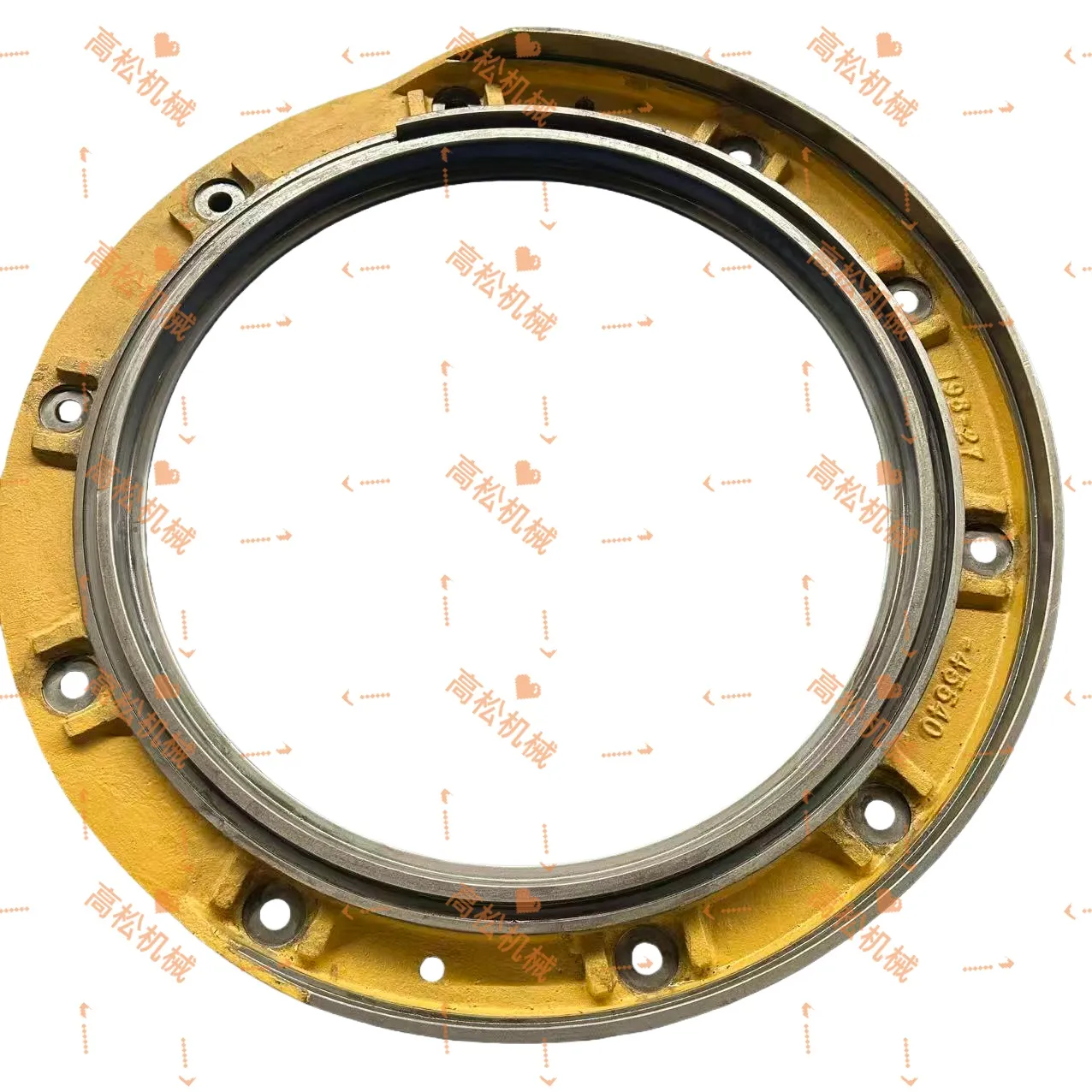
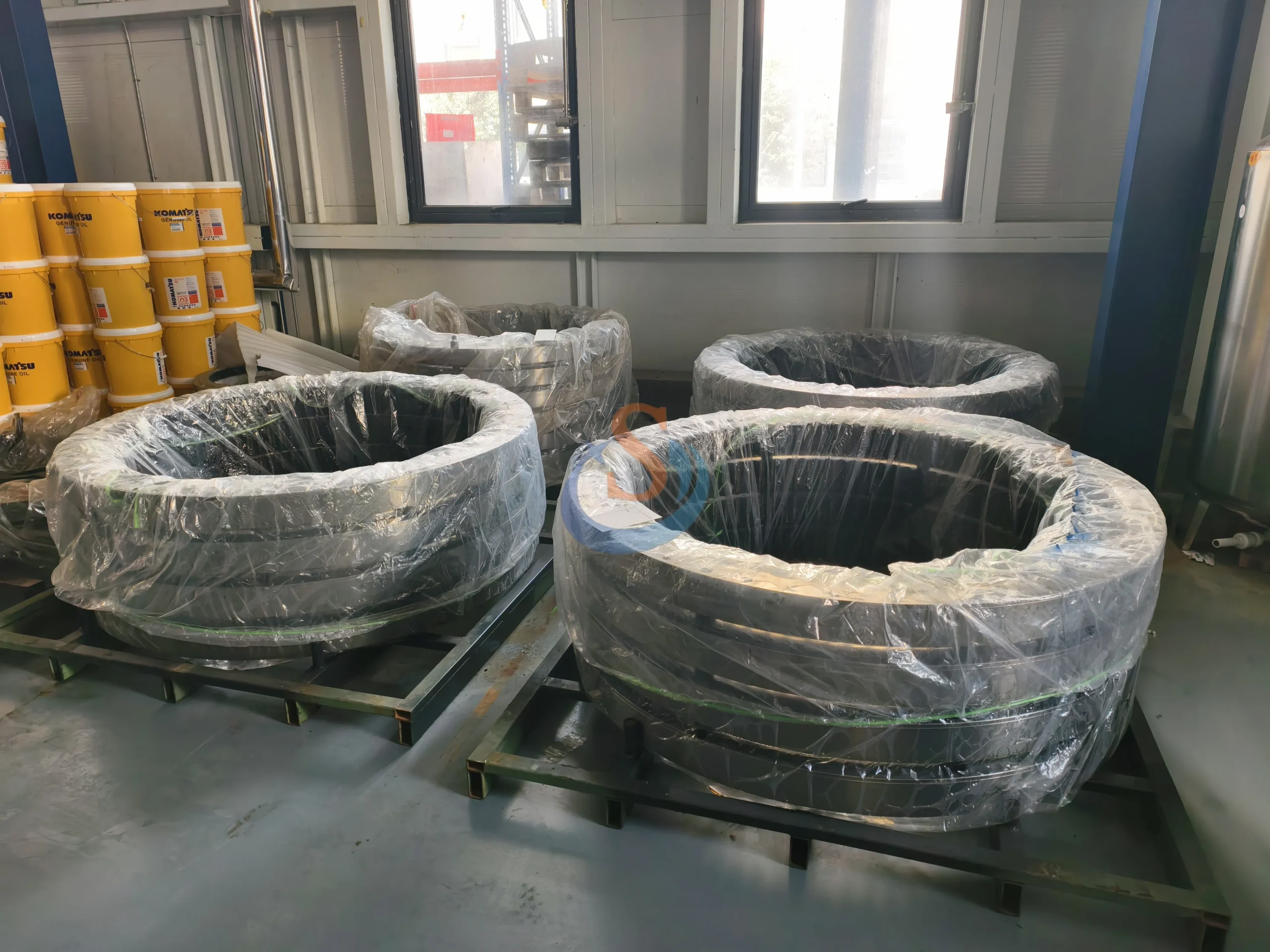
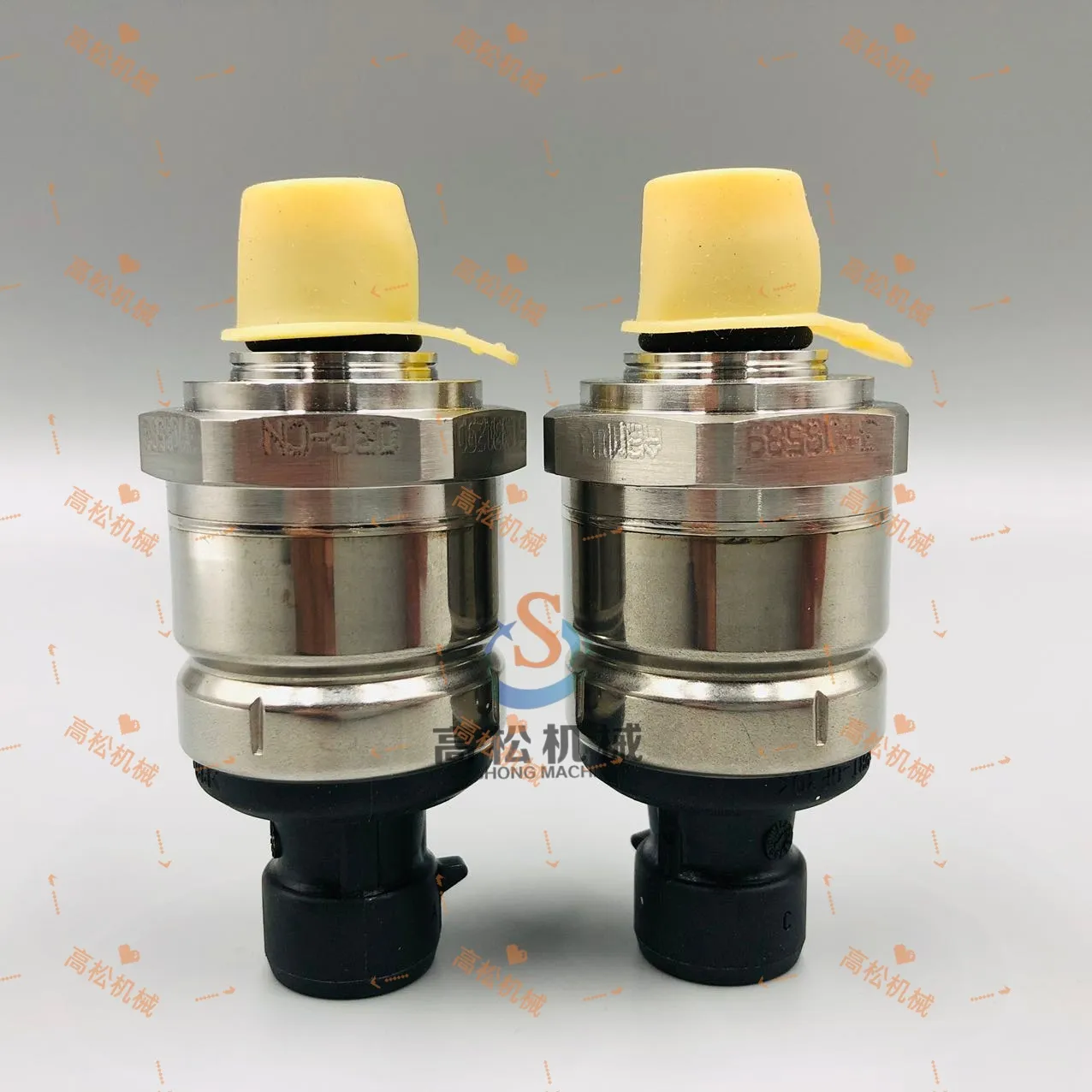
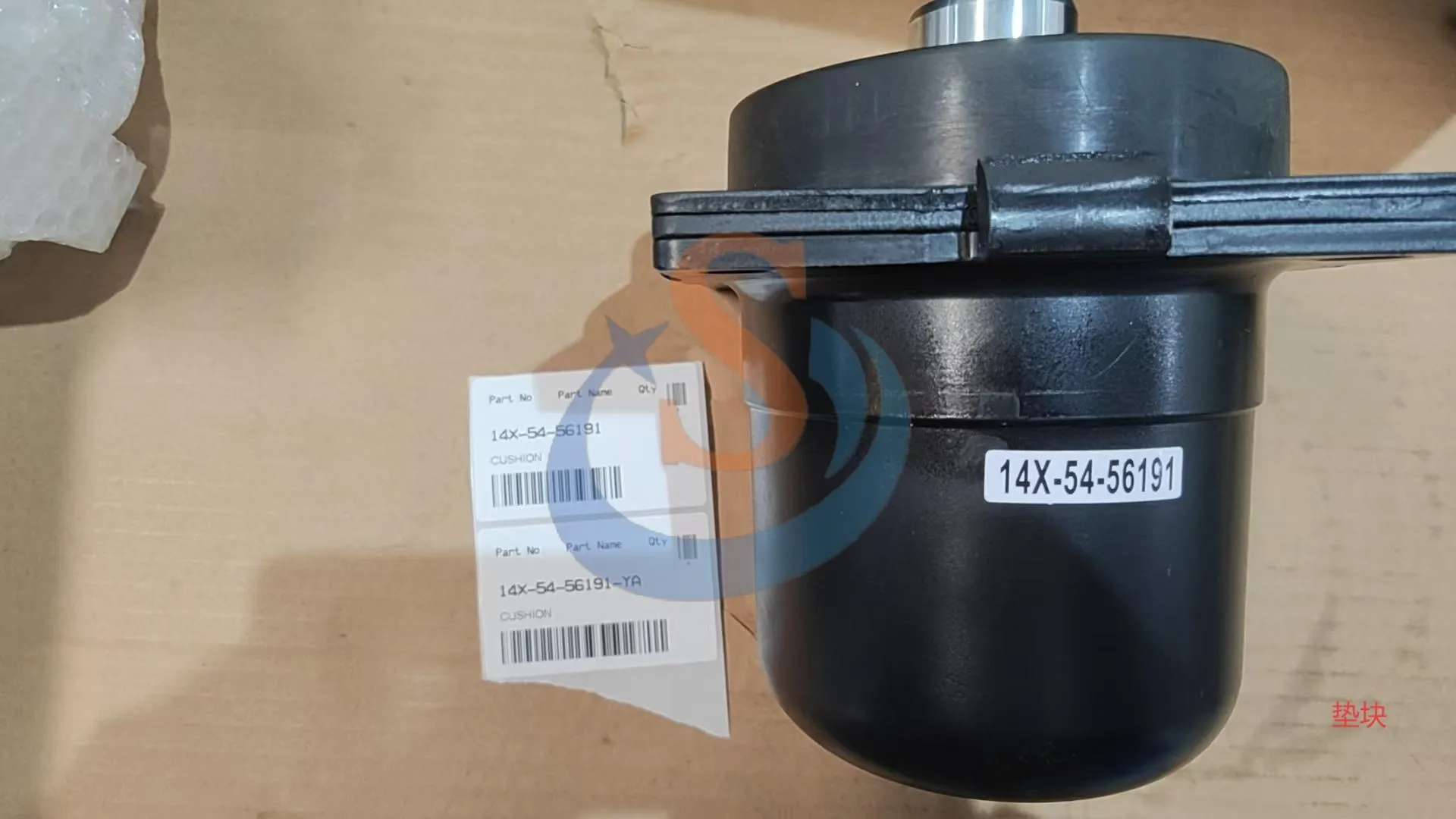
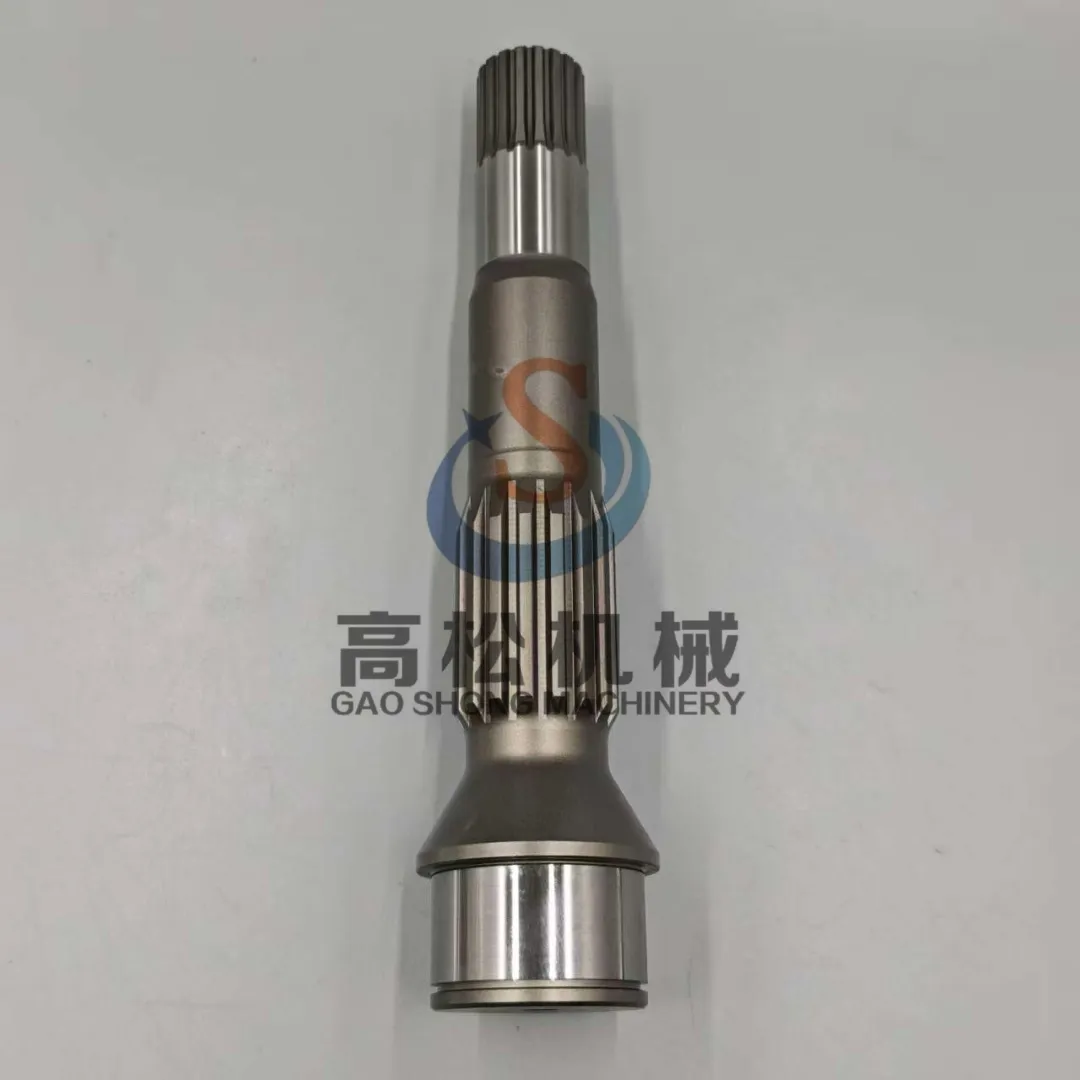
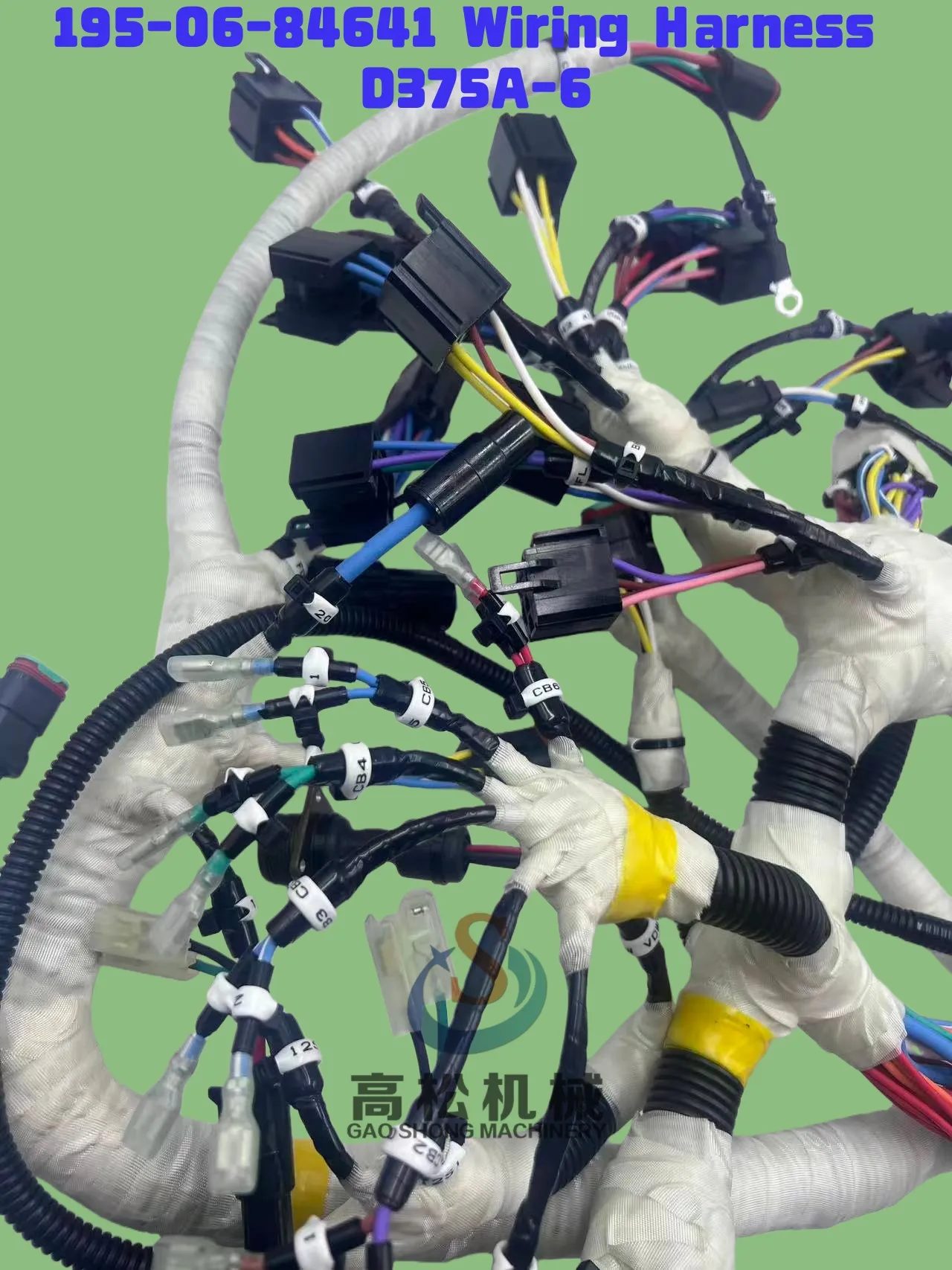

Best Selling Products
Best Selling Products-
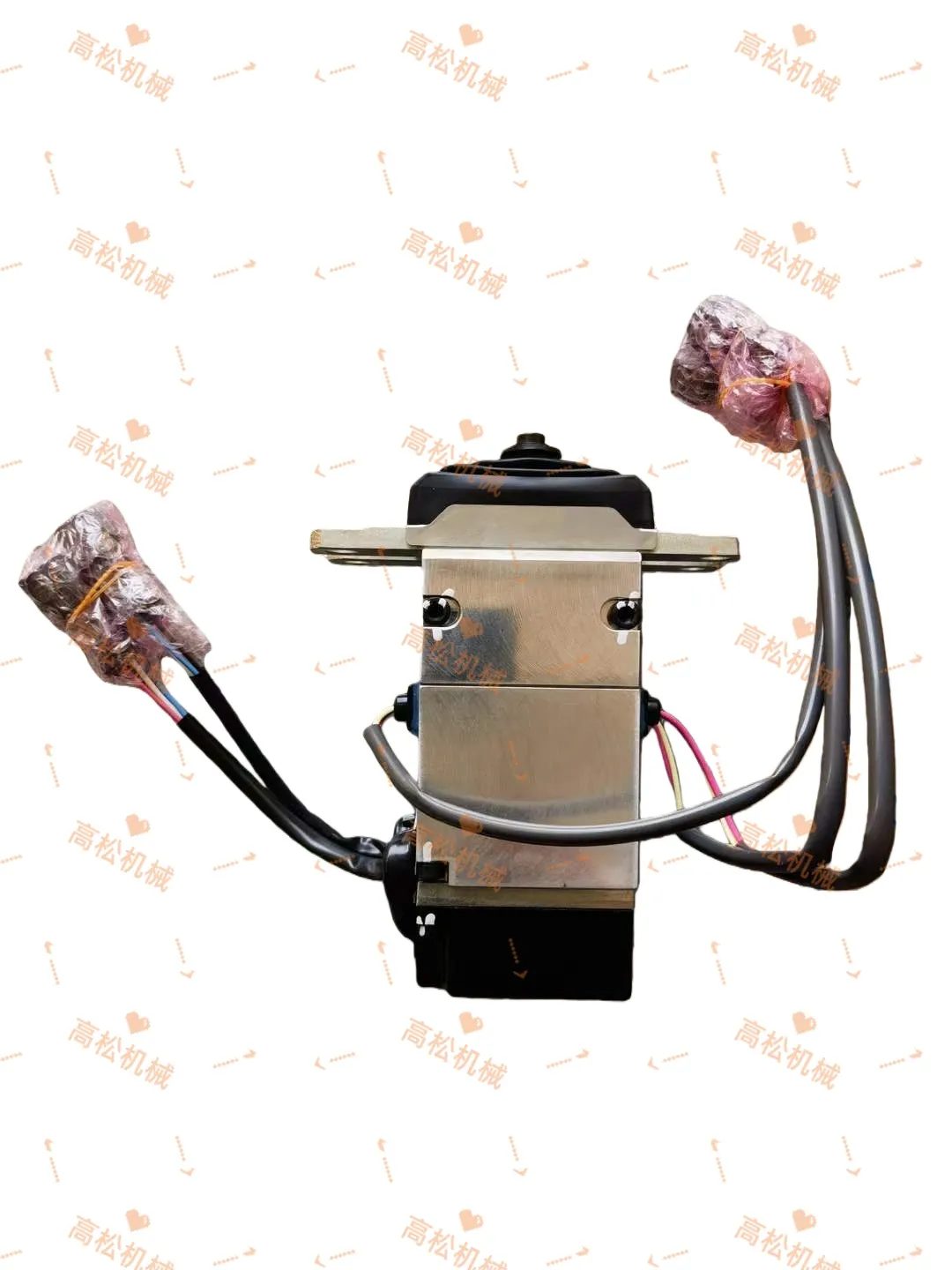 Komatsu Wheel loader machines WA500 WA480 WA470 702-16-02144 702-16-02143 Komatsu Control lever 702-16-02144 for Wheel loader WA480-5H
 -
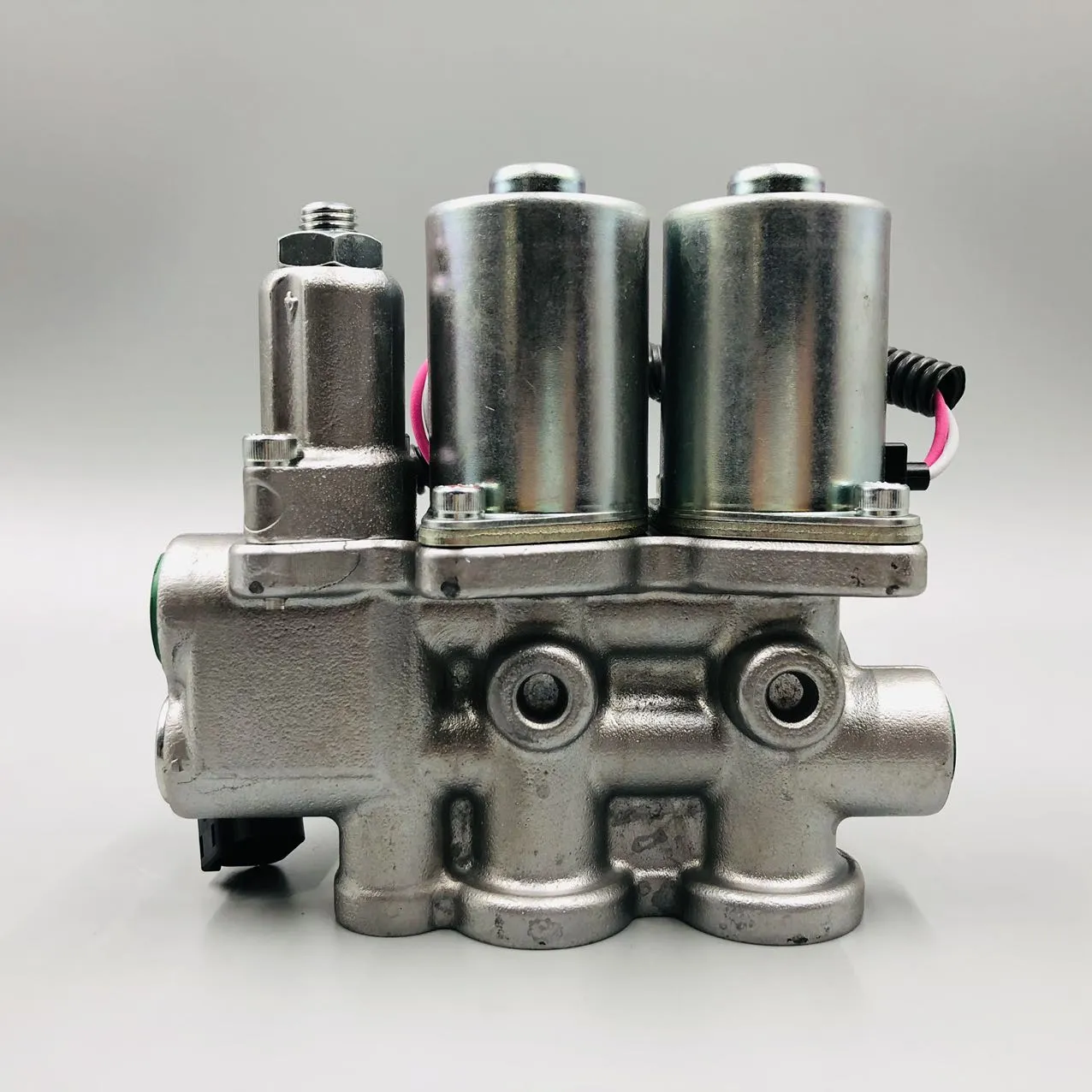 22F-60-31600Valve assembly
 -
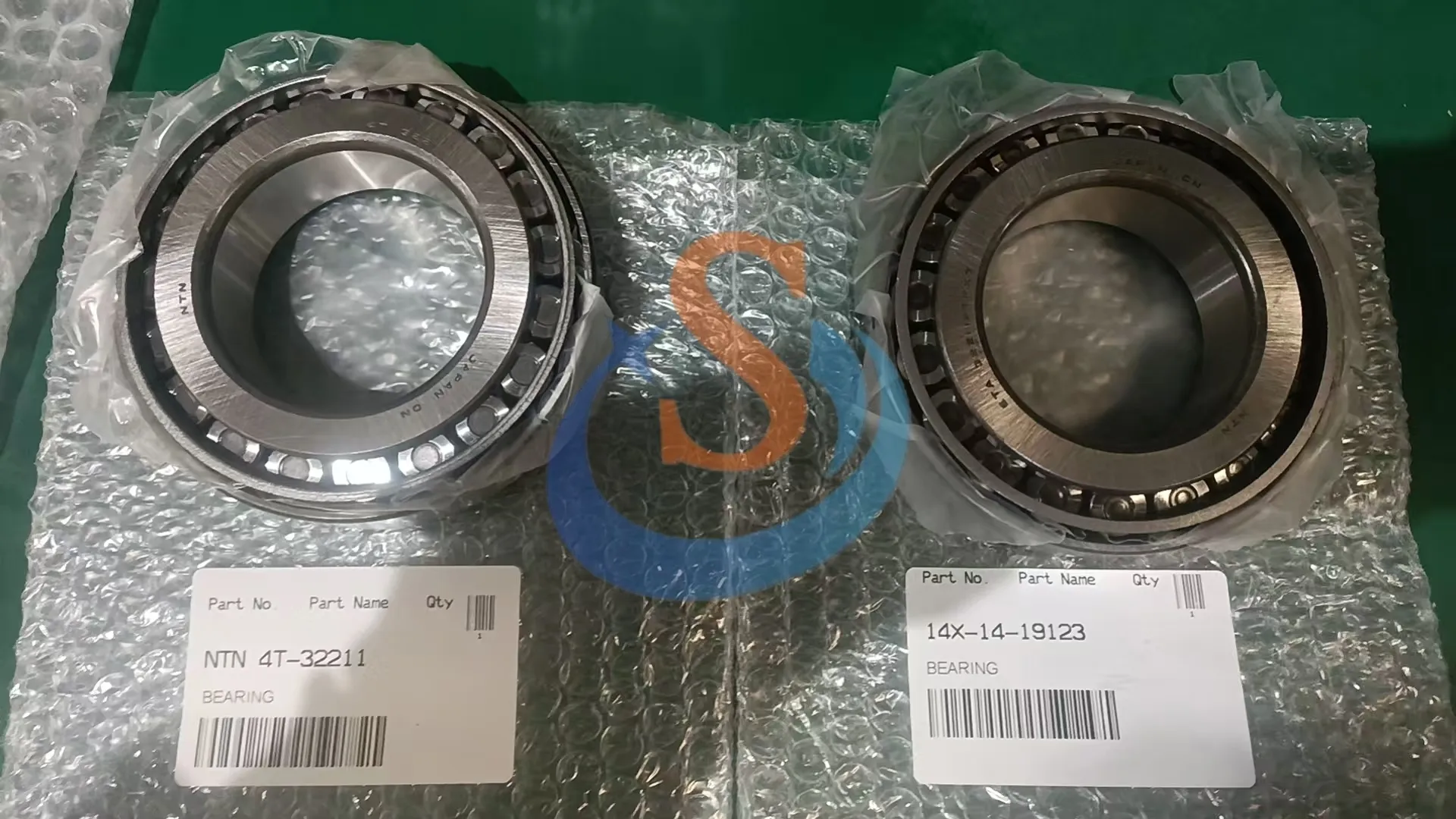 14X-14-19123 BEARING WA380/WA430/WA400
 -
 144-15-22881 Komatsu Seal Ring
 -
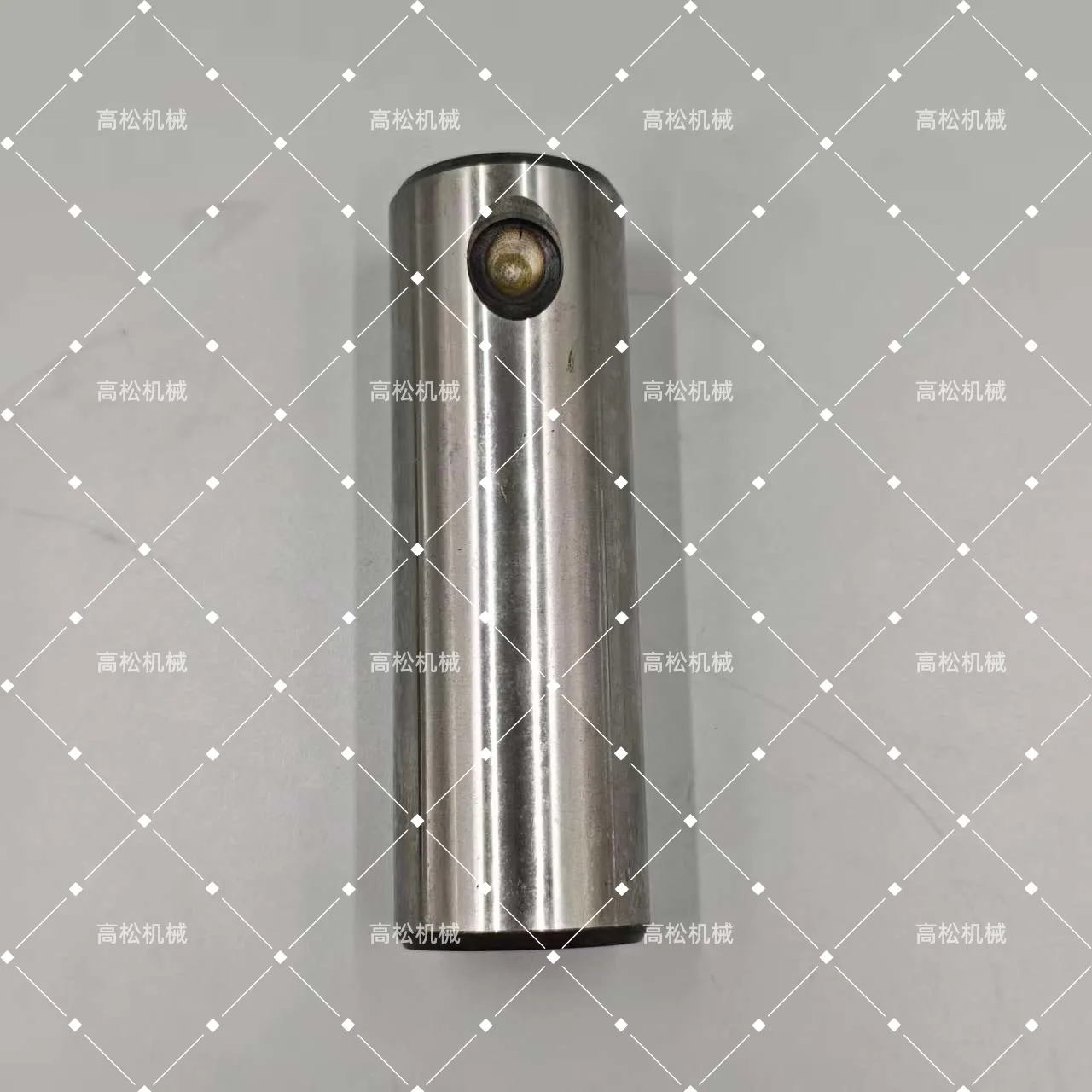 424-22-12510 •• PIN-Komatsu Original Factory
 -
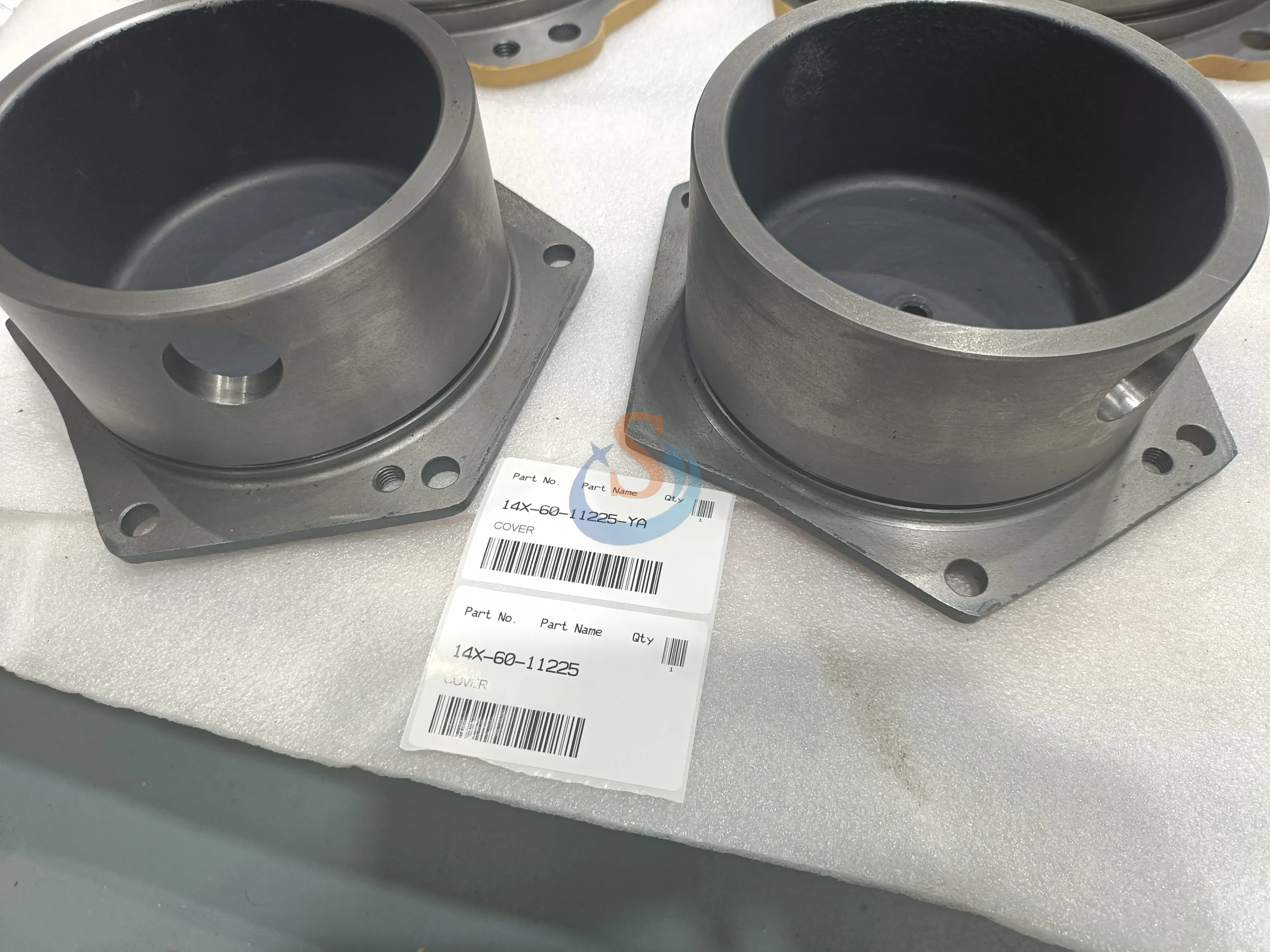 14X-60-11225,COVER,D65PX,D85ESS
 -
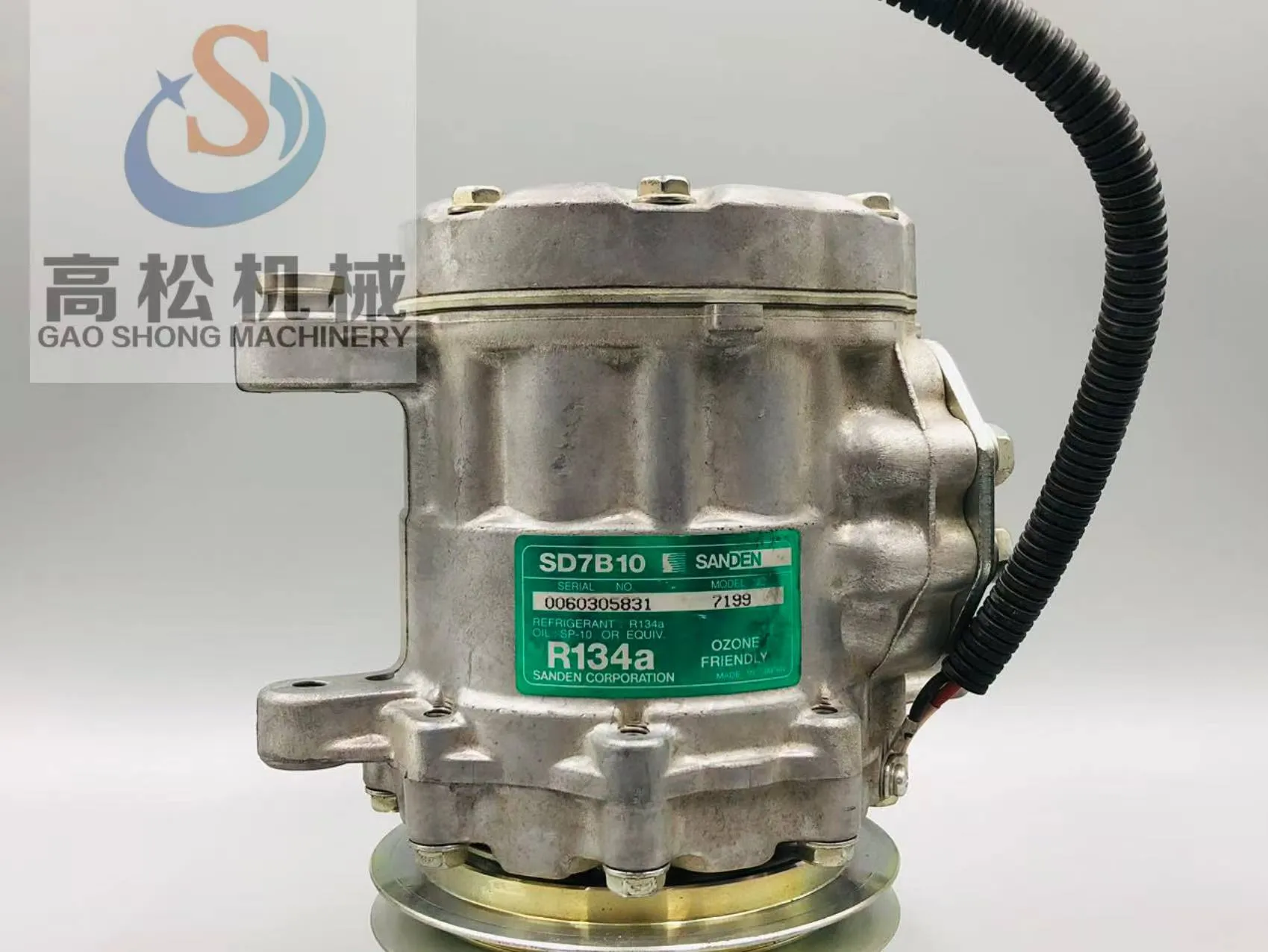 Compress0r 22L-979-2211 22l-979-2200 for Komatsu
 -
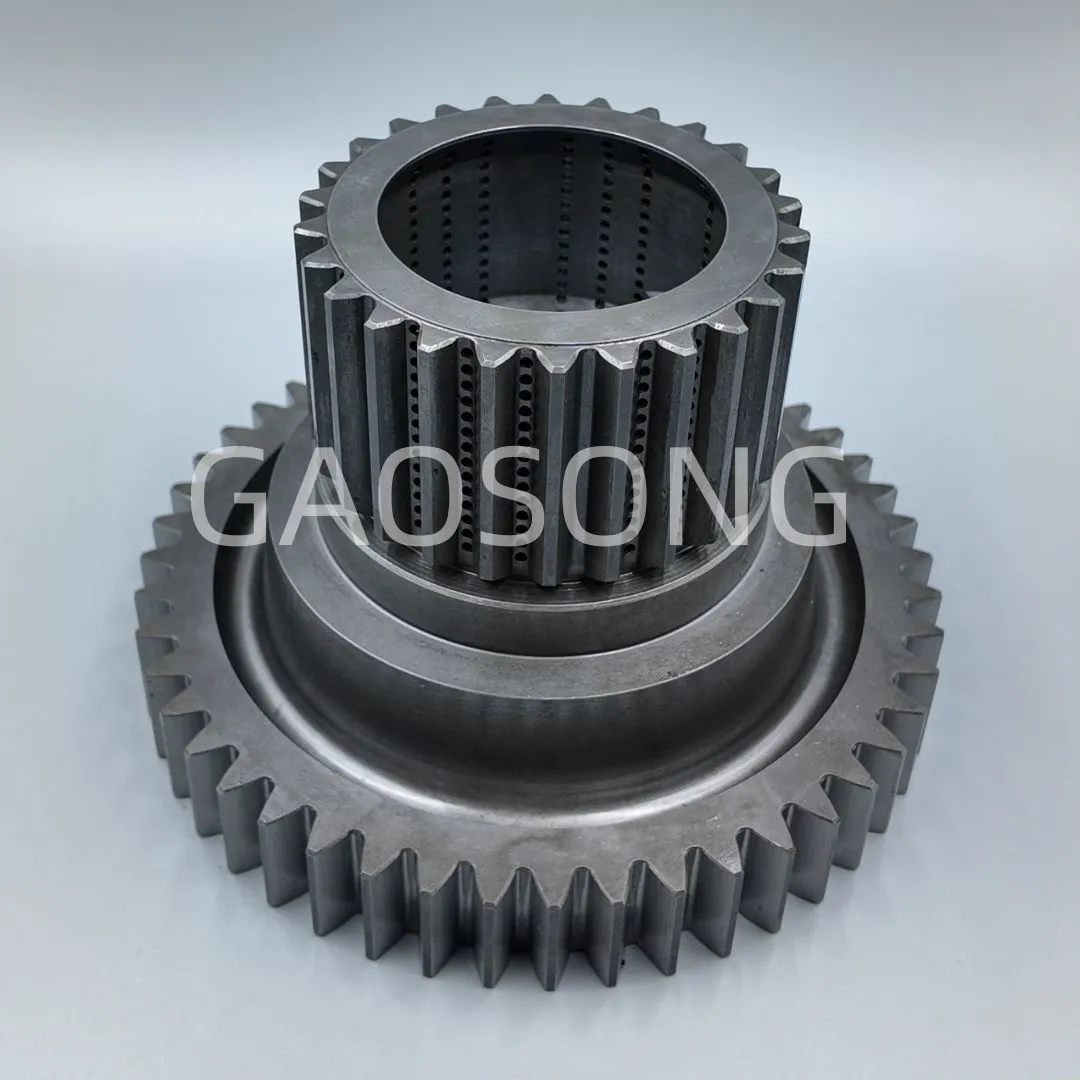 714-07-12420 •• GEAR¤ 48 TEETH,FORWARD–Komatsu Original Factory
 -
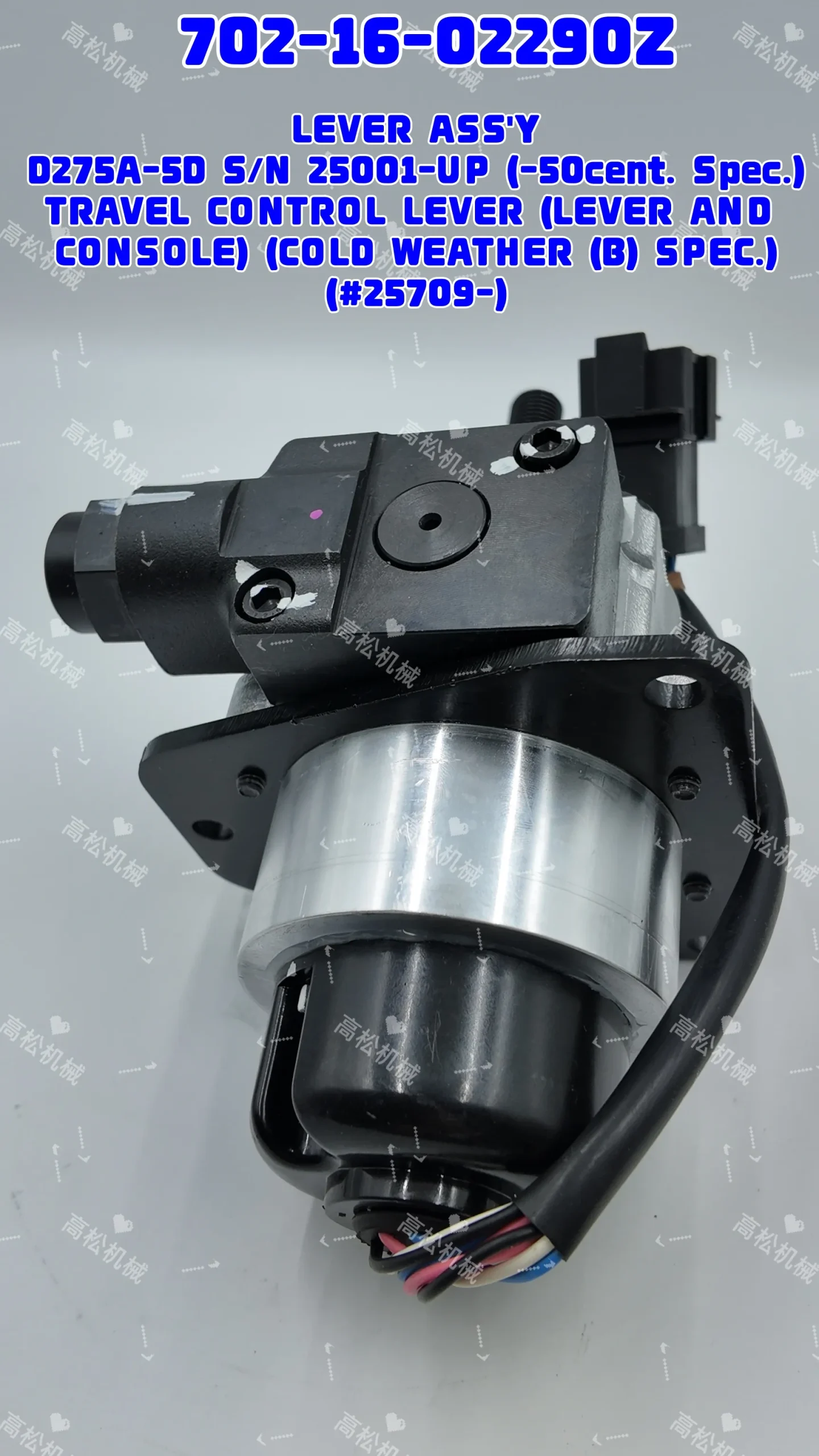 702-16-02290 Original Lever Assy for Bulldozer D275A-5r D65ex-16 D65px D155ax-6 in Stock
 -
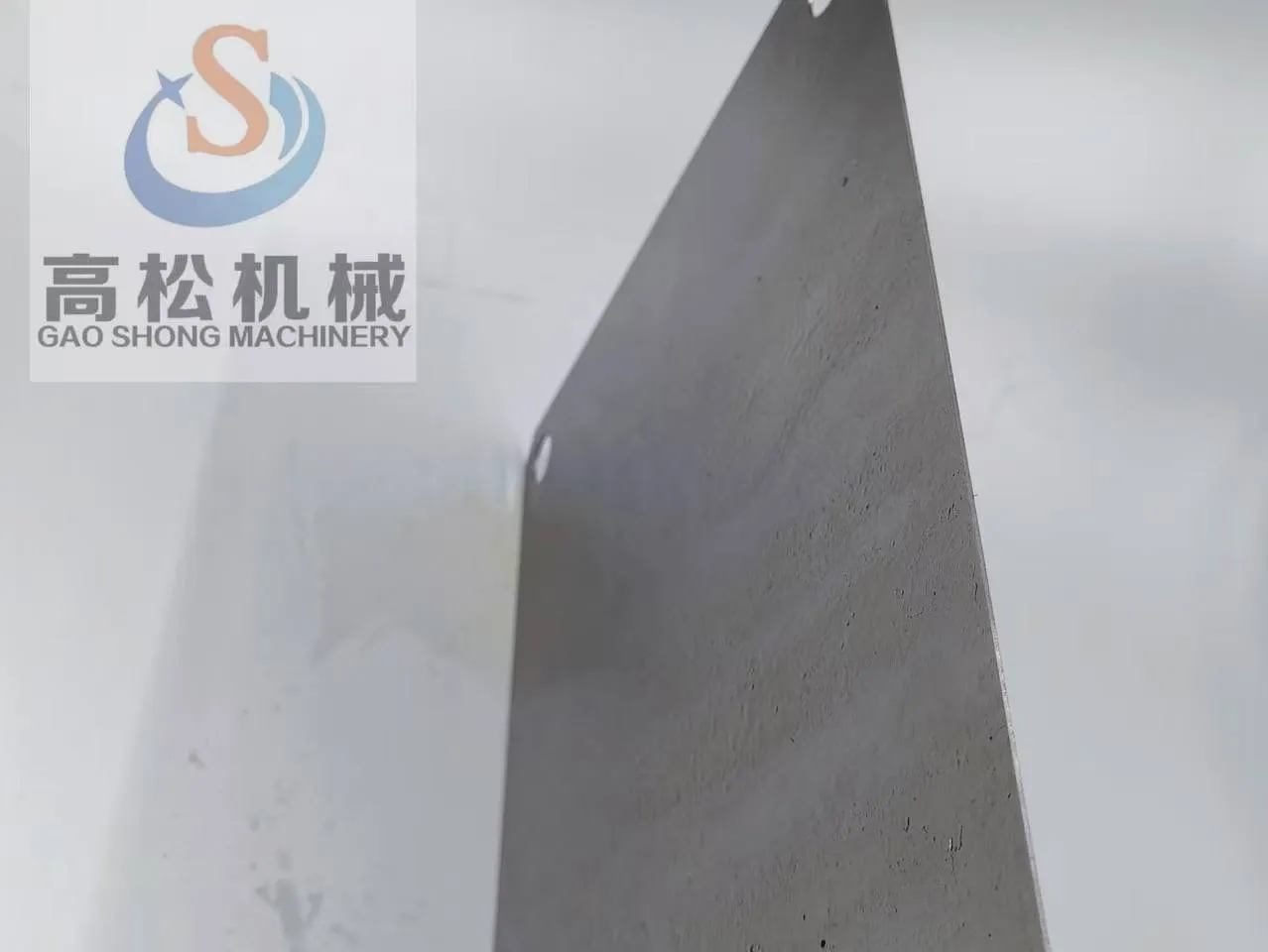 561-74-61540 Komatsu Shim Compatible Model: HD985. Available for immediate shipment.
 -
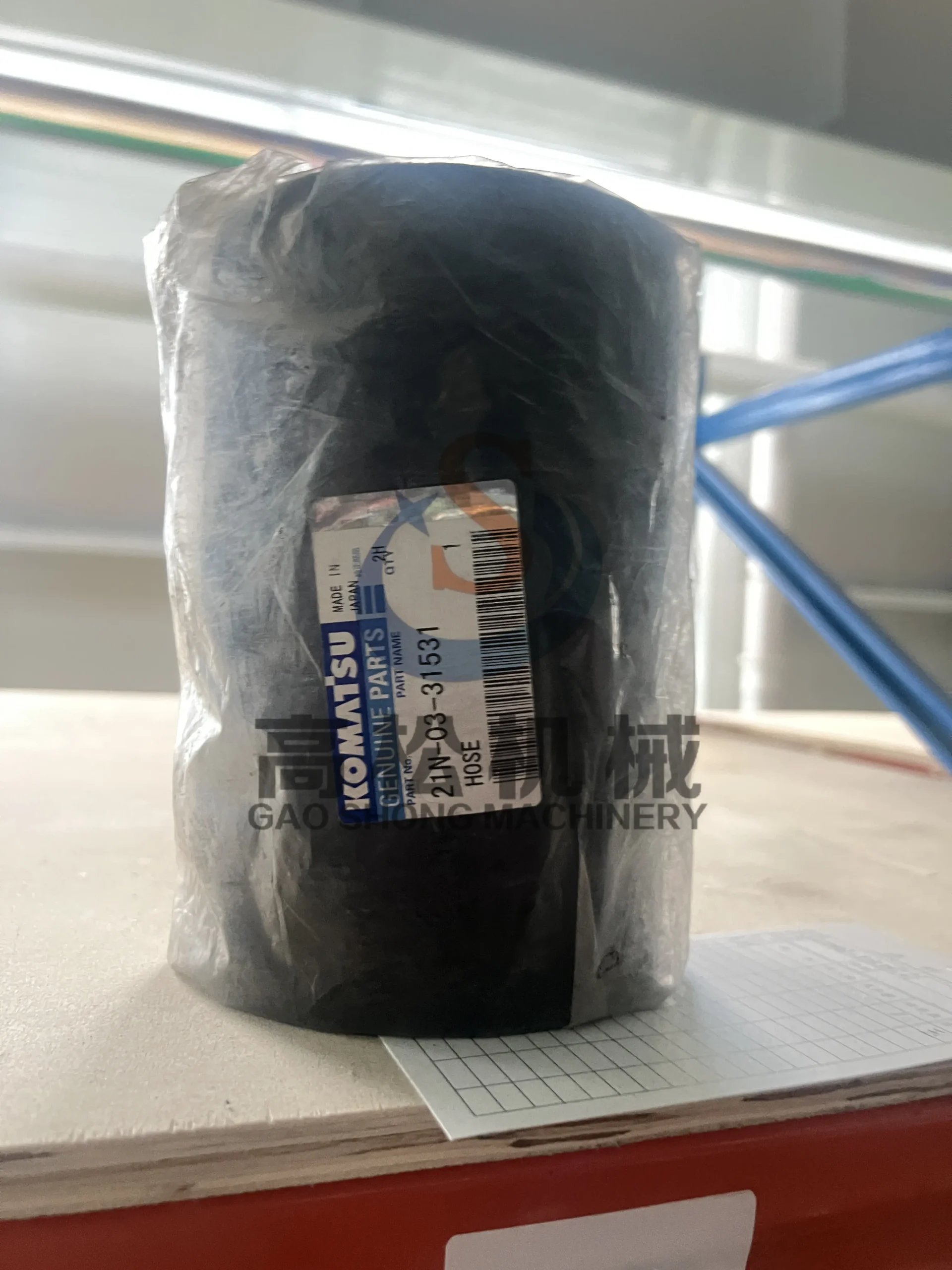 HOSE 21N-03-31531 – KOMATSU
 -
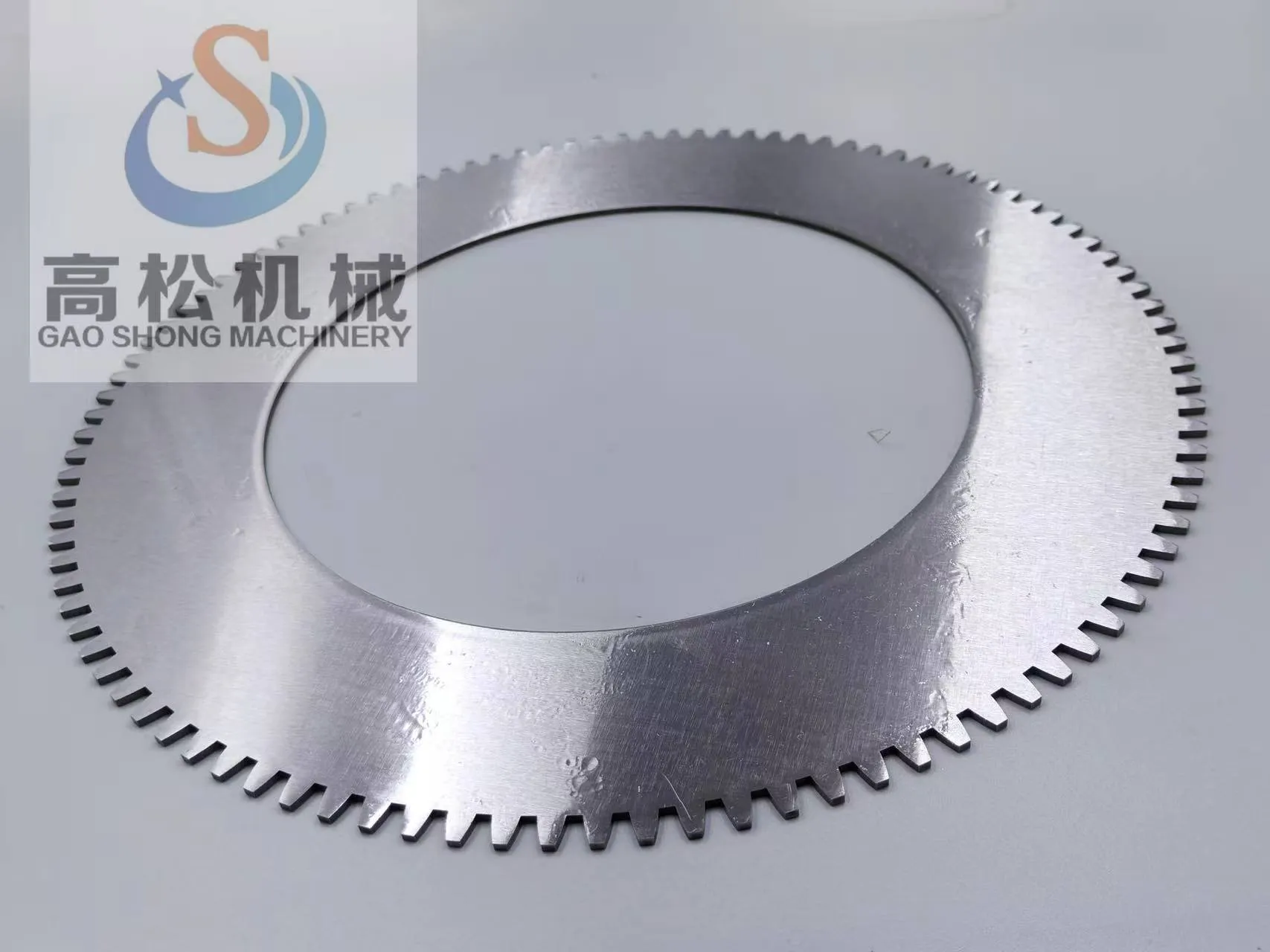 Ring seal gd825a grader 235-22-11550