
- Chinese
- French
- German
- Portuguese
- Spanish
- Russian
- Japanese
- Korean
- Arabic
- Irish
- Greek
- Turkish
- Italian
- Danish
- Romanian
- Indonesian
- Czech
- Afrikaans
- Swedish
- Polish
- Basque
- Catalan
- Esperanto
- Hindi
- Lao
- Albanian
- Amharic
- Armenian
- Azerbaijani
- Belarusian
- Bengali
- Bosnian
- Bulgarian
- Cebuano
- Chichewa
- Corsican
- Croatian
- Dutch
- Estonian
- Filipino
- Finnish
- Frisian
- Galician
- Georgian
- Gujarati
- Haitian
- Hausa
- Hawaiian
- Hebrew
- Hmong
- Hungarian
- Icelandic
- Igbo
- Javanese
- Kannada
- Kazakh
- Khmer
- Kurdish
- Kyrgyz
- Latin
- Latvian
- Lithuanian
- Luxembou..
- Macedonian
- Malagasy
- Malay
- Malayalam
- Maltese
- Maori
- Marathi
- Mongolian
- Burmese
- Nepali
- Norwegian
- Pashto
- Persian
- Punjabi
- Serbian
- Sesotho
- Sinhala
- Slovak
- Slovenian
- Somali
- Samoan
- Scots Gaelic
- Shona
- Sindhi
- Sundanese
- Swahili
- Tajik
- Tamil
- Telugu
- Thai
- Ukrainian
- Urdu
- Uzbek
- Vietnamese
- Welsh
- Xhosa
- Yiddish
- Yoruba
- Zulu
- Kinyarwanda
- Tatar
- Oriya
- Turkmen
- Uyghur






Buy Komatsu parts
When you type 'Buy Komatsu parts' into a search engine, you're immediately thrown into a world of promises. Everyone claims to have genuine stock, fast shipping, and unbeatable prices. Having been in this trenches for years, I can tell you that's the first red flag. The real challenge isn't finding a seller; it's identifying the one that won't leave you with a $15,000 paperweight because the hydraulic pump you bought as OEM-equivalent fails in three weeks. The common mistake is prioritizing the transaction over the supply chain integrity. It's not just about buying a part; it's about securing the continuity of your machine's lifecycle.
The OEM Mirage and the Third-Party Reality
Let's be clear: Komatsu's official channels are the gold standard, but they aren't always the practical solution. For older models, or for operations in regions with complex import logistics, the official pipeline can be slow or even non-existent. This is where the ecosystem of third-party suppliers comes in, and it's a wild west. Some are brilliant, with deep engineering knowledge. Others are just resellers flipping parts from dubious sources. The key is to find a partner who operates within the Komatsu system but understands its gaps.
I remember a project in West Africa where we needed a final drive for a PC300-8. The local Komatsu dealer quoted a 4-month lead time due to global supply chain issues. That's catastrophic for a mining operation. We had to look elsewhere. This is precisely the niche companies like Jining Gaosong Construction Machinery Co., Ltd. aim to fill. They position themselves as an OEM product supplier within Komatsu's system while also acting as a third-party sales channel. In theory, this hybrid model means they have access to legitimate supply lines but can maneuver more flexibly to solve specific regional shortages. Their site, https://www.takematsumachinery.com, explicitly states they help solve parts supply challenges in certain countries, which isn't just marketing fluff—it's a real, daily problem for fleet managers.
The pitfall here is assuming OEM product supplier means every part on their shelf is in a Komatsu box. It doesn't. It often means they supply components that meet the original engineering specifications, sometimes sourced from the same foundries Komatsu uses. You have to ask the right questions: Is this a genuine Komatsu part with the factory serial traceability, or is this an OEM-spec part from your approved vendor? The price and warranty implications are huge.
Specifics Matter: Beyond Part Numbers
Anyone can read a parts catalog. The expertise comes in knowing the nuances. Take the common SAA6D114E-3 engine. A turbocharger might have the same part number across several models, but subtle differences in the compressor housing or actuator from one machine serial number range to another can cause fitment issues or performance loss. I learned this the hard way early on, trusting a compatible part number from a large online marketplace. It arrived, looked identical, but the actuator port was a millimeter off. Cost us two days of downtime and a restocking fee.
This is where a supplier's technical depth shows. A good one won't just confirm a part number; they'll ask for your machine's serial number and maybe even the code stamped on the failed component. They might call out known failures or running changes. For instance, the swing motor on certain PC360LC-10 models had a design revision mid-production. If you don't get the correct version, it simply won't work. A partner like Gaosong, by virtue of being embedded in the system, should have access to these technical bulletins, which is a significant advantage over a generic parts reseller.
Another concrete example is undercarriage components. Buying Komatsu parts for undercarriage is a minefield. You have segments, links, rollers, and sprockets. The price difference between a premium OEM-spec segment and a budget rebuild can be 40%. The budget part might work for a low-hour, easy application. But in high-abrasion conditions, it'll wear out twice as fast, costing you more in the long run. A professional supplier should guide you through this trade-off based on your actual use case, not just sell you the cheapest option.
The Logistics and Authenticity Tangled Web
Securing the part is only half the battle. Getting it to your site, especially if you're in one of those certain countries with supply challenges, is the other half. Documentation, customs clearance, and final-mile delivery are where deals fall apart. I've had containers stuck in port for weeks over incorrect harmonized system codes. A supplier with real export experience to your region is invaluable. They should proactively handle the commercial invoice, packing list, and certificates of origin to prevent these delays.
Then there's authenticity. Counterfeits are sophisticated. The best test is often the price itself. If a genuine Komatsu main control valve is 60% below market rate, it's fake. Full stop. But some fakes are priced more cleverly. You develop an eye for it: the packaging hue might be off, the casting marks less crisp, the metal grain slightly different. Reputable suppliers mitigate this by providing traceability. They should be able to tell you the batch lot and their source. If they get defensive or vague when asked for provenance, walk away. The business model described by Jining Gaosong—being within the Komatsu system—suggests they should have clearer lines of traceability than a purely independent trader, which is a major point of trust.
Payment terms are another tell. Wire transfer 100% upfront to an unknown company? High risk. Standard practice with established partners is often 30-50% deposit, balance against copy of shipping documents. It protects both sides. It also shows the supplier has enough capital to finance the purchase order, which is a sign of stability.
Failures and Lessons from the Field
Not every purchase is a success story. We once sourced a set of pilot control joysticks from a new vendor who promised full compatibility. They physically fit, but the potentiometer feedback curve was non-linear compared to the OEM part. The result was jerky, unpredictable machine movement. The operator hated it, and it was a safety concern. We had to swallow the cost and re-order from a more technical supplier. The lesson: for electronic or hydraulic control components, fits does not equal functions. You need a supplier who understands the system, not just the bolt pattern.
Another failure was with a radiator. We bought an aftermarket unit that was supposed to have increased cooling capacity. It did, but the mounting brackets were just slightly less robust. Over months of vibration, fatigue cracks developed, leading to a catastrophic failure and engine overheating. The core lesson was that every component, even a seemingly simple one like a radiator, is part of a stressed system. Engineering validation matters. This is why having a supplier that either is an OEM supplier or works closely with OEM-approved manufacturers is critical—they inherit some of that validation rigor.
These experiences force you to build a mental checklist. For critical components—engine, hydraulics, electronics—lean towards genuine or certified OEM-spec from a system-integrated supplier. For non-critical, wear items like filters, seals, or standard hoses, a wider range of reputable aftermarket options can be perfectly fine and cost-effective. It's about risk management.
Building a Relationship, Not Just a Cart
Ultimately, typing 'Buy Komatsu parts' should be the start of a conversation, not the end. The goal is to move from a transactional search to a consultative relationship. A good supplier becomes an extension of your maintenance team. They'll alert you to common failure modes on your fleet's models, suggest proactive replacement intervals for known weak points, and even help you source obsolete parts through their network.
This is where the value proposition of a company like the one behind https://www.takematsumachinery.com becomes tangible. If they truly operate as an insider within the Komatsu ecosystem while providing third-party agility, they can offer that consultative layer. They can explain why a part is unavailable through standard channels and what the vetted alternative is. They can navigate the complexities of cross-border supply to get you what you need, when you need it.
So next time you need to buy Komatsu parts, look past the first page of search results. Look for the evidence of real-world problem-solving: detailed product knowledge, willingness to ask for your machine's details, transparency on source and logistics, and a business model that addresses the actual friction points in the global parts market. It's less about finding a website and more about finding a partner who understands that your downtime is measured in thousands of dollars per hour. That's the difference between just buying a part and keeping your iron earning.
Related Products
Related Products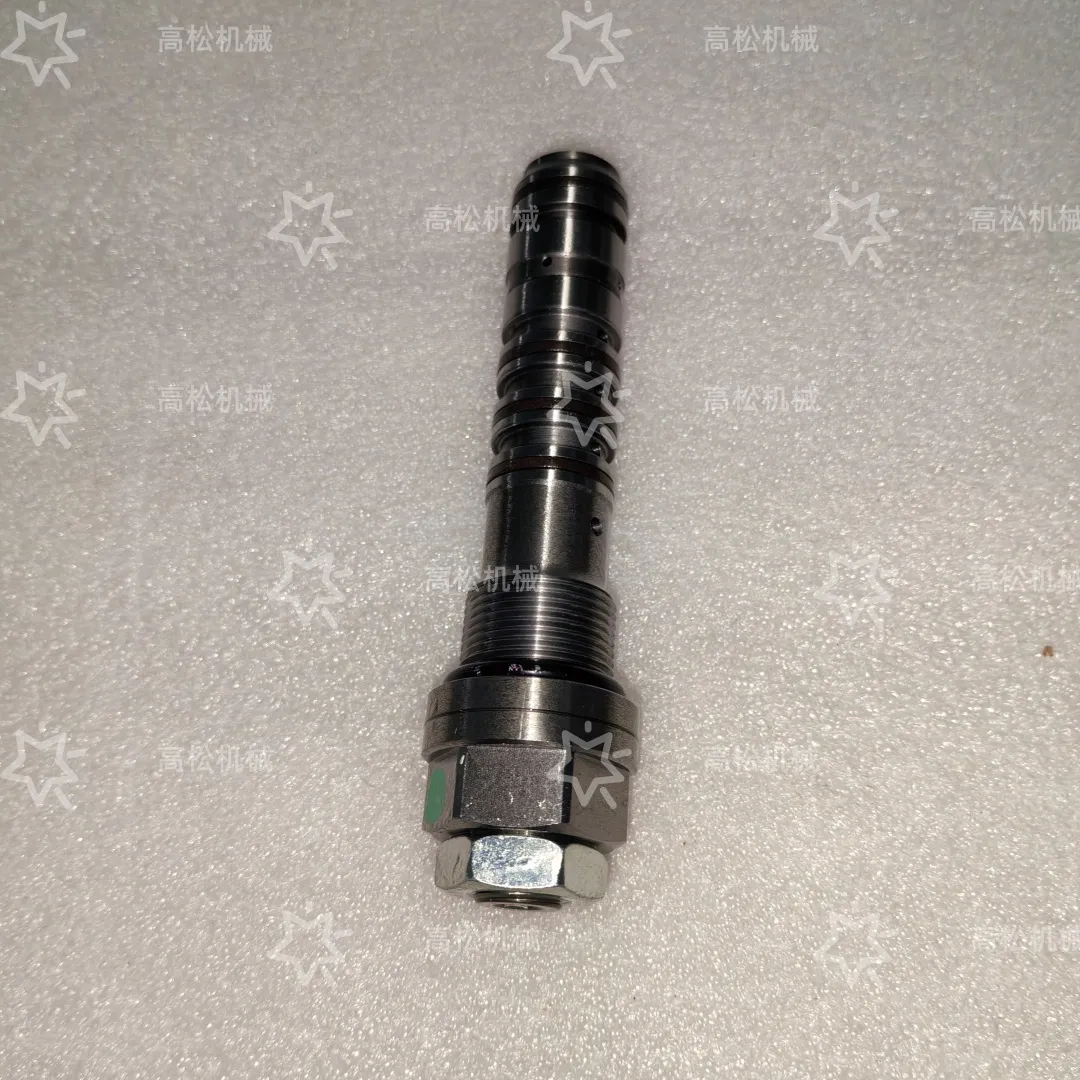
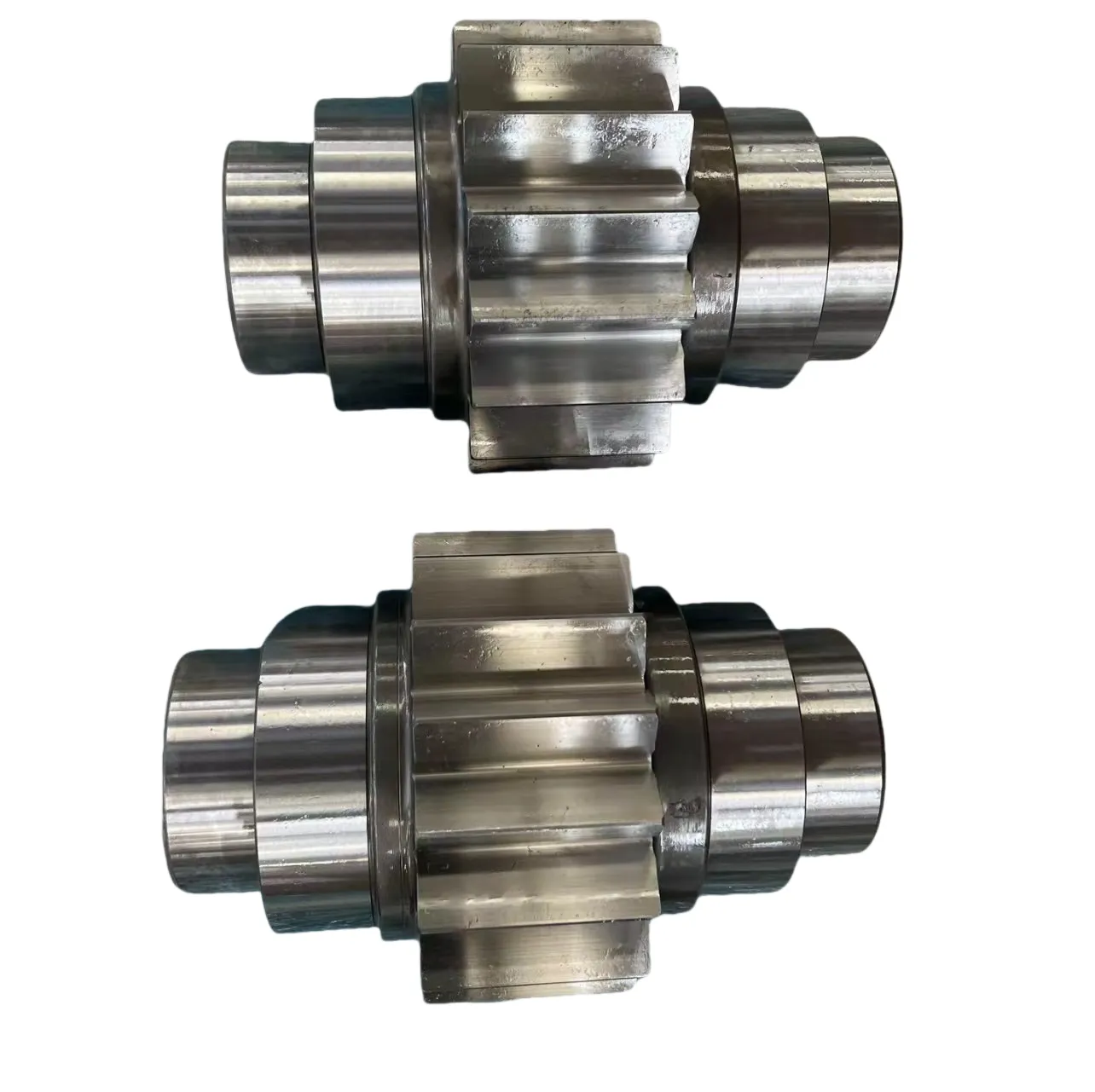
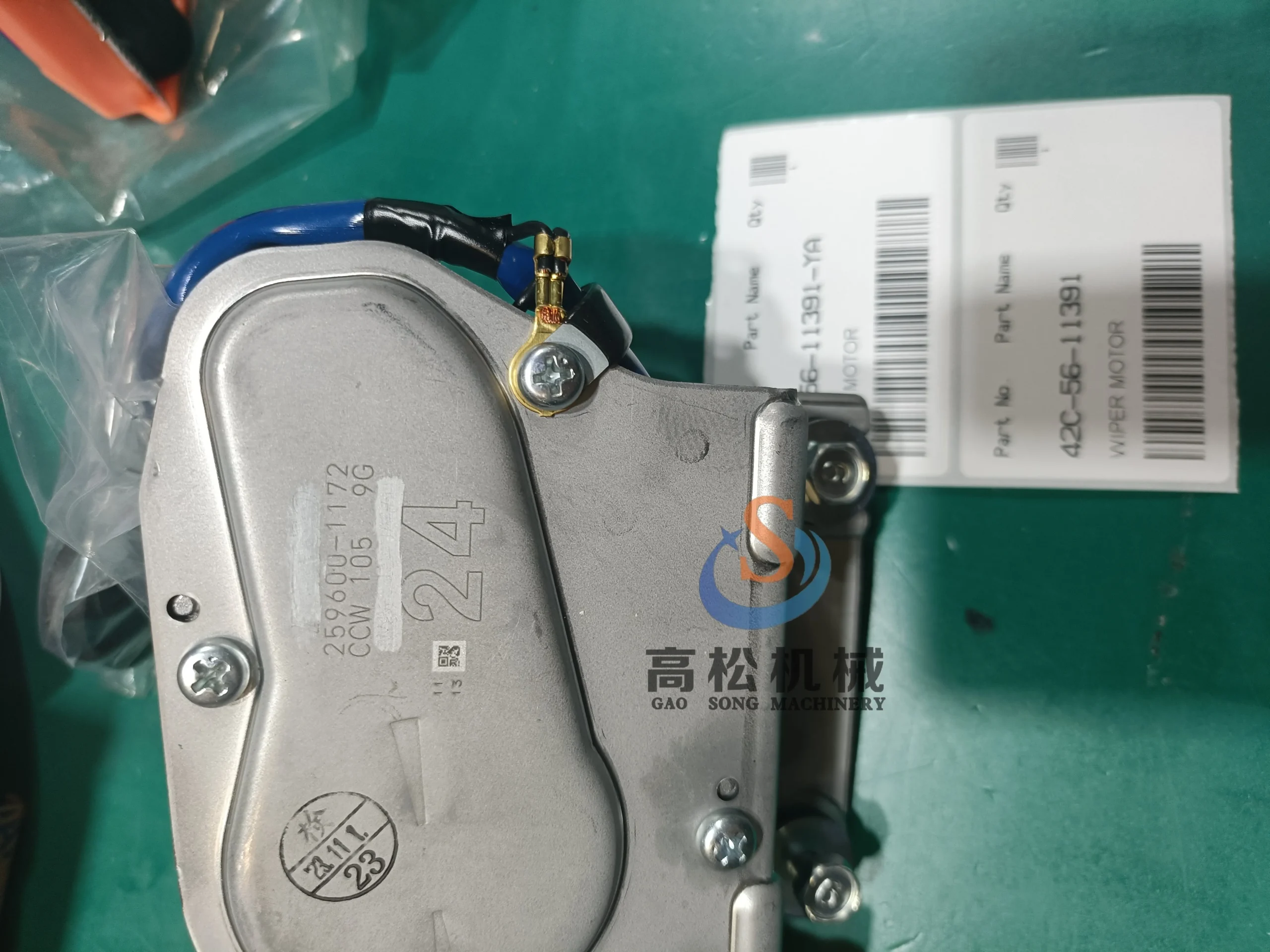
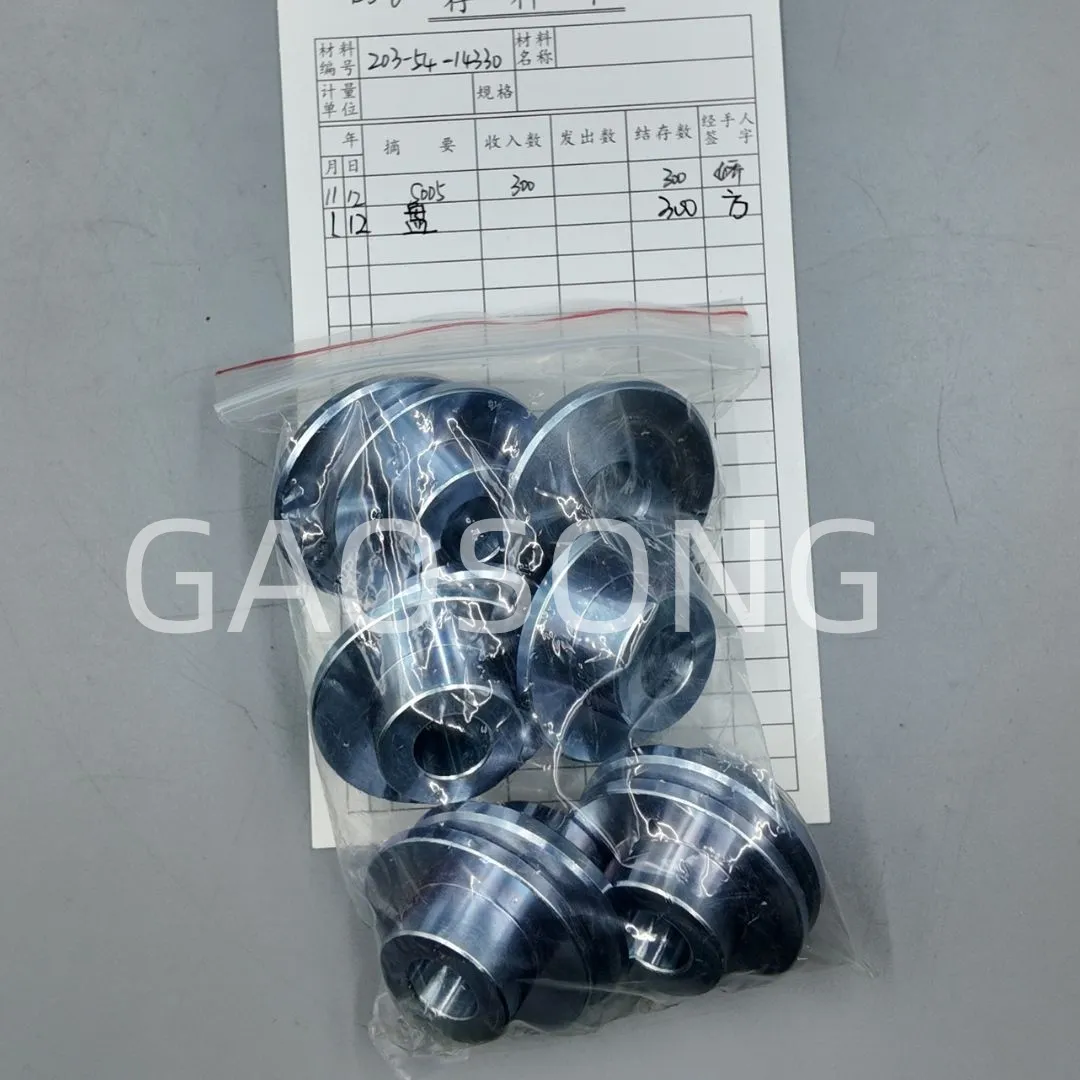

Best Selling Products
Best Selling Products-
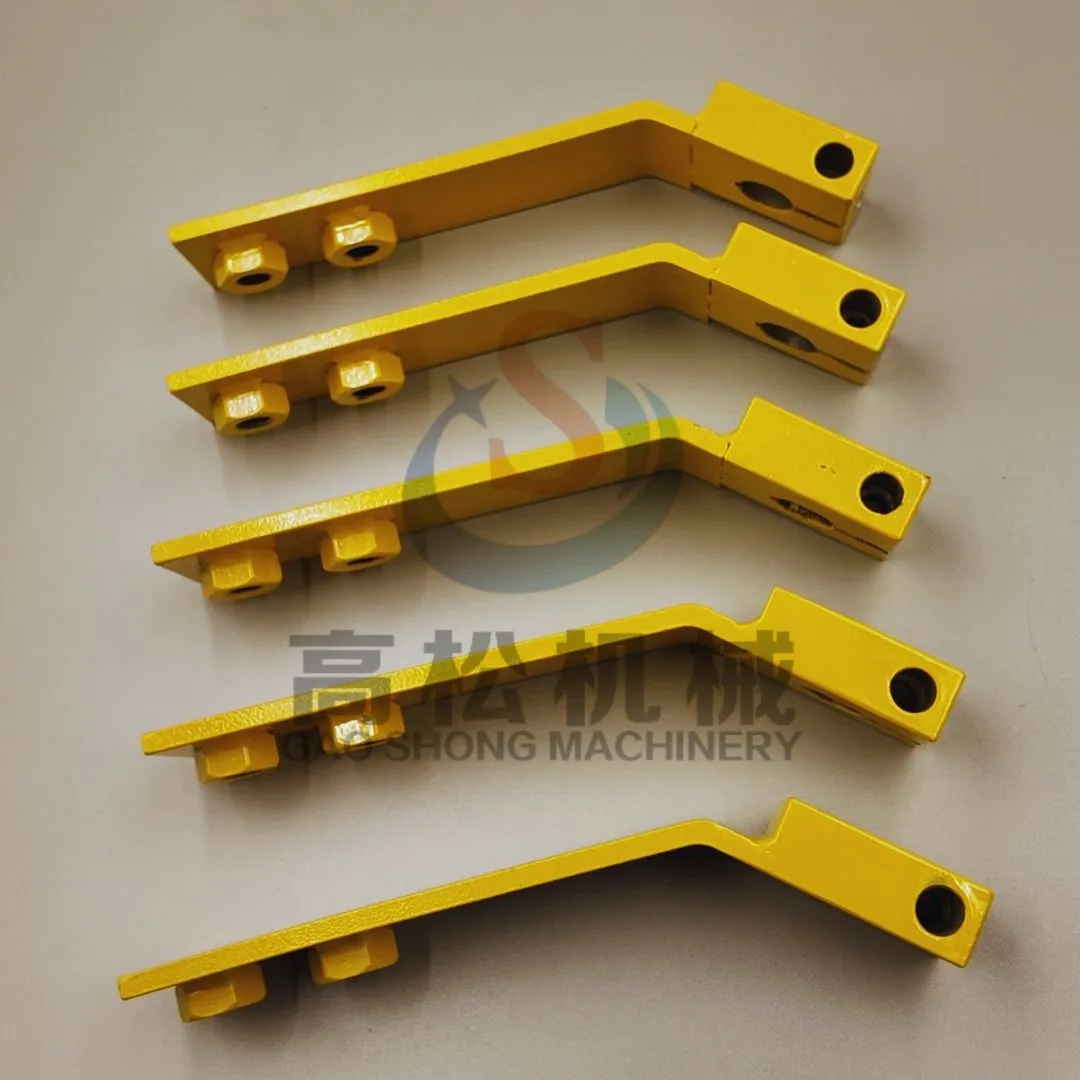 KOMATSU 566-86-6K430 BRACKET
 -
 RING 234-15-29220
 -
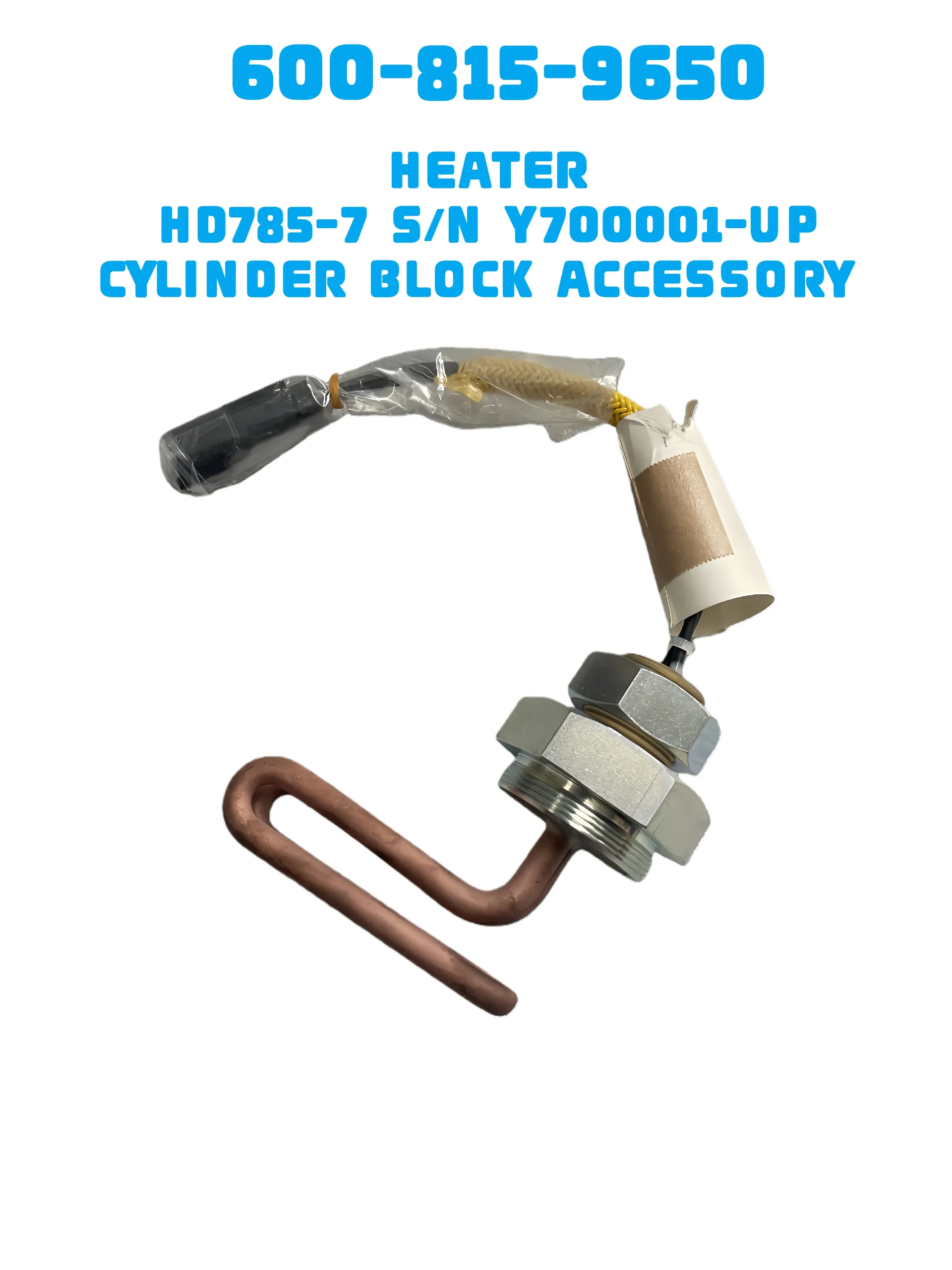 komatsu-part-600-815-9650 HEATER SAA12V140E-3B HD785-7 SAA12V140E-7 SAA12V140E-3D CYLINDER BLOCK ACCESSORY (OIL SENSOR¤ SWITCH AND WATER HEATER) OIL COOLER (COLD TERRAIN SPEC.) CYLINDER BLOCK ACCESSORY (FOR COLD AREA SPECIFICATION,ENGINE OIL PAN AND COOLANT HEATER) ENGINE OIL COOLER (FOR COLD AREA SPECIFICATION A (-30 DEG C),ENGINE OIL PAN AND COOLANT HEATER)
 -
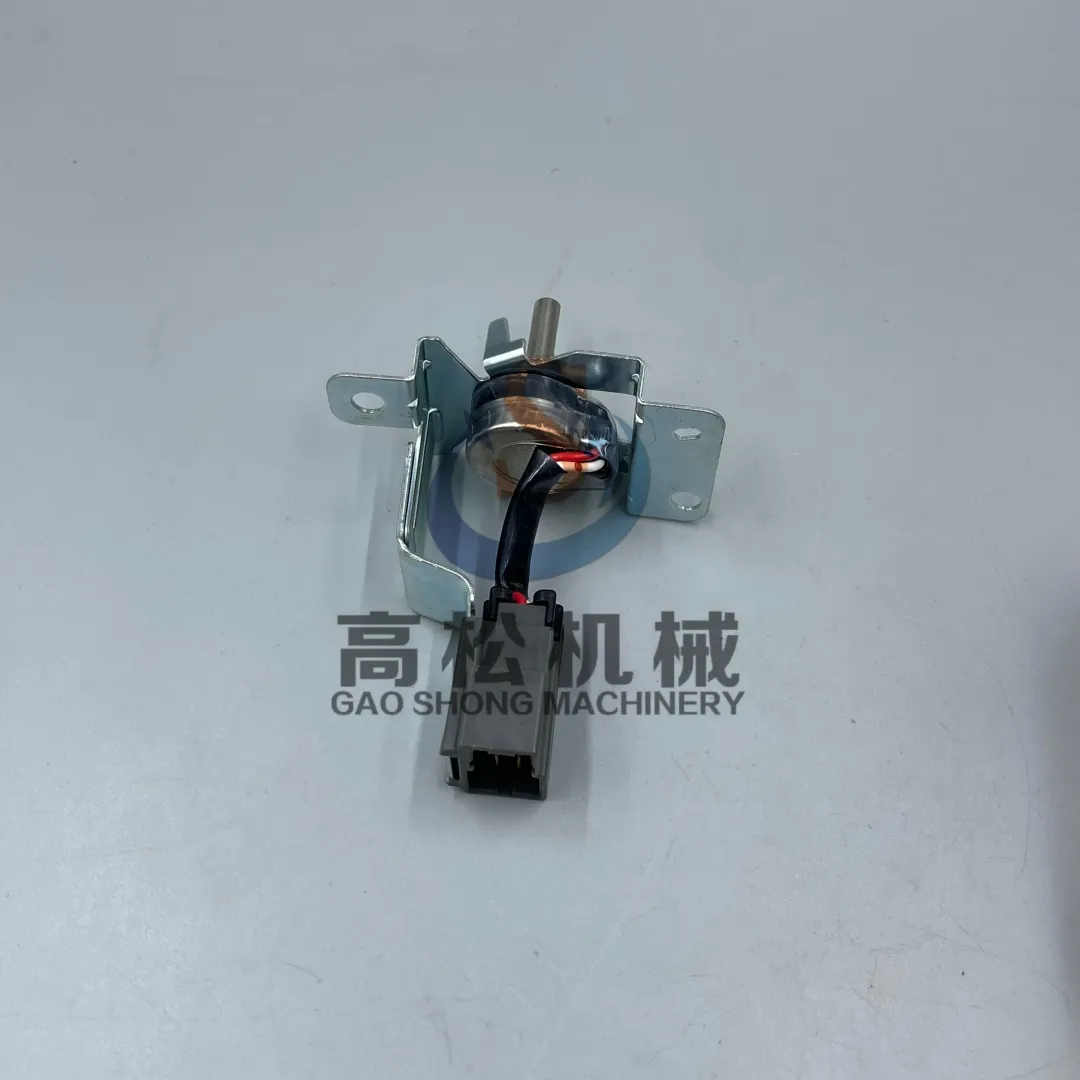 Komatsu original throttle knob 21T-26-11270 stop washer
 -
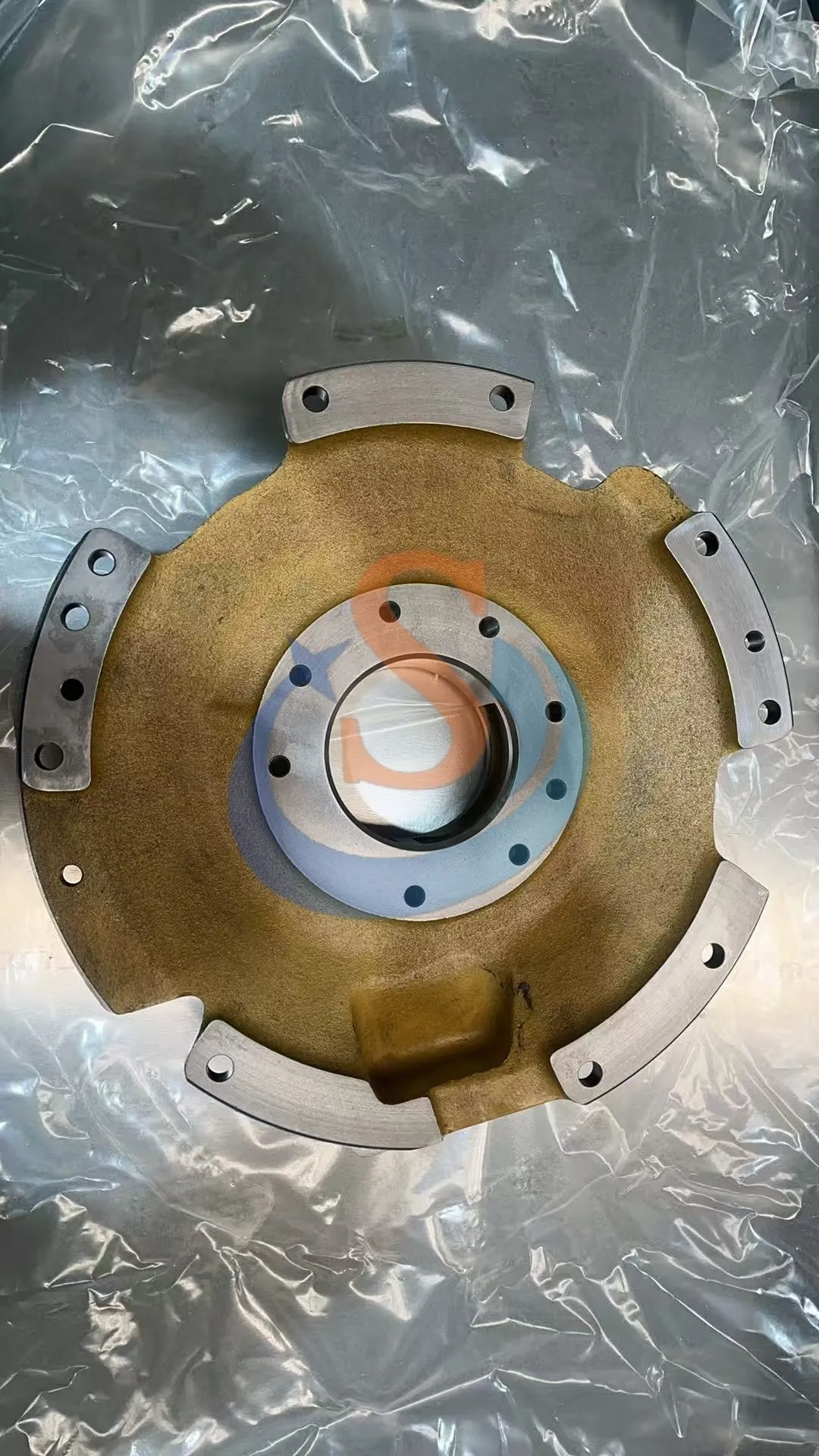 14X-13-54411 Housing D65PX/D65WX/D65EX
 -
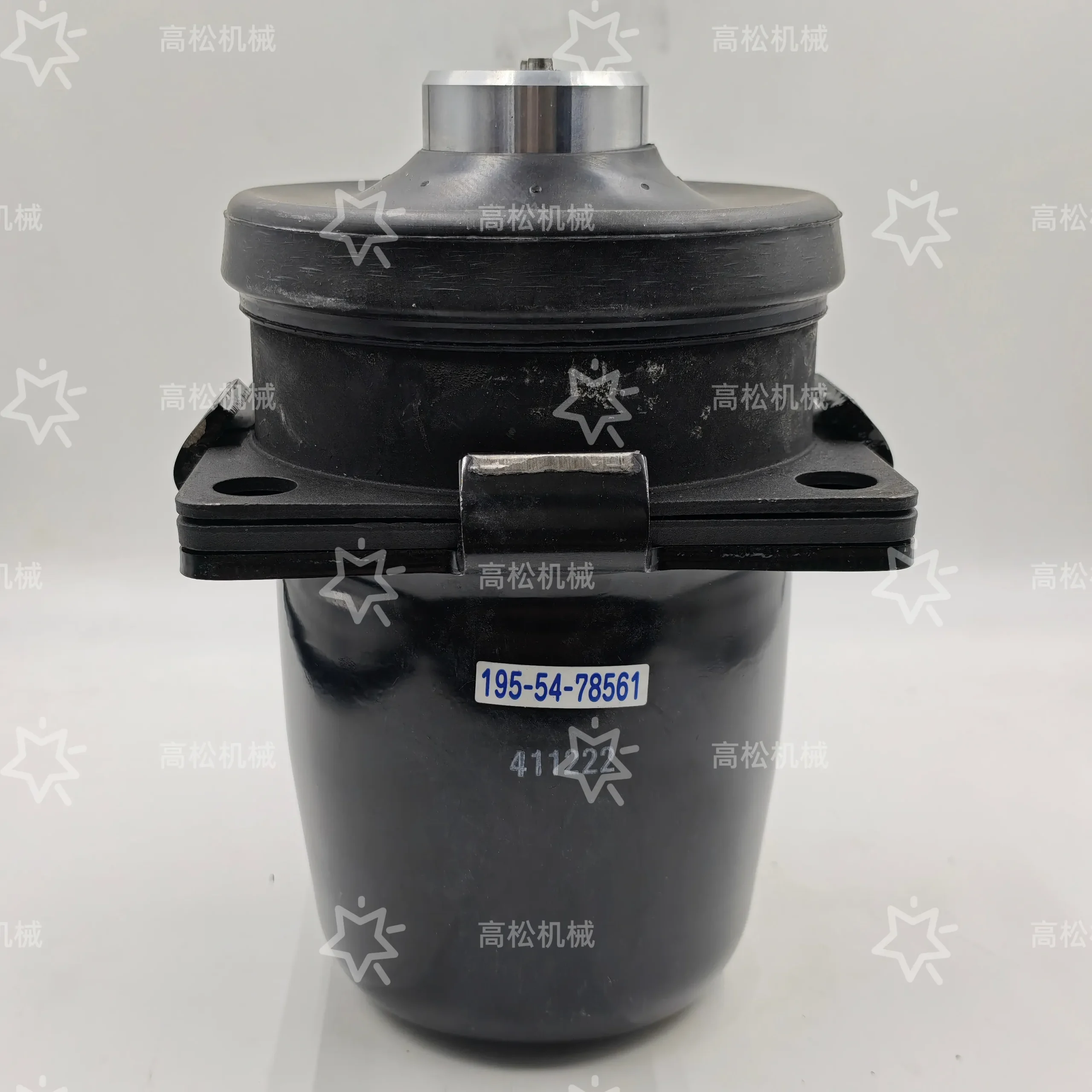 195-54-78561 Engine Cushion for D275A D375A Bulldozer
 -
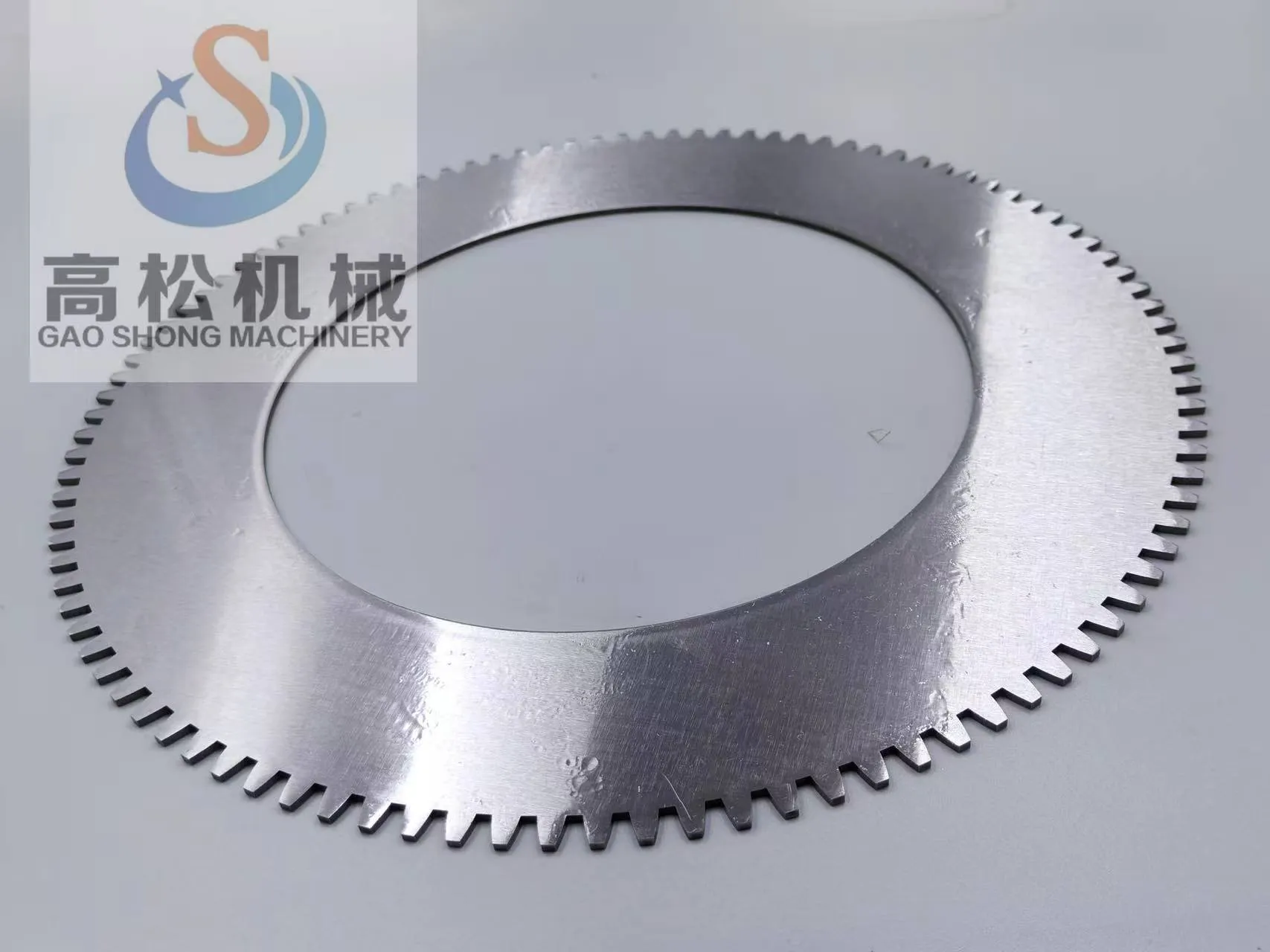 Ring seal gd825a grader 235-22-11550
 -
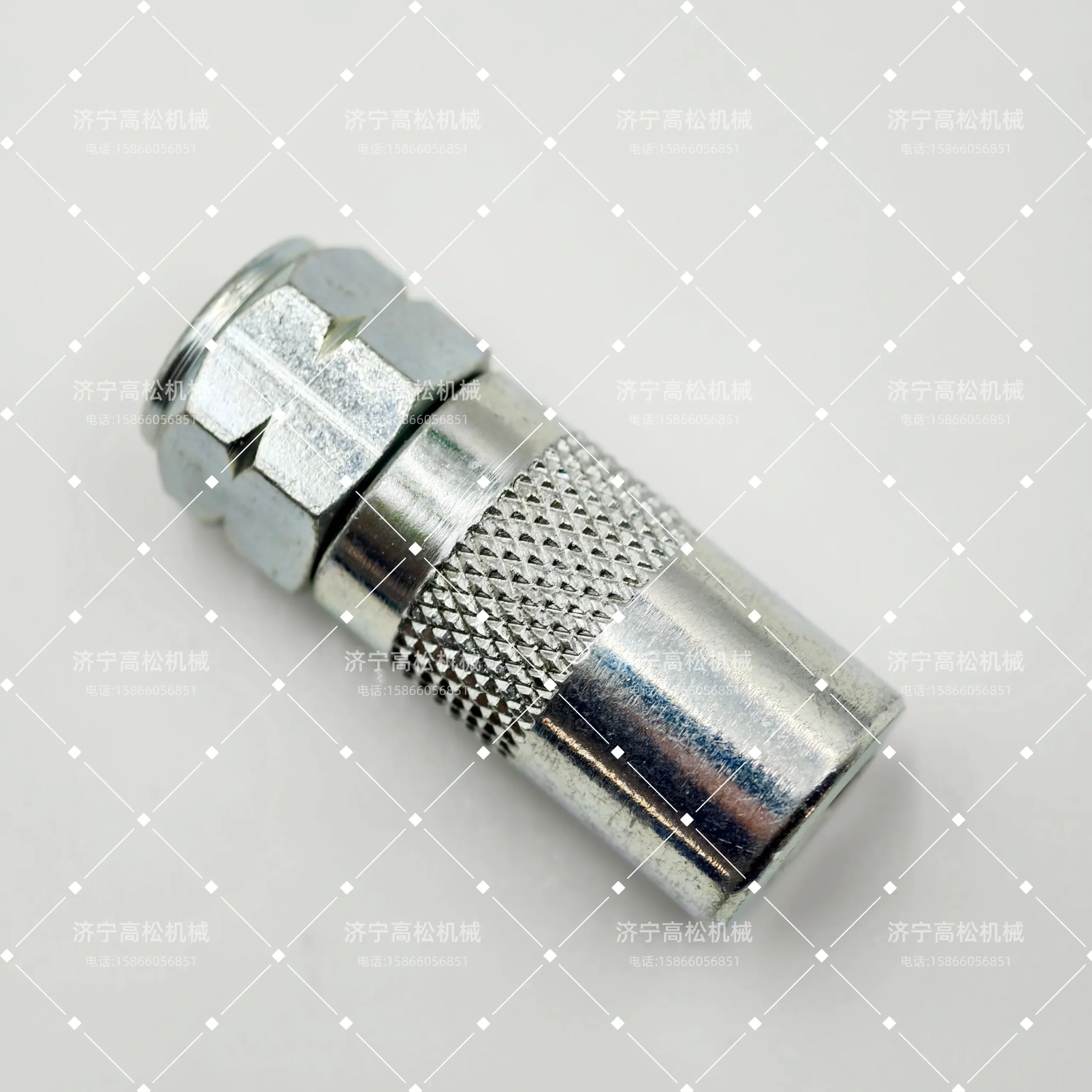 209-68-11640 Komatsu Coupling Assembly
 -
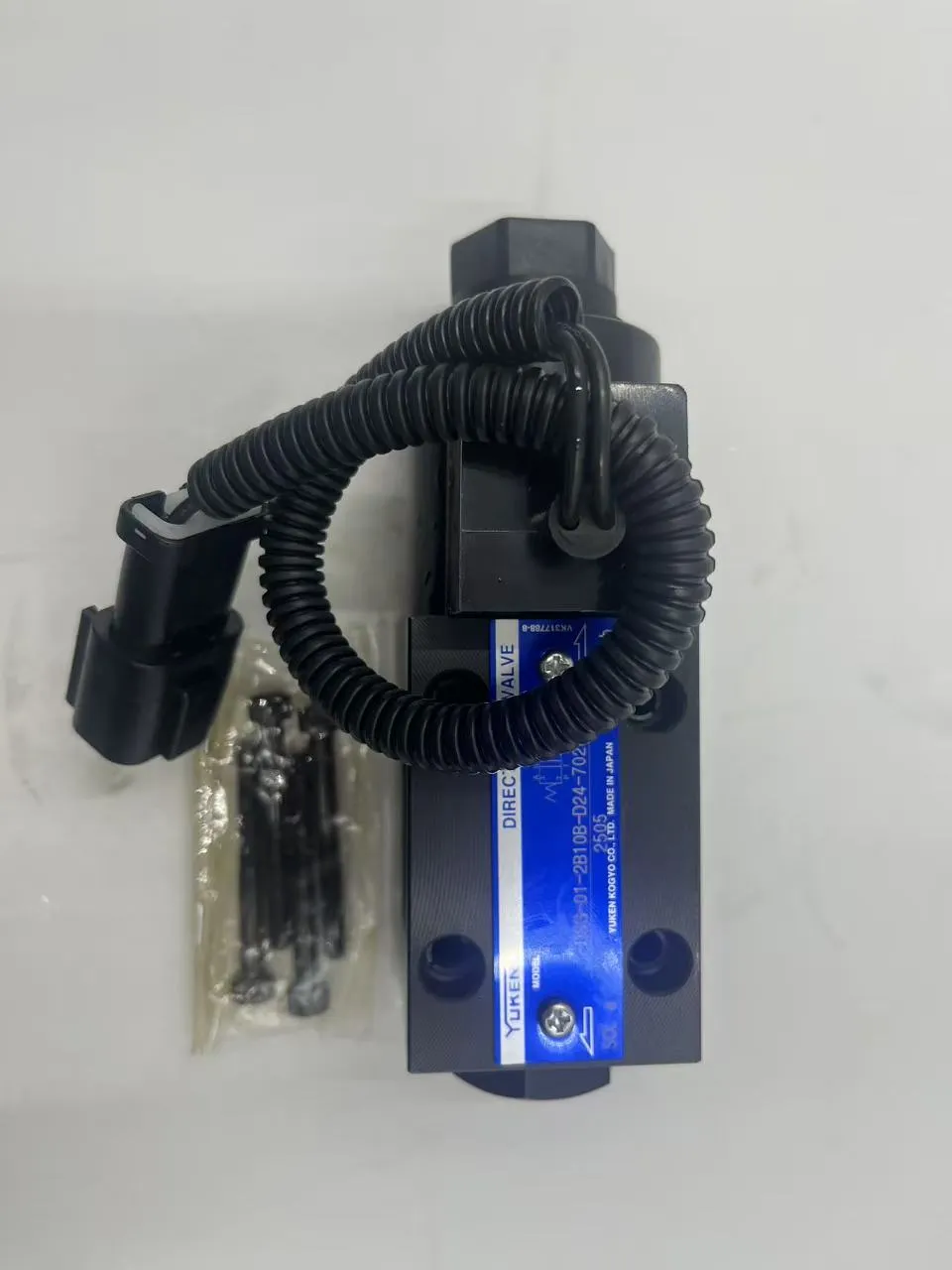
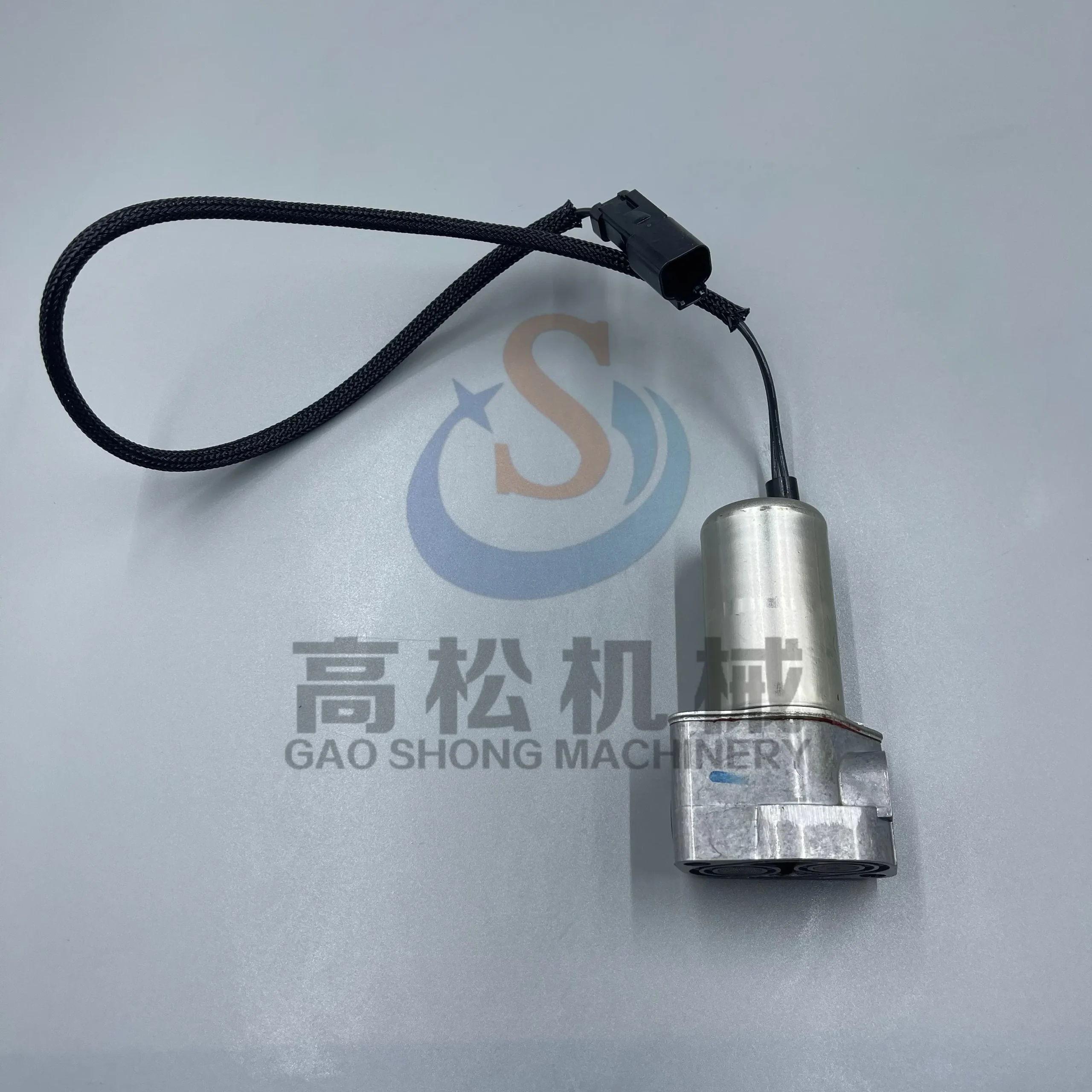 702-21-07620 SOLENOID VALVE (Komatsu)
 -
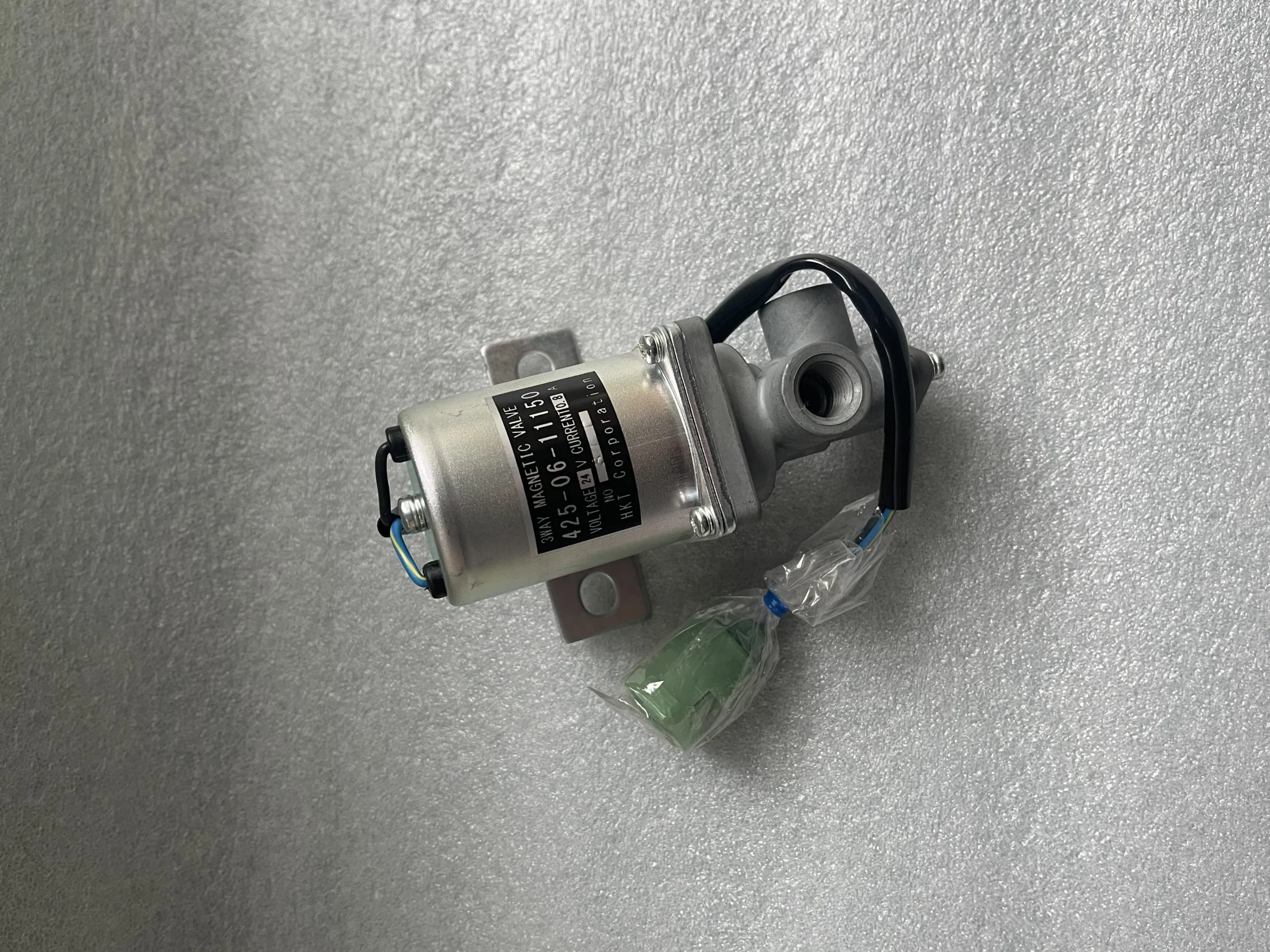 Valve,Parking brake425-06-11150
 -
 BUSHING 707-76-16011 KOMATSU
 -
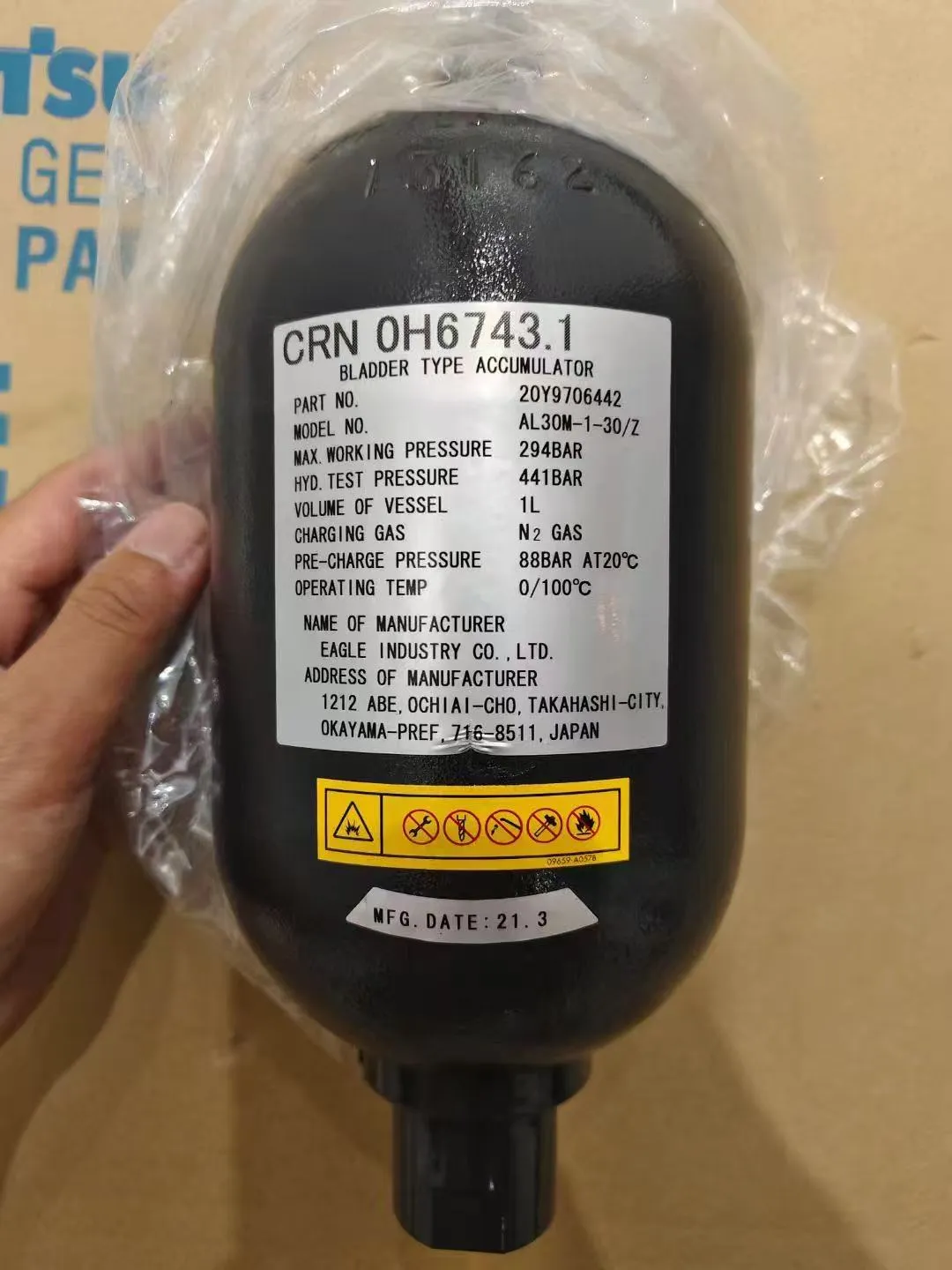 20Y-970-6442 Komatsu Accumulator Assembly