
- Chinese
- French
- German
- Portuguese
- Spanish
- Russian
- Japanese
- Korean
- Arabic
- Irish
- Greek
- Turkish
- Italian
- Danish
- Romanian
- Indonesian
- Czech
- Afrikaans
- Swedish
- Polish
- Basque
- Catalan
- Esperanto
- Hindi
- Lao
- Albanian
- Amharic
- Armenian
- Azerbaijani
- Belarusian
- Bengali
- Bosnian
- Bulgarian
- Cebuano
- Chichewa
- Corsican
- Croatian
- Dutch
- Estonian
- Filipino
- Finnish
- Frisian
- Galician
- Georgian
- Gujarati
- Haitian
- Hausa
- Hawaiian
- Hebrew
- Hmong
- Hungarian
- Icelandic
- Igbo
- Javanese
- Kannada
- Kazakh
- Khmer
- Kurdish
- Kyrgyz
- Latin
- Latvian
- Lithuanian
- Luxembou..
- Macedonian
- Malagasy
- Malay
- Malayalam
- Maltese
- Maori
- Marathi
- Mongolian
- Burmese
- Nepali
- Norwegian
- Pashto
- Persian
- Punjabi
- Serbian
- Sesotho
- Sinhala
- Slovak
- Slovenian
- Somali
- Samoan
- Scots Gaelic
- Shona
- Sindhi
- Sundanese
- Swahili
- Tajik
- Tamil
- Telugu
- Thai
- Ukrainian
- Urdu
- Uzbek
- Vietnamese
- Welsh
- Xhosa
- Yiddish
- Yoruba
- Zulu
- Kinyarwanda
- Tatar
- Oriya
- Turkmen
- Uyghur






avs parts komatsu
When you hear 'AVS parts Komatsu', the immediate thought for many is just another line item in a parts catalog, maybe something to do with valves or hydraulics. That's the first misconception. In practice, AVS—often standing for Auxiliary Valve System or related assemblies in the Komatsu context—isn't just a component; it's a critical interface point between the machine's core hydraulics and its front-end tools. The confusion starts because the terminology isn't always consistent across different models or regional service manuals. I've seen seasoned mechanics order a generic control valve only to find the port threads or pilot pressure ratings are off by a hair, causing leaks or sluggish implement response. The real story with AVS parts is about system integration, not just replacement.
The OEM Blueprint and the Aftermarket Gap
Working with an OEM-aligned supplier like Jining Gaosong Construction Machinery Co., Ltd. sheds light on the nuance. Their position as an OEM product supplier within the Komatsu system means they have access to the original specifications and engineering tolerances for assemblies like the AVS control blocks for a PC360 or a WA600 wheel loader. This is crucial. The aftermarket is flooded with compatible valves, but the devil's in the details—like the hardness of the spool or the specific O-ring compound that handles Komatsu's preferred hydraulic oil temperature range. I recall a job in a quarry where a non-OEM AVS solenoid valve failed repeatedly every 200 hours; it couldn't handle the constant pressure spikes from the hammer circuit. The machine downtime cost far exceeded the price difference on the part itself.
This is where the role of a specialized third-party sales company becomes tangible. A company like Gaosong, which also operates as a third-party sales company for Komatsu, isn't just moving boxes. They're solving a logistics and authenticity puzzle. In certain markets, getting genuine Komatsu AVS components—say, a complete valve bank for a Dash-8 series excavator—can involve lead times of months. Their model helps bridge that gap by ensuring the parts pipeline has reliability, not just availability. It's about having the right connections within the system to source the correct, traceable part, not just a look-alike.
The website takematsumachinery.com effectively represents this dual-channel approach. It’s not a flashy e-commerce site; it's a portal for professionals who need to verify part numbers and cross-reference applications. You get the sense they're dealing with the gritty realities of parts supply challenges in certain countries, like customs documentation for controlled hydraulic items or batch variations between Komatsu plants. Their value is in navigating that complexity.
Field Failures and the Diagnostic Chain
Let's talk about failure modes. An AVS issue rarely announces itself as AVS failure. It usually manifests as erratic thumb movement on an excavator, or a grader blade that won't hold its float position. The first instinct is often to blame the main pump or the joystick controllers. I've been down that rabbit hole, replacing expensive electronic control modules (ECMs) only to find the issue was a worn compensator spring inside the AVS control section. The pressure feedback loop was off by a few bar, throwing the whole system out of whack. This is where deep parts knowledge pays off. Knowing that a specific AVS manifold on a Komatsu D65 dozer is prone to hairline cracks near the pressure sensor port can save days of diagnostic time.
The practical step is always to isolate the circuit. Bypassing the AVS block temporarily (if the machine design allows it) can tell you a lot. But here's a catch: on newer Komatsu machines with ICT (Integrated Controller Technology), the AVS is often talking directly to the machine monitor. A fault code might be logged, but it can be generic. You need the proprietary diagnostic software to dig into the parameters, which again ties back to having proper OEM-level support and information. This is a key area where third-party suppliers with real system expertise add value—they often provide the technical data sheets or cross-sectional drawings that clarify how the AVS interacts with the main valve.
One specific case involved a Komatsu PC138USLC-10 with a forestry package. The customer complained of the grapple losing grip force intermittently. The grapple valve itself was fine. The problem was traced to a pilot pressure accumulator that was part of the extended AVS circuit for auxiliary functions. The accumulator had lost its pre-charge, causing a delay in pilot oil supply to the AVS spool when multiple functions were used. It wasn't a stocked part in that region. The solution came through a supplier channel that understood the machine's specific configuration code, not just its base model. That's the level of detail required.
Sourcing and the Authenticity Tightrope
Sourcing genuine AVS parts Komatsu is a constant tightrope walk between cost, time, and machine integrity. The price premium for a genuine Komatsu AVS control valve is significant. For a fleet manager, the temptation to go with a pattern part is huge. I've tested some of these aftermarket units. Some are surprisingly good, machined well and using decent seals. But many fail on metallurgy or on the calibration of internal check valves. The result is a slight but cumulative inefficiency—maybe a 2-3% increase in hydraulic oil temperature over a full shift. That doesn't sound like much, but over 5,000 hours, it degrades hoses, seals, and the oil itself, leading to a much larger bill.
The supplier's role is critical here. A reputable one won't just sell you a part; they'll ask for the machine serial number and the component's old part number. They might even ask for photos of the failed unit. This isn't bureaucracy; it's to avoid the nightmare of a will-fit part that requires on-site machining to install. I remember an instance where an aftermarket AVS block for a Komatsu HB365 mining shovel had the mounting bolt holes drilled to metric fine thread, while the original was standard metric coarse. It halted the entire rebuild for two days waiting for special bolts. A supplier with OEM insight would have flagged that immediately.
This is the core of helping to solve parts supply challenges. It's not merely about having a warehouse. It's about having the technical and logistical intelligence to match the exact part to the exact machine, especially for complex system components. It's about knowing that the AVS part for a Komatsu machine with a certain serial number break has a different flow regulator than the earlier model, and supplying the correct one without the customer needing to be an expert historian.
The Future: Integration and Information
Looking ahead, the trend with AVS and similar systems is deeper integration with machine electronics. We're moving from purely hydraulic pilot-operated AVS blocks to electro-hydraulic proportional valves that are nodes on a CAN bus network. This changes everything for parts and service. The part becomes a mechatronic unit. You can't just swap the valve; you often need to calibrate it with the monitor, or upload a configuration file. This raises the barrier for generic replacements and increases the value of suppliers who are embedded in the OEM technical ecosystem.
For a company operating within the Komatsu system, this shift represents both a challenge and an opportunity. The challenge is the increased complexity of support. The opportunity is that their value proposition shifts from just selling a physical component to providing a solution package—the right part, plus the technical data, and potentially the software steps needed to commission it. This is where the line between a parts seller and a technical partner blurs.
Ultimately, dealing with AVS parts Komatsu effectively is a testament to a supplier's depth. It's easy to sell filters and buckets teeth. Handling the intricate, system-critical components like AVS assemblies separates the order-takers from the problem-solvers. It requires a blend of OEM-grade technical knowledge, real-world field experience with failure analysis, and a supply chain robust enough to deliver the correct item under pressure. That's the real metric, far beyond what any keyword search can initially reveal.
Related Products
Related Products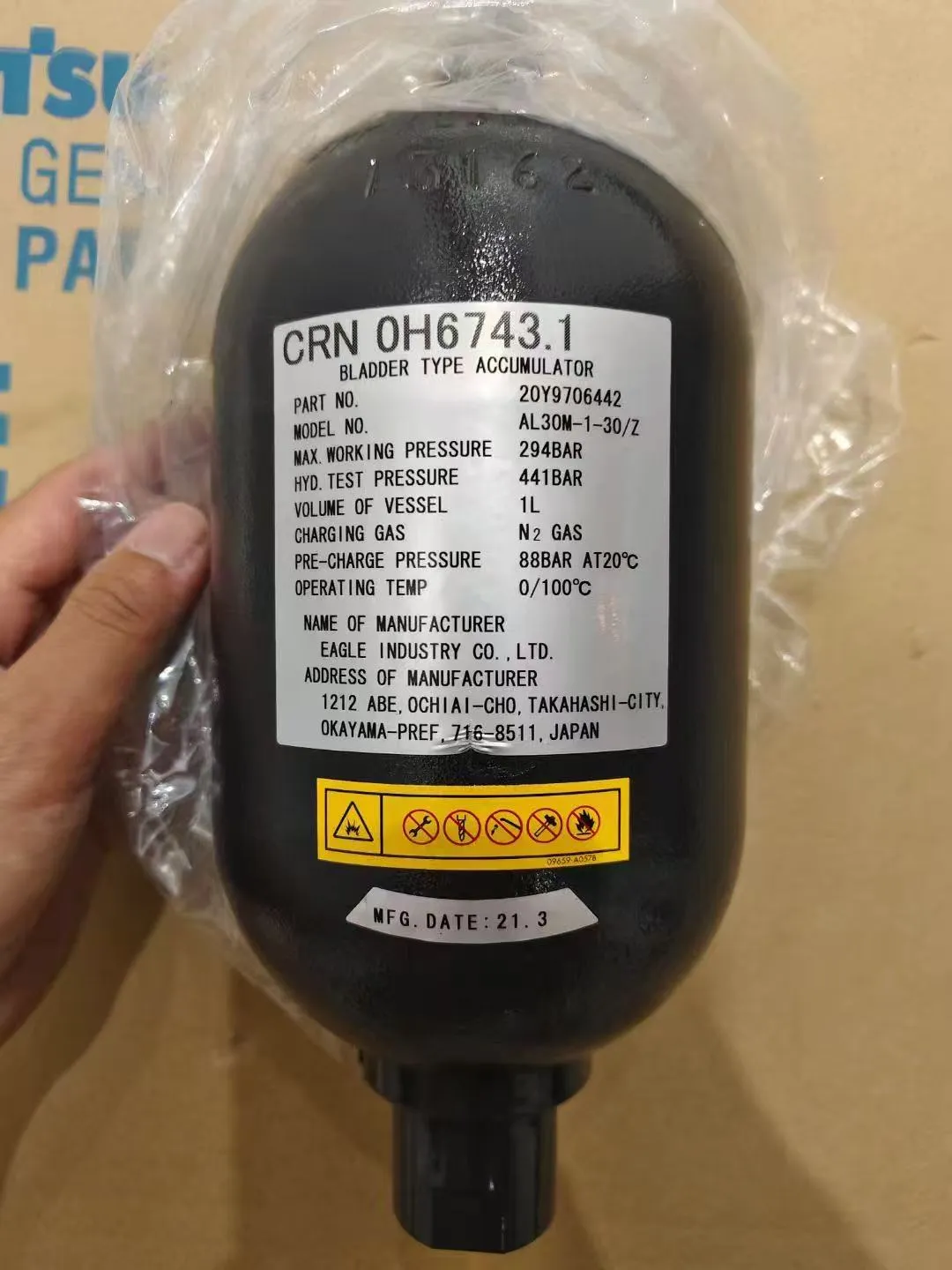
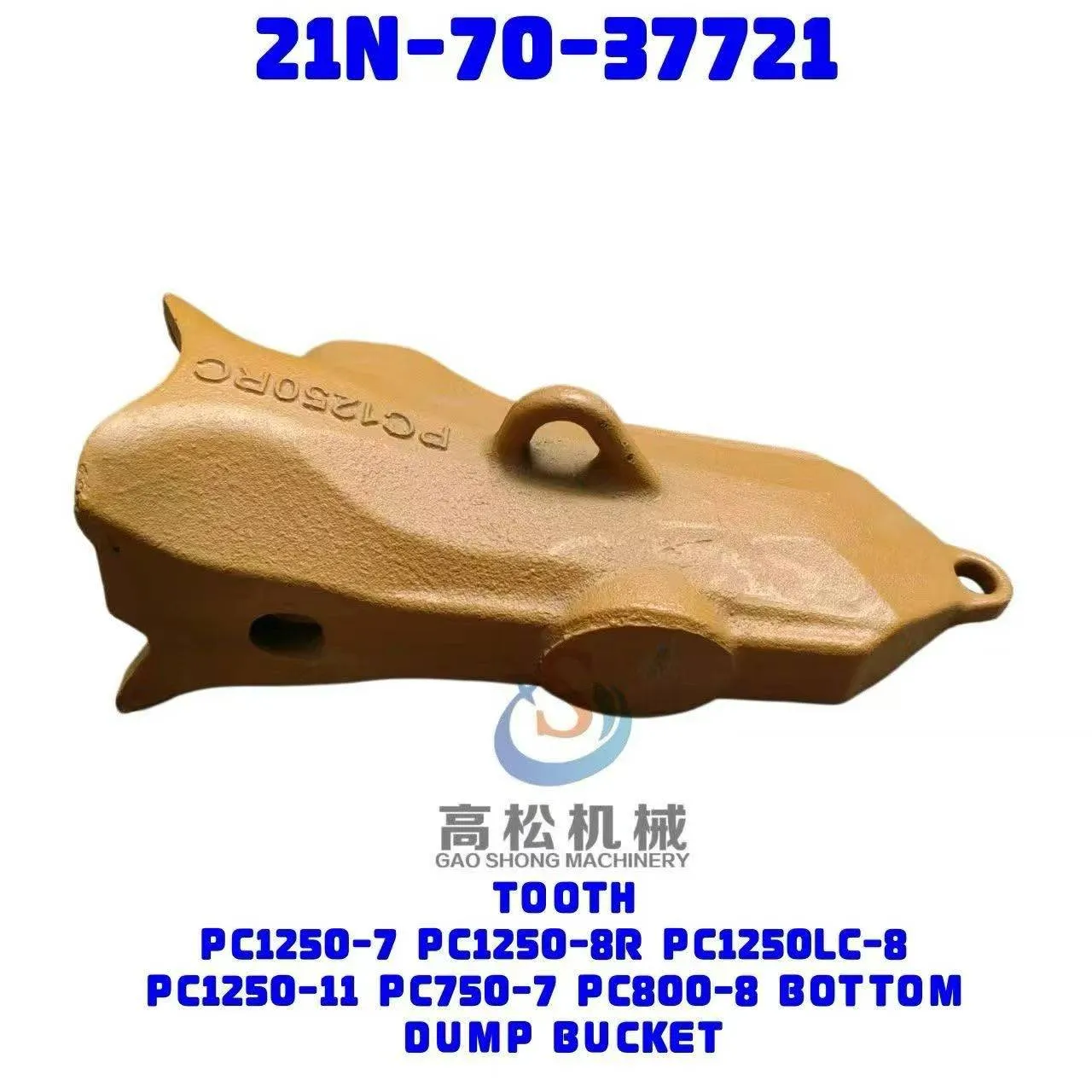
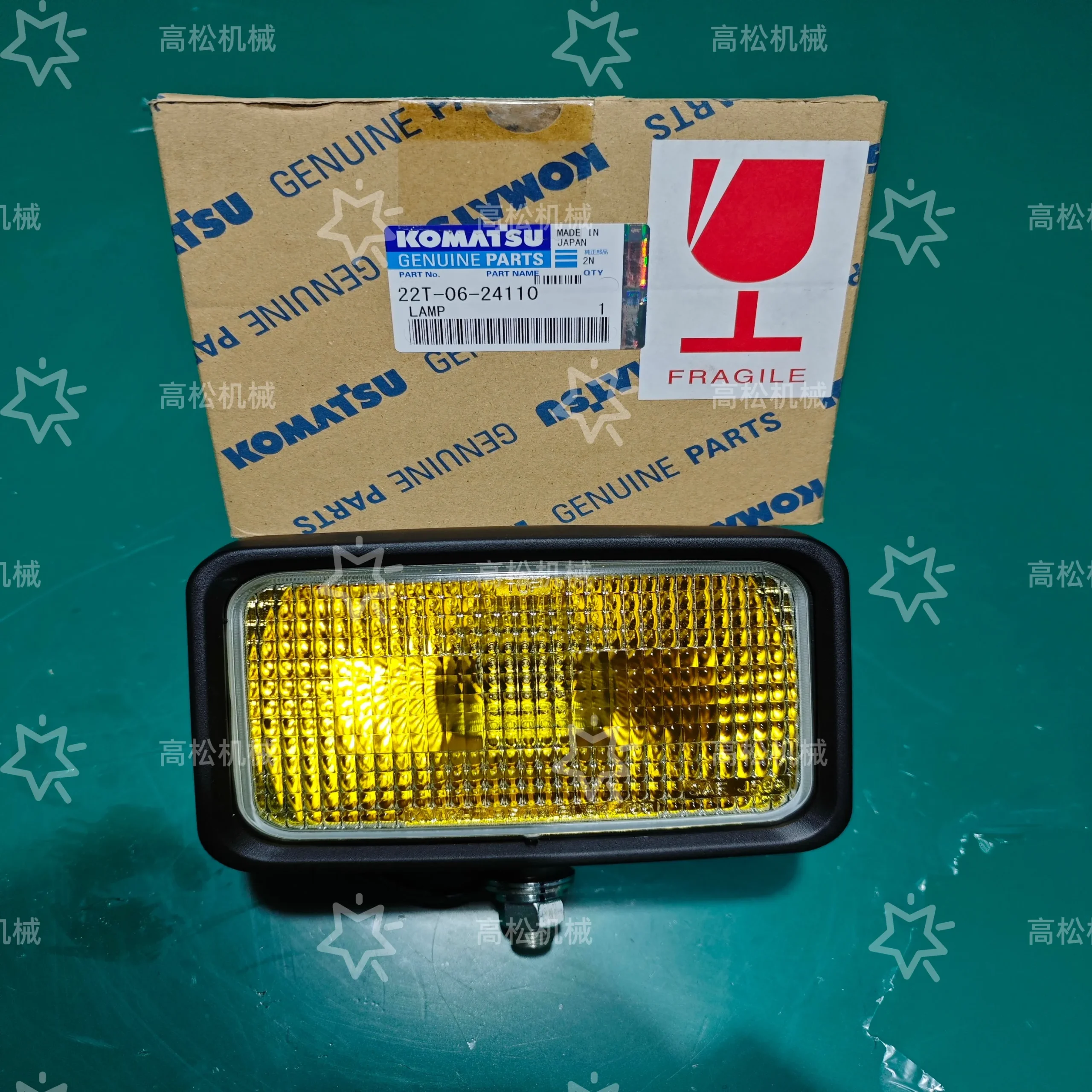
Best Selling Products
Best Selling Products-
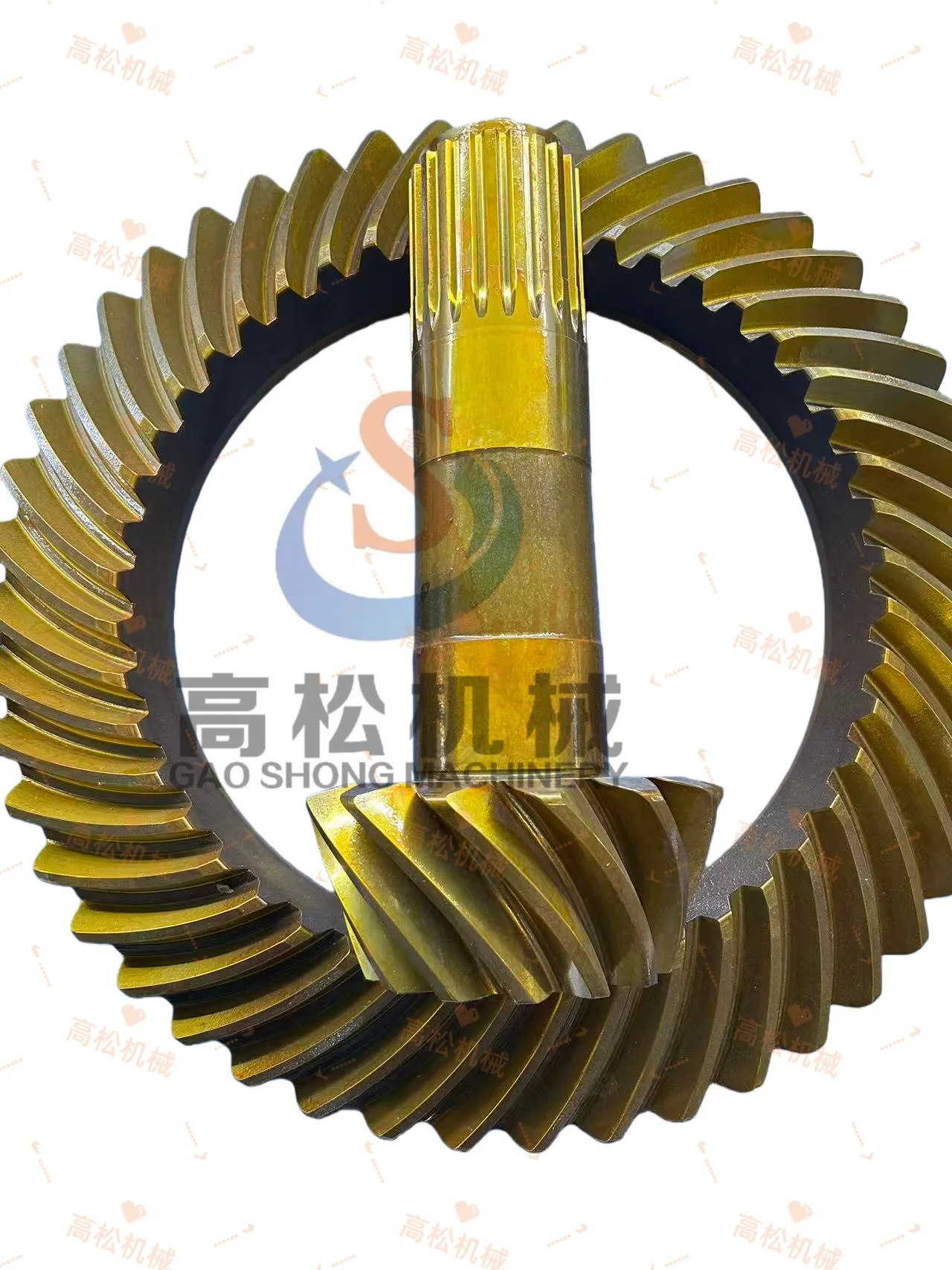
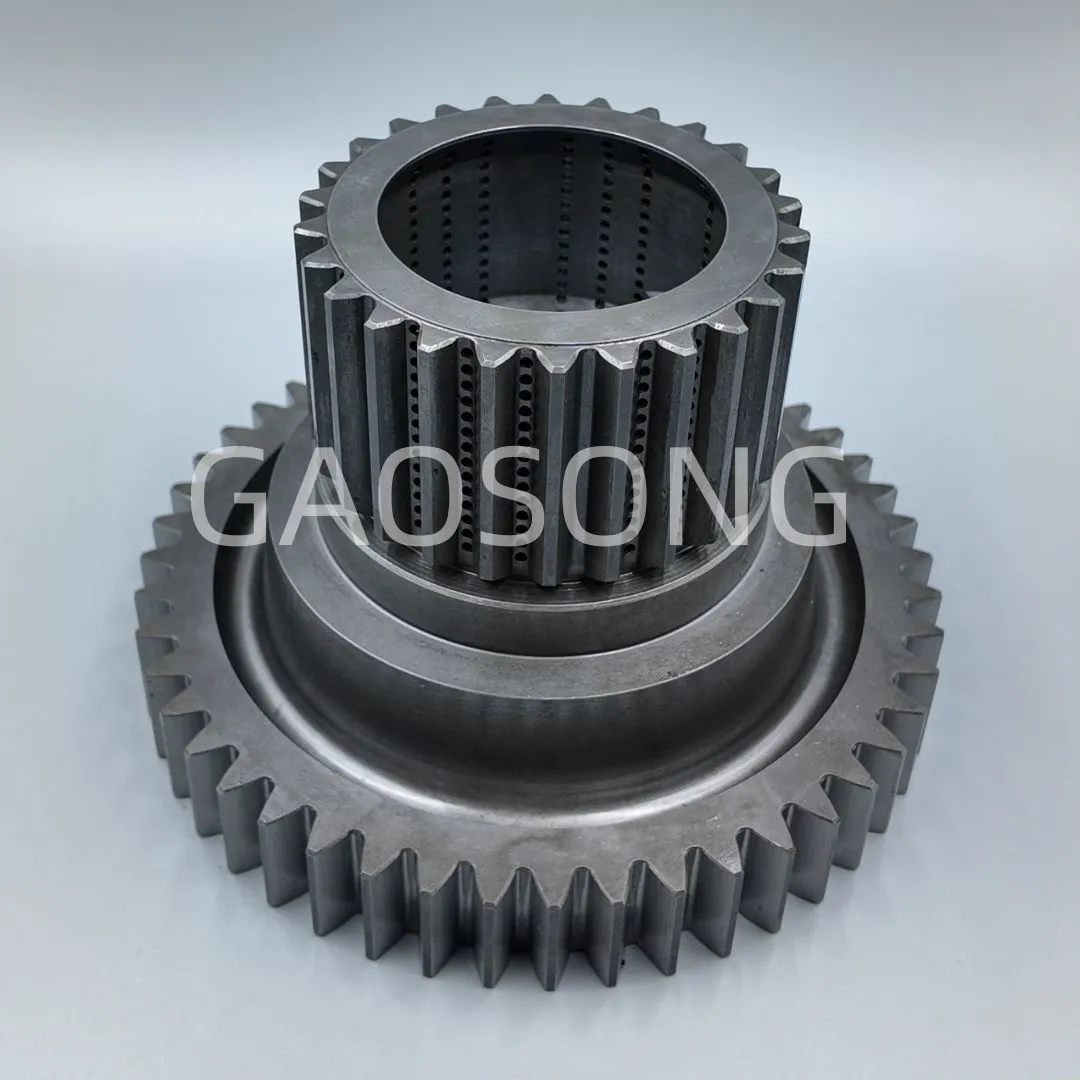 714-07-12420 •• GEAR¤ 48 TEETH,FORWARD–Komatsu Original Factory
 -
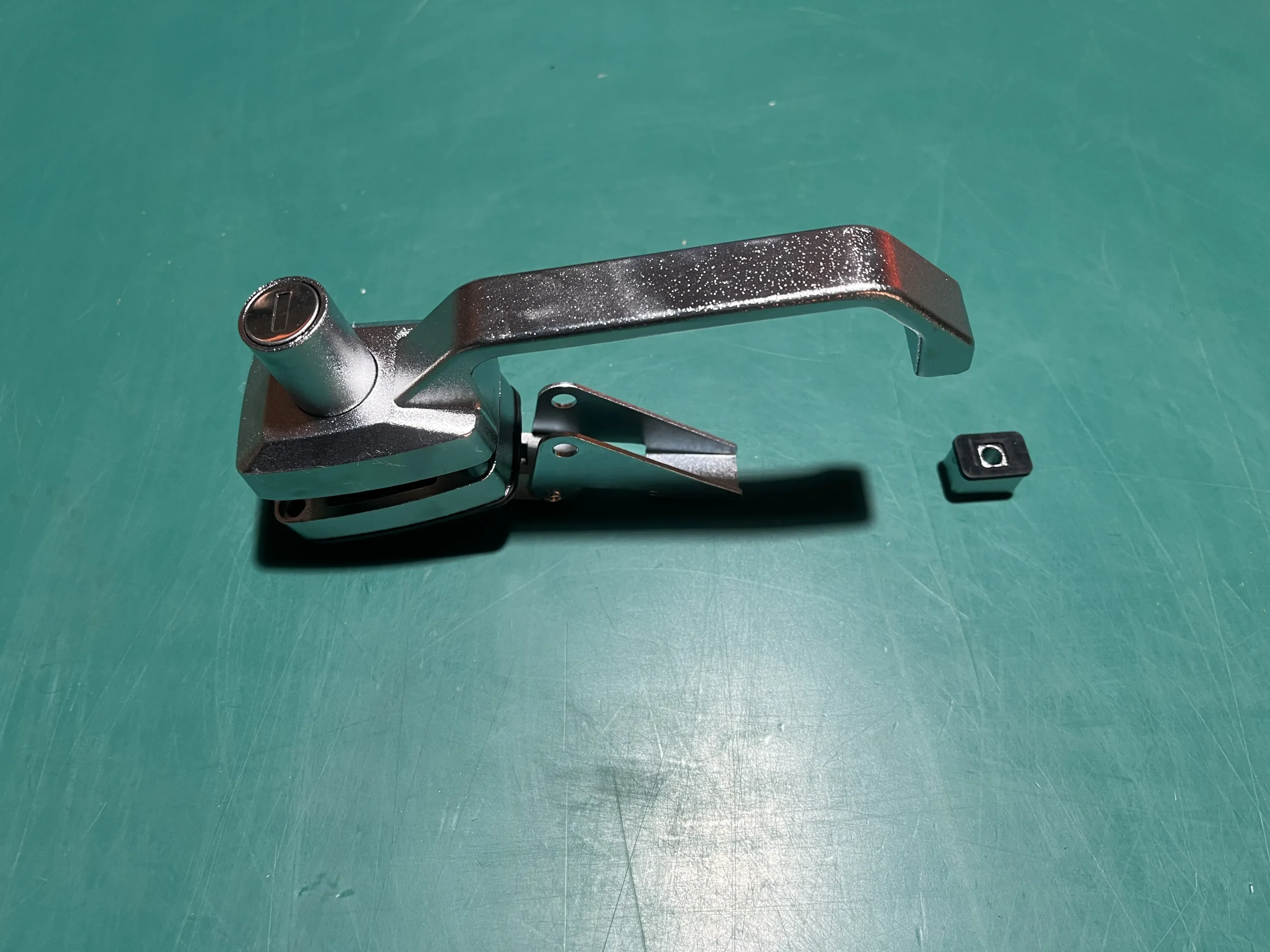 Komatsu Locks 198-Z11-3710 for Bulldozer D65EX-12
 -
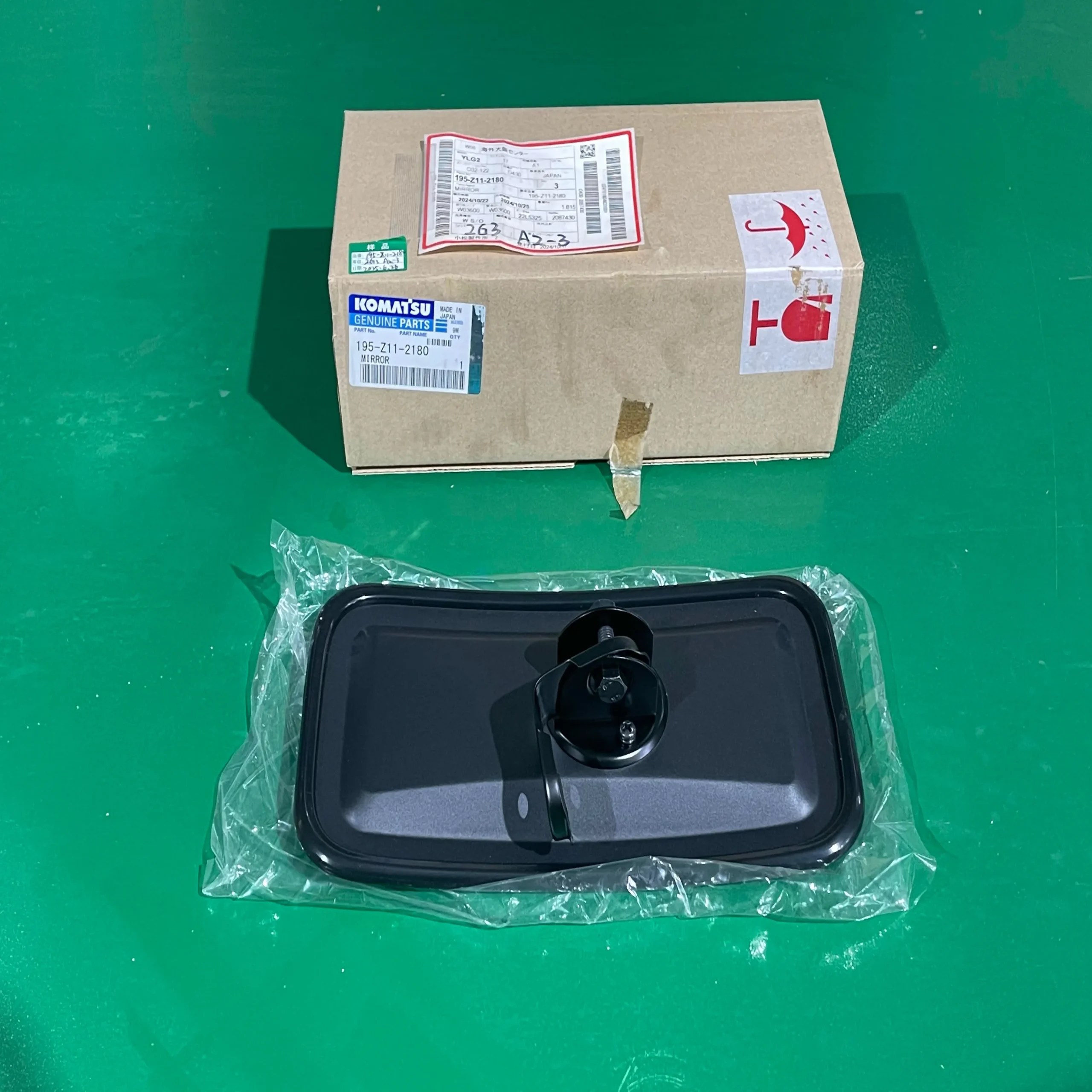 Komatsu bulldozer rearview mirror 195-Z11-2180
 -
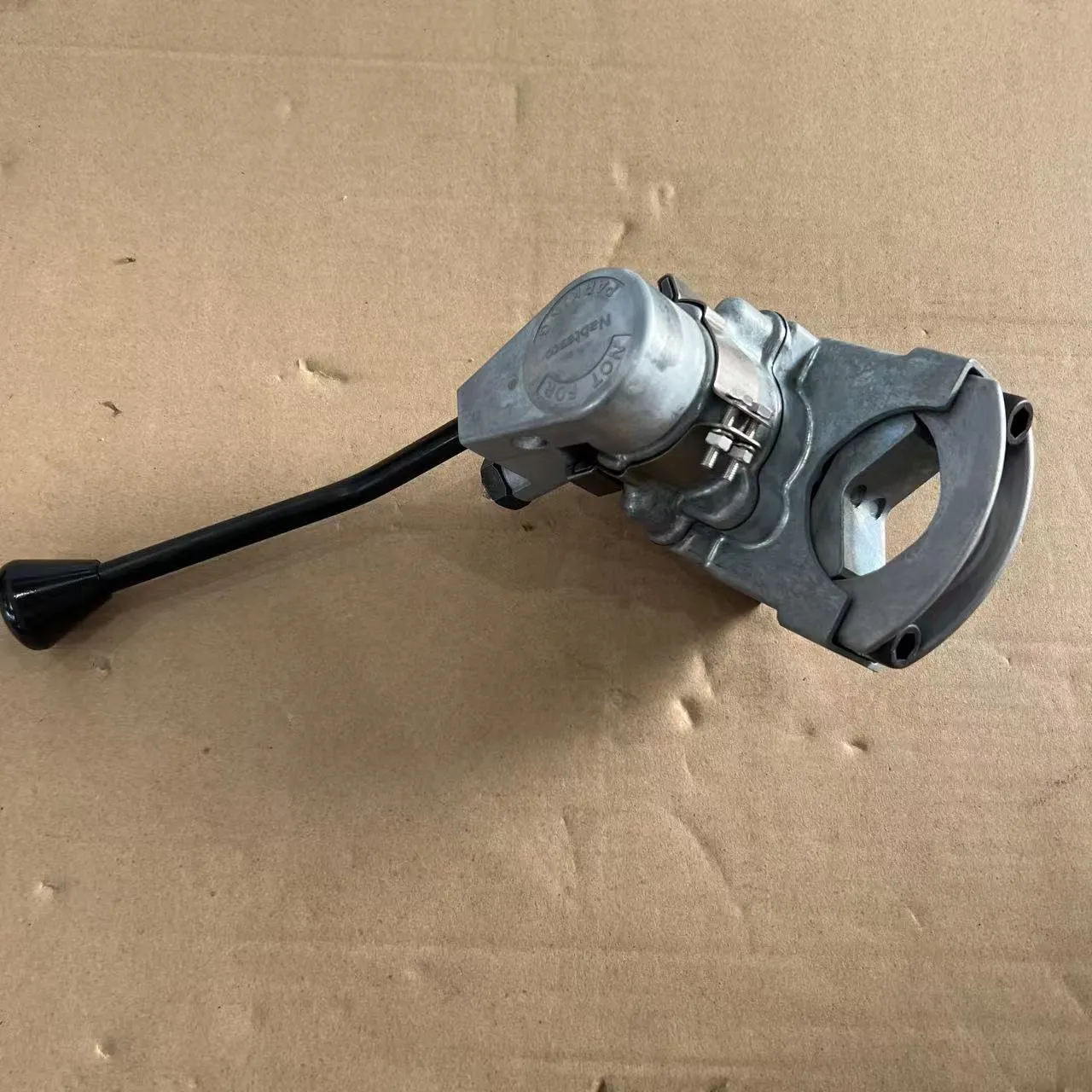 Hd785-5 Retarder 561-35-62203 For Dump Truck Original Parts, High…
 -
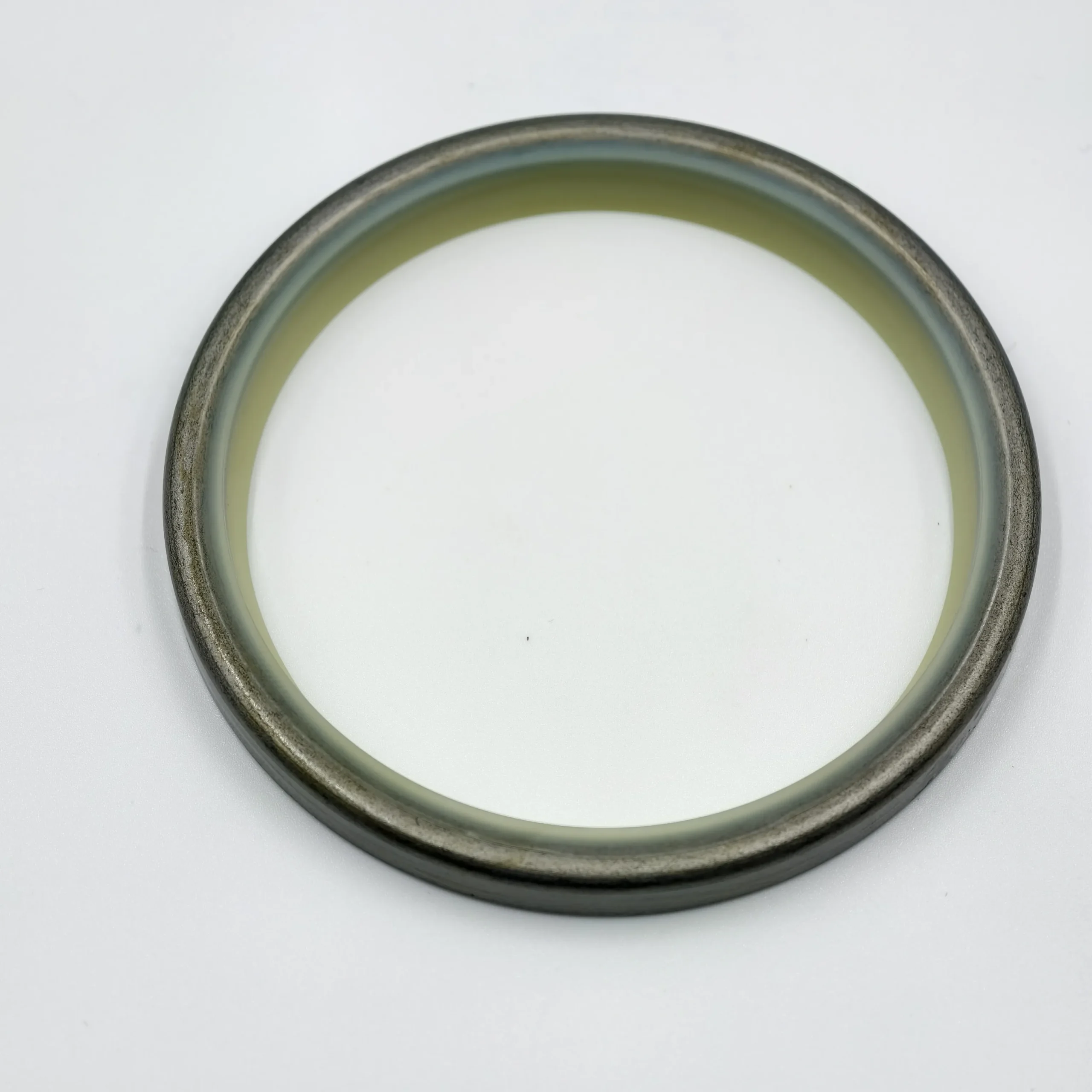 Komatsu 17M-50-24360 Seal, price for original and… — Pricing.Parts
 -
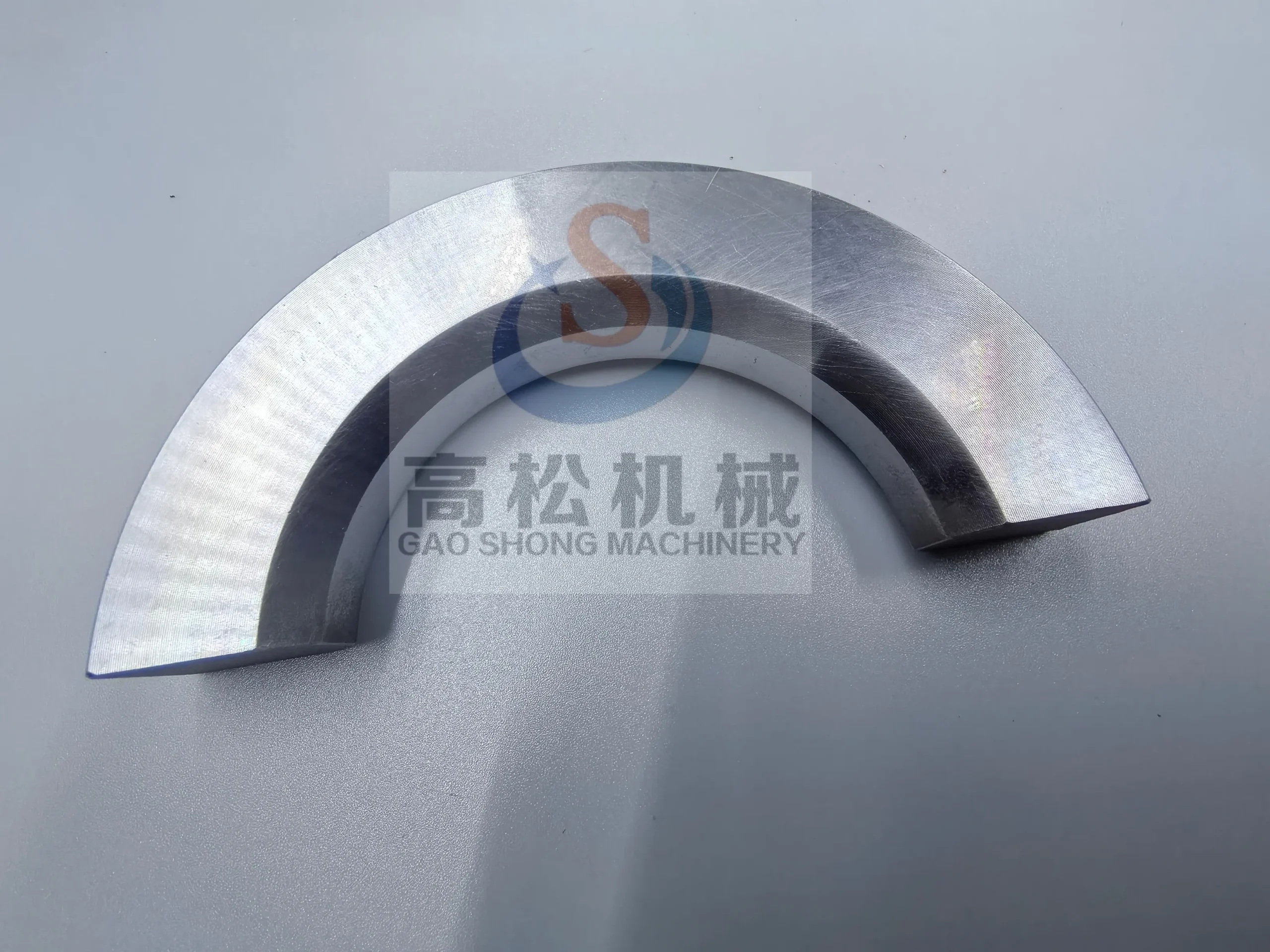 14X-30-13241 Spacer (Komatsu)
 -
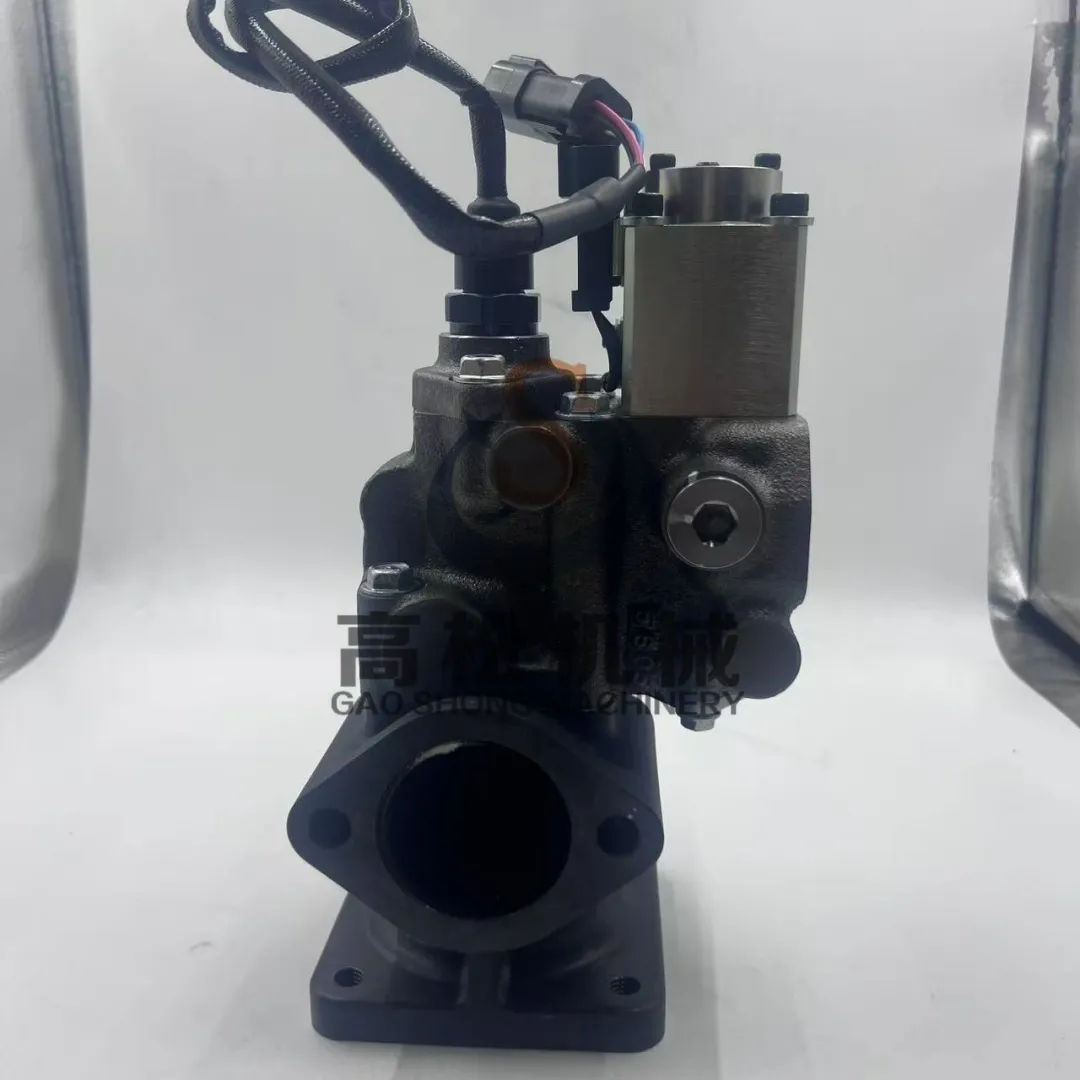 626141-9500komatsu parts
 -
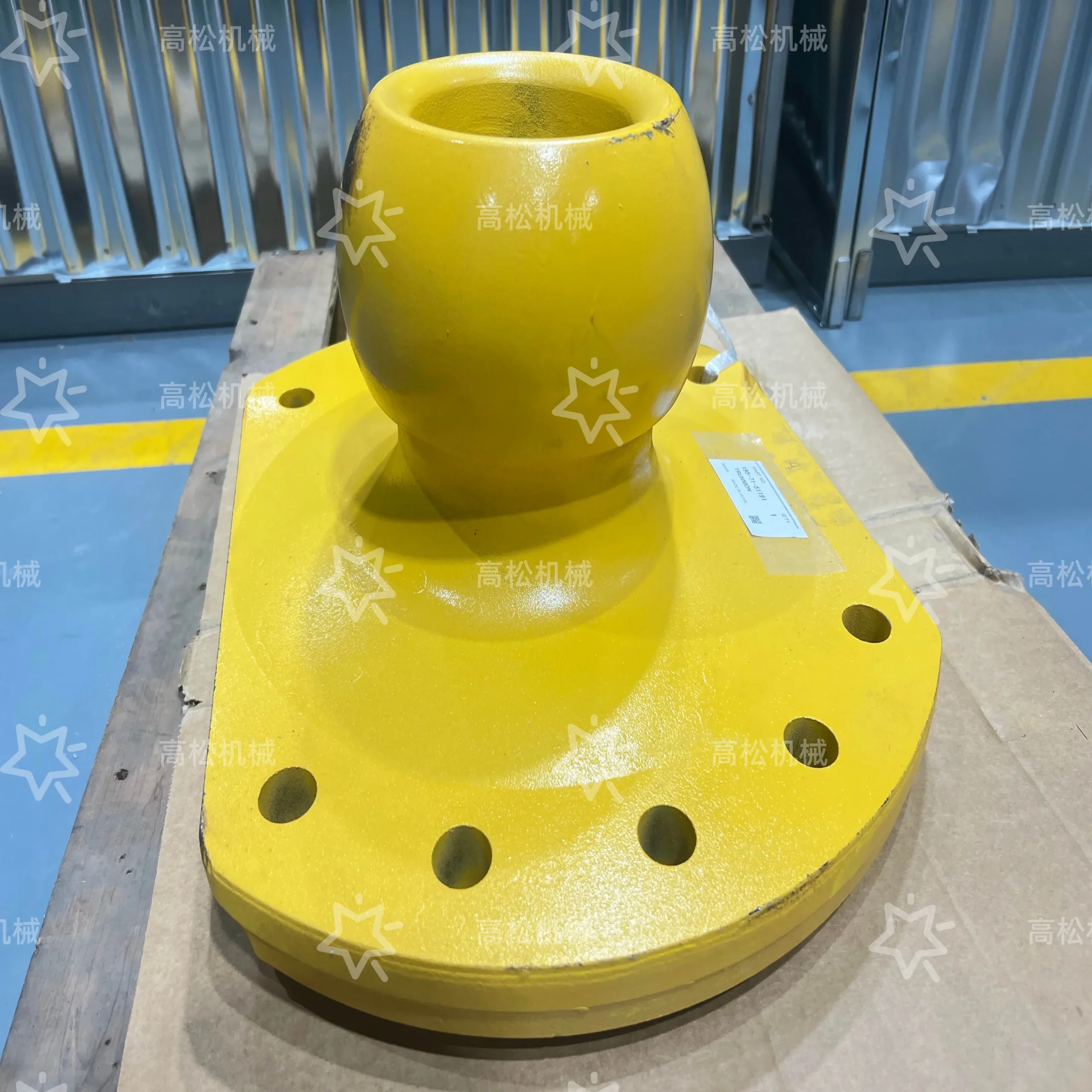 195-71-51191 TRUNNION – THIS TRUNNION HELPS MAINTAIN THE BALANCE OF THE MACHINE
 -
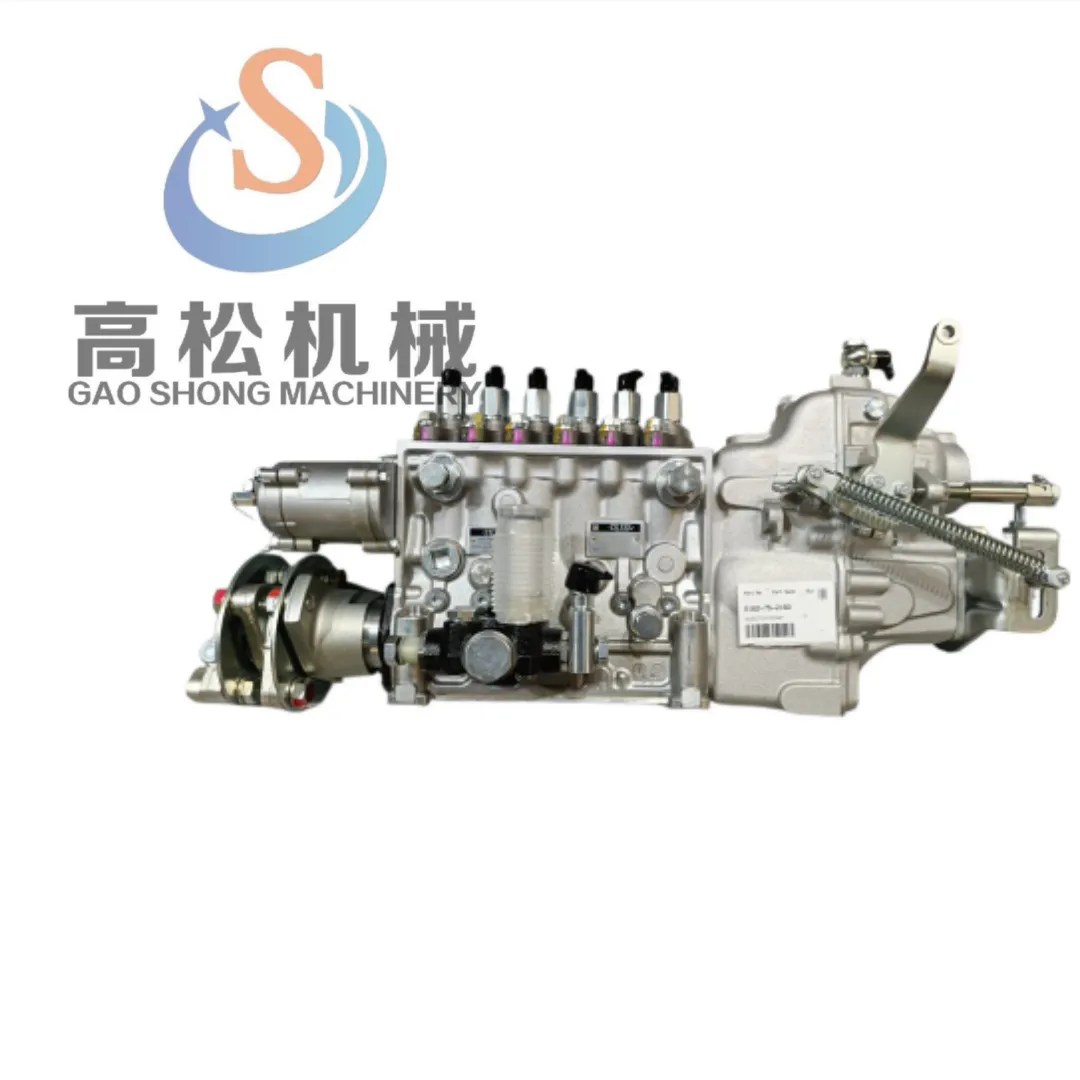 Engine Fuel Injection Pump 6162-75-2160 for SA6D170E
 -
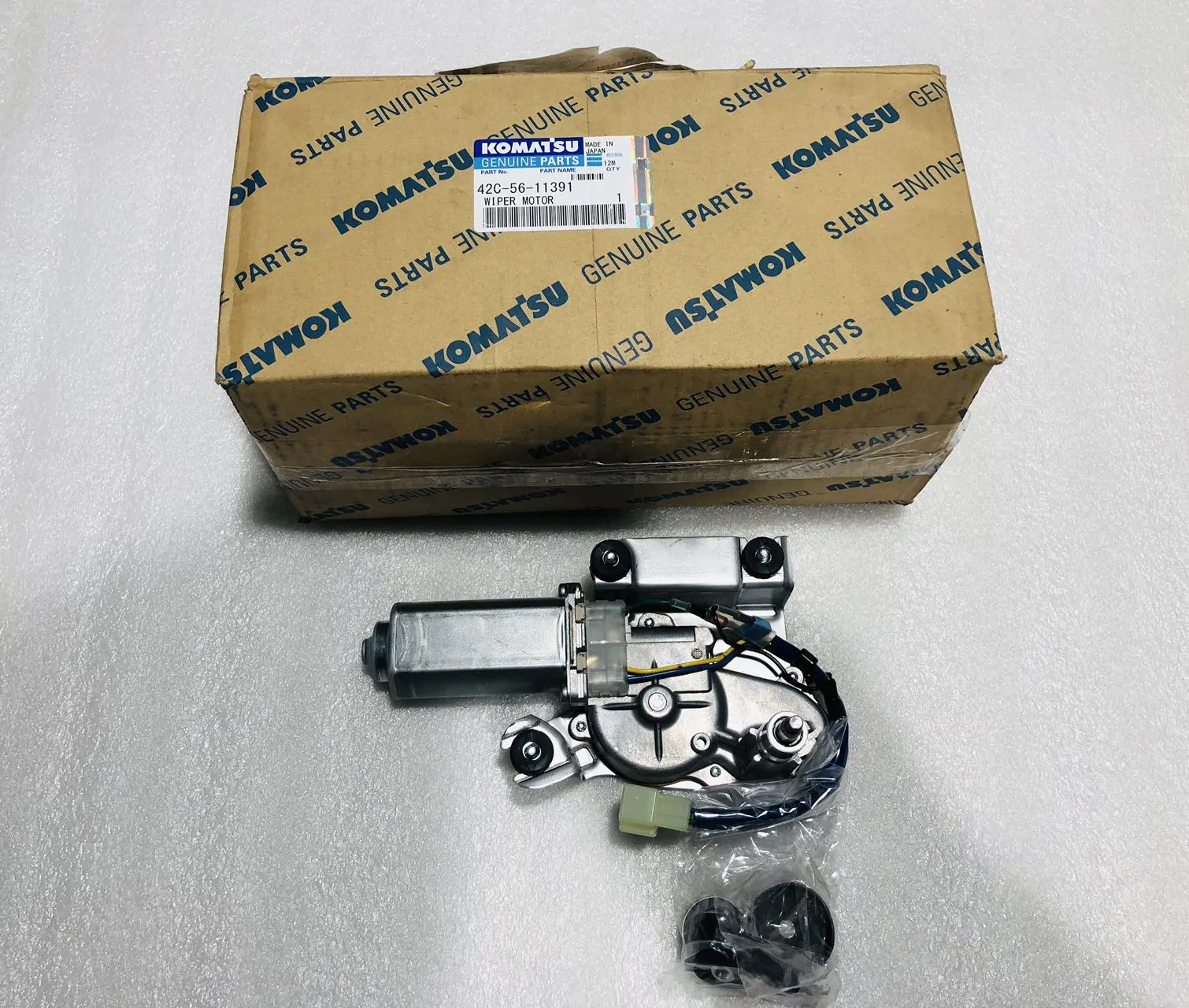 42C-56-11391Right windshield wiper motor assembly
 -
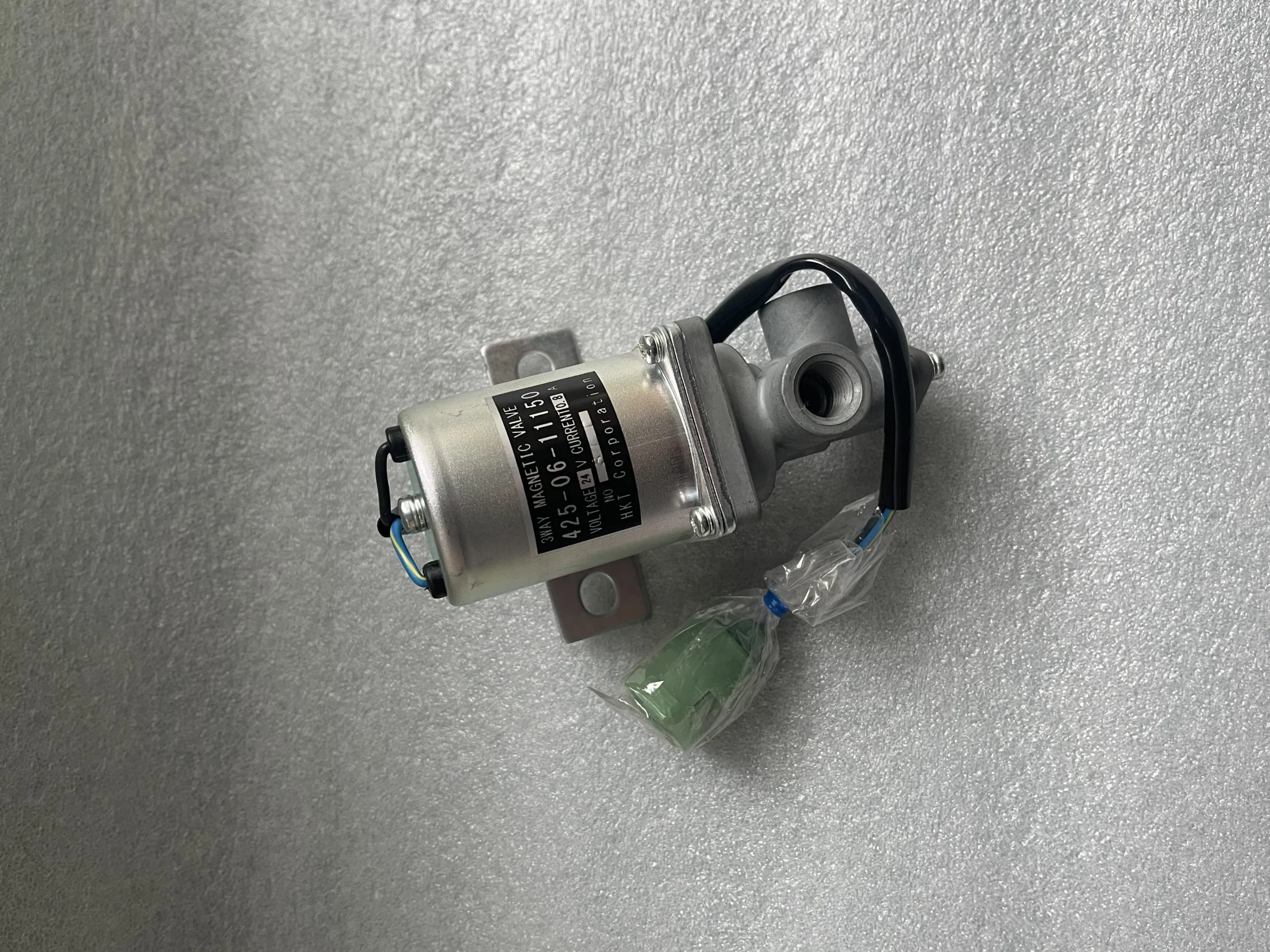 Valve,Parking brake425-06-11150
 -
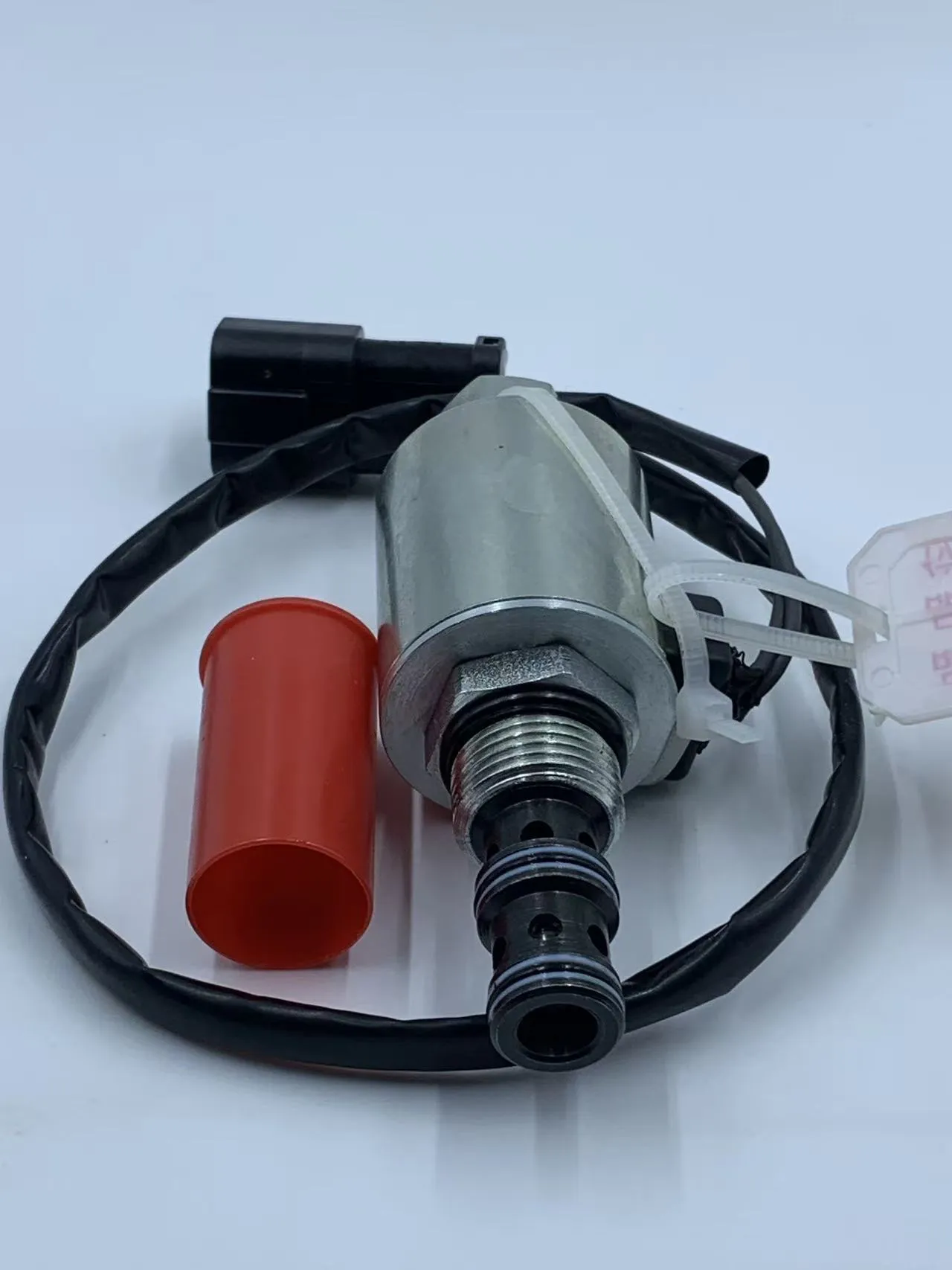 20Y6011713 excavator solenoid valve construction machinery parts suitable for Komatsu PC200-7 20Y-60-11713