
- Chinese
- French
- German
- Portuguese
- Spanish
- Russian
- Japanese
- Korean
- Arabic
- Irish
- Greek
- Turkish
- Italian
- Danish
- Romanian
- Indonesian
- Czech
- Afrikaans
- Swedish
- Polish
- Basque
- Catalan
- Esperanto
- Hindi
- Lao
- Albanian
- Amharic
- Armenian
- Azerbaijani
- Belarusian
- Bengali
- Bosnian
- Bulgarian
- Cebuano
- Chichewa
- Corsican
- Croatian
- Dutch
- Estonian
- Filipino
- Finnish
- Frisian
- Galician
- Georgian
- Gujarati
- Haitian
- Hausa
- Hawaiian
- Hebrew
- Hmong
- Hungarian
- Icelandic
- Igbo
- Javanese
- Kannada
- Kazakh
- Khmer
- Kurdish
- Kyrgyz
- Latin
- Latvian
- Lithuanian
- Luxembou..
- Macedonian
- Malagasy
- Malay
- Malayalam
- Maltese
- Maori
- Marathi
- Mongolian
- Burmese
- Nepali
- Norwegian
- Pashto
- Persian
- Punjabi
- Serbian
- Sesotho
- Sinhala
- Slovak
- Slovenian
- Somali
- Samoan
- Scots Gaelic
- Shona
- Sindhi
- Sundanese
- Swahili
- Tajik
- Tamil
- Telugu
- Thai
- Ukrainian
- Urdu
- Uzbek
- Vietnamese
- Welsh
- Xhosa
- Yiddish
- Yoruba
- Zulu
- Kinyarwanda
- Tatar
- Oriya
- Turkmen
- Uyghur






air filter komatsu
When you hear 'air filter Komatsu', most guys just think of a box with a part number. They pull up the system, order the exact match, and think the job's done. That's where the trouble often starts. In my experience, especially dealing with older models or machines operating in extreme conditions, the right filter is about more than the catalog spec. It's about understanding what that engine is actually breathing in, and what the genuine intent behind the OEM design was—something you only learn after seeing a few engines fail prematurely because someone used a 'close enough' alternative.
The OEM Reality and the Aftermarket Gap
Working with an OEM supplier within the Komatsu system, like Jining Gaosong, gives you a different perspective. You see the engineering specs that aren't on the public sheet. For instance, the pleat count and media treatment on a genuine air filter Komatsu for a PC360 excavator isn't arbitrary; it's calculated for a specific dust-holding capacity and airflow restriction curve that the engine's ECU expects. When a third-party filter says it 'fits', it might fit the housing, but it can throw off that restriction curve. I've seen machines lose power and burn more fuel, not from a major failure, but from the ECU compensating for unexpected air flow.
This is precisely the niche where companies operating as authorized third-party channels become critical. Their role isn't just to sell a part. It's to bridge the supply gap with technically sound alternatives when a genuine part is logistically or economically out of reach, but without compromising the core performance parameters. The website Takematsu Machinery positions itself in this space, acting as both an OEM product supplier and a solutions provider for parts supply challenges. The key word is 'solutions'—it implies a level of technical validation that a simple parts reseller doesn't have.
I remember a project in a quarry where we had a fleet of older Komatsu HD785 trucks. The local dealer had phased out support for the specific air filter element. The aftermarket options available locally were collapsing under the high vibration, causing bypass valve issues. The solution came from a supplier who understood the system. They provided a filter that matched the original media specification and crucially, the end cap design and gasket rigidity. It wasn't the cheapest, but it prevented catastrophic dust ingestion. That's the difference.
Practical Pitfalls and Field Observations
Let's talk about service intervals. The manual says 500 hours. But if you're in a silica dust environment, that's a fantasy. A common mistake is sticking to the book. A better practice is to use a restriction gauge religiously and track the rate of climb. Sometimes, a genuine Komatsu filter will last longer because of its dust-holding design, but you can't bank on it. I've had to cut open filters at 300 hours to find the inner pleats packed solid, while the outer layer looked clean. That's a silent killer.
Another nuance is the housing itself. It's not just a container. The seal surfaces wear, the clamps fatigue. You can install a perfect Komatsu-spec filter, but if the housing lid is warped, you're pulling in unfiltered air. I've spent more time than I'd like diagnosing mysterious wear patterns, only to find the root cause was a $0.50 seal that wasn't seating properly because of a bent hinge. Now, I always include a housing inspection and clean-out as part of the filter change ritual. It's non-negotiable.
Then there's the compatibility maze. A filter for a SAA6D140E engine in a D65 dozer might look similar to one for a SAA6D125E in a smaller machine, but the pressure drop characteristics could be different. Cross-referencing part numbers without understanding the engine family is risky. Suppliers who are deep in the system help you navigate this. They can tell you, Yes, this one physically fits, but for that application with the cyclonic pre-cleaner, you need this variant with the heavier-duty media. That's actionable intel.
When Genuine Isn't an Option: The Third-Party Calculus
There are realities—budgets, machine age, availability. In many regions, waiting for a genuine part means weeks of downtime. This is where a reputable third-party supplier's value is proven. The goal isn't to mimic the OEM part perfectly (that's often impossible due to patents), but to meet the critical performance thresholds: filtration efficiency (beta ratio), capacity, and structural integrity.
We tried a batch of aftermarket filters from a no-name brand once on some mid-life Komatsu wheel loaders. The price was tempting. The failure mode was instructive: the glue bonding the pleats to the end caps failed from heat cycling. The filter didn't collapse; it just started letting air (and dust) channel around the media. The damage was slow, cumulative. It taught me to ask suppliers not just for price and availability, but for test certificates on media efficiency and burst strength. If they can't provide that, walk away.
A company like the one behind Takematsu Machinery, by being embedded in the Komatsu ecosystem, is theoretically positioned to source or produce alternatives that are vetted against these thresholds. Their company description of helping to solve parts supply challenges in certain countries rings true. The challenge for the end user is verifying that claim. It comes down to traceability and technical data backing their parts, not just a website catalog.
The Human Element: Service and Misdiagnosis
No part exists in a vacuum. The best air filter can be ruined by a careless tech. Over-oiling a pre-filter, forcing a filter into a dirty housing, not cleaning the intake duct upstream—all these undo the engineering. I've been guilty of rushing a service and later paying for it with a turbo rebuild. The humility to follow the procedure, torque the clamps correctly, and document the restriction reading is what separates a professional from a parts changer.
Misdiagnosis is another huge one. Black smoke or loss of power? Everyone jumps to injectors or fuel pumps. But I've chased my tail on more than one occasion only to find a partially collapsed filter or a breached seam. Now, checking intake restriction is step one, always. It's a five-minute check that can save thousands. It sounds basic, but in the field, under pressure, the basics are the first to go.
This is where the relationship with a good supplier matters. They become a diagnostic resource. You can call and say, I'm seeing this issue on a Komatsu 300-6 series, and a good technical sales person might ask, What's the restriction reading at idle versus high idle? That question alone shows they understand the system, not just the inventory.
Closing the Loop: Cost vs. Value
It's never just about the price per unit. It's the total cost of ownership. A cheap filter might save $50 upfront but lead to $5000 in engine wear over 2000 hours. Calculating that is hard, but experience gives you a gut feeling. For critical machines or harsh environments, I lean towards the OEM-spec or the highest-validated alternative. For secondary equipment in clean conditions, the calculus shifts.
The value of a supplier like Jining Gaosong Construction Machinery Co., Ltd., in theory, is offering a spectrum—from genuine OEM to validated third-party—with the technical backbone to guide you to the right choice for your specific challenge. It fills the awkward gap between the official dealer network and the wild west of the open market.
So, when you're next searching for an air filter Komatsu, look beyond the part number. Think about the engine's actual diet, the operating environment, the state of the housing, and the credibility of your source. The filter is the lung of the machine. You wouldn't want a subpar lung, would you? The right choice isn't always the most expensive, but it's never the one made on price alone. It's the one backed by someone who's seen what happens when you get it wrong.
Related Products
Related Products

Best Selling Products
Best Selling Products-
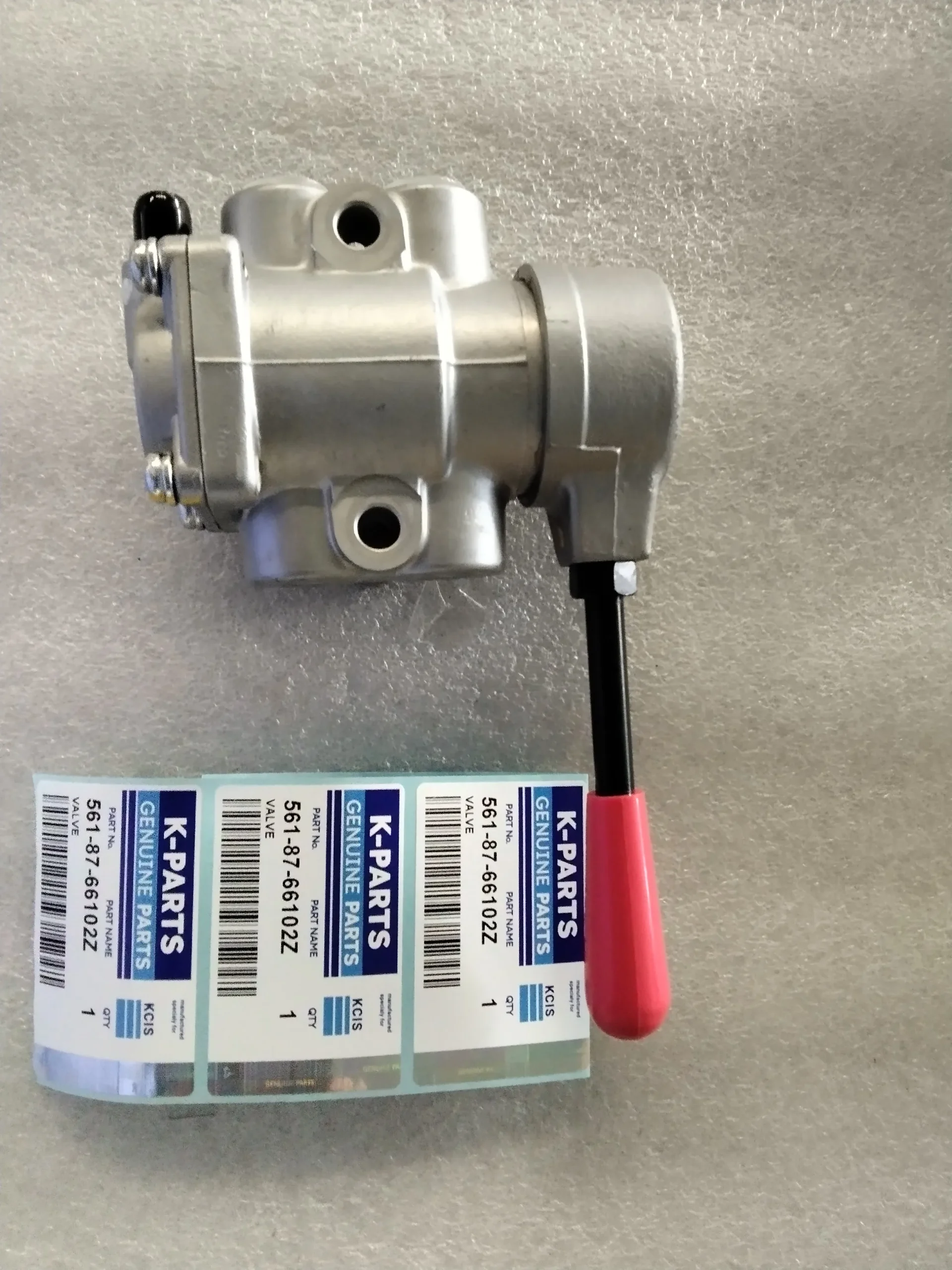 Komatsu dump truck HD785 valve component 561-87-66102
 -
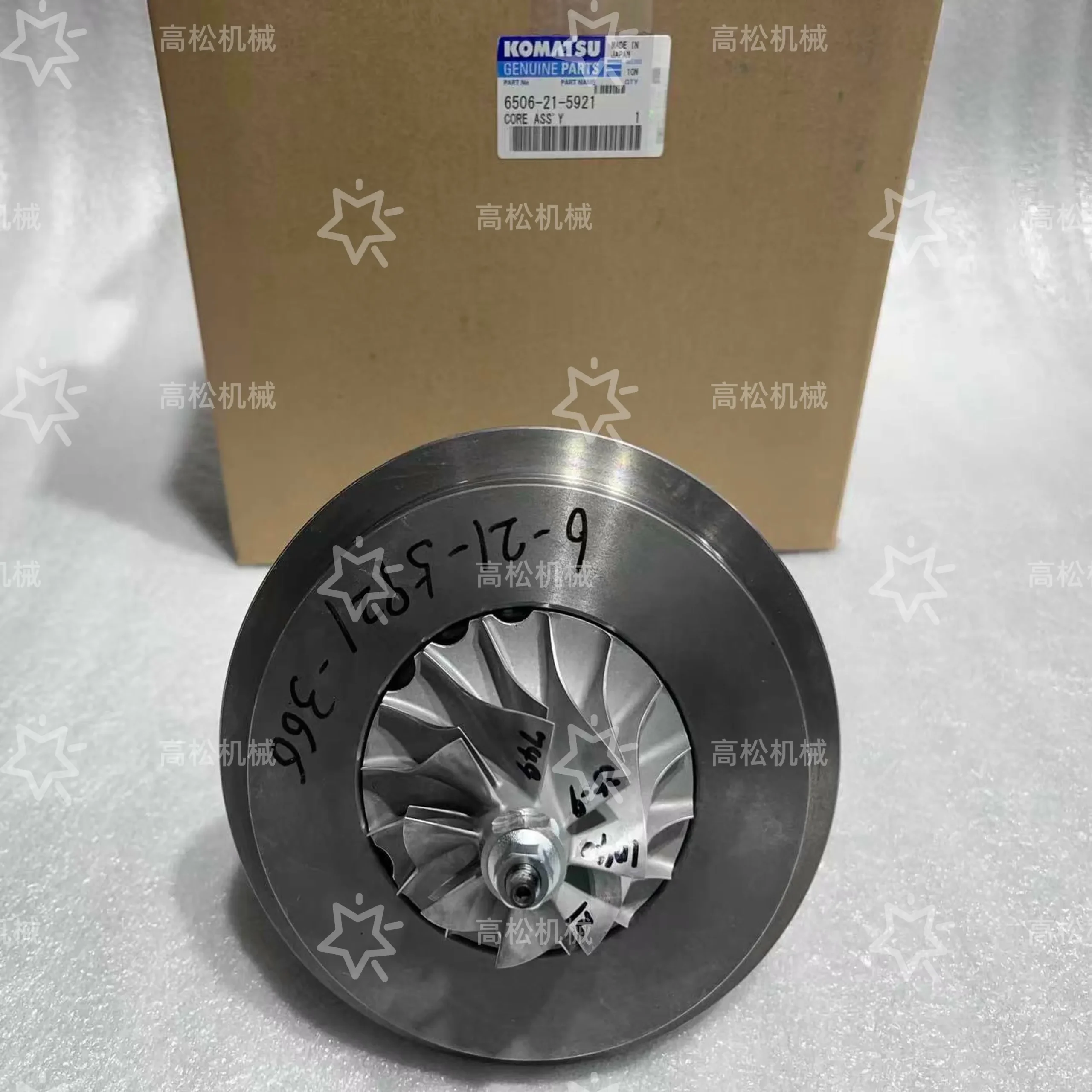 6506-21-5921 Komatsu Core Assembly
 -
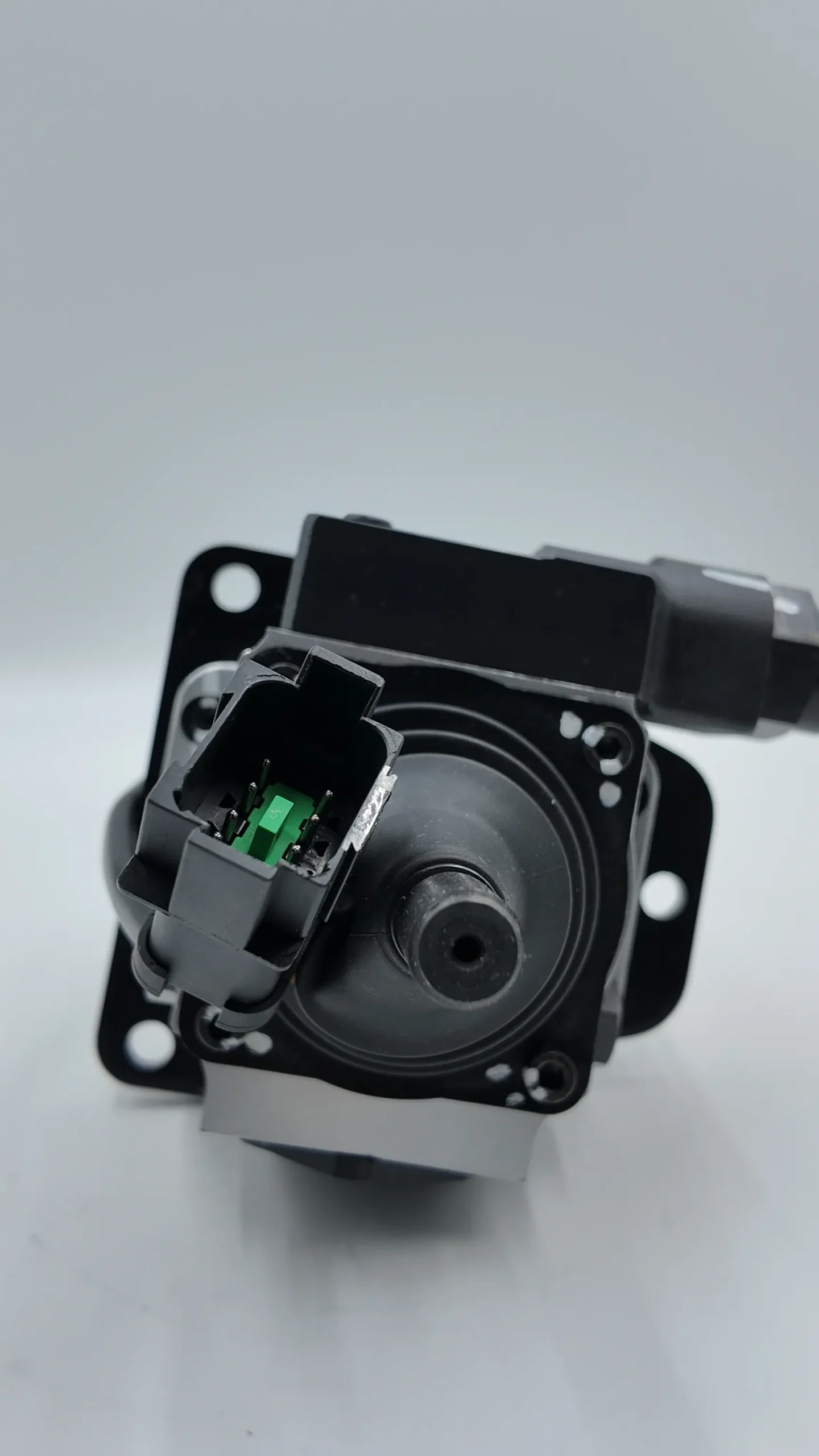 702-16-02290,702-16-02210,702-16-02212 LEVER ASS’Y Komatsu Original Factory
 -
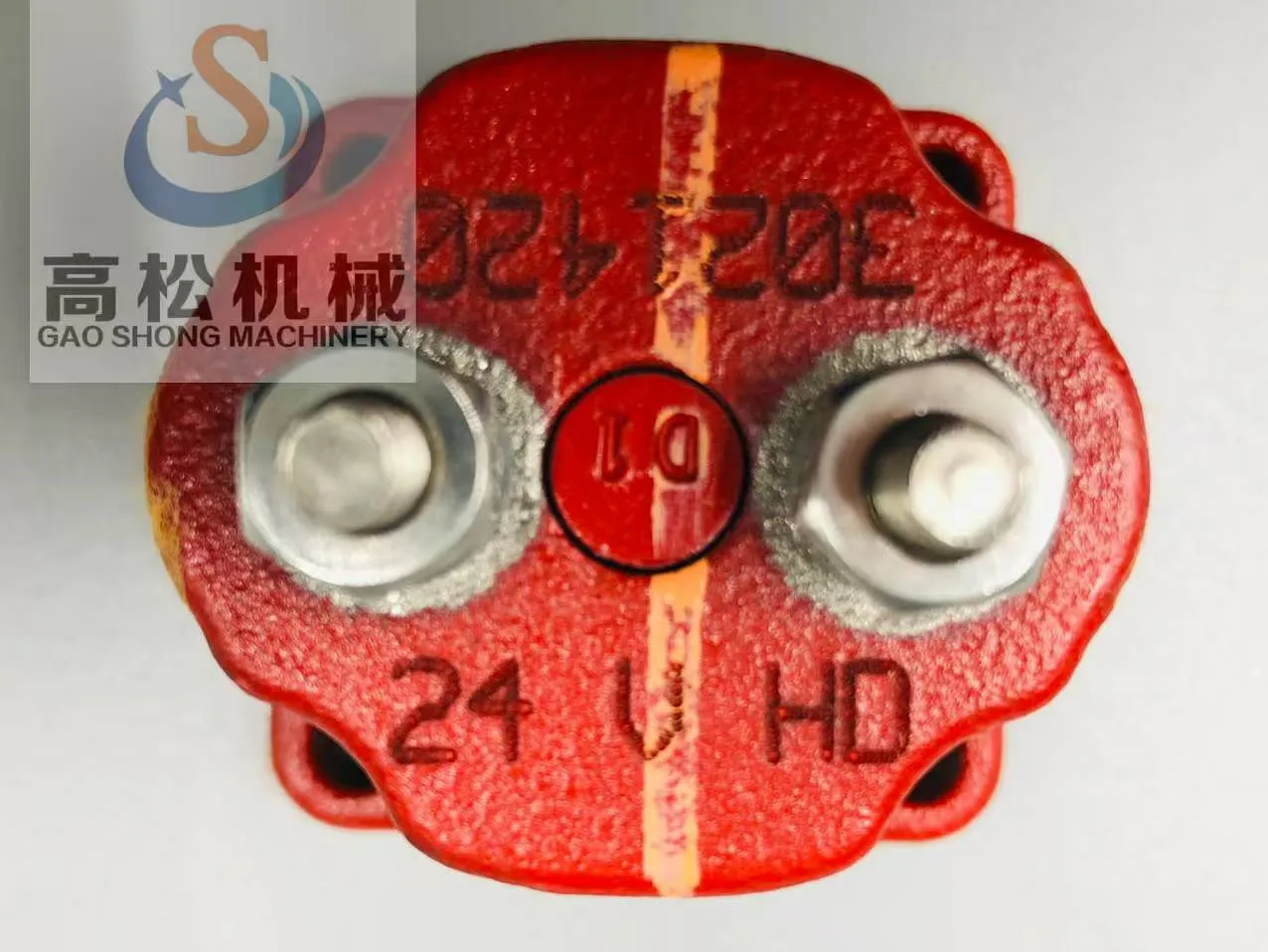 6560-51-1510 Fuel pump shut-off electromagnetic valve, suitable for PC1250LC-7, PC1250LC-8, WA600-3, SAA6D170E-3.
 -
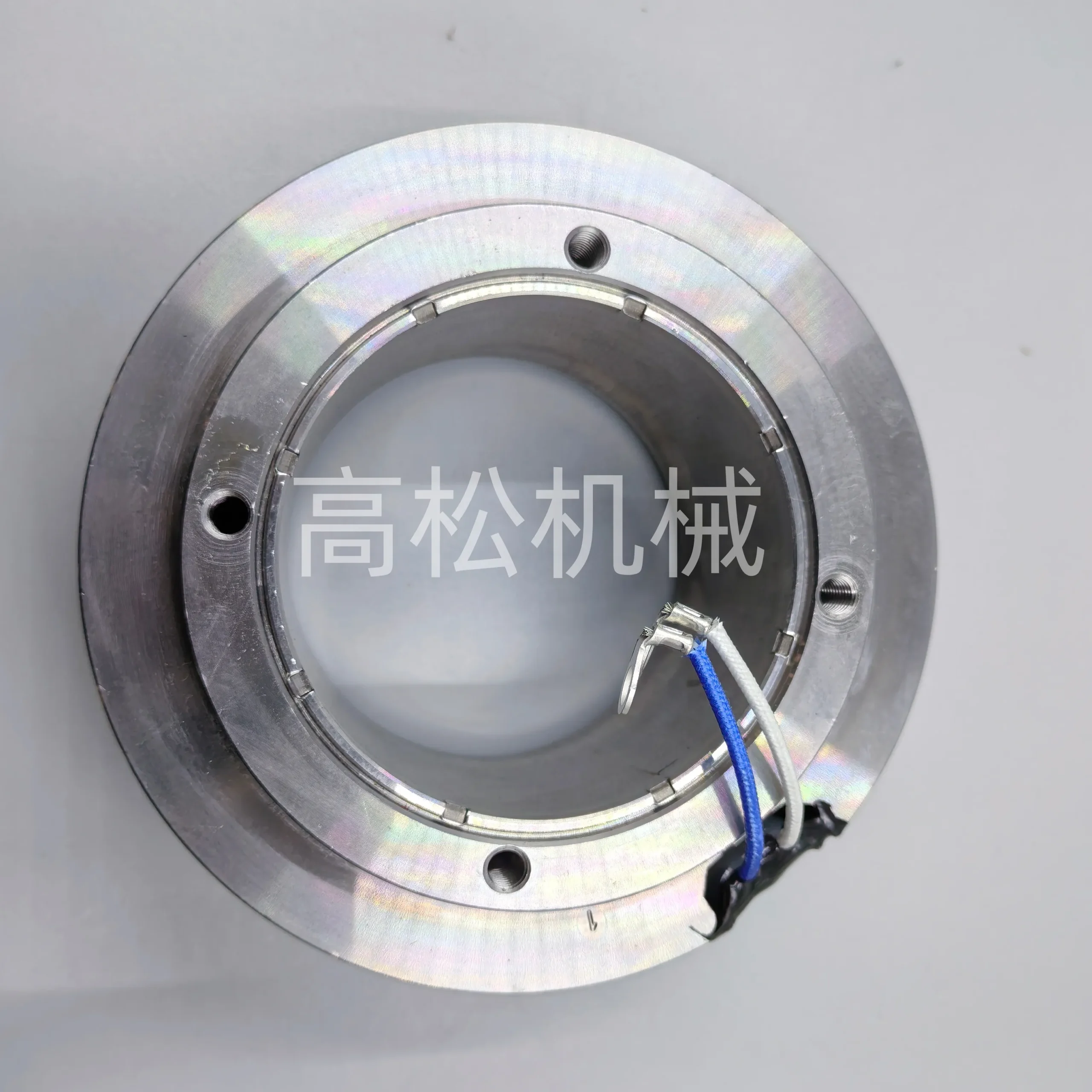 KD0-35120-0250 • FIELD COIL ASS’Y-Komatsu Original Factory
 -
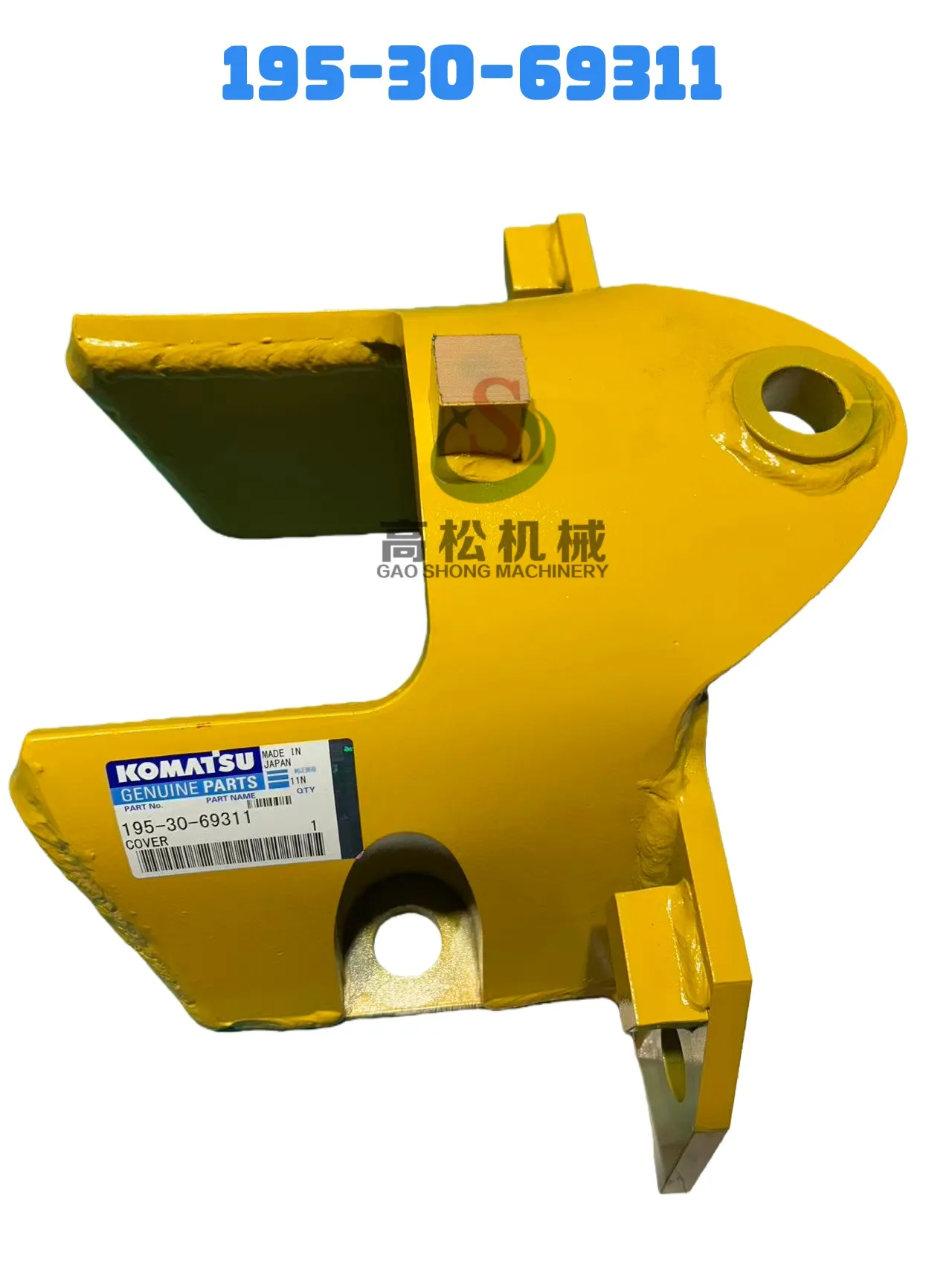 komatsu parts195-30-69311 COVER D375A-5 D375A-6 D375AI-8 D375A-8E0 TRACK FRAME
 -
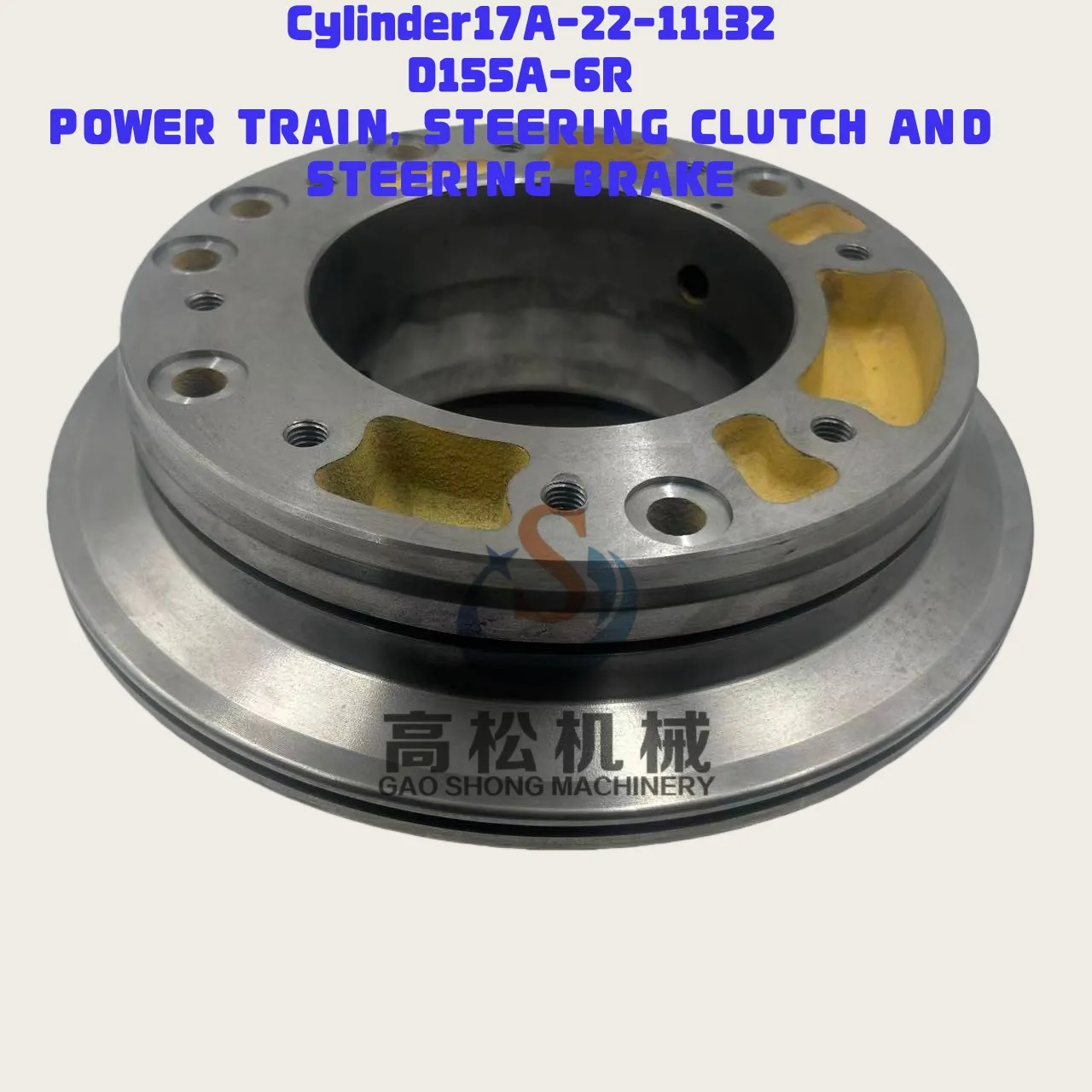 CYLINDER 17A-22-11132 D155A-6 D155A-3 D155A-5 D155A-6R STEERING CLUTCH AND BRAKE
 -
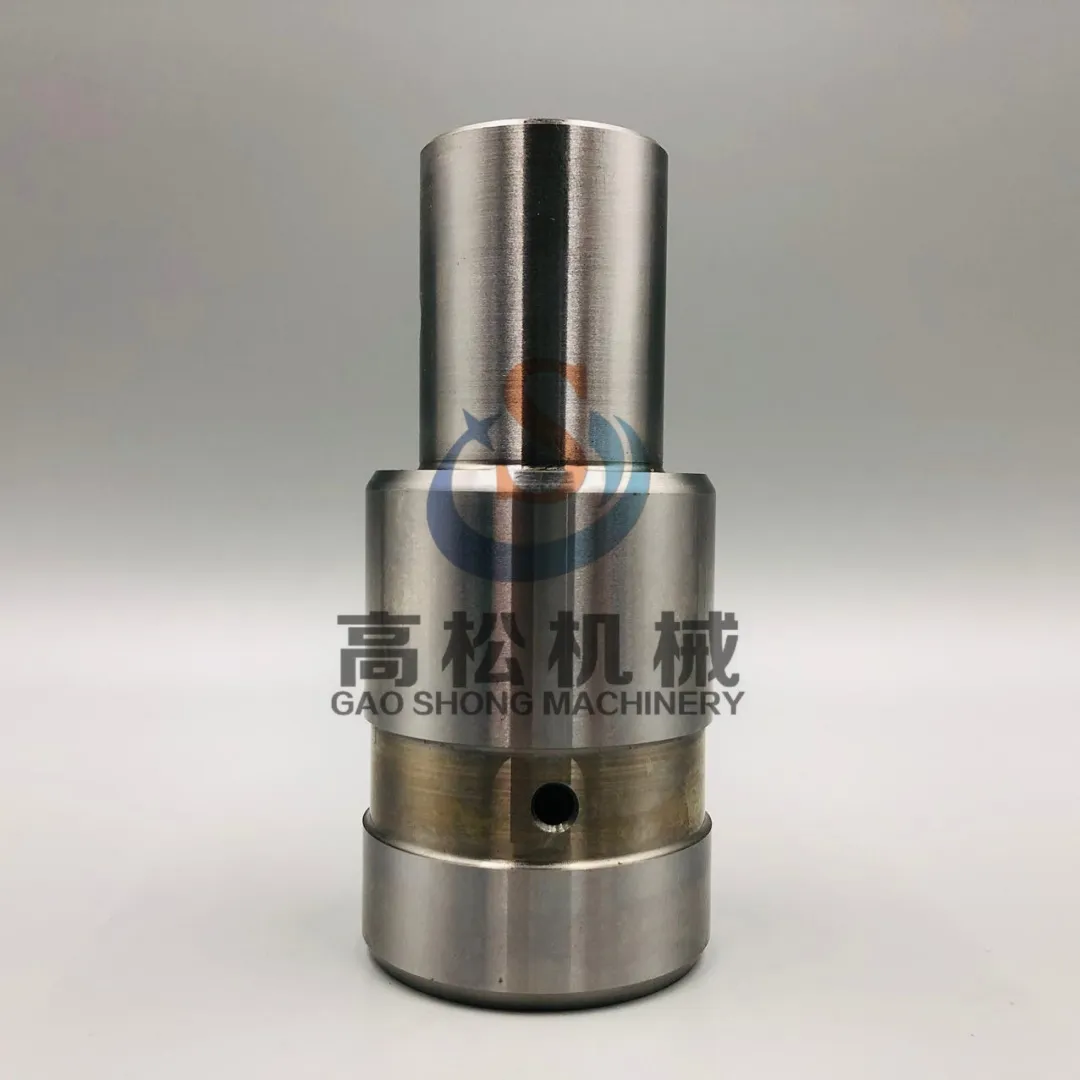 komatsu 6240-61-4630 shaft komatsu original
 -
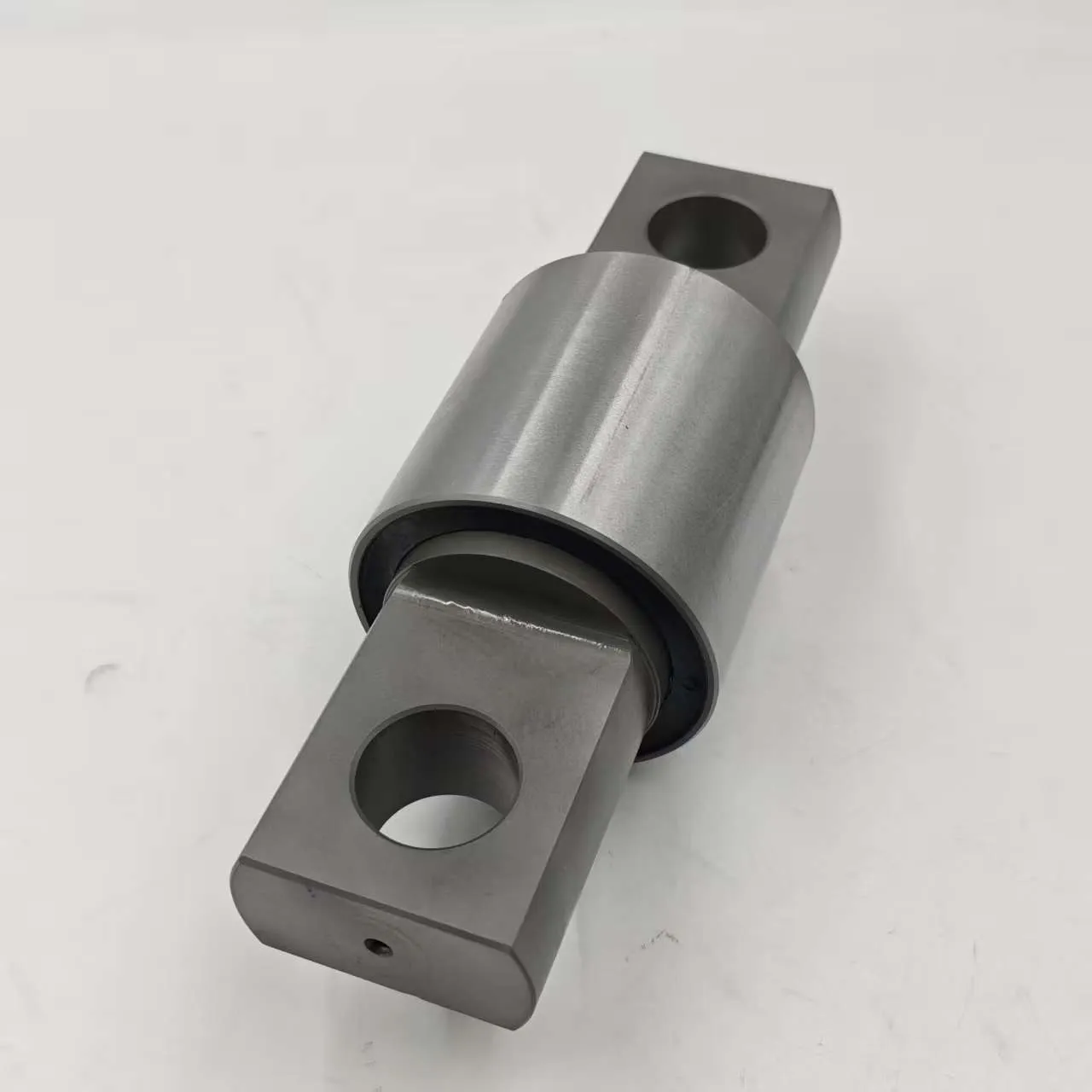 56B-16-11211CUSHION HM400 DUMP TRUCK 56B-16-11211
 -
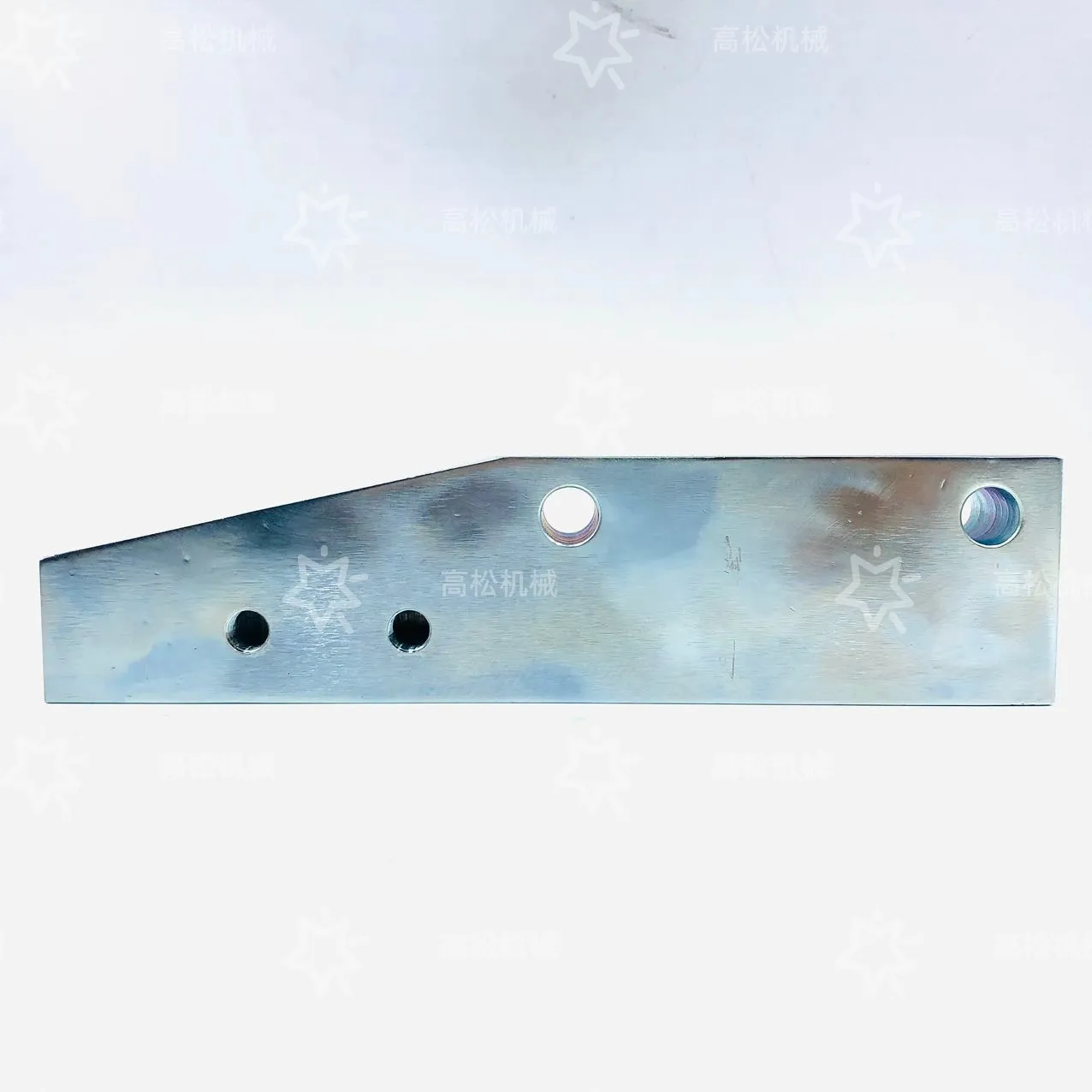 209-38-73281 BLOCK made to fit KOMATSU
 -
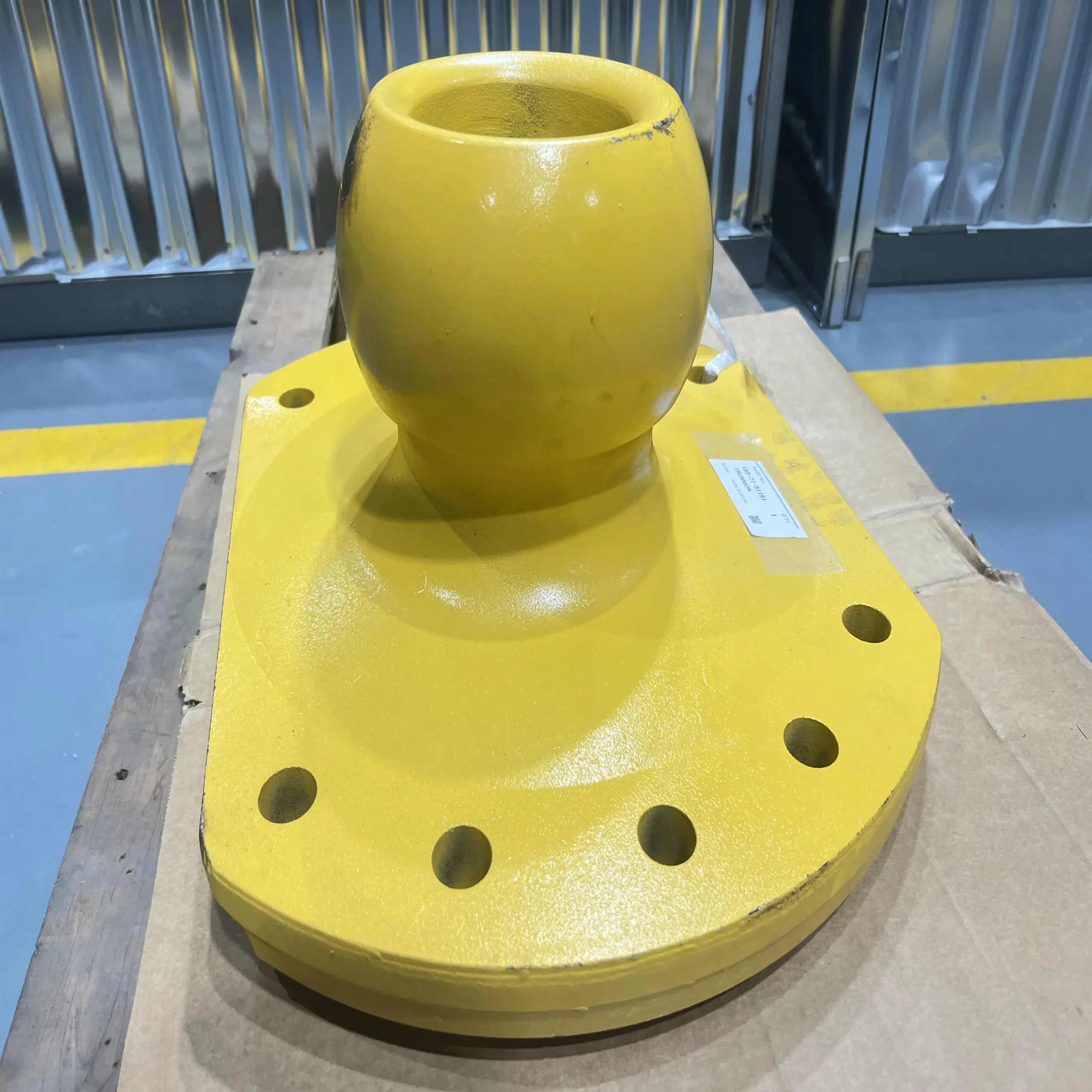 Suitable for Komatsu D375 pin/195-30-62100/195-71-51191/195-71-00342
 -
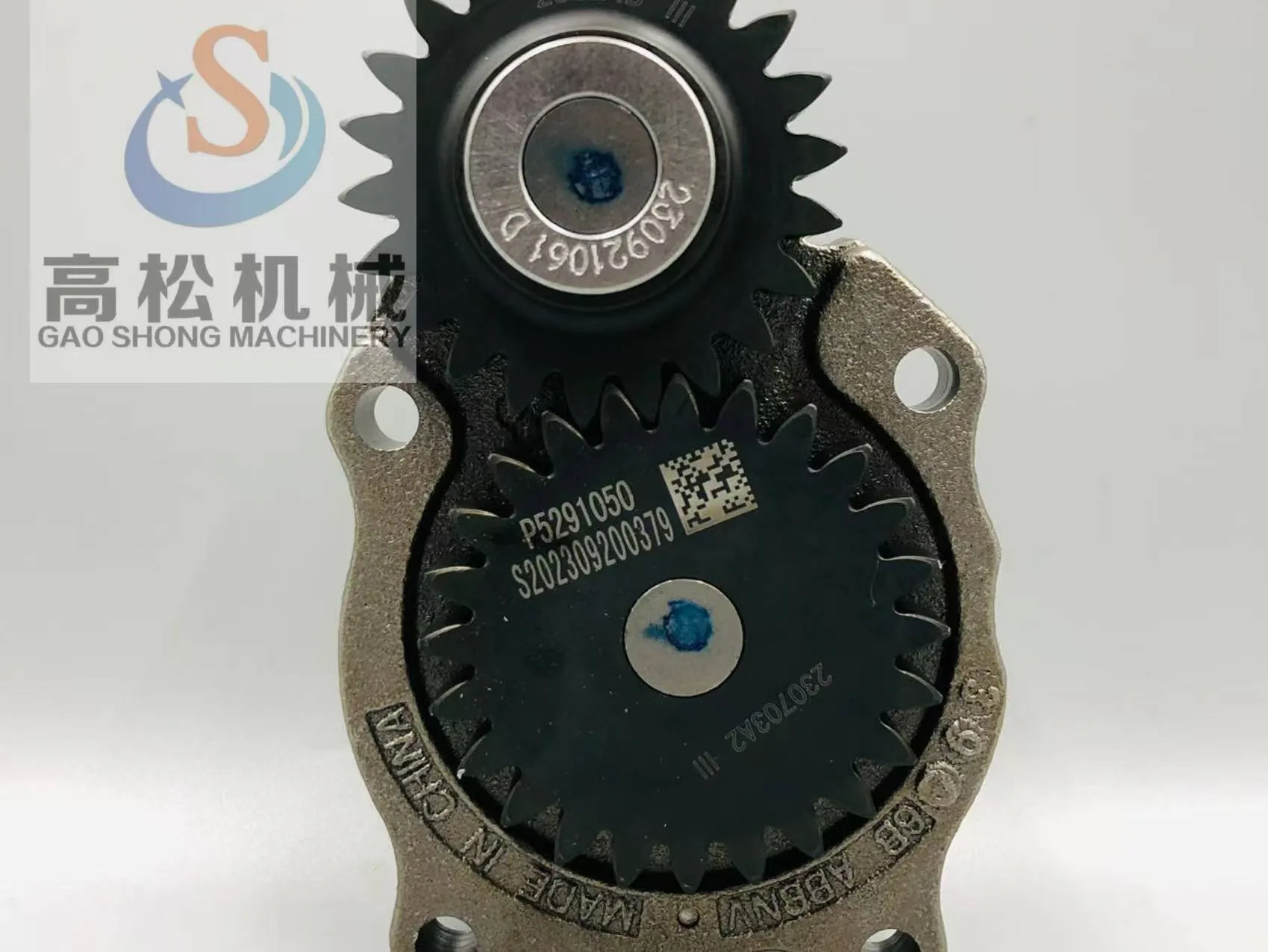 Oil pumps of models 6754-51-1111 and 6754-51-1110 suitable for Komatsu SAA6D107 2 engine