
- Chinese
- French
- German
- Portuguese
- Spanish
- Russian
- Japanese
- Korean
- Arabic
- Irish
- Greek
- Turkish
- Italian
- Danish
- Romanian
- Indonesian
- Czech
- Afrikaans
- Swedish
- Polish
- Basque
- Catalan
- Esperanto
- Hindi
- Lao
- Albanian
- Amharic
- Armenian
- Azerbaijani
- Belarusian
- Bengali
- Bosnian
- Bulgarian
- Cebuano
- Chichewa
- Corsican
- Croatian
- Dutch
- Estonian
- Filipino
- Finnish
- Frisian
- Galician
- Georgian
- Gujarati
- Haitian
- Hausa
- Hawaiian
- Hebrew
- Hmong
- Hungarian
- Icelandic
- Igbo
- Javanese
- Kannada
- Kazakh
- Khmer
- Kurdish
- Kyrgyz
- Latin
- Latvian
- Lithuanian
- Luxembou..
- Macedonian
- Malagasy
- Malay
- Malayalam
- Maltese
- Maori
- Marathi
- Mongolian
- Burmese
- Nepali
- Norwegian
- Pashto
- Persian
- Punjabi
- Serbian
- Sesotho
- Sinhala
- Slovak
- Slovenian
- Somali
- Samoan
- Scots Gaelic
- Shona
- Sindhi
- Sundanese
- Swahili
- Tajik
- Tamil
- Telugu
- Thai
- Ukrainian
- Urdu
- Uzbek
- Vietnamese
- Welsh
- Xhosa
- Yiddish
- Yoruba
- Zulu
- Kinyarwanda
- Tatar
- Oriya
- Turkmen
- Uyghur





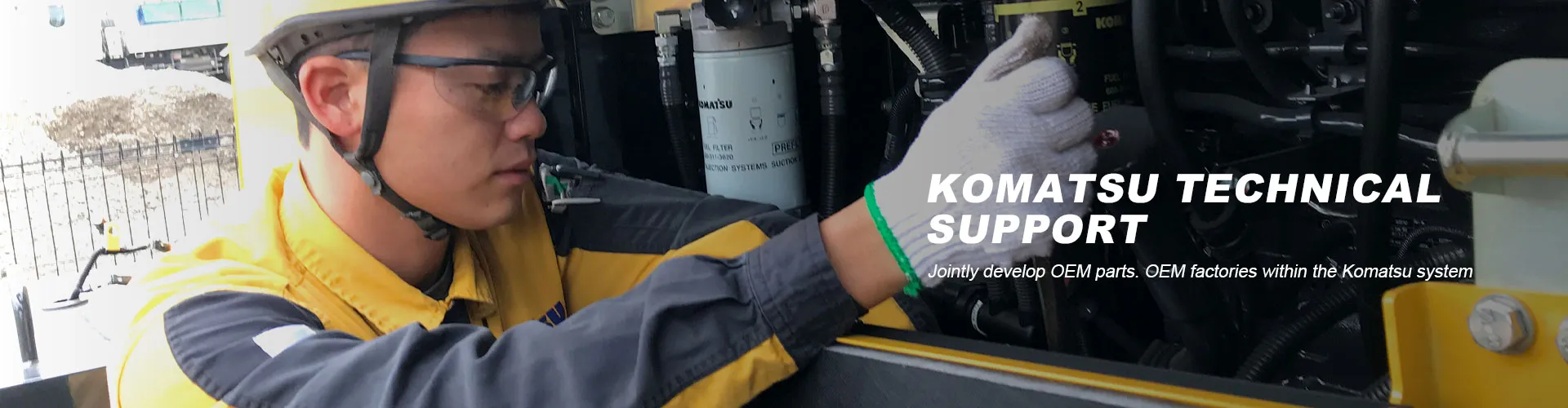
aftermarket komatsu undercarriage parts
When you hear 'aftermarket Komatsu undercarriage parts,' the immediate reaction in many shops is a mix of hope and deep skepticism. Hope because the price point compared to OEM is undeniably attractive, especially when you're staring down a D375A-8 that needs a full track chain rebuild. Skepticism because we've all been burned—or know someone who has—by a shiny, cheap roller that cracked its flange after 800 hours. The common mistake? Thinking 'aftermarket' is a single category. It's not. It's a spectrum, from near-OEM quality down to outright dangerous scrap metal, and the real skill lies in mapping that spectrum for your specific application and risk tolerance.
The Quality Spectrum Isn't Linear
Early in my career, I operated under a simple, flawed assumption: higher price equals better quality in the aftermarket. I learned this wasn't true the hard way on a PC700 project. We sourced a mid-range priced aftermarket komatsu undercarriage parts kit for a rebuild, focusing on rollers and idlers. The rollers were fine, honestly, holding up under the abrasive conditions we had. The idlers, from the same supplier's 'premium' line, were a different story. The seal integrity failed prematurely, leading to bearing contamination and a catastrophic seize on-site. The downtime cost eclipsed any parts savings. The lesson? Quality isn't uniform across a single supplier's catalog. You have to judge component by component, sometimes even batch by batch.
This leads to the core judgment call: metallurgy and heat treatment. You can't see it, but it's everything. For track links and bushings, the through-hardening depth is critical. I've seen aftermarket bushings that wear visibly oval within 1200 hours because the case was too shallow. A good test, albeit destructive, is to take a sample link from a new batch and section it. Compare the wear pattern and core hardness to a worn-but-genuine Komatsu part. It's not foolproof, but it builds a data point. Suppliers who are confident will sometimes provide mill certificates or heat treat charts. If they balk at that request, it's a red flag.
Then there's the geometry. It sounds basic, but pin and bushing bore alignment, the track shoe bolt hole pattern—these tolerances stack up. I recall a rebuild where we used an aftermarket track chain assembly. The fit with the sprocket was just... off. Not enough to not install, but enough to cause an uneven wear pattern and a persistent, annoying 'clunk' with every revolution. We ended up swapping the sprocket (OEM) prematurely. The culprit? Likely a slight deviation in the pitch of the aftermarket chain. The takeaway: the best aftermarket parts are those engineered not just to fit, but to interact correctly with the entire undercarriage system, including the OEM components you're not replacing.
Sourcing and the OEM-Affiliated Grey Zone
This is where the landscape gets interesting. You have pure third-party manufacturers, and then you have entities operating within the Komatsu ecosystem but not as the primary brand. This is a crucial distinction. A company like Jining Gaosong Construction Machinery Co., Ltd. presents a fascinating case. Their stated position as an OEM product supplier within the Komatsu system and a third-party sales company for Komatsu is more than marketing speak if true. It suggests a hybrid model. They might be producing components to Komatsu's specifications for certain markets or lines, or they are an authorized conduit for surplus or region-specific OEM stock. Their site, https://www.takematsumachinery.com, frames their role as helping solve parts supply challenges in certain countries, which rings true for anyone who's dealt with long lead times for genuine parts in remote regions.
For a buyer, this type of source is a potential goldmine, but verification is key. The question isn't just Are these parts good? but What is the actual provenance of this specific pallet of track shoes? Are they overruns from an OEM factory? Are they produced on licensed tooling? Or are they simply high-spec aftermarket parts distributed through a privileged channel? I've had success with similar hybrid suppliers for dozer aftermarket komatsu undercarriage parts, particularly for older models like the D155, where OEM support is winding down. The parts often had Komatsu casting marks ground off, a telltale sign of OEM-origin surplus. Performance was identical to genuine.
The risk with these channels is consistency. One shipment might be flawless, the next might be from a different factory altogether. Building a relationship is paramount. It's about moving past the sales contact to a technical liaison who understands what RC hardness you need for your specific ground conditions. You're not just buying a part; you're buying their quality control pipeline and their honesty about when something isn't up to spec for your job.
Application Dictates Specification
A universal truth: there is no single best undercarriage part. The right choice is 100% application-dependent. We made this error on a high-production, low-abrasion coal reclamation site. We opted for a standard aftermarket track chain, thinking the easy material would be gentle. The failure mode was unexpected: spalling on the link rails. The problem wasn't wear; it was impact and fatigue from constant, high-speed travel on a hard, compacted base. We needed a part with better impact resistance, not necessarily maximum abrasion protection. We switched to a different aftermarket brand that emphasized alloy toughness over pure surface hardness, and life improved dramatically.
This is where a detailed cost-per-hour analysis, not just price-per-part, becomes non-negotiable. For a high-abrasion rock quarry, a premium aftermarket segment group with a deep, stable hard layer might outperform a standard OEM part at a lower cost. Conversely, for a high-impact, high-torsion application like a large excavator doing heavy ripping, the guaranteed material science of an OEM component might be the only prudent choice to protect the final drives. The decision matrix has to include machine value, downtime cost, labor cost for replacement, and the operational penalty of an unscheduled failure.
Sometimes, the smartest play is mixing components. I've run setups with OEM rollers and idlers (for their bearing and seal reliability) paired with a high-quality aftermarket track chain and shoes. The shoes, being a wear item, are often where aftermarket value shines brightest, provided the steel grade and grouser height are correct. This hybrid approach balances cost and critical reliability. It requires a deep understanding of which components are the weakest links in your specific operation and allocating your budget accordingly.
The Logistics and Hidden Cost Pitfalls
An often-overlooked aspect of the aftermarket komatsu undercarriage parts world is logistics. A great price on paper can be destroyed by shipping delays, customs hassles, or incorrect documentation. I've had containers of undercarriage parts sit at a port for weeks because the harmonized tariff codes were incorrectly listed by the supplier. The time value of money—and of a downed machine—is a real cost. Suppliers like the aforementioned Jining Gaosong, which explicitly address supply chain challenges, are focusing on a real pain point. Their value proposition isn't just the part in a box, but the certainty (or increased probability) of it arriving when and where you need it.
Another hidden cost is inventory. The appeal of aftermarket is often lower capital outlay. But if you have to order a full set of D65E-12 parts from overseas with an 8-week lead time, you're forced to hold more inventory, which ties up capital and space. The ideal supplier, whether a hybrid or pure aftermarket, offers some level of regional stocking or predictable, shortened lead times. This reliability often justifies a slightly higher unit cost. It turns a part into a service.
Finally, there's the fit-up and warranty labor. A part that doesn't fit perfectly costs you man-hours in modification, shimming, or worse, rework. A clear, no-hassle warranty that covers not just the part but the labor to replace it a second time is a sign of a confident supplier. Many aftermarket warranties are pro-rated and labor-exclusive, making them nearly worthless on a major component. Scrutinize the warranty terms as closely as you do the metallurgy specs.
Concluding Without a Neat Bow
So, where does this leave us? There's no magic answer. The aftermarket for Komatsu undercarriage parts is a necessary, complex, and potentially very rewarding arena. It demands a forensic approach: verify claims, test samples when possible, understand your application's true failure modes, and calculate total cost, not unit cost. The emergence of hybrid suppliers operating with some level of OEM sanction or history adds a valuable middle path, blending some of the assurance of the Komatsu system with the flexibility and often better accessibility of the aftermarket.
The goal isn't to find parts as good as OEM. That's the wrong framing. The goal is to find the parts that deliver the required performance and reliability for your specific machine, in your specific dirt, for your specific economic equation. Sometimes that is OEM. Often, it's a tier-one aftermarket brand. And increasingly, it might be from a channel partner that understands the global supply chain gaps. It's less about brand loyalty and more about evidence-based sourcing.
It's a continuous process of evaluation, relationship building, and sometimes, educated gambling. You'll have some failures. The key is to learn from them, add that supplier or that part number to your mental map, and keep a precise record of what worked, where, and for how long. That's the real asset—not a catalog of parts, but a catalog of verified experience.
Related Products
Related Products
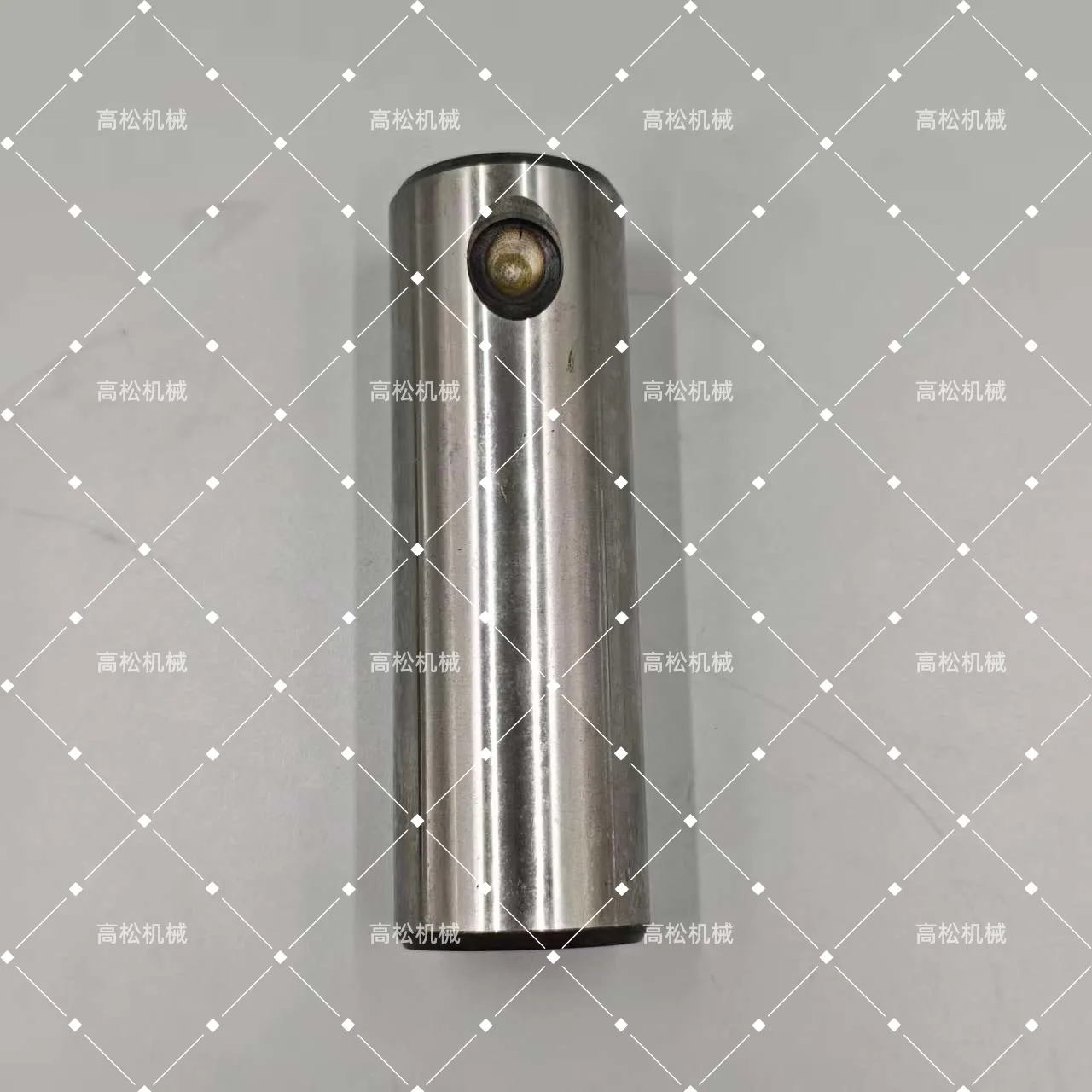
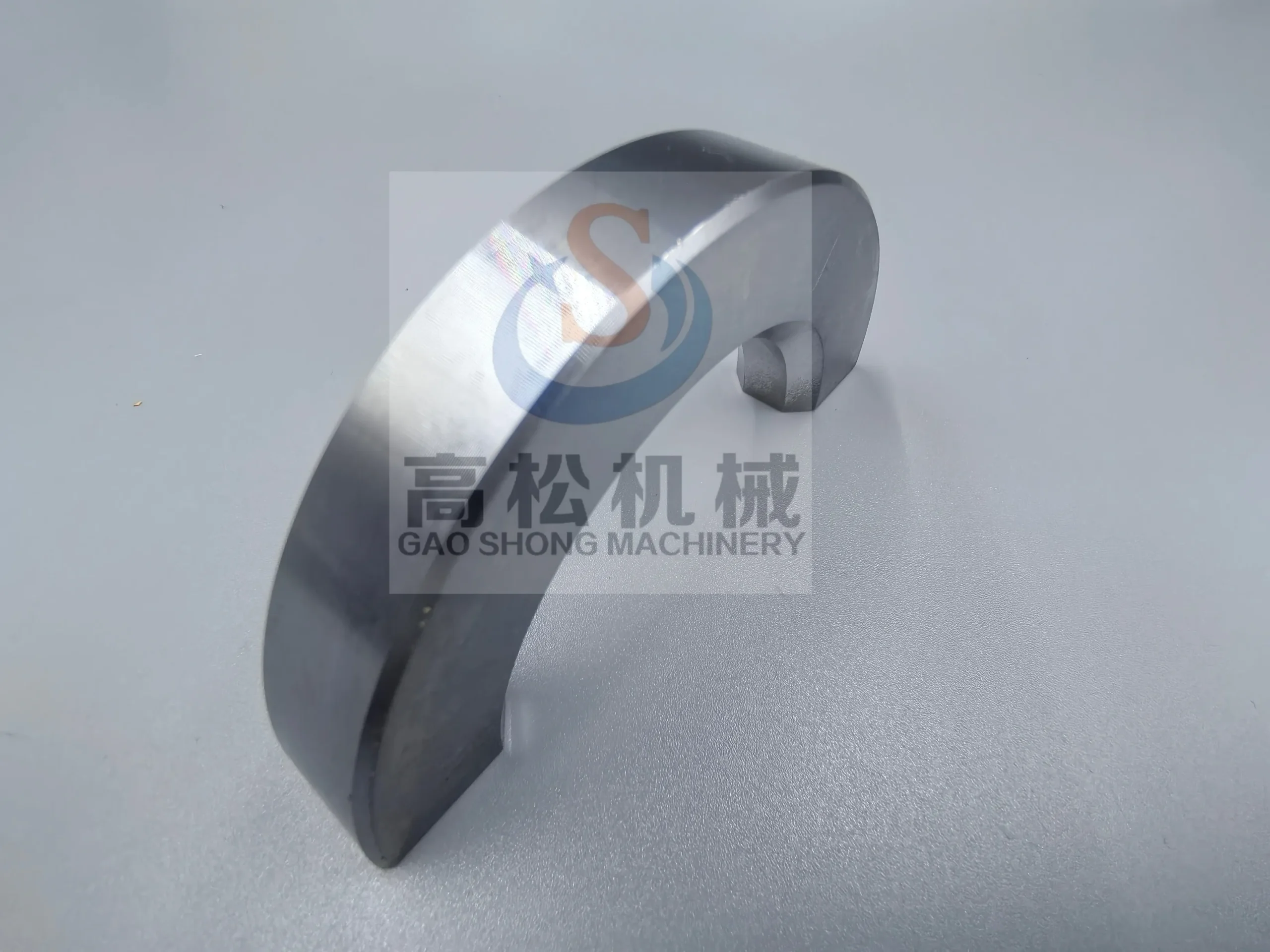
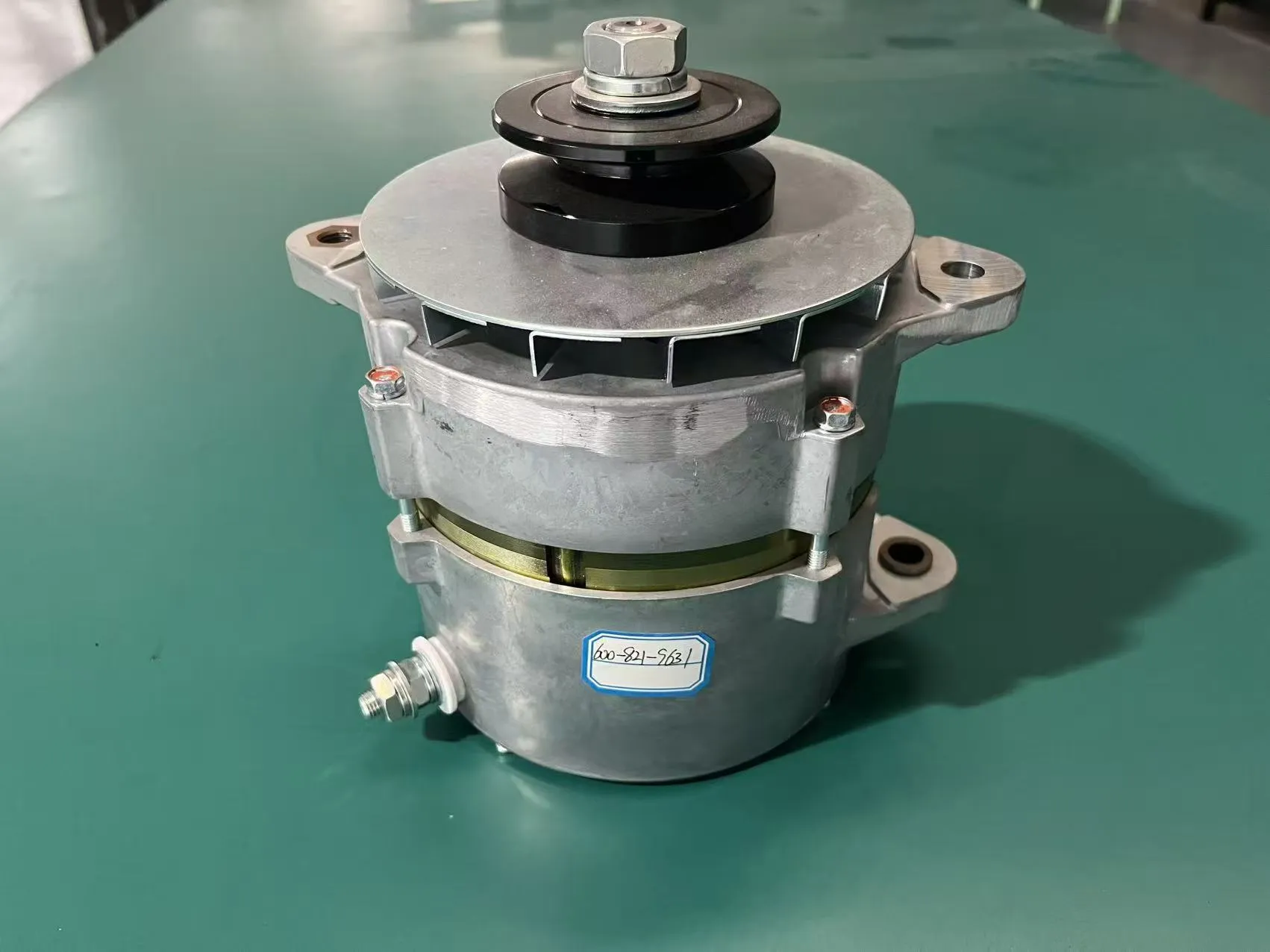
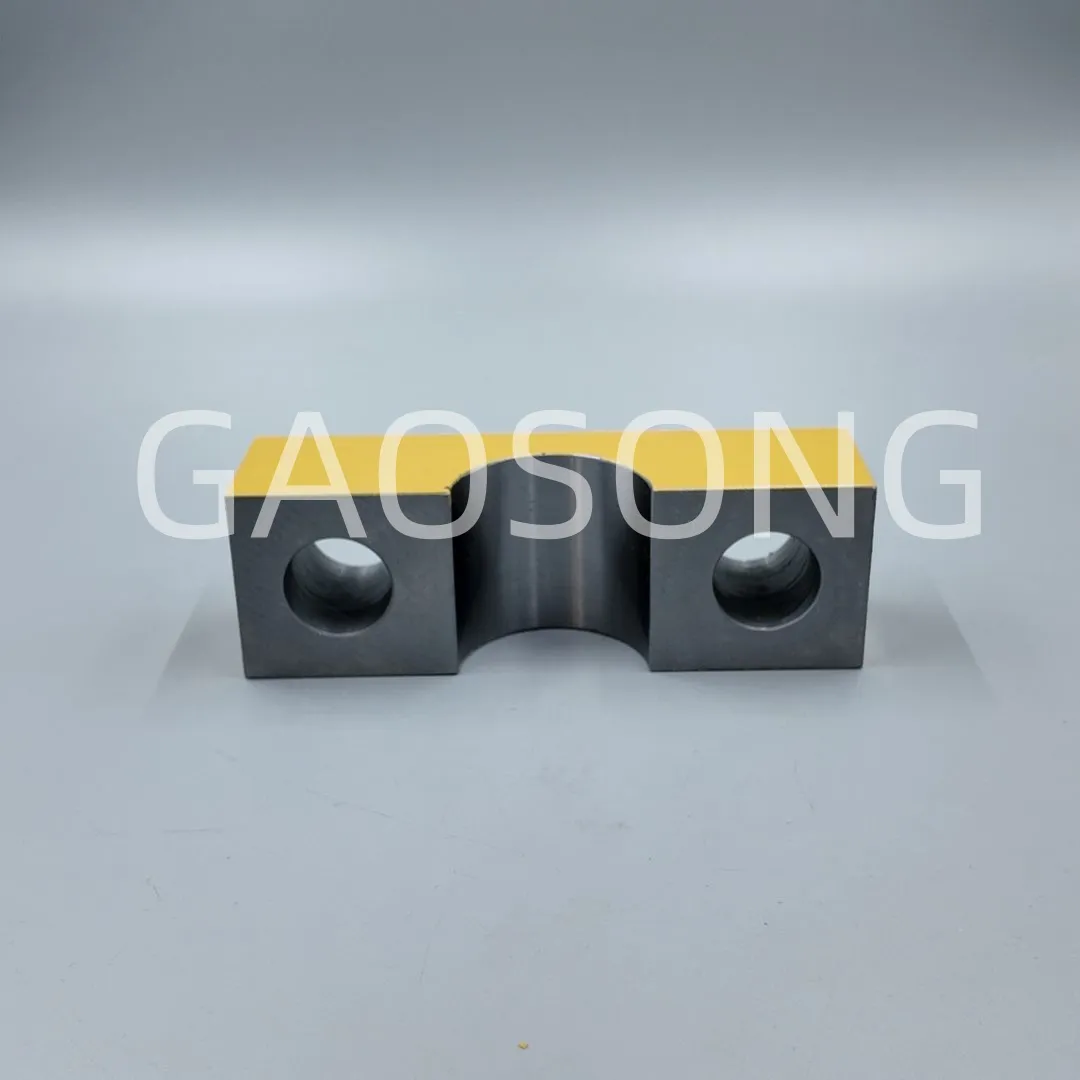
Best Selling Products
Best Selling Products-
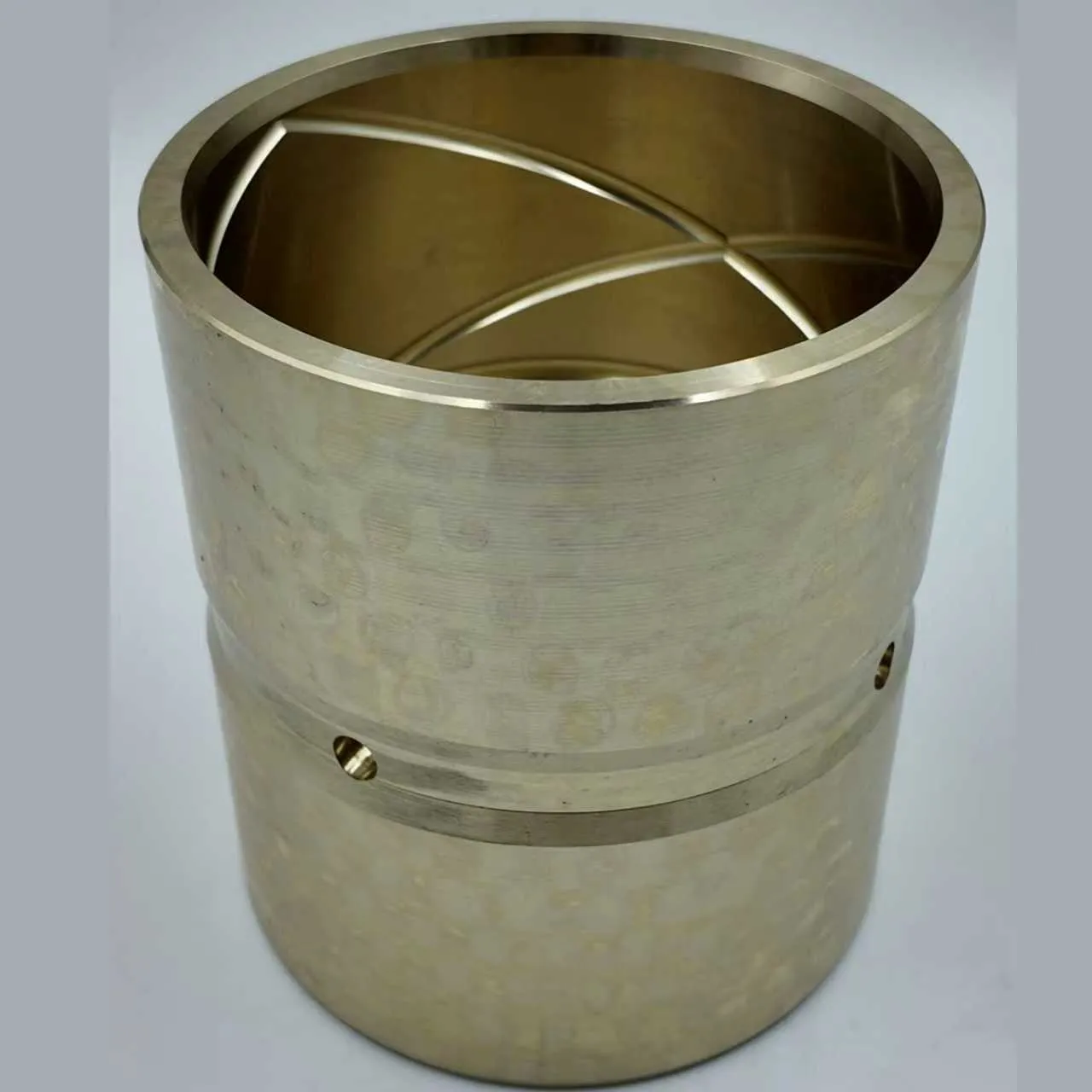 Bushing 207-70-61610 for Komatsu PC350-7 PC300LC-7 PC300-8 PC300LC-7L PC300-7
 -
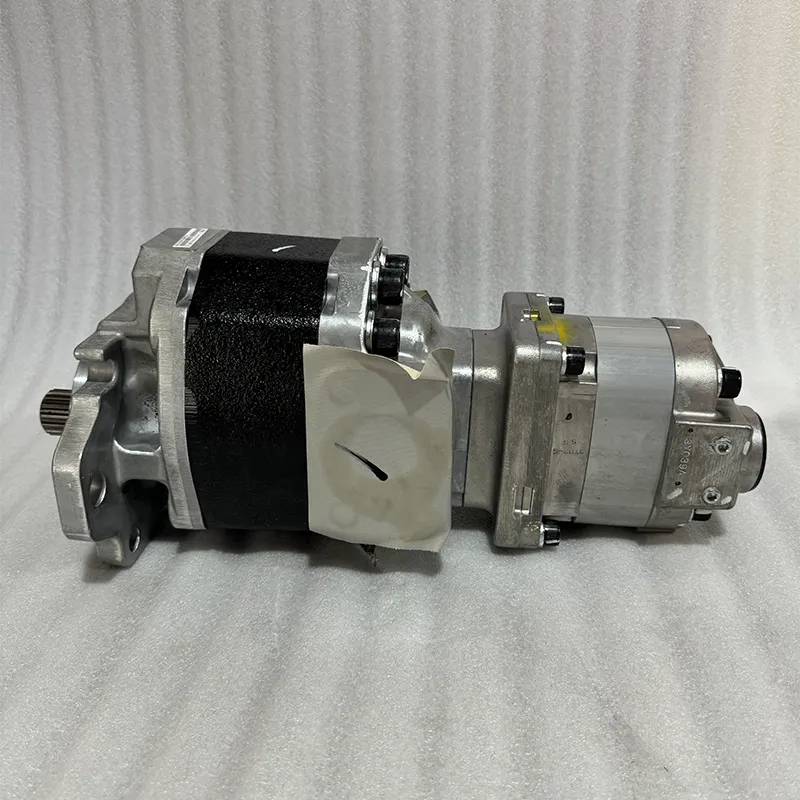 Original komatsu HD605-7R Gear Pump 705-95-05140
 -
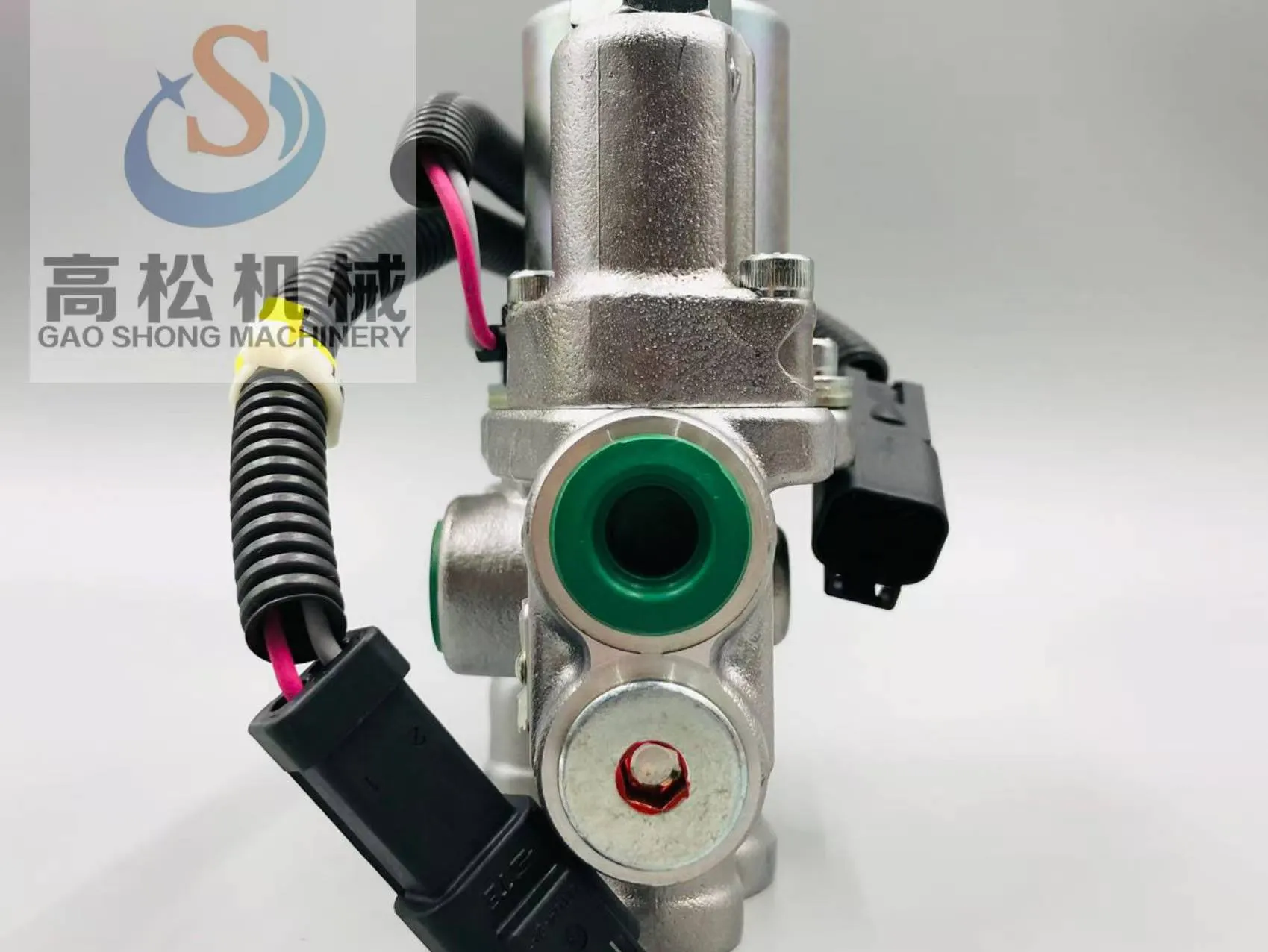 22F-60-31600/22F-60-21201 Electromagnetic valve assembly for PC40MR PC55MR PC56-7 excavator parts
 -
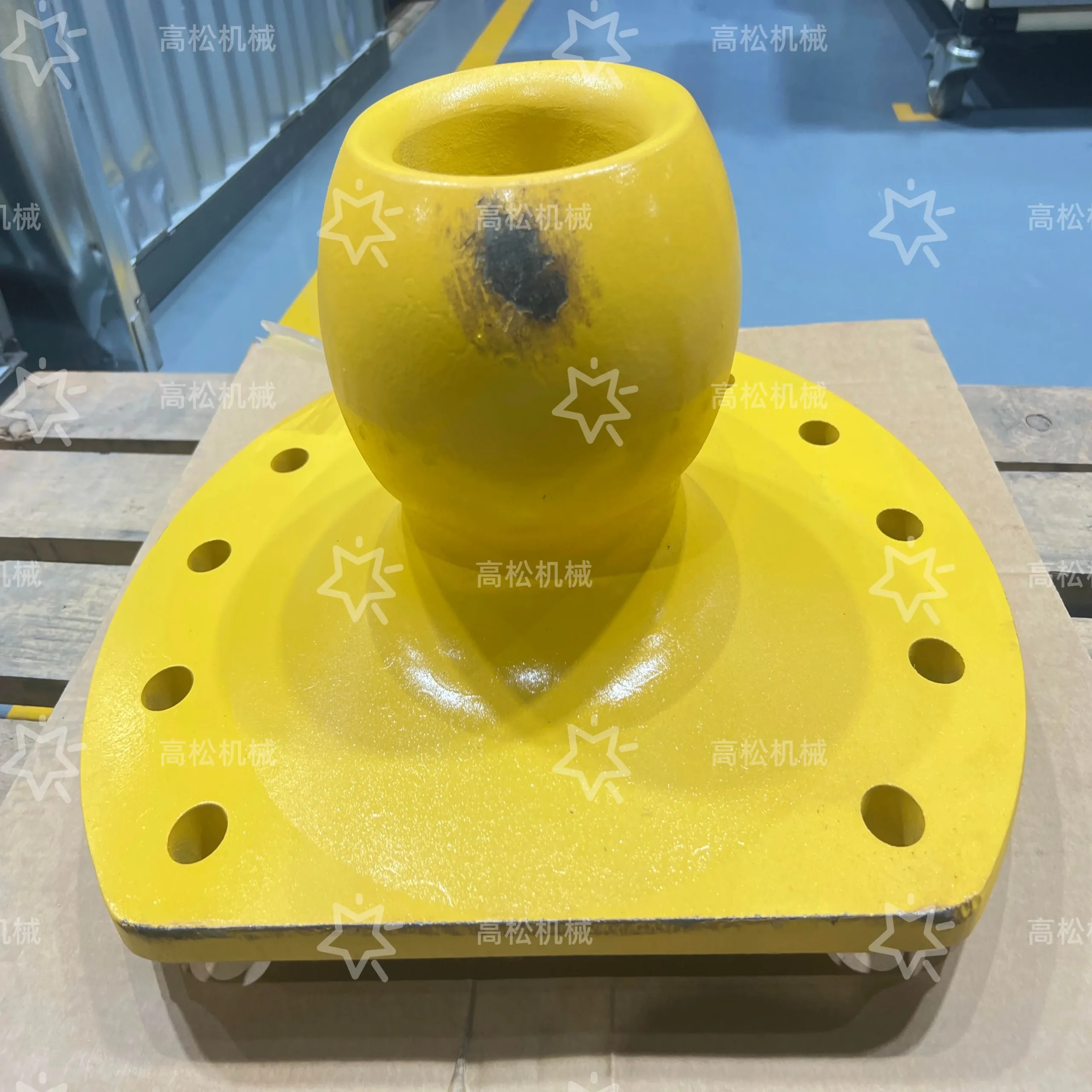 195-71-51191Trunnion 195-71-51191 for Bulldozer D375A-1/3/5/6
 -
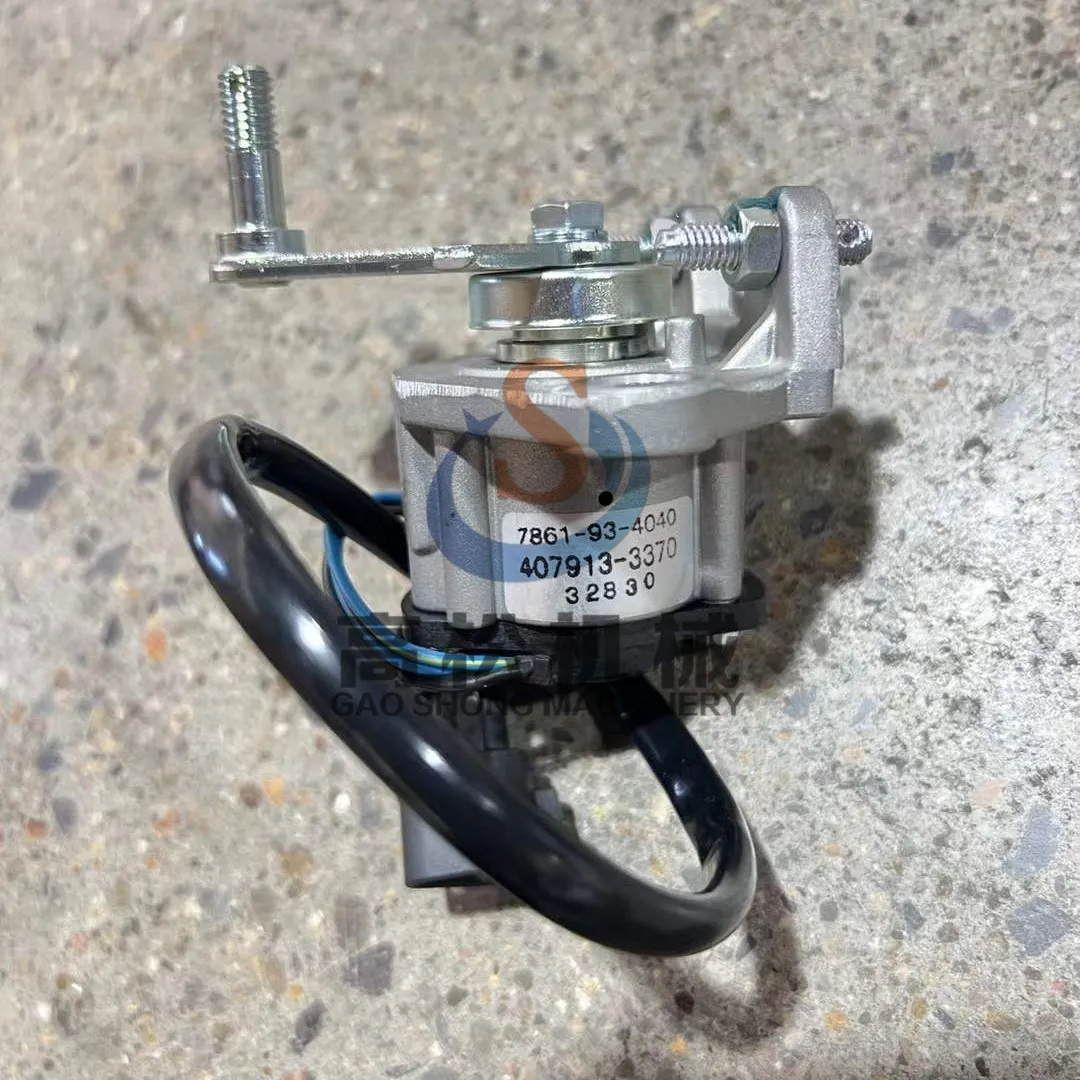 Angle Sensor 7861-93-4040 for Komatsu Bulldozer D475A-5 D575A-3 D375A-6 D475A-5E0 Crawler Loader D85PX-15R
 -
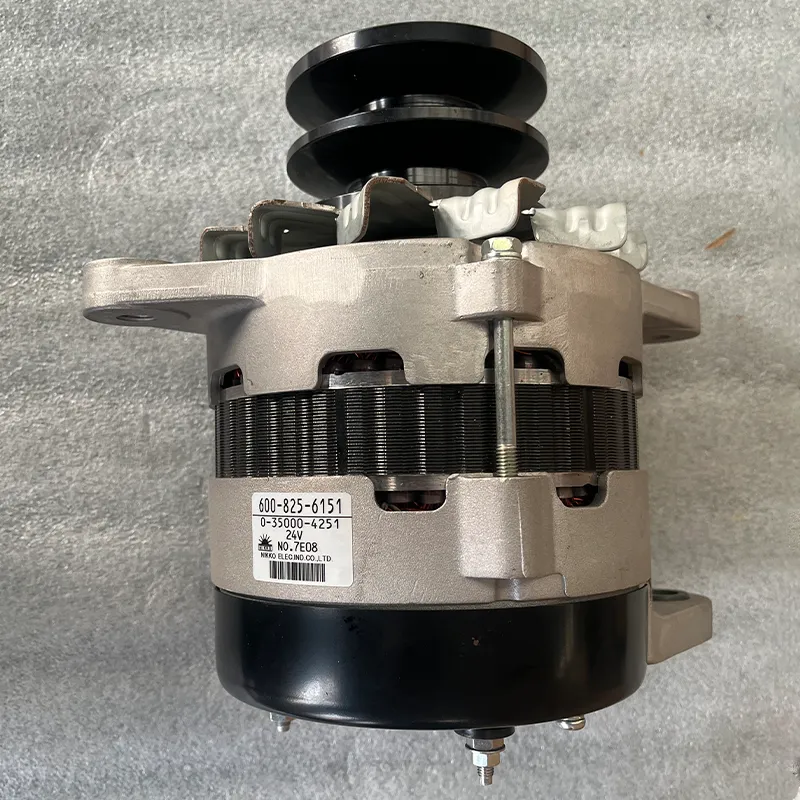 600-825-6151 Original komatsu alternator for PC300-7 PC360-7 PC400-78 PC450-8
 -
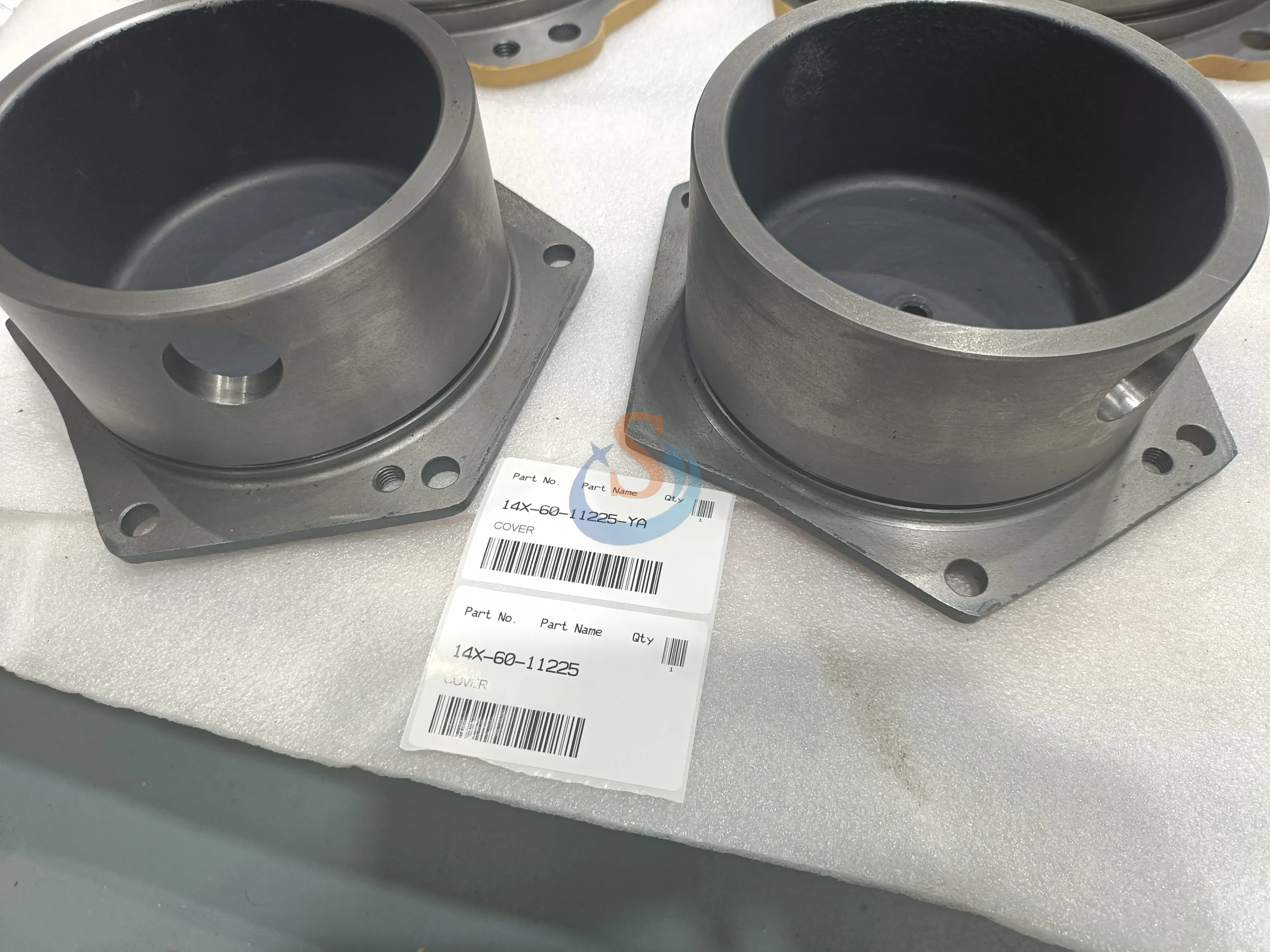 14X-60-11225,COVER,D65PX,D85ESS
 -
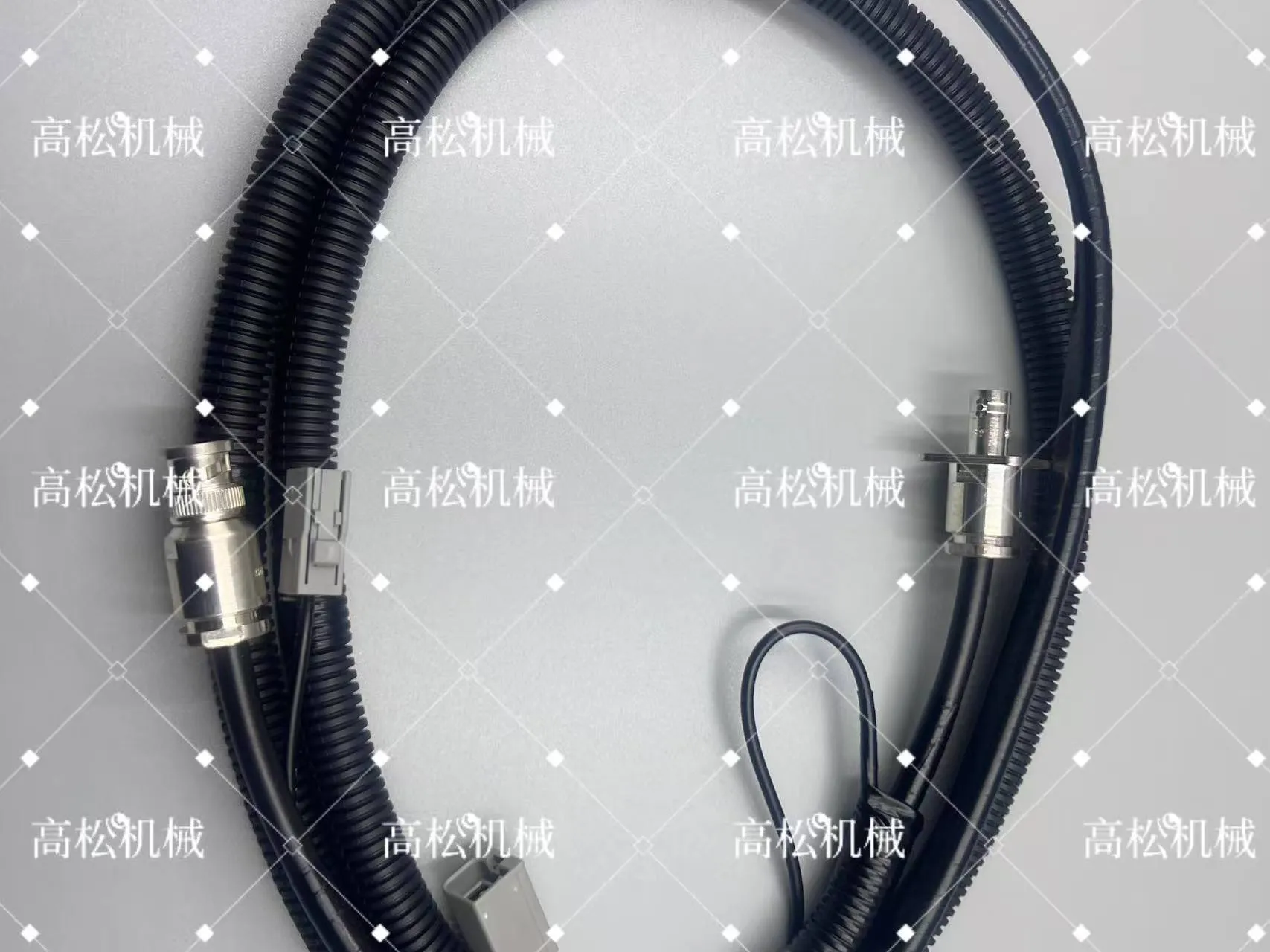 426-06-33750 Komatsu Wiring Harness Parts WA600, WD600
 -
 21N-30-14160 PACKING (Komatsu)
 -
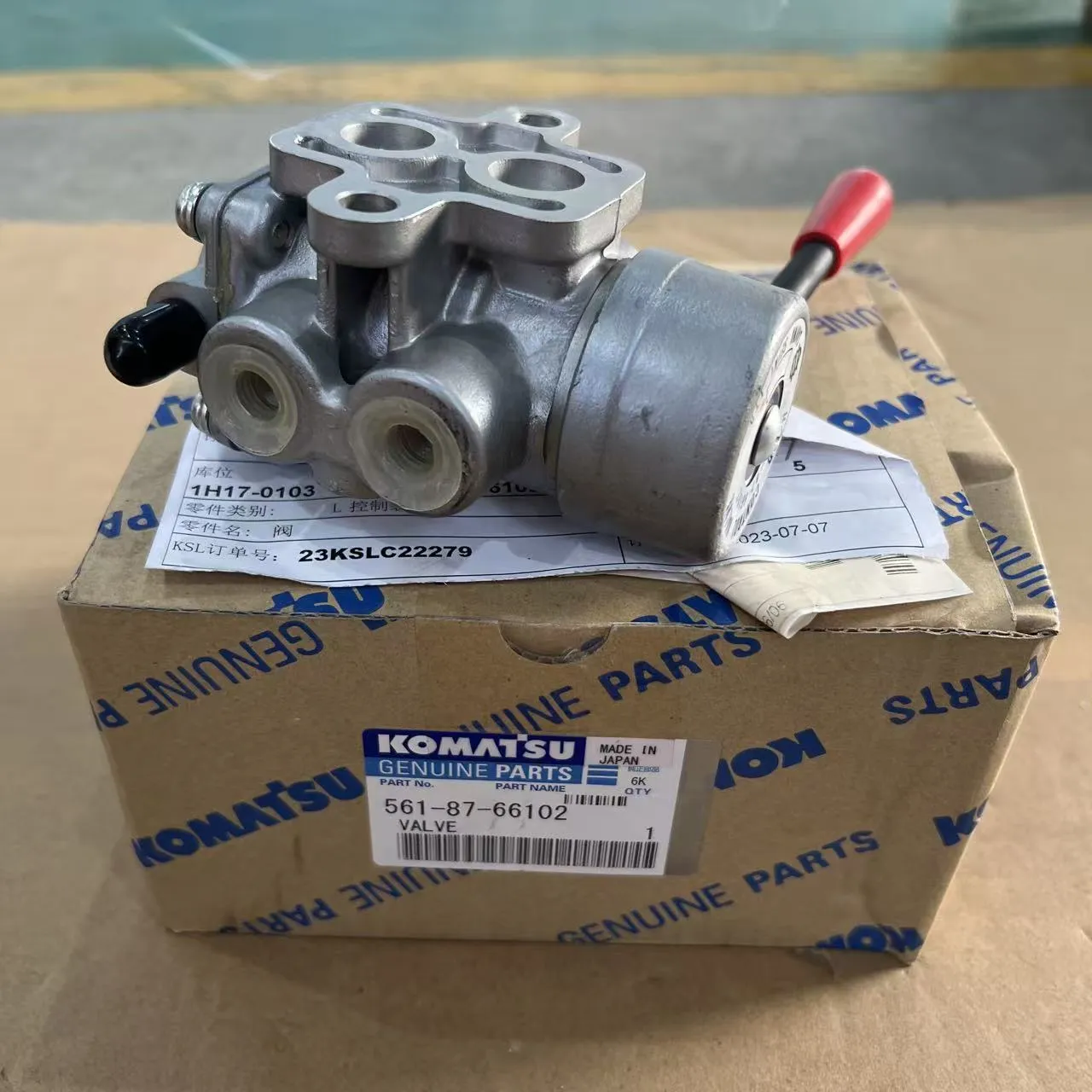 VALVE ASS’Y 561-87-66102 – KOMATSU
 -
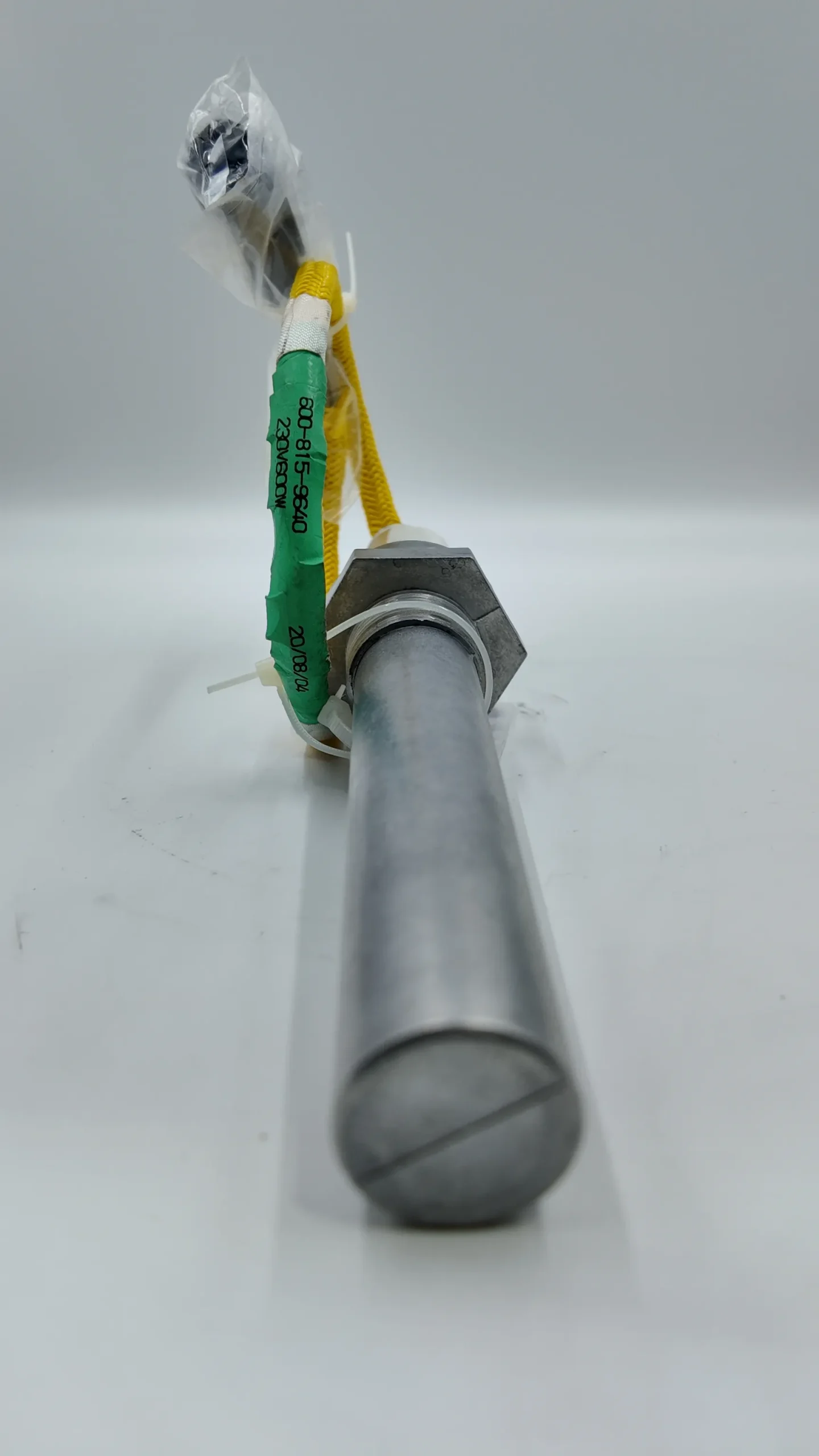 600-815-9640 HEATER-Komatsu Original Factory
 -
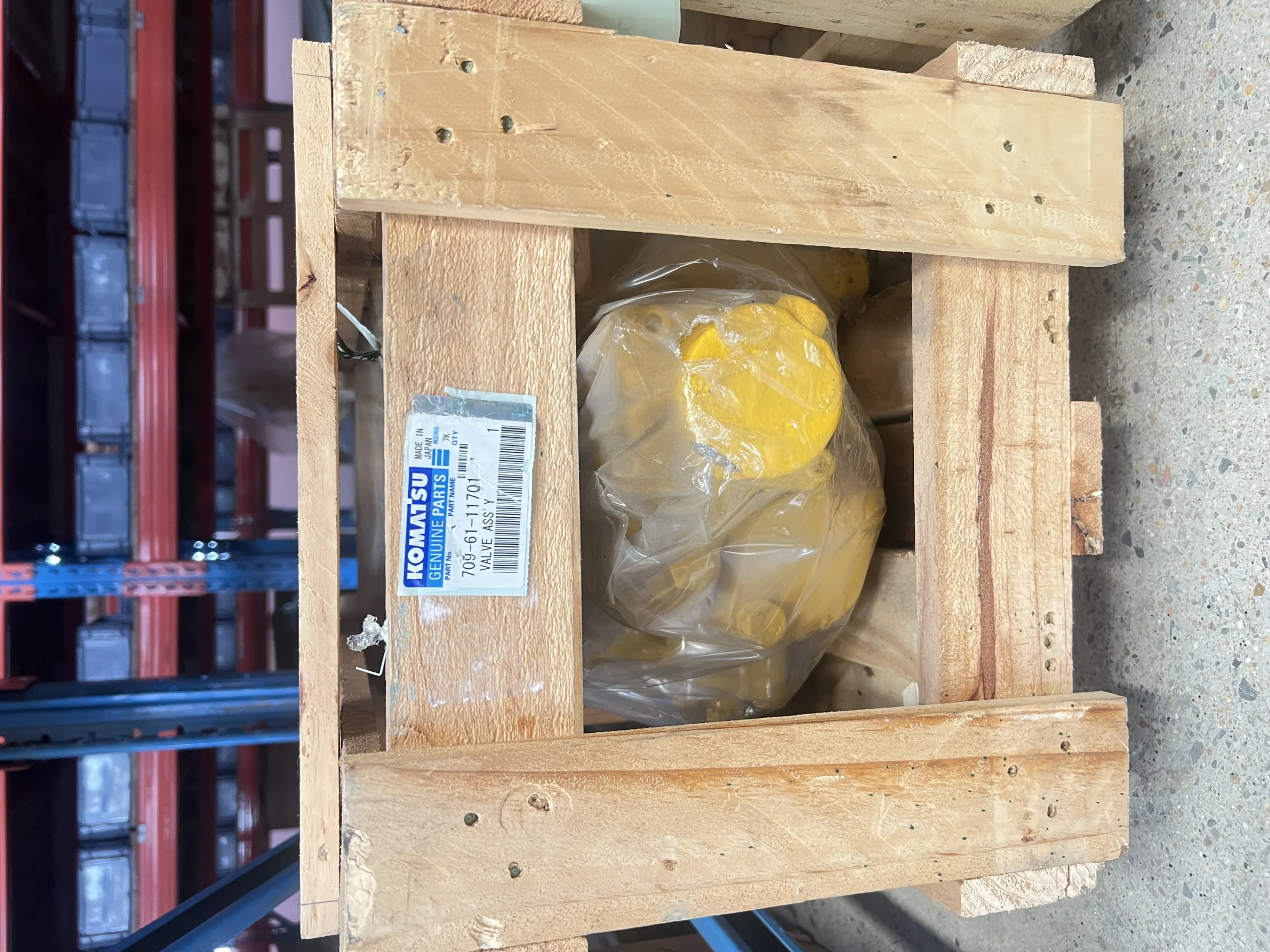 D375A-3D Valve Assembly 709-61-11701
Related Search
Related Search- zenoah komatsu goped engine
- OEM AND ORIGINAL KOMATSU BUSHING 426-N42-3910
- 6245-61-8211
- OEM AND ORIGINAL KOMATSU STARTER 600-813-9512
- 6245-11-8110
- komatsu d85 engine
- OEM AND ORIGINAL KOMATSU STEERING VALVE 235-40-14101
- komatsu 2238 engine
- OEM AND ORIGINAL KOMATSU OIL FILTER 569-16-81100
- komatsu pc50mr 2 hydraulic pump