
- Chinese
- French
- German
- Portuguese
- Spanish
- Russian
- Japanese
- Korean
- Arabic
- Irish
- Greek
- Turkish
- Italian
- Danish
- Romanian
- Indonesian
- Czech
- Afrikaans
- Swedish
- Polish
- Basque
- Catalan
- Esperanto
- Hindi
- Lao
- Albanian
- Amharic
- Armenian
- Azerbaijani
- Belarusian
- Bengali
- Bosnian
- Bulgarian
- Cebuano
- Chichewa
- Corsican
- Croatian
- Dutch
- Estonian
- Filipino
- Finnish
- Frisian
- Galician
- Georgian
- Gujarati
- Haitian
- Hausa
- Hawaiian
- Hebrew
- Hmong
- Hungarian
- Icelandic
- Igbo
- Javanese
- Kannada
- Kazakh
- Khmer
- Kurdish
- Kyrgyz
- Latin
- Latvian
- Lithuanian
- Luxembou..
- Macedonian
- Malagasy
- Malay
- Malayalam
- Maltese
- Maori
- Marathi
- Mongolian
- Burmese
- Nepali
- Norwegian
- Pashto
- Persian
- Punjabi
- Serbian
- Sesotho
- Sinhala
- Slovak
- Slovenian
- Somali
- Samoan
- Scots Gaelic
- Shona
- Sindhi
- Sundanese
- Swahili
- Tajik
- Tamil
- Telugu
- Thai
- Ukrainian
- Urdu
- Uzbek
- Vietnamese
- Welsh
- Xhosa
- Yiddish
- Yoruba
- Zulu
- Kinyarwanda
- Tatar
- Oriya
- Turkmen
- Uyghur






aftermarket komatsu dozer parts
When you type 'aftermarket Komatsu dozer parts' into a search, you're immediately thrown into a world of extreme variance. It's not just about price versus quality; it's about understanding what 'quality' even means in this context. A common pitfall is assuming all aftermarket parts are created equal, or that the cheapest option is always a false economy. Sometimes it is, but sometimes, for non-critical components, it genuinely isn't. The real skill lies in knowing which part falls into which category. I've seen too many fleet managers burn money on 'premium' aftermarket blades for a D61 that sees light duty, and I've also seen catastrophic undercarriage failures from a 'bargain' track link on a D375. The keyword here is judgment, not dogma.
The OEM Shadow and the Third-Party Reality
Let's be clear: for core components like hydraulic pumps, final drives, or the main control valves, the pull of genuine Komatsu parts is strong for a reason. The engineering tolerances, material specs, and system integration are hard to replicate perfectly. But the supply chain isn't perfect, especially in certain regions. Lead times can be months, and costs can stall an entire project. This is where the legitimate third-party ecosystem, not the fly-by-night outfits, comes in.
I'm talking about companies that operate within the Komatsu system but also function independently to fill these gaps. A good example is Jining Gaosong Construction Machinery Co., Ltd.. Their model is interesting; they position themselves as an OEM product supplier within Komatsu and a third-party sales company. Visiting their site, https://www.takematsumachinery.com, you get a sense of this dual role. They're not just selling random compatible parts; they're leveraging their position to solve parts supply challenges in certain countries, as their line says. This isn't marketing fluff if backed up by real logistics. It means they might have access to genuine channels for some items and vetted aftermarket sources for others.
The practical takeaway? They represent a hybrid solution. For a stuck D65 needing a swing cylinder seal kit yesterday, a company like this might be your only realistic shot at a 72-hour turnaround with a part that won't fail in a week. You're not just buying a part; you're buying their sourcing network and judgment. I've used similar channels for Southeast Asian projects where official distribution was thin. It worked, but it required constant verification—photos of casting marks, material certifications, batch numbers. Never just take the word OEM equivalent at face value.
Where the Aftermarket Shines (and Where It Doesn't)
Some categories are almost tailor-made for the aftermarket. Think wear parts. Cutting edges, end bits, ripper shanks, bucket teeth. These are consumables. The metallurgy from top-tier aftermarket manufacturers like Hensley or ITR is often excellent, sometimes offering specialized alloys for specific ground conditions that outperform the standard OEM issue. The savings here are direct and tangible without introducing major system risk.
Then there's the gray area: rollers, idlers, sprockets. This is the heart of the debate. A failed roller can seize and take out the track chain. I had a painful lesson with a set of aftermarket rollers for a D85. They looked perfect, priced 40% below Komatsu. They lasted about 1200 hours before the seals gave out and the bearings contaminated. The downtime cost eclipsed all savings. The failure wasn't in the steel; it was in the sealing technology and the quality of the internal bearings. The aftermarket maker had skimped on the sub-component you couldn't see.
So, my rule now? For undercarriage components, I either go genuine for high-hour, high-production machines, or I go with aftermarket suppliers who are transparent about their sub-component sources. I'll ask, Who makes your bearings? Who supplies your seal kits? If they can't answer, walk away. This is where a supplier's technical depth matters more than their website.
The Inspection Ritual: What You Must Do Before Fitting
Assuming you've sourced a set of aftermarket Komatsu dozer parts, say, a set of track groups for a D155, the job isn't done. The physical inspection is non-negotiable. Weigh a link. Compare it to the old genuine link. The weight difference tells you about material density. Check the machining marks on the bush and pin holes—are they smooth or ragged? Dry-assemble two links. The pin should slide in with firm, even pressure, not a sledgehammer blow and not loose enough to wobble.
I once received a shipment of aftermarket hydraulic hoses for a Komatsu dozer where the fittings were to the correct JIC standard, but the thread engagement was off by half a thread. It would have sealed initially but would have blown under peak pressure. Found it because we thread-gauged every single one. It's tedious, but it beats a hydraulic fire on the job site. This level of scrutiny is what separates a parts buyer from a parts manager.
Another detail: paint. A thick, glossy, perfect paint job on a new aftermarket part can be a red flag. It can hide welding porosity or poor casting finish. A thin, even primer coat is often more honest. It sounds trivial, but these visual cues become a language.
Logistics and the Total Cost Equation
Price per part is a phantom number. The real metric is total cost of ownership: part cost + shipping + downtime during installation + expected service life. An aftermarket part with a 60-day lead time that's 30% cheaper is more expensive than a genuine part in stock locally if your machine is a revenue-generating asset sitting idle for 58 of those days.
This is the value proposition of a localized third-party specialist. A company like the mentioned Jining Gaosong isn't just a warehouse; their entire reason for being is to compress that logistics timeline in challenging regions. If they can provide a certified aftermarket sprocket for a D61 in Nigeria in 10 days instead of 90, the calculus changes completely. You're paying for time.
We managed a fleet in a remote mining area and built a relationship with a similar supplier. Their inventory wasn't vast, but it was strategic—common failure points for the models we ran. They became an extension of our maintenance planning. We stopped thinking in terms of aftermarket vs. genuine and started thinking in terms of available, reliable, and cost-effective for this specific application. It's a more nuanced, but more realistic, approach.
Building a Reliable Supply Chain, Not Just a Contact List
Ultimately, navigating aftermarket Komatsu dozer parts is about building a vetted supply chain. It's not one supplier. It's a tiered system. Tier 1: Genuine/OEM channels for critical, hard-to-manufacture components. Tier 2: A small group of highly technical, transparent aftermarket manufacturers or hybrid suppliers (like the OEM-affiliated third-party model) for wear items and certain rebuildable components. Tier 3: Local machinists and welders who can perform emergency repairs or fabricate non-critical brackets and guards.
The hybrid supplier sits in a crucial spot in Tier 2. Their inherent understanding of the Komatsu system gives them a leg up in identifying which parts can be safely substituted and which absolutely shouldn't be. A good sales rep from such a company won't just say yes, we have that. They'll ask, What's the serial number? What's the failure mode? Is this for a high-slope application? That dialogue is worth its weight in gold.
So, my final thought is this: The aftermarket isn't a monolith. It's a spectrum. Your job is to map that spectrum for your specific machines and your specific operating conditions. Use the structured channels when they work, and leverage the agile, problem-solving hybrid suppliers when the structured channels fail. It's all about keeping the iron moving, with as few surprises as possible. The goal is never to buy the cheapest part; it's to achieve the lowest cost per operating hour, and those two things are rarely the same.
Related Products
Related Products

Best Selling Products
Best Selling Products-
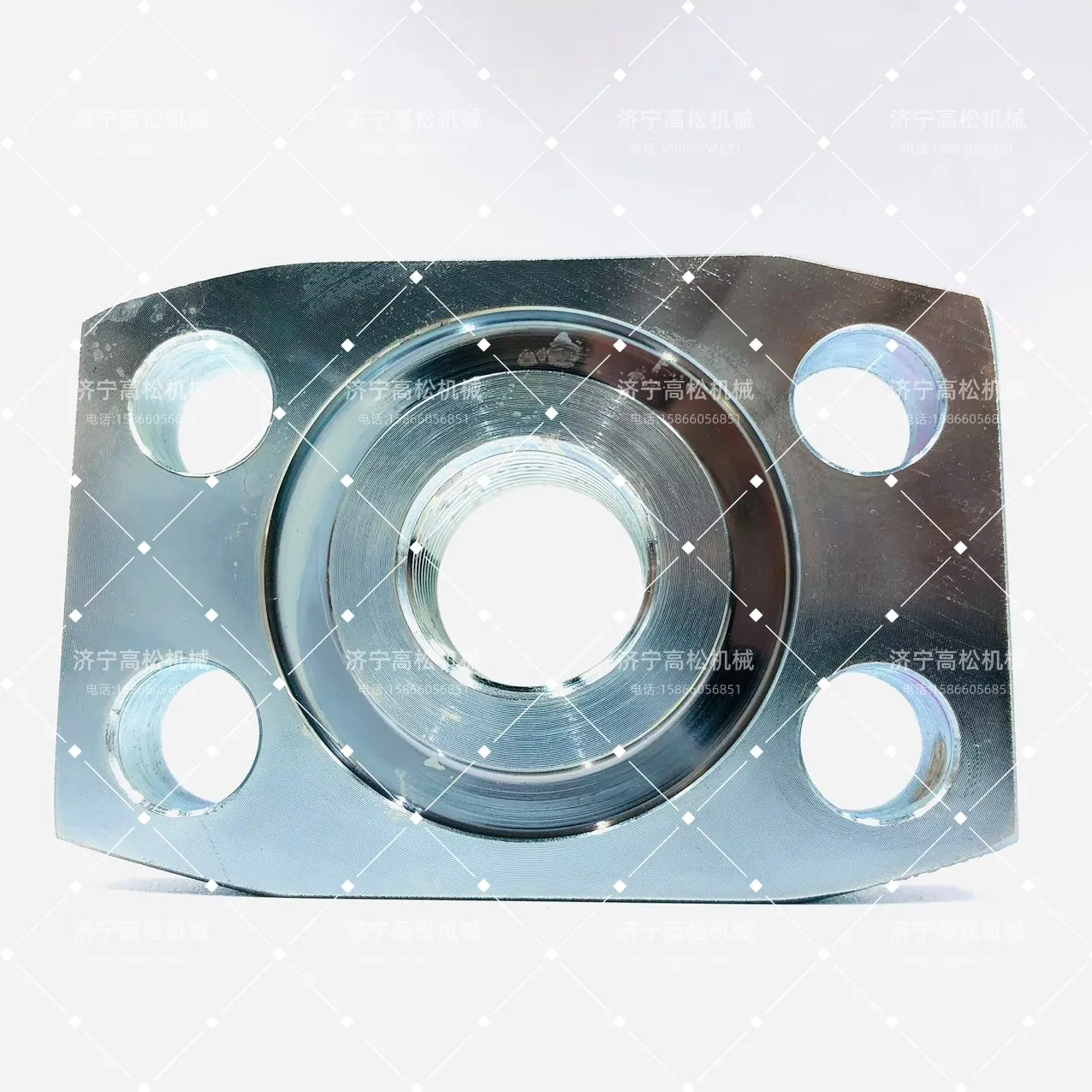 21N-38-12310 Komatsu FLANGEKomatsu Original Equipment…
 -
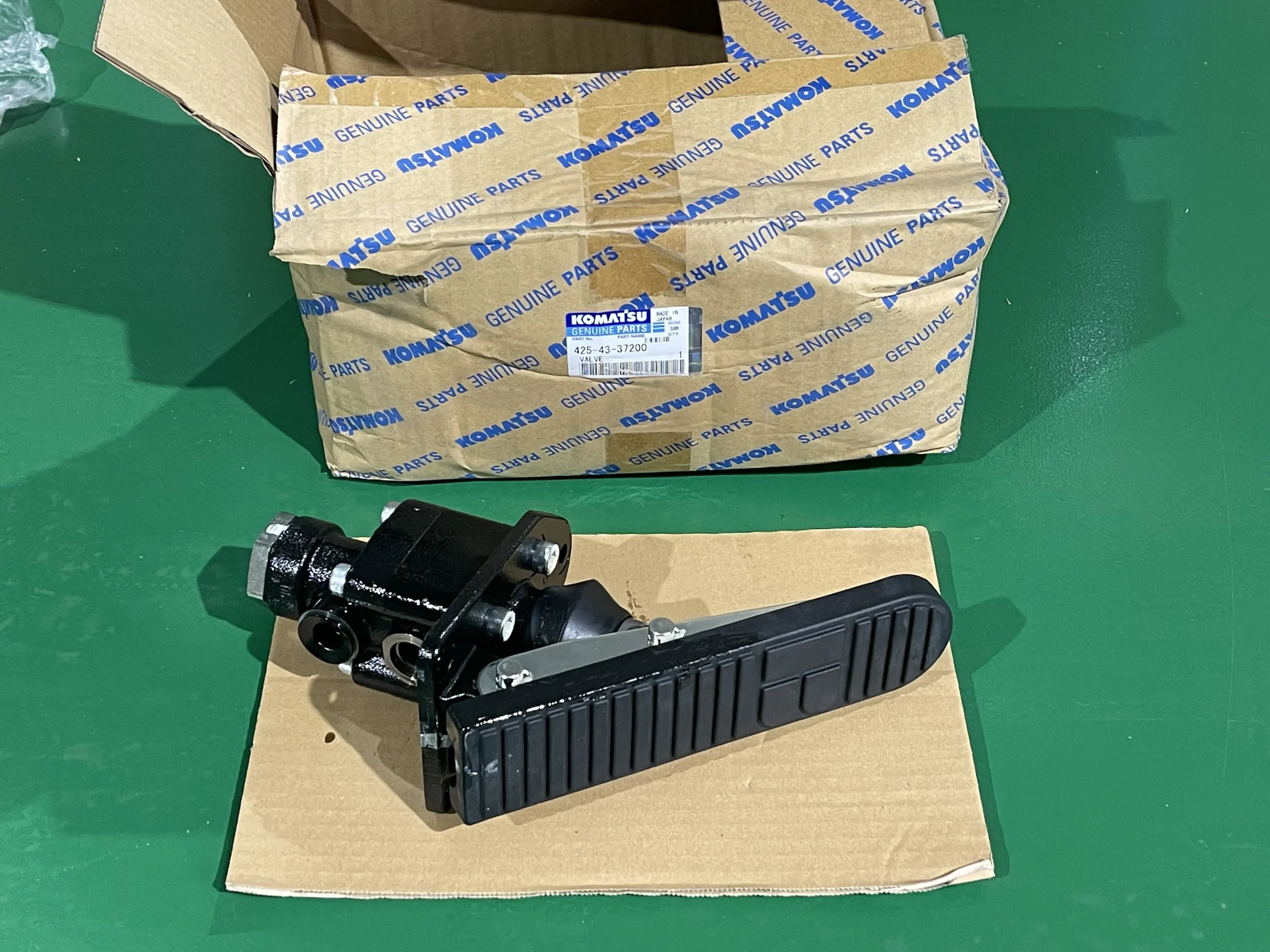 425-43-37200 Komatsu VALVE ASS’Y
 -
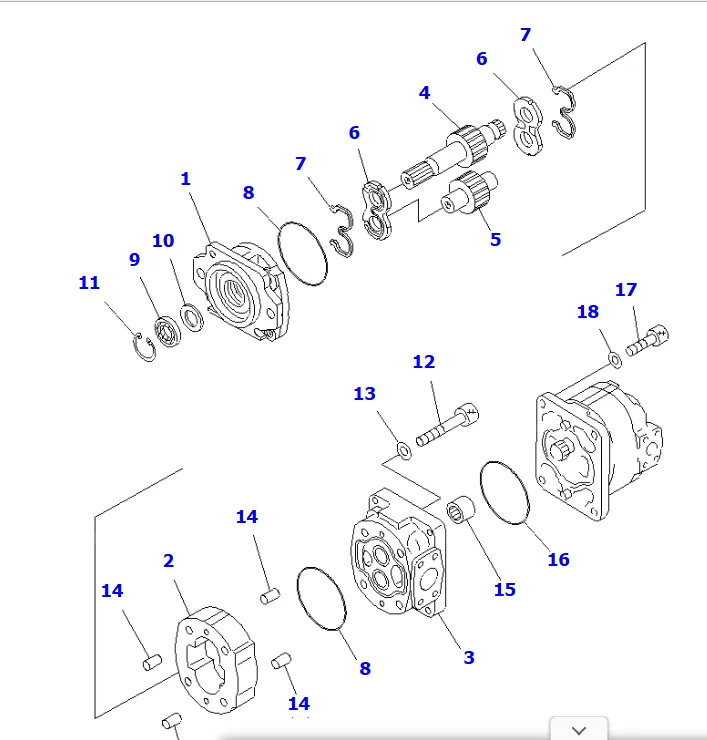 Komatsu HD605-5 pump assembly 705-52-31010
 -
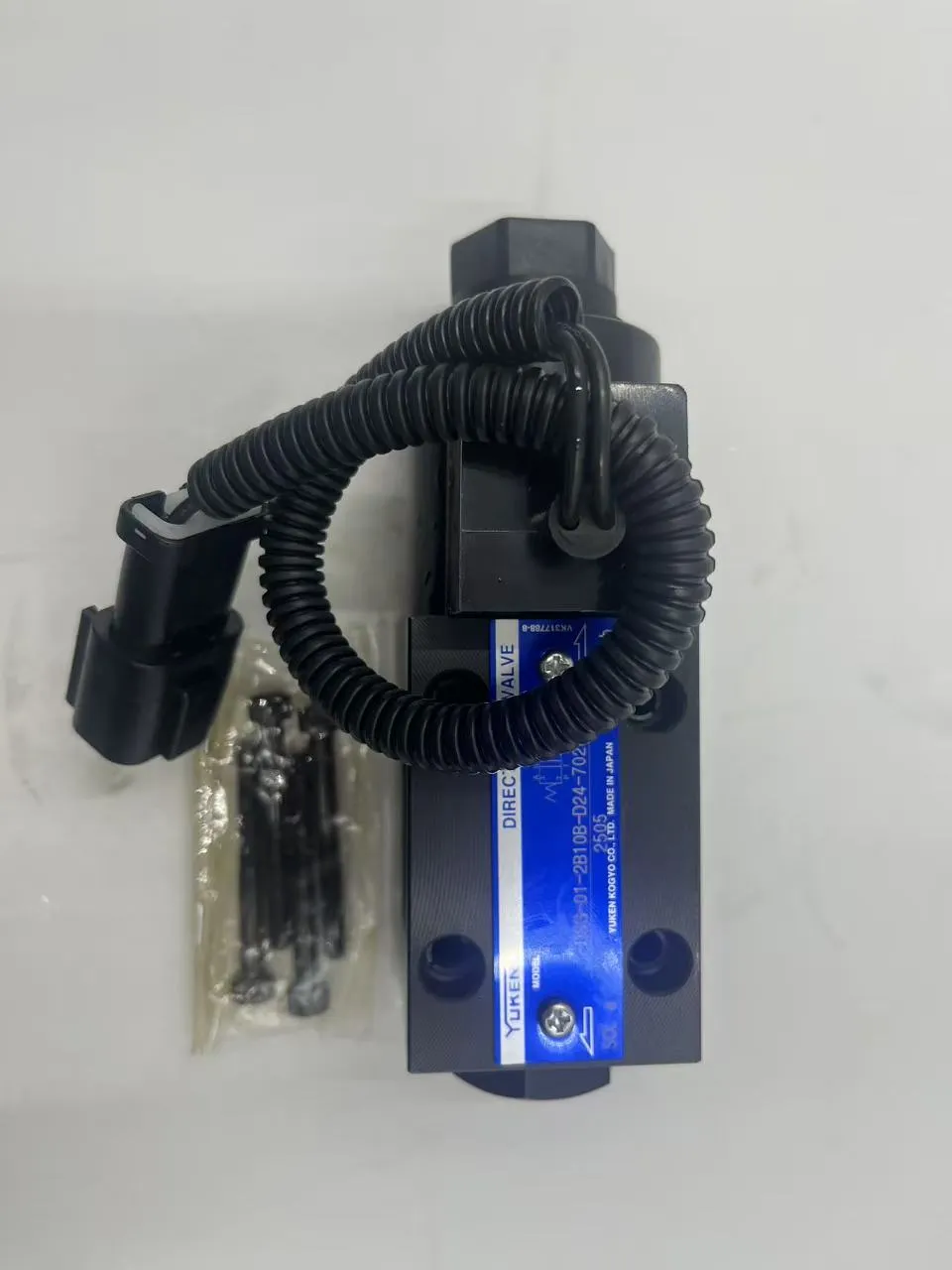 VALVE ASS’Y 23W-60-28230 KOMATSU
 -
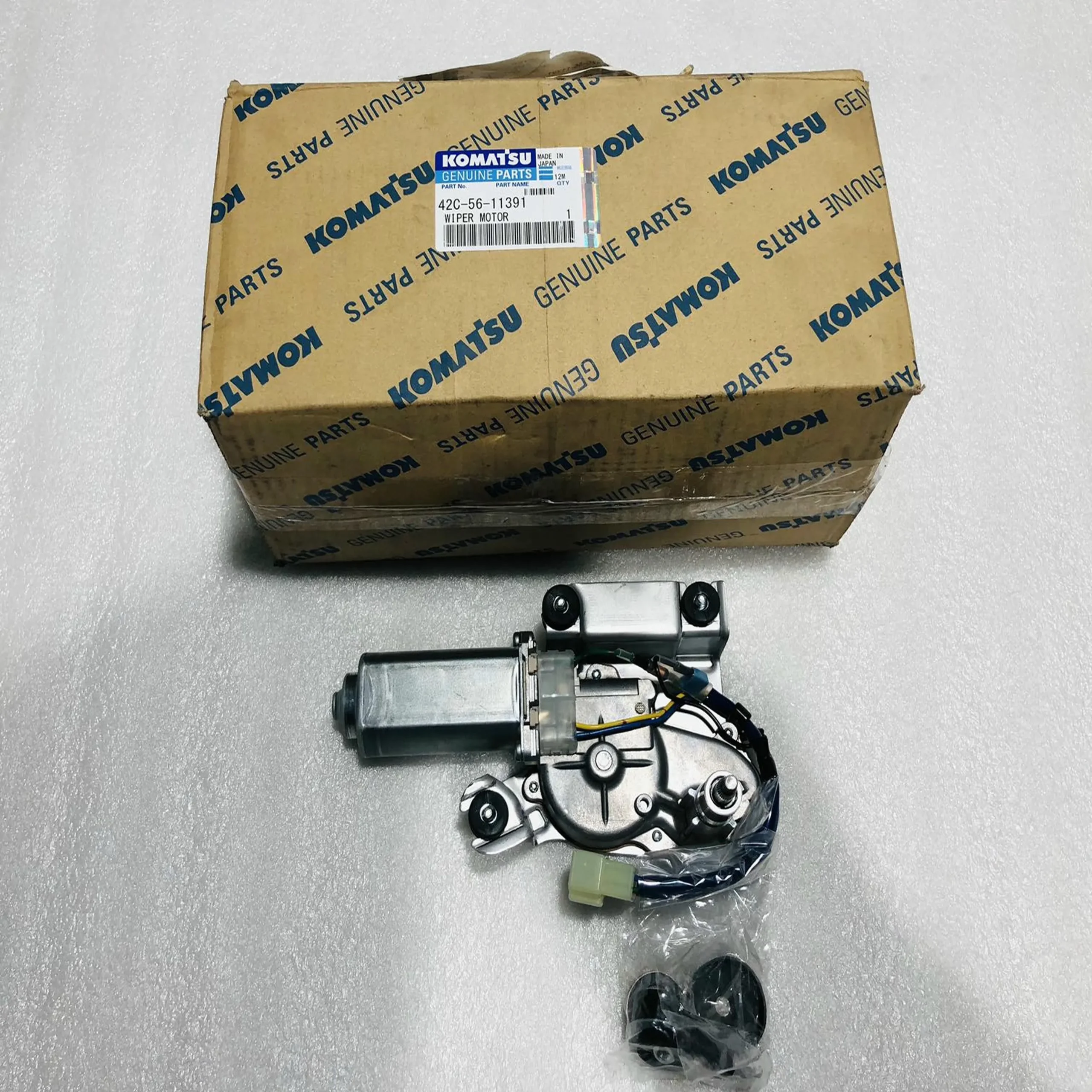 WIPER MOTOR,R.H. 42C-56-11391 – KOMATSU
 -
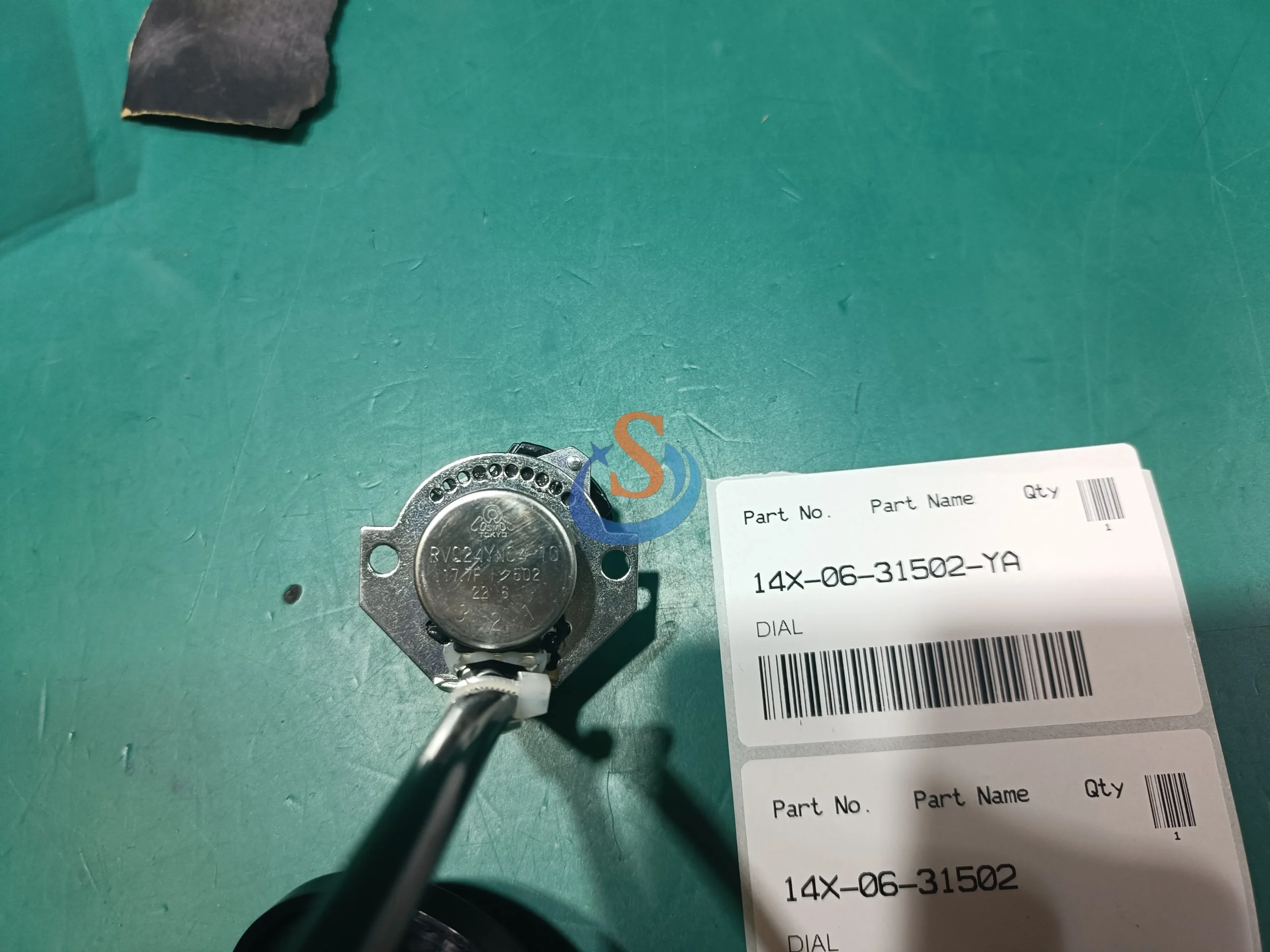 14X-06-31502 DIAL D65/D155/D375A
 -
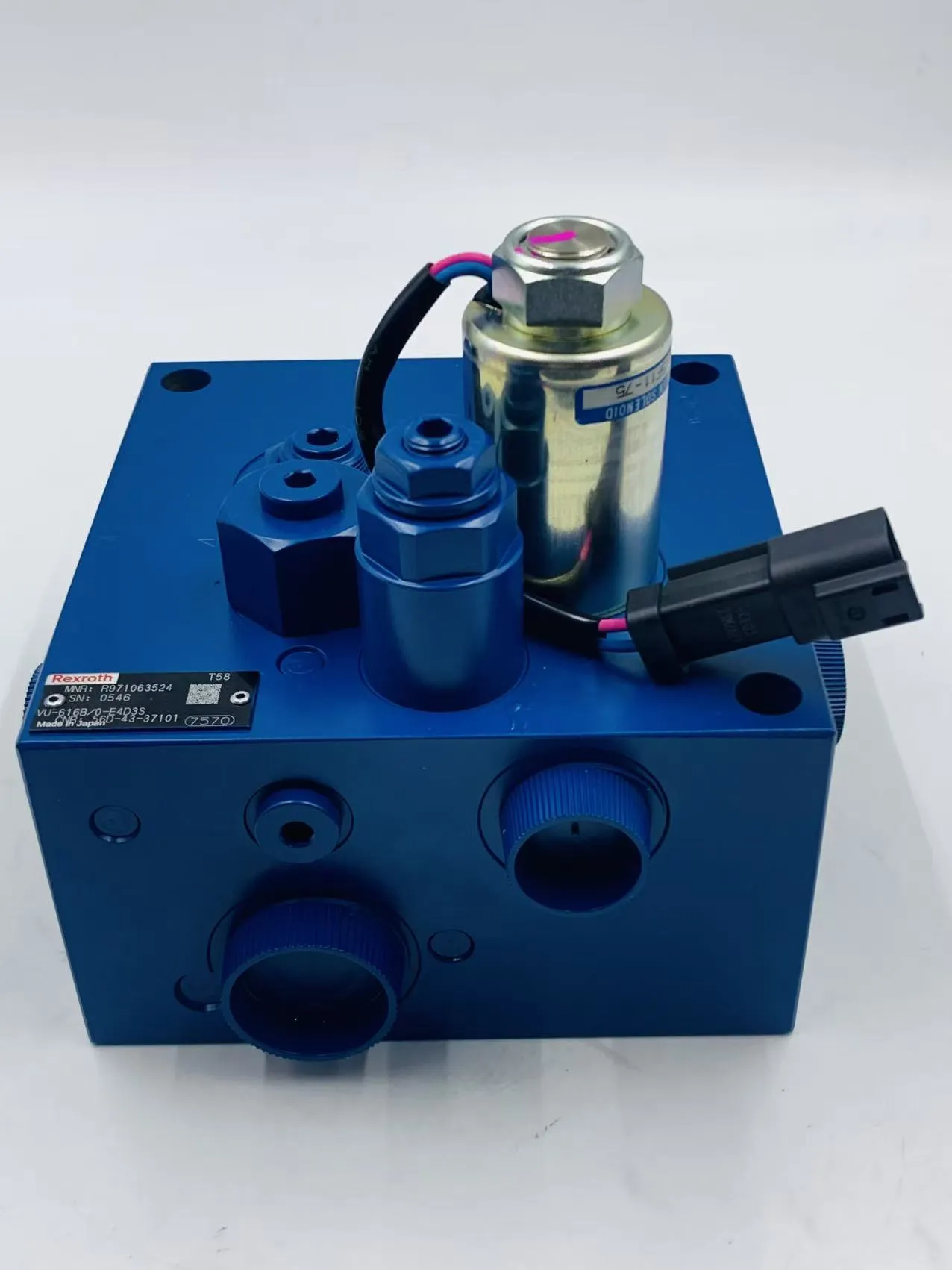 56D-43-37101 Valve Assembly, Charge for HM300 Komatsu Dump Truck Parts High Quality Original Factory
 -
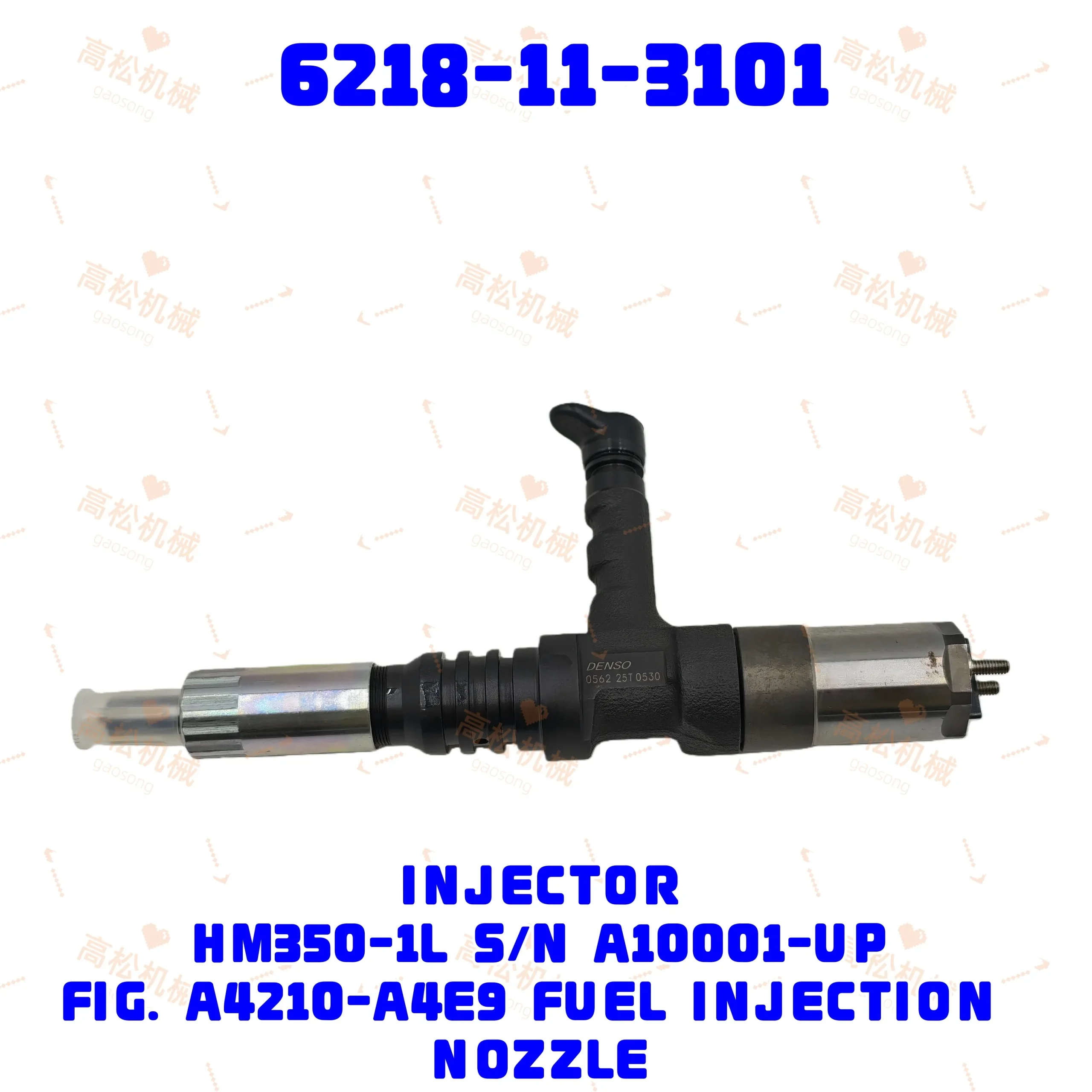
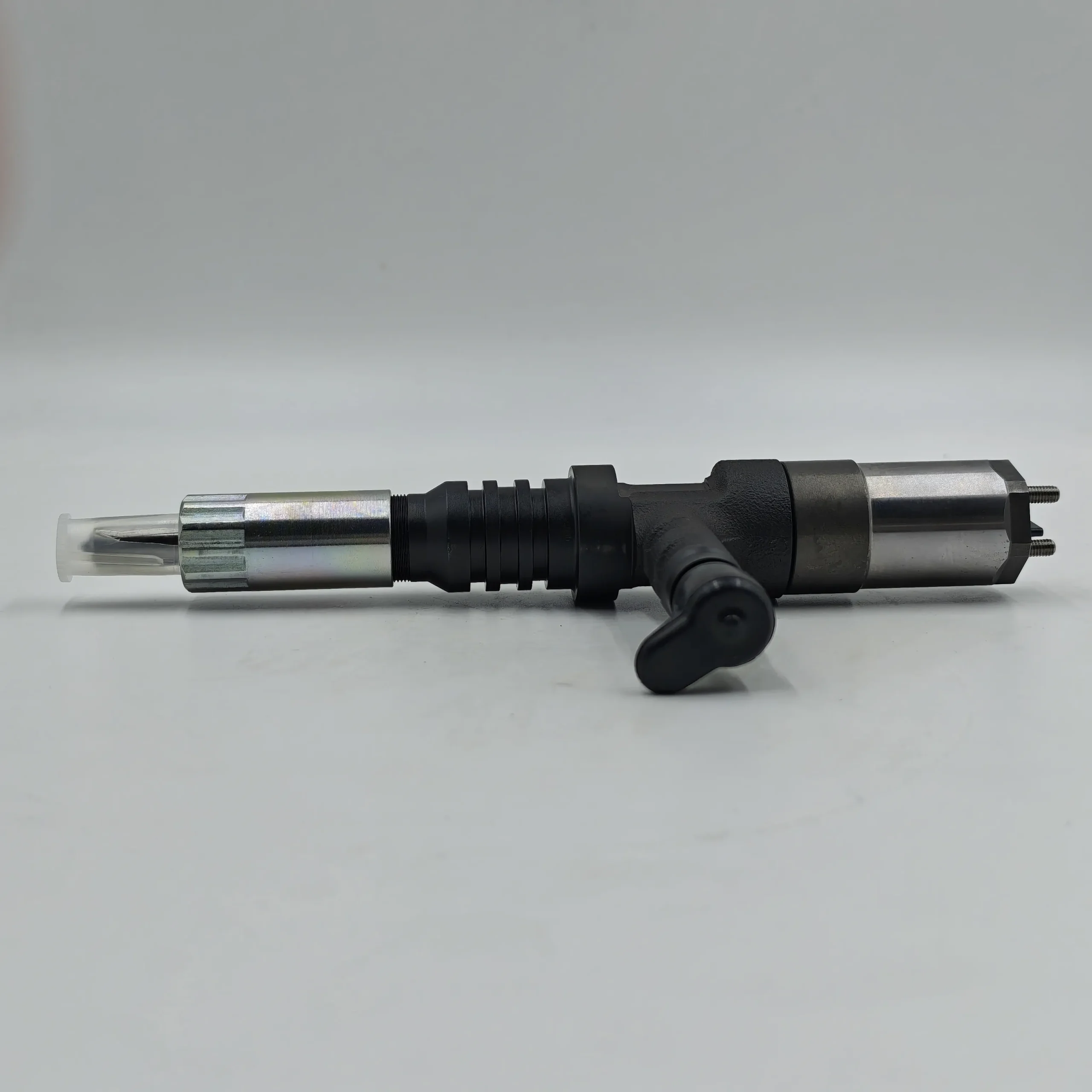 095000-0560 095000-0562 6218-11-3100 6218-11-3101 Diesel Fuel Injector 6PCS for Komatsu SA6D140E-3 Engine PC600-6 PC600-8 PC450-8 WA500-3 WA500-6 D275-A D155-AX5 HM350-1 DCA-400SSK2
 -
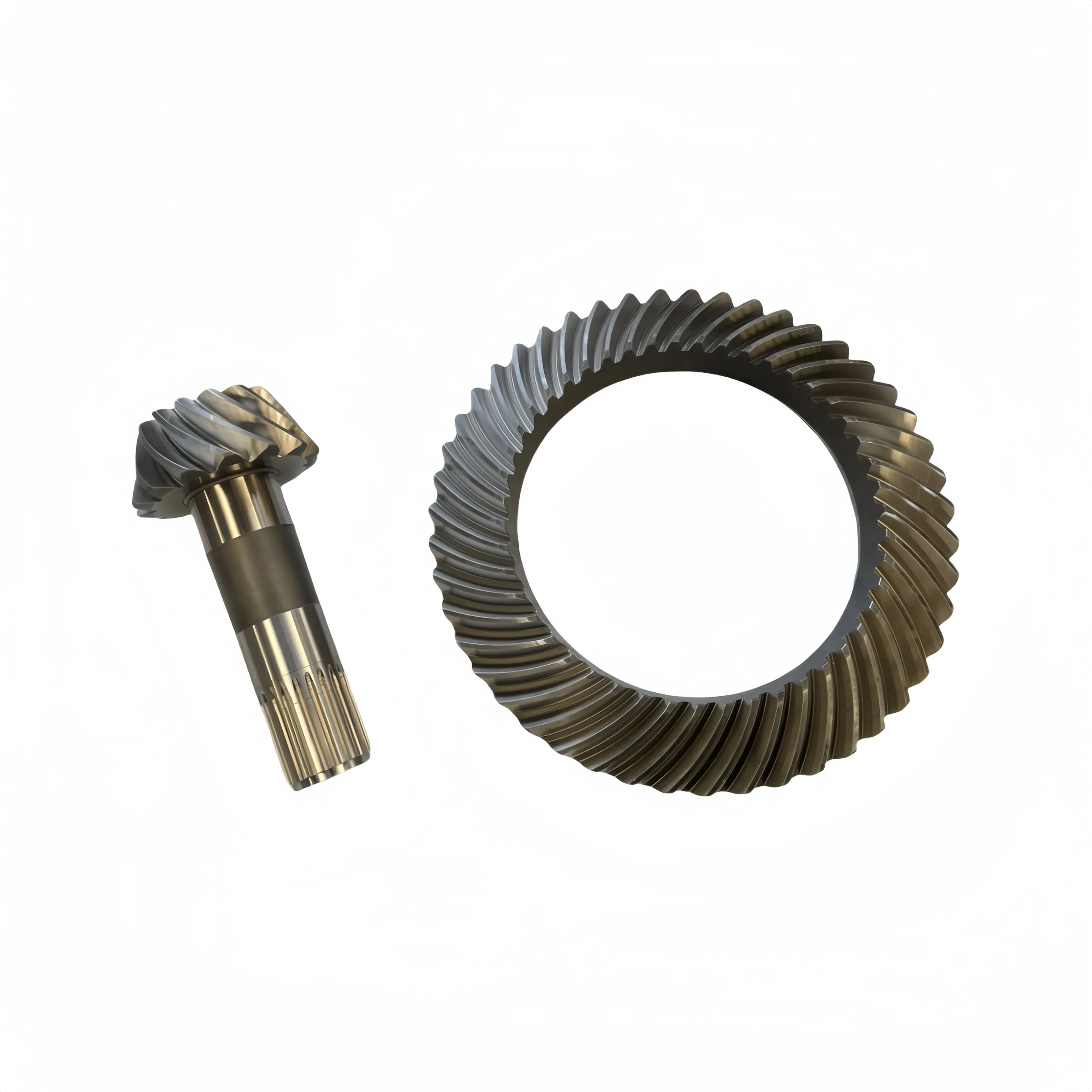 561-22-71207 Gear for komatsu HD785-7
 -
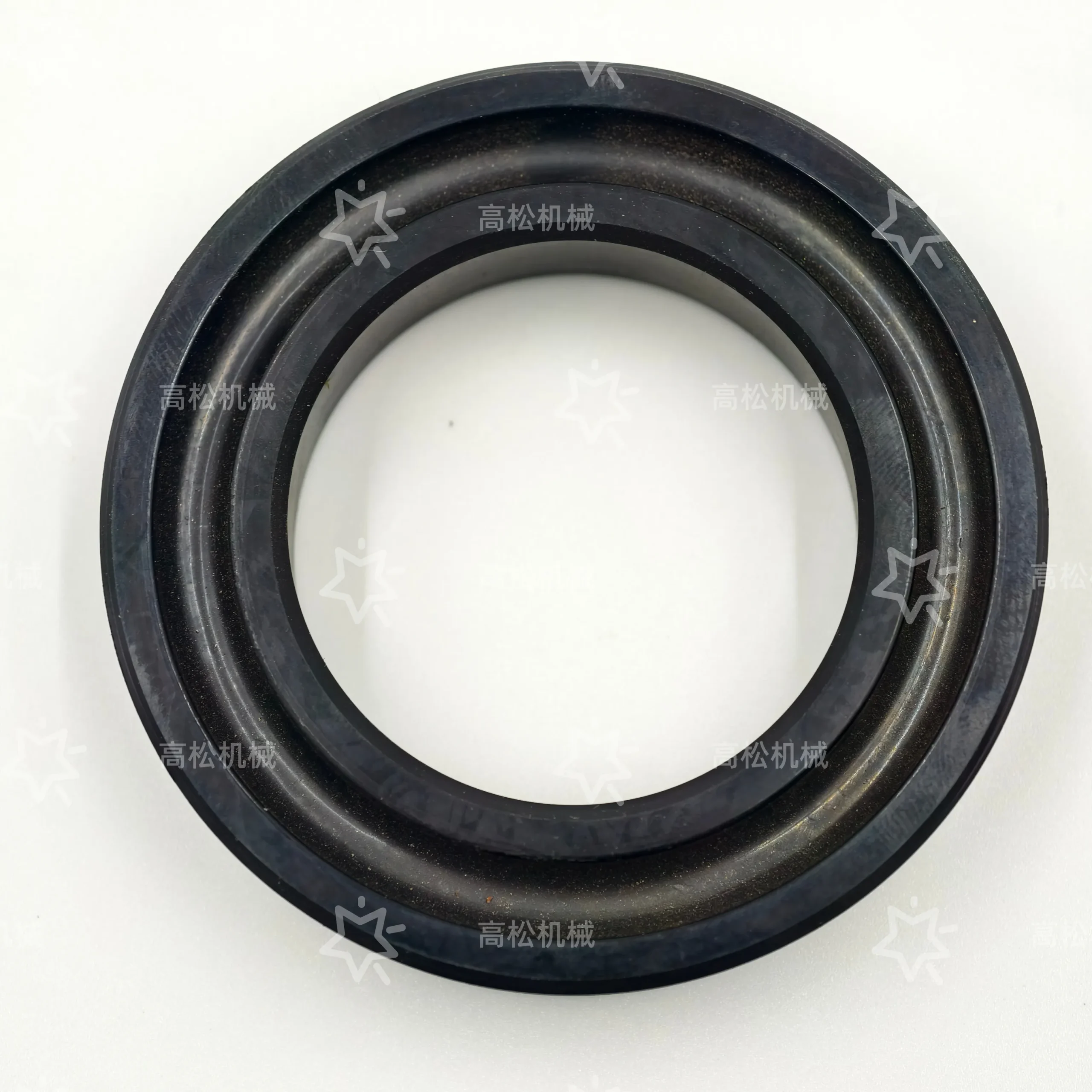 09370-00070 – U-PACKING fits Komatsu
 -
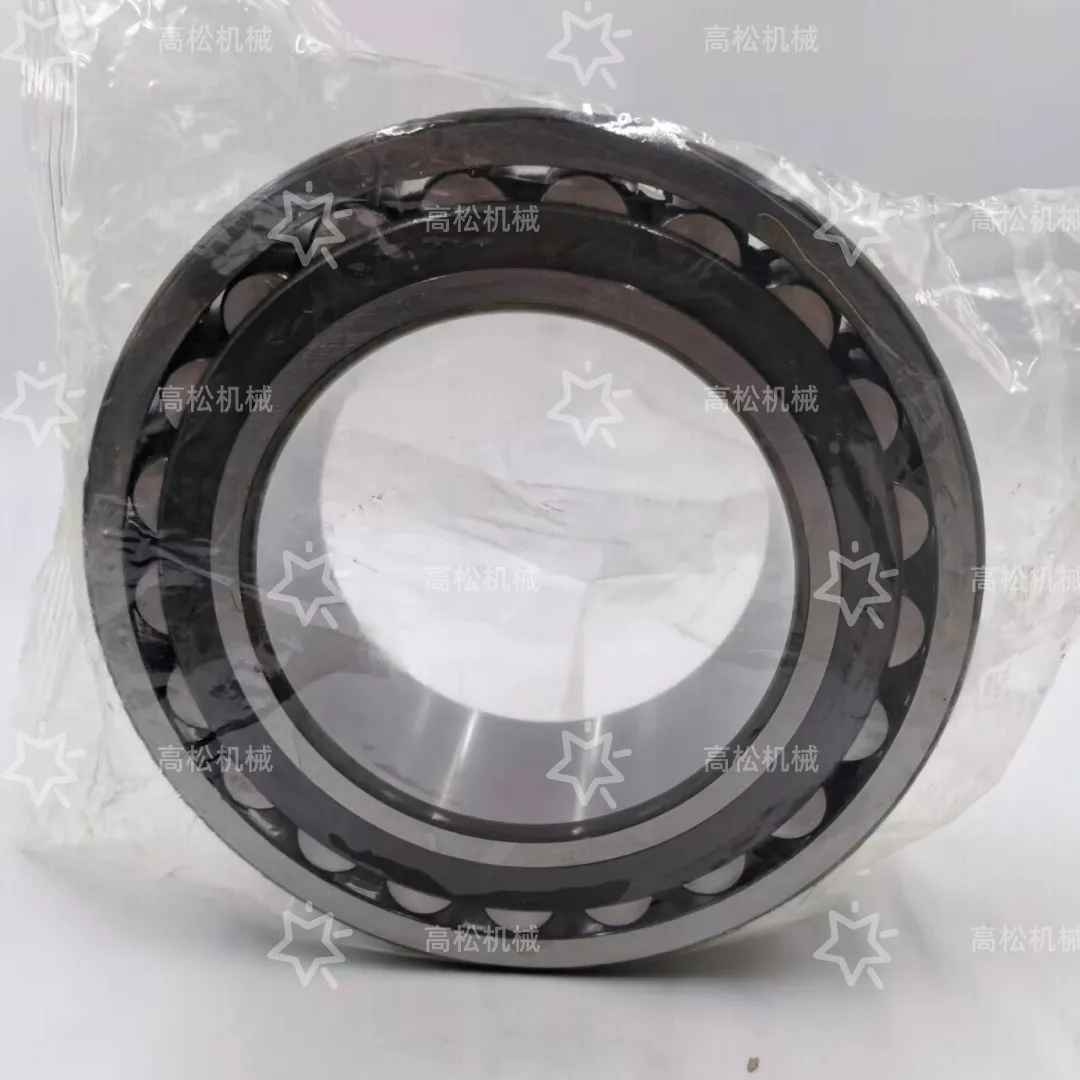 208-26-71530 2082671530 Bearing for Komatsu PC450 PC460 PC500 Excavator Swing Drive Bearing Reducer Bearing
 -
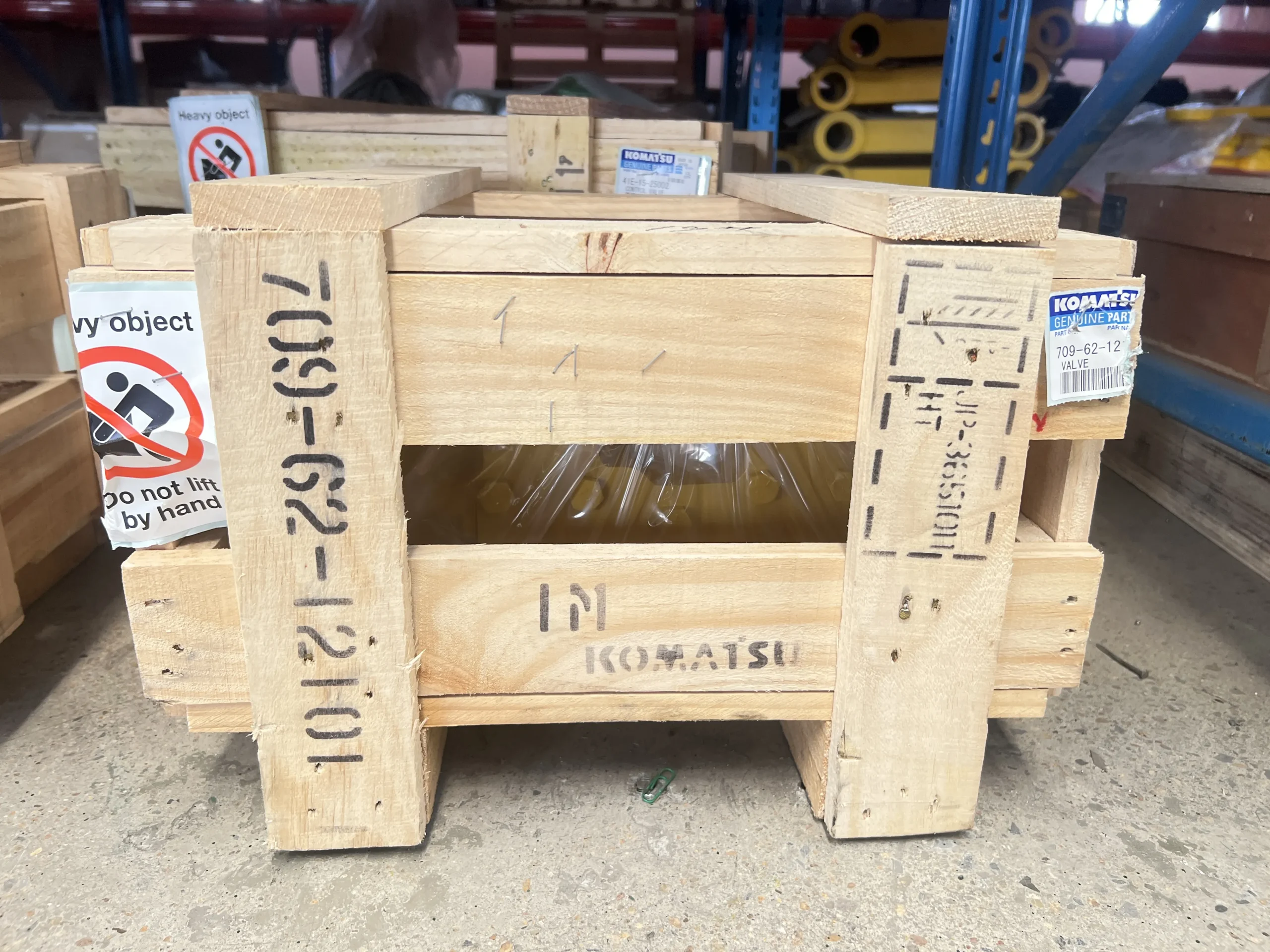 D375A-5E0 Valve Assembly 709-62-12101