
- Chinese
- French
- German
- Portuguese
- Spanish
- Russian
- Japanese
- Korean
- Arabic
- Irish
- Greek
- Turkish
- Italian
- Danish
- Romanian
- Indonesian
- Czech
- Afrikaans
- Swedish
- Polish
- Basque
- Catalan
- Esperanto
- Hindi
- Lao
- Albanian
- Amharic
- Armenian
- Azerbaijani
- Belarusian
- Bengali
- Bosnian
- Bulgarian
- Cebuano
- Chichewa
- Corsican
- Croatian
- Dutch
- Estonian
- Filipino
- Finnish
- Frisian
- Galician
- Georgian
- Gujarati
- Haitian
- Hausa
- Hawaiian
- Hebrew
- Hmong
- Hungarian
- Icelandic
- Igbo
- Javanese
- Kannada
- Kazakh
- Khmer
- Kurdish
- Kyrgyz
- Latin
- Latvian
- Lithuanian
- Luxembou..
- Macedonian
- Malagasy
- Malay
- Malayalam
- Maltese
- Maori
- Marathi
- Mongolian
- Burmese
- Nepali
- Norwegian
- Pashto
- Persian
- Punjabi
- Serbian
- Sesotho
- Sinhala
- Slovak
- Slovenian
- Somali
- Samoan
- Scots Gaelic
- Shona
- Sindhi
- Sundanese
- Swahili
- Tajik
- Tamil
- Telugu
- Thai
- Ukrainian
- Urdu
- Uzbek
- Vietnamese
- Welsh
- Xhosa
- Yiddish
- Yoruba
- Zulu
- Kinyarwanda
- Tatar
- Oriya
- Turkmen
- Uyghur






777 parts komatsu
When you hear '777 parts Komatsu', most folks immediately think of the genuine, factory-sealed boxes from Komatsu Ltd. itself. That's the ideal, but on the ground, especially in markets with supply chain bottlenecks or for older machines, that's often not the daily reality. The term has become a bit of a catch-all, covering everything from true OEM parts to Komatsu-compatible items, and the quality spectrum is vast. I've seen too many projects get hung up because someone assumed all parts labeled for a 777 are created equal. The real conversation starts when you dig into the sourcing channels and the actual provenance of that piston ring or hydraulic pump.
The OEM Promise vs. The On-Site Grind
Komatsu's OEM system is engineered for precision and traceability. When you order a swing bearing or a final drive part directly through their official network, you're paying for that integrated engineering and the peace of mind that comes with it. The challenge, and this is where companies like Jining Gaosong Construction Machinery Co., Ltd. come into the picture, is that this official pipeline isn't always fluid. In certain regions, lead times can stretch from weeks to months, which in mining or heavy construction, translates directly into staggering downtime costs. Their role, as they state on their site takematsumachinery.com, is to function both within and alongside the Komatsu system to solve parts supply challenges. That's a nuanced position—it's not just an alternative supplier; it's a bridge.
In practice, this means they might be moving genuine OEM stock that's stranded in one market to another where it's desperately needed. I've been in situations where a client's 777D was down for a pump, and the local Komatsu dealer quoted a 12-week delivery from Japan. We found a supplier, similar to Gaosong's described model, who had the exact OEM part in a warehouse in Singapore. It was shipped and installed in 10 days. The part was authentic, but the route it took wasn't the standard one. This gray area—authorized but not always the primary channel—is critical for keeping machines running.
The pitfall, of course, is verification. Just because a supplier says they have OEM stock doesn't always mean they do. I learned this the hard way early on with a set of track links for a 777-2. The packaging looked convincing, but the metallurgy was off. They failed under load far sooner than they should have. It wasn't a case of malice, necessarily, but of mixed inventory—a remanufactured part being passed off as new-old-stock. Now, due diligence involves more than a purchase order; it requires asking for lot numbers, cross-referencing with Komatsu's parts database if possible, and sometimes, a simple magnet test for certain components.
Third-Party Realities and Fit-for-Purpose Decisions
This leads to the vast world of non-OEM, or third-party, parts. When Jining Gaosong mentions being a third-party sales company, it signals they likely offer a curated selection of these alternatives. The key word is curated. The aftermarket for 777 parts is a jungle. You have top-tier manufacturers whose processes might even supply Komatsu, and you have backyard foundries. A professional supplier distinguishes between them.
For non-critical, high-wear items—like certain filters, seals, or even bucket teeth—a high-quality third-party part can be a financially sound decision without sacrificing uptime. We've had success with aftermarket radiator cores and hydraulic hoses on 777Bs, where the cost savings were 40-50% and the service life was 80-90% of the OEM. You make that trade-off consciously. The supplier's reputation is everything here. A good one will tell you, This brand is good for idlers, but stick with OEM for the transmission valves.
Where you never, ever compromise is on core structural components or sophisticated electronics. I recall a contractor trying to save money on a third-party turbocharger for a 777F's engine. It wasn't balanced to Komatsu's spec, leading to vibration that eventually caused a cascading failure in the crankshaft. The six-figure engine rebuild wiped out any savings from a dozen cheap turbos. The lesson was that for parts integral to the machine's core systems—engine, torque converter, main frame components—the OEM pedigree isn't just a warranty; it's a design specification.
On the Ground: Sourcing and Verification Tactics
So how do you navigate this? It starts with the initial search. Punching 777 parts Komatsu into a search engine is just step one. The results will be a mix of official dealers, international suppliers like takematsumachinery.com, and pure aftermarket catalogs. The site's description mentioning OEM product supplier within the Komatsu system is a valuable signal. It suggests access to genuine networks, which is different from a generic parts trader.
The first question I ask any such supplier is about origin. Can they provide the Komatsu part number? Can they trace the shipment batch? For a critical component, I'll request photos of the actual part and its packaging, looking for the correct casting marks and labels. A reputable supplier understands this scrutiny. I've built relationships with a few key contacts over the years who will be blunt: I have this, but it's from a 2012 batch, and the seal might need checking, or I can get that for you, but the lead time is long; here's a compatible alternative we've tested with good results. That transparency is worth more than a cheap price.
Another practical tactic is community knowledge. Forums and industry groups are full of anecdotes about specific part numbers and suppliers. A note like Had good luck with the XYZ-brand alternator for the 777 from Supplier A is field intelligence you can't buy. It's how I first heard of several reliable channels in Asia that specialize in supporting older Komatsu models, filling a gap the main dealers sometimes leave behind.
The Economics of Downtime vs. Part Cost
All this boils down to a simple, brutal calculation: the cost of the part versus the cost of machine downtime. For a Komatsu 777 haul truck in a mining operation, downtime can easily exceed $1,000 per hour. Suddenly, paying a 30% premium for a genuine OEM part that arrives in 2 days versus a 20%-cheaper alternative that arrives in 3 weeks isn't a cost decision; it's a business continuity decision.
This is the value proposition of agile suppliers. Their entire model, as hinted at by Gaosong's focus on solving supply challenges, is built on availability and logistics speed. Sometimes, they can leverage different regional inventories to get a part moving faster than the standard tiered distribution system. I've seen this work brilliantly for electrical components and sensors, which are small, high-value, and can stop a machine dead.
However, this premium for speed and certainty must be justified. It's not uncommon for some intermediaries to price-gouge during a shortage. The professional check here is to always have a baseline understanding of the OEM list price (even if it's just from an old quote) and the standard lead time. If a supplier's price is triple the list but they can deliver tomorrow, you're not just paying for the part; you're paying for the expedited solution to your $1,000-an-hour problem. You need to know your own numbers to make that call.
Looking Ahead: Obsolescence and Legacy Support
A final, growing challenge with 777 parts Komatsu is supporting older models. The 777 series has been in production for decades. For the early -1 and -2 models, Komatsu itself may have discontinued manufacturing certain parts. This is where the third-party and specialized supplier ecosystem becomes indispensable. They often contract with manufacturers to produce after-run parts, keeping legacy equipment alive.
This isn't without risk. Tolerances can drift over production runs. We once installed a third-party steering clutch pack for a 777-1. It fit, but the engagement was always slightly off, leading to premature wear. The supplier worked with us and the manufacturer to adjust the specs, and the next batch was perfect. It showed a good supplier is a partner in problem-solving, not just a order-taker.
Companies positioning themselves as part of the Komatsu ecosystem, like the mentioned Jining Gaosong, are often better positioned to handle these legacy needs. They understand the lineage of the machines and which components are chronic pain points. Their business depends on solving the hard problems the primary network can't or won't address quickly. For fleet managers running mixed ages of 777 trucks, finding and vetting a couple of these suppliers is as crucial as maintaining the machines themselves. It's all about keeping the iron moving, whatever it takes.
Related Products
Related Products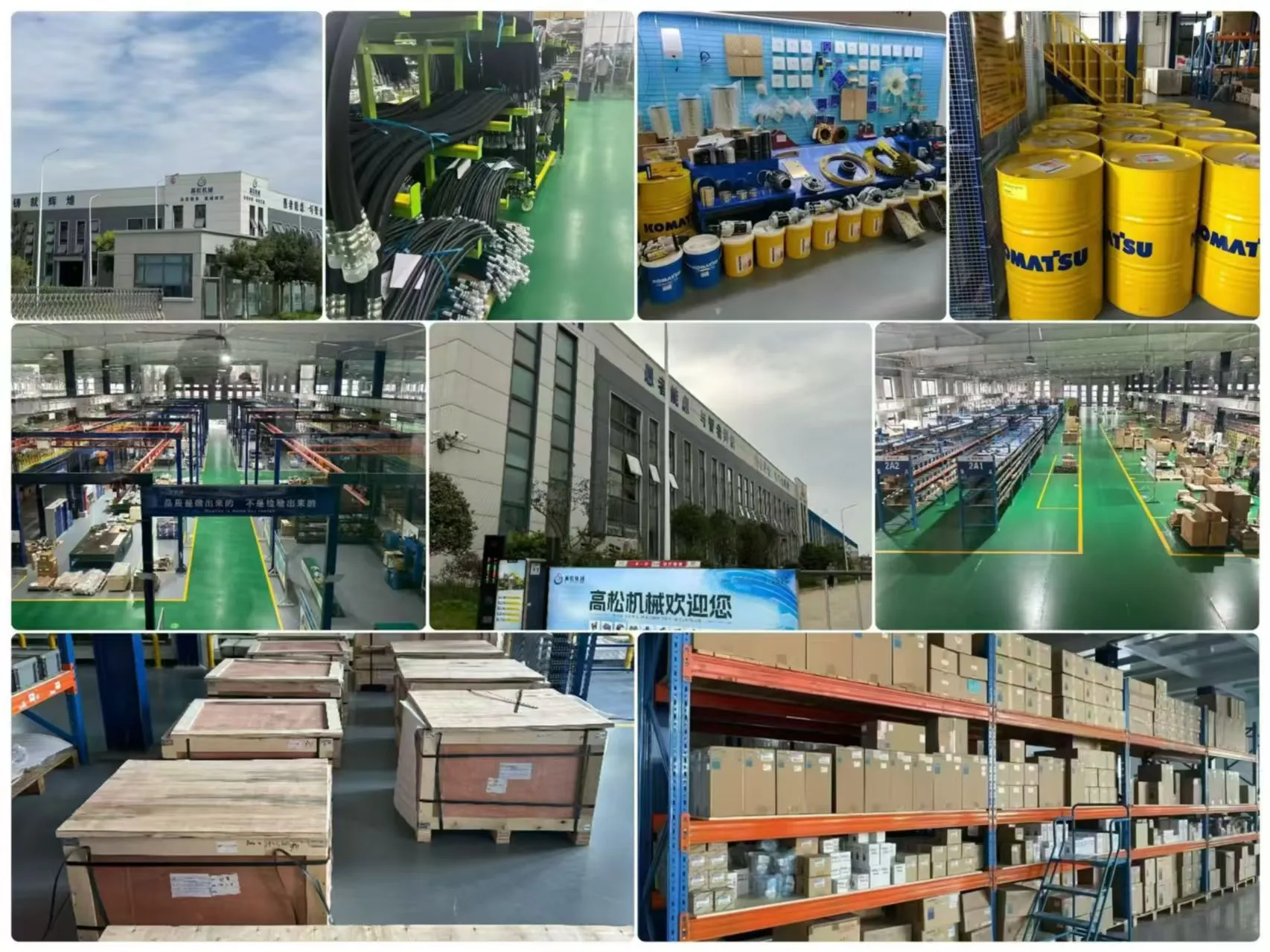

Best Selling Products
Best Selling Products-
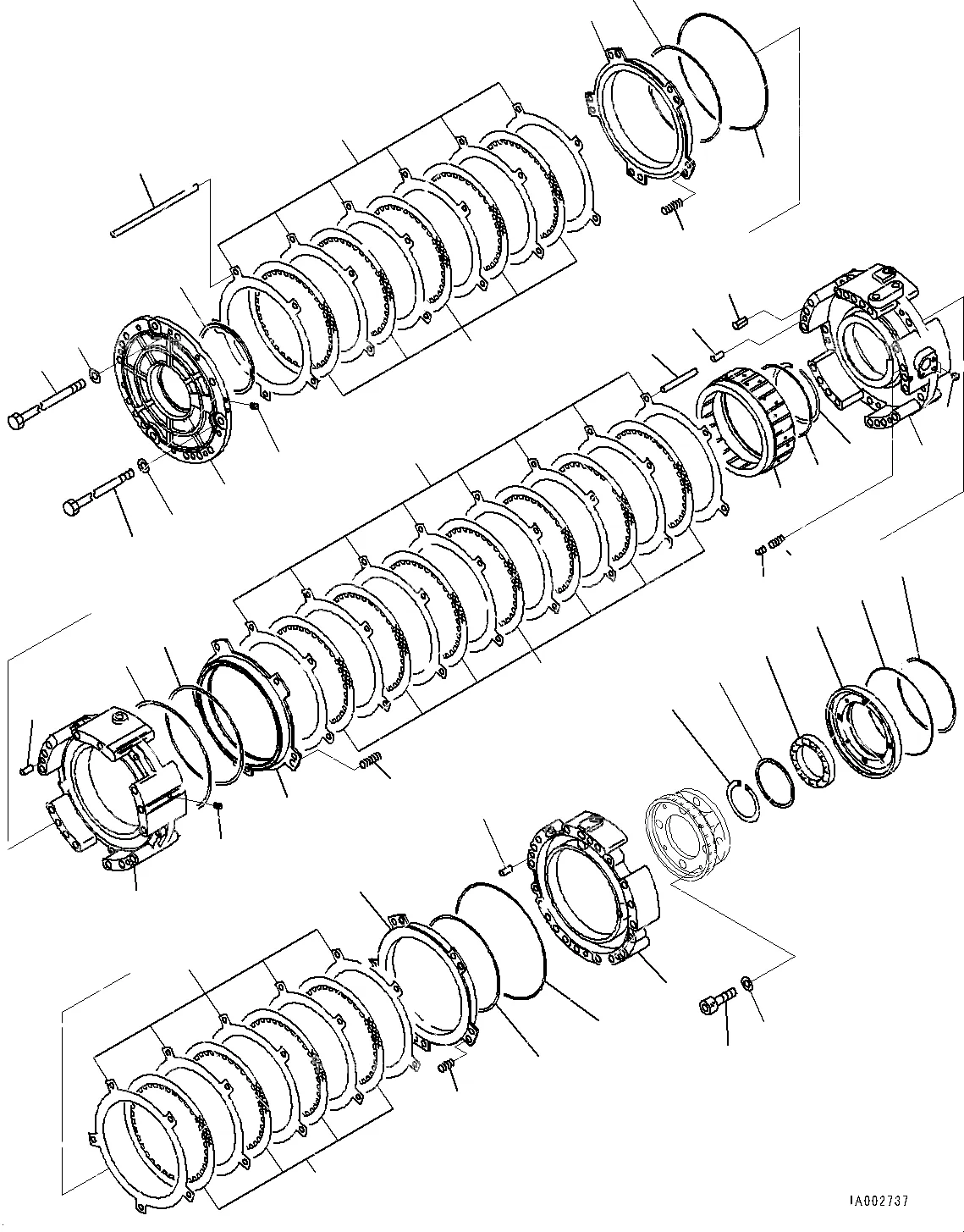 14X-15-19210 14X-15-19220 for D65 D68 D85 WA500 Bulldozer…
 -
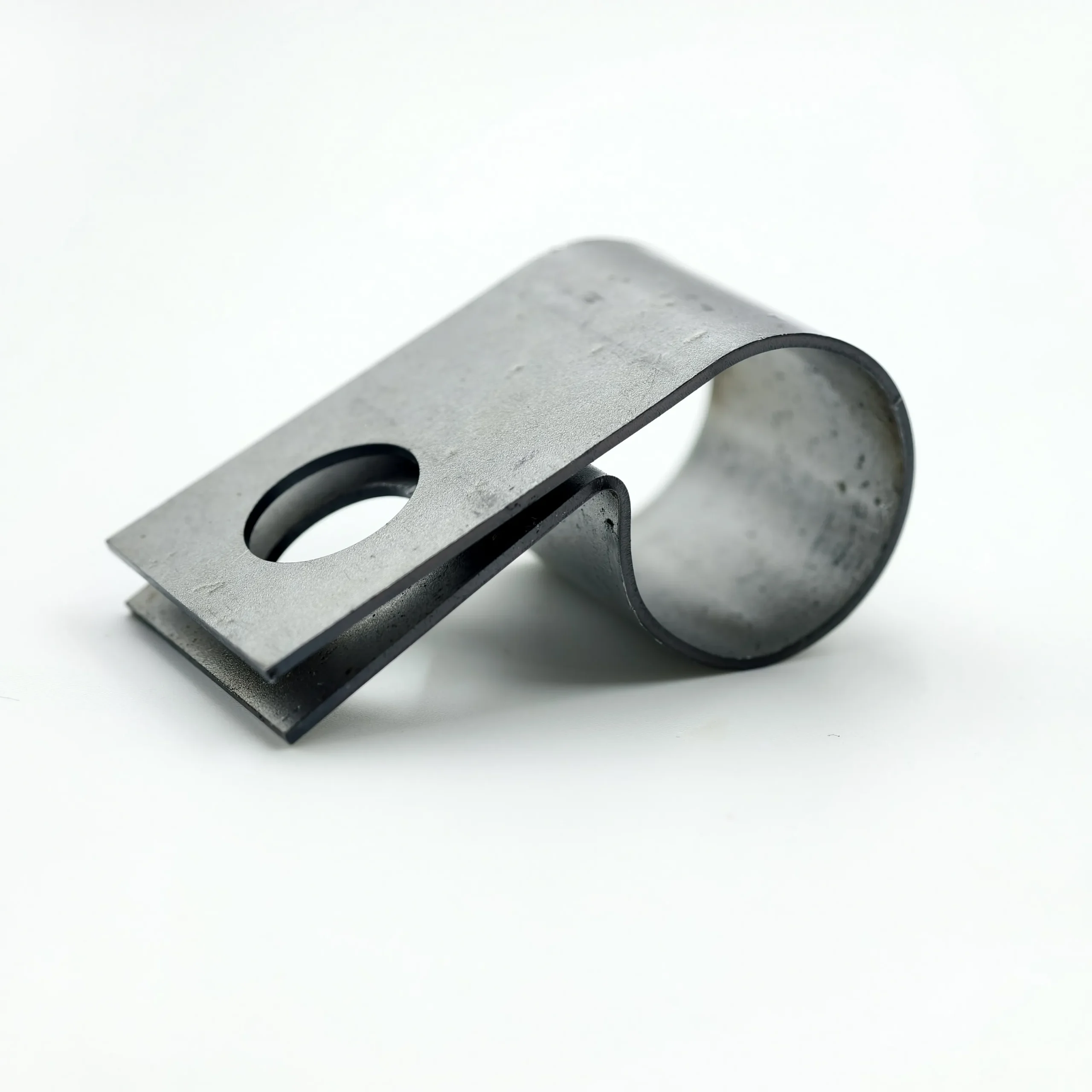 112-946-4170 Komatsu Clip
 -
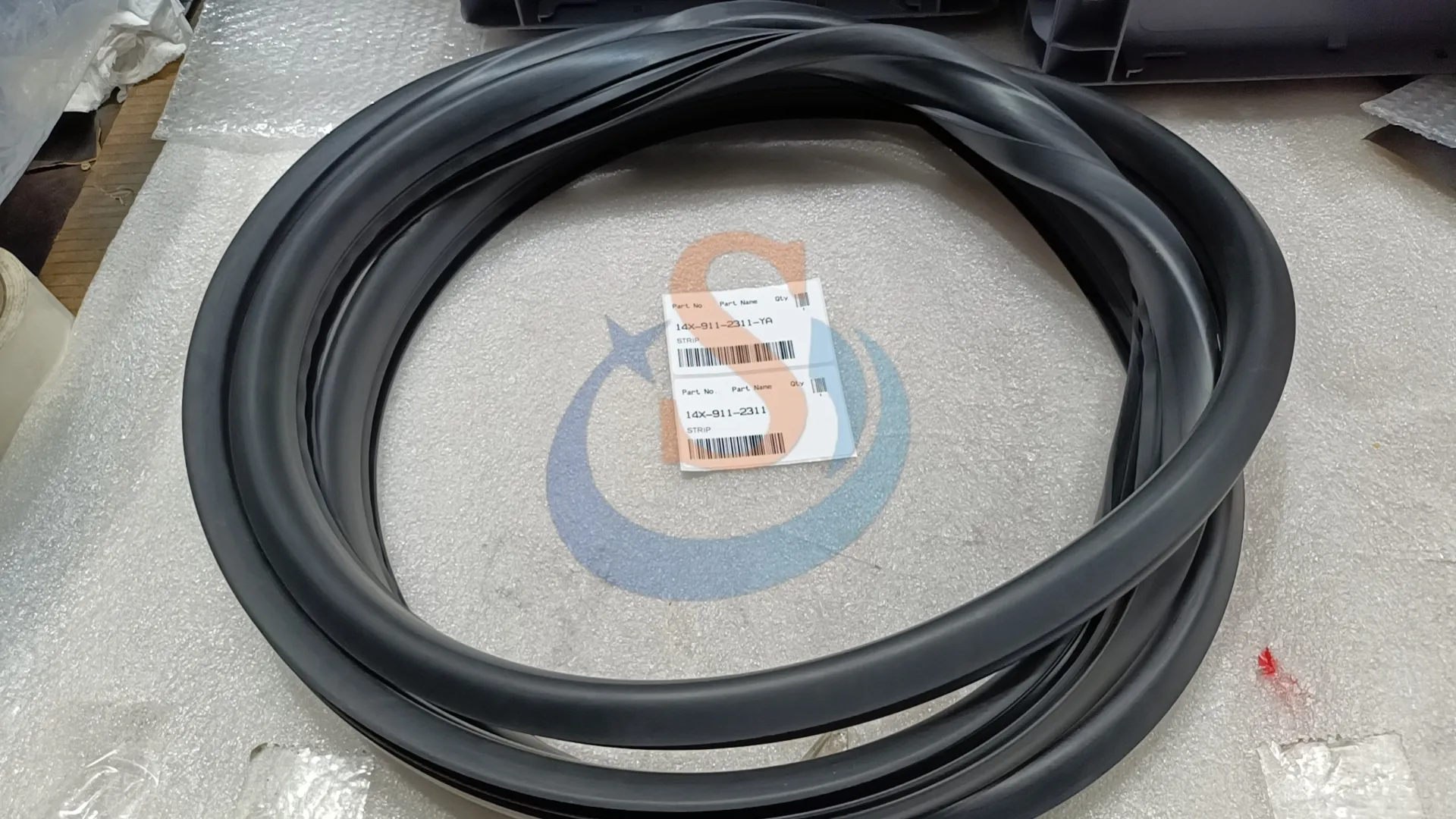 14X-911-2311,STRIP WEATHER,D155A,D375A,D65E
 -
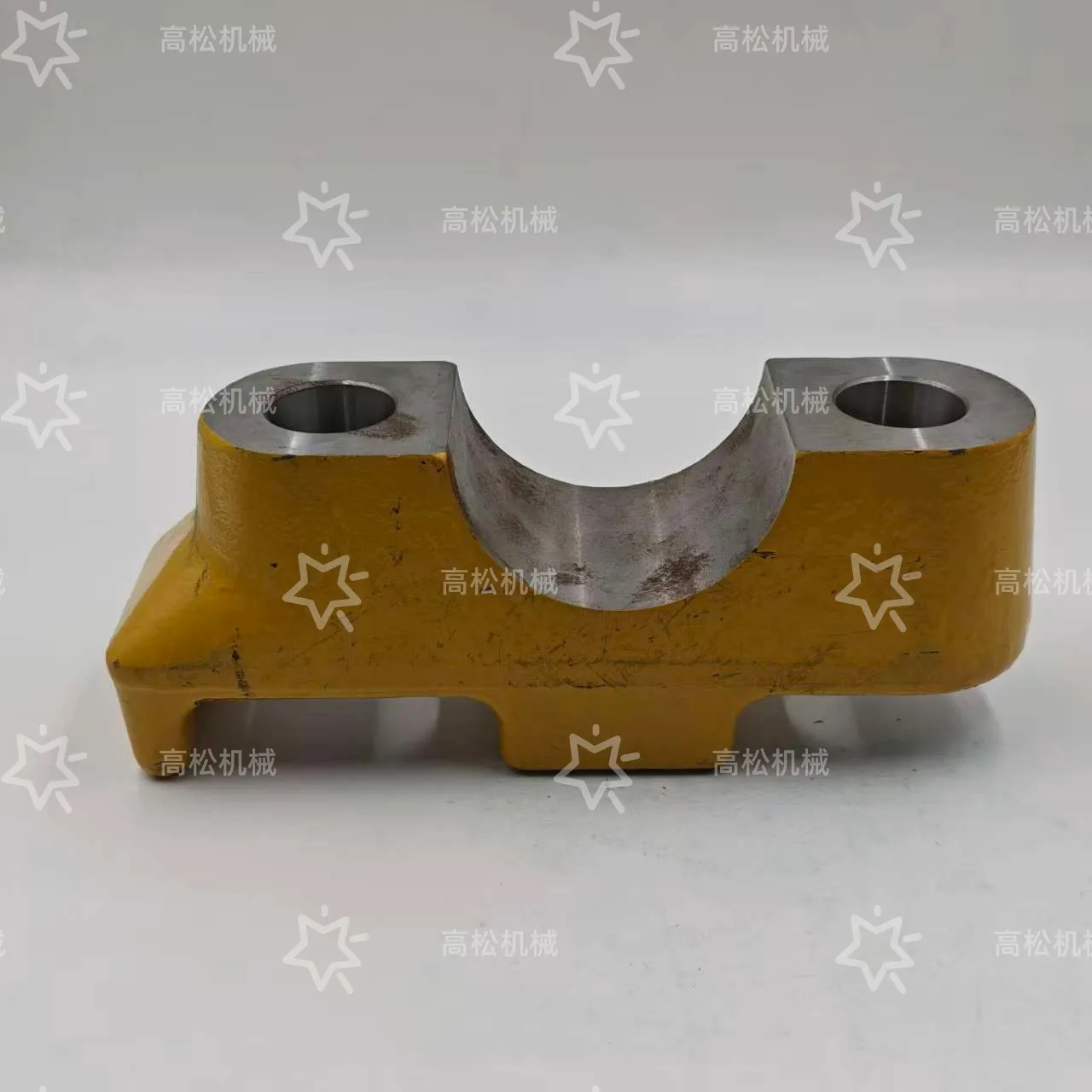 195-30-62141Komatsu Cap 195-30-62141
 -
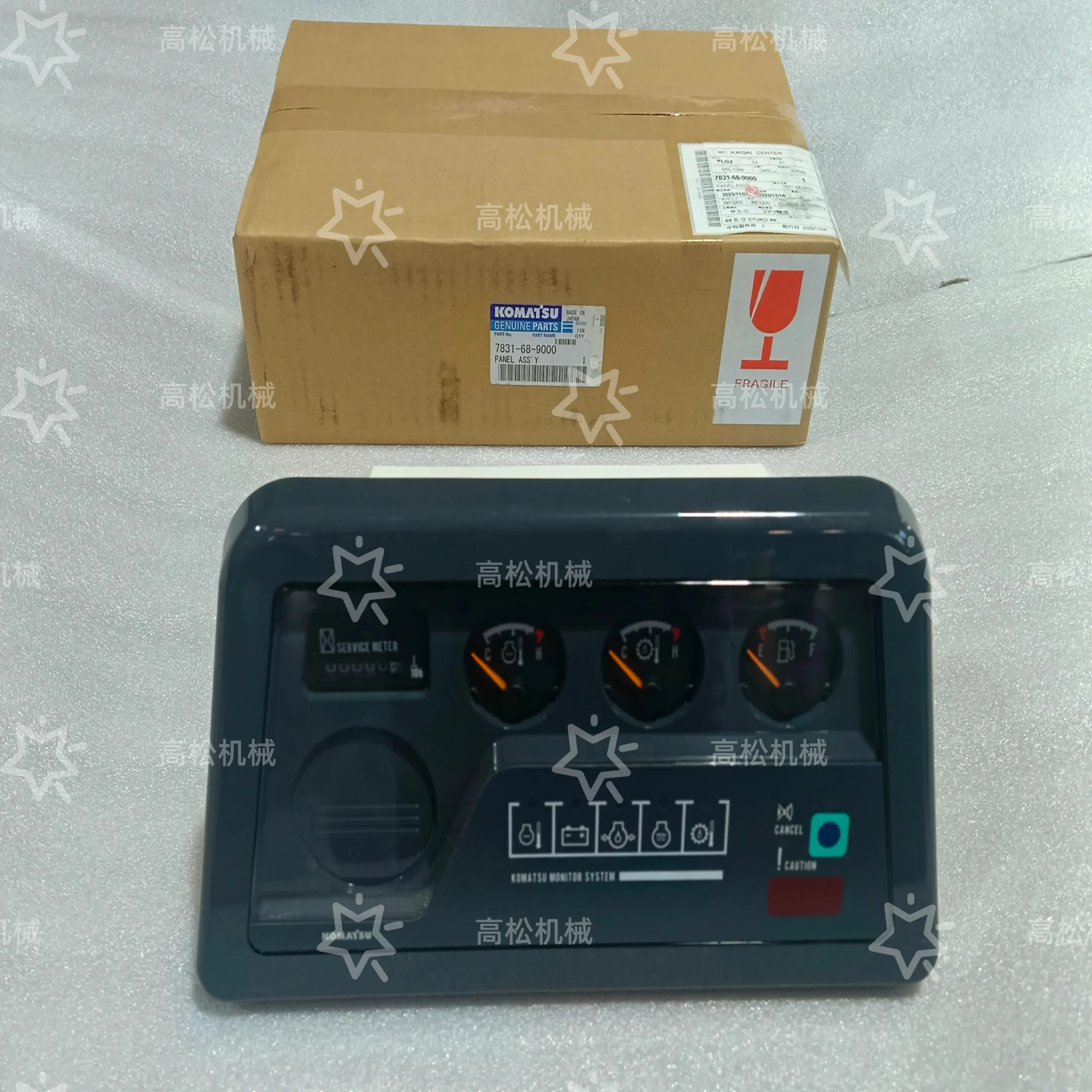 Original New Stock Panel 7831-68-9000 Instrument Panel Assembly Suitable for Komatsu D375A-3/5 Bulldozer
 -
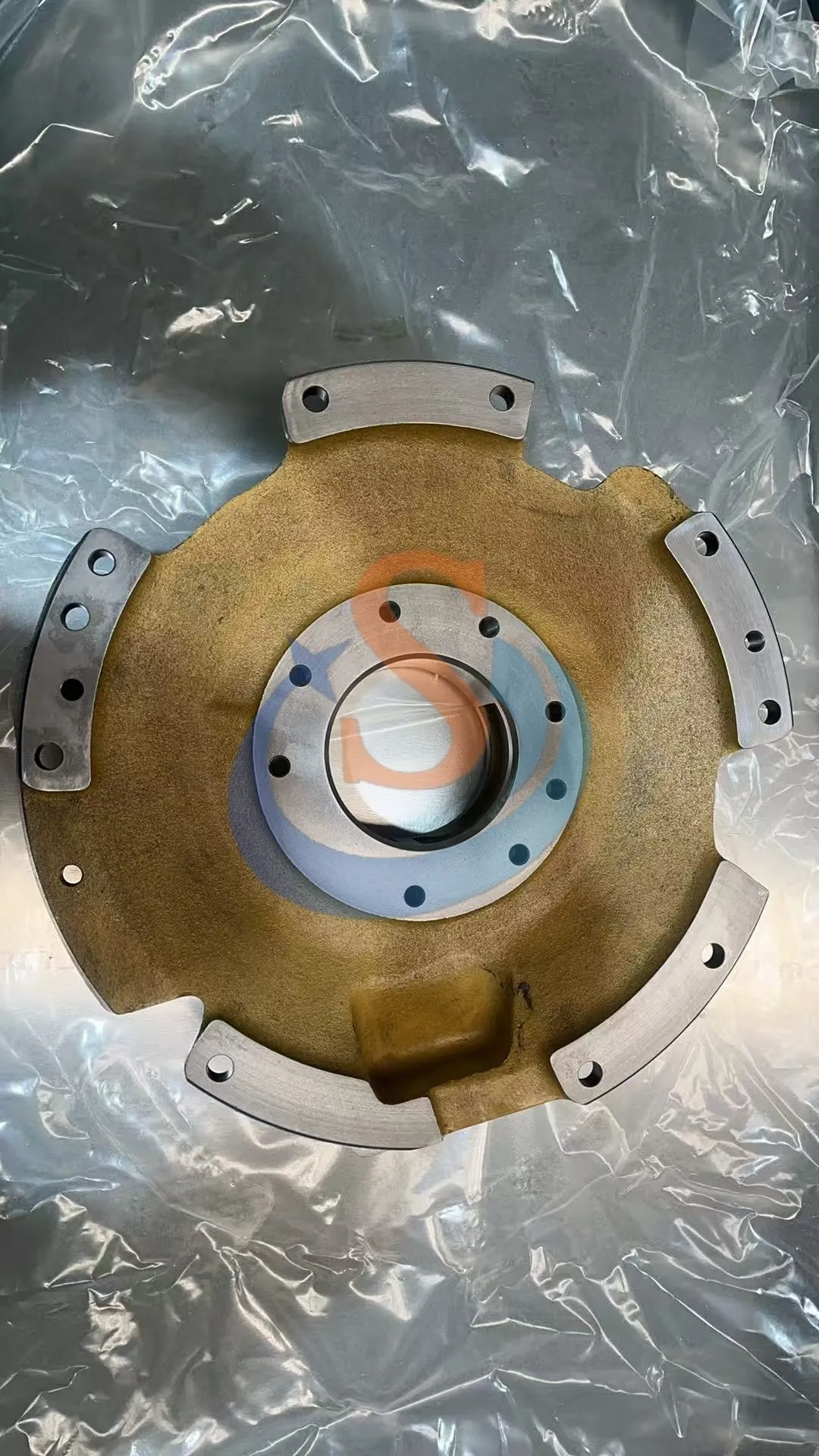 14X-13-54411 Housing D65PX/D65WX/D65EX
 -
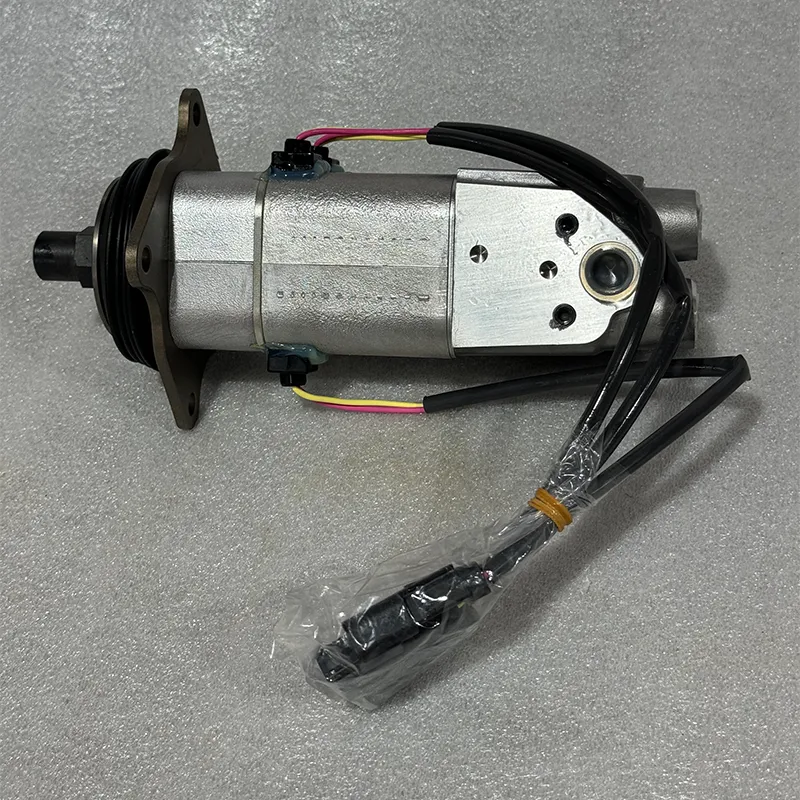 Original komatsu WA480-6 Pilot Valve 702-16-03461
 -
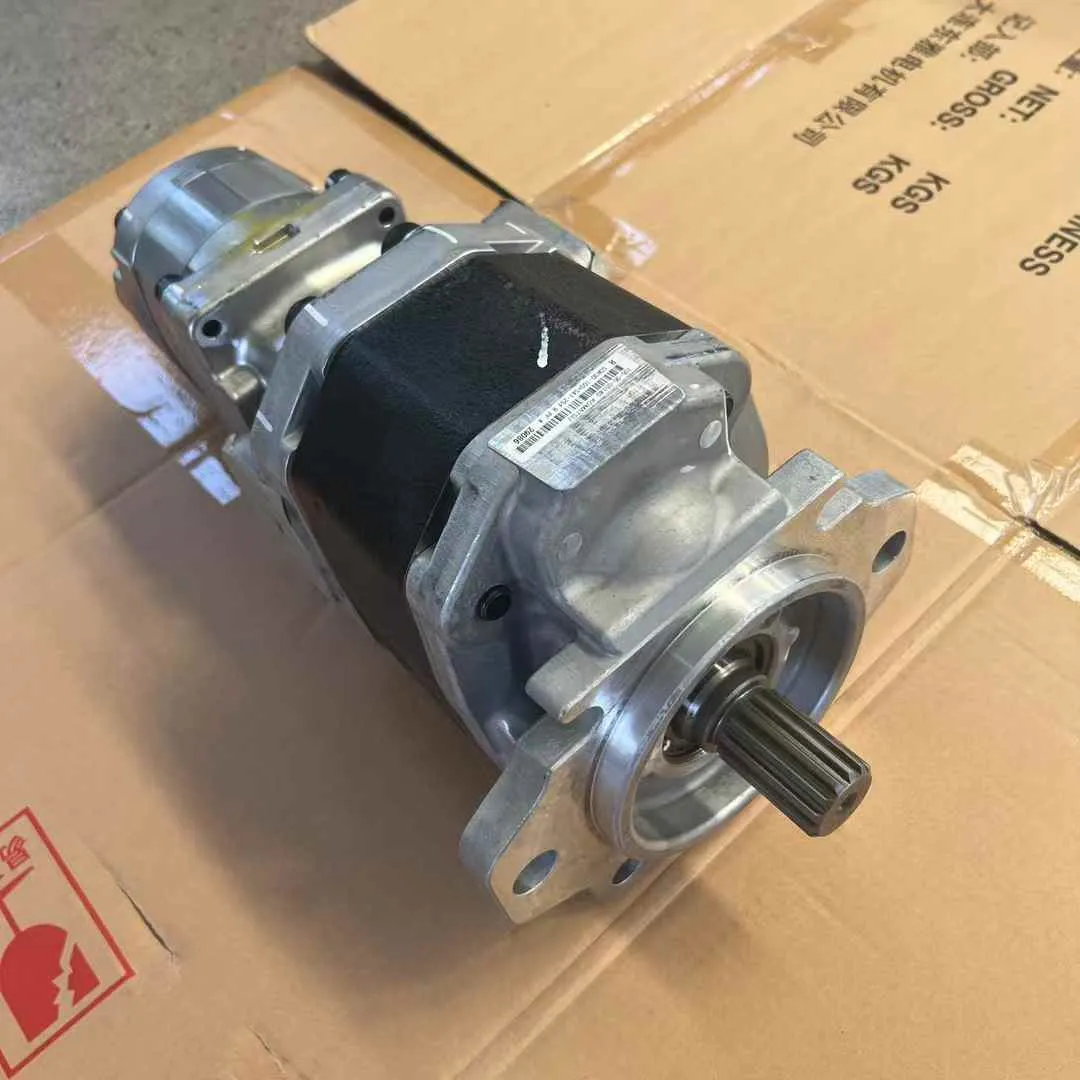 705-95-05140 HydraulicPump
 -
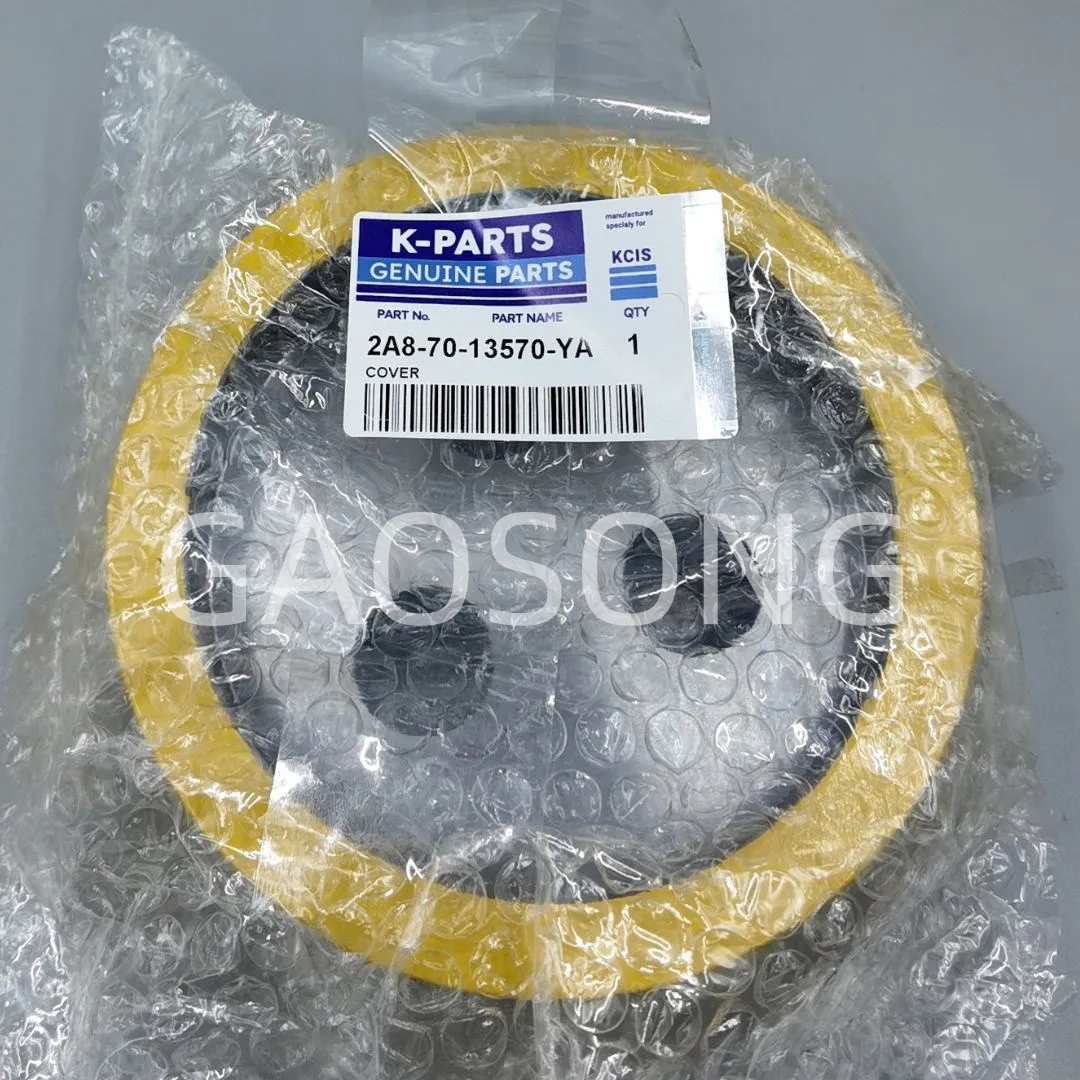 2A8-70-13570 Cover-Komatsu Original Factory
 -
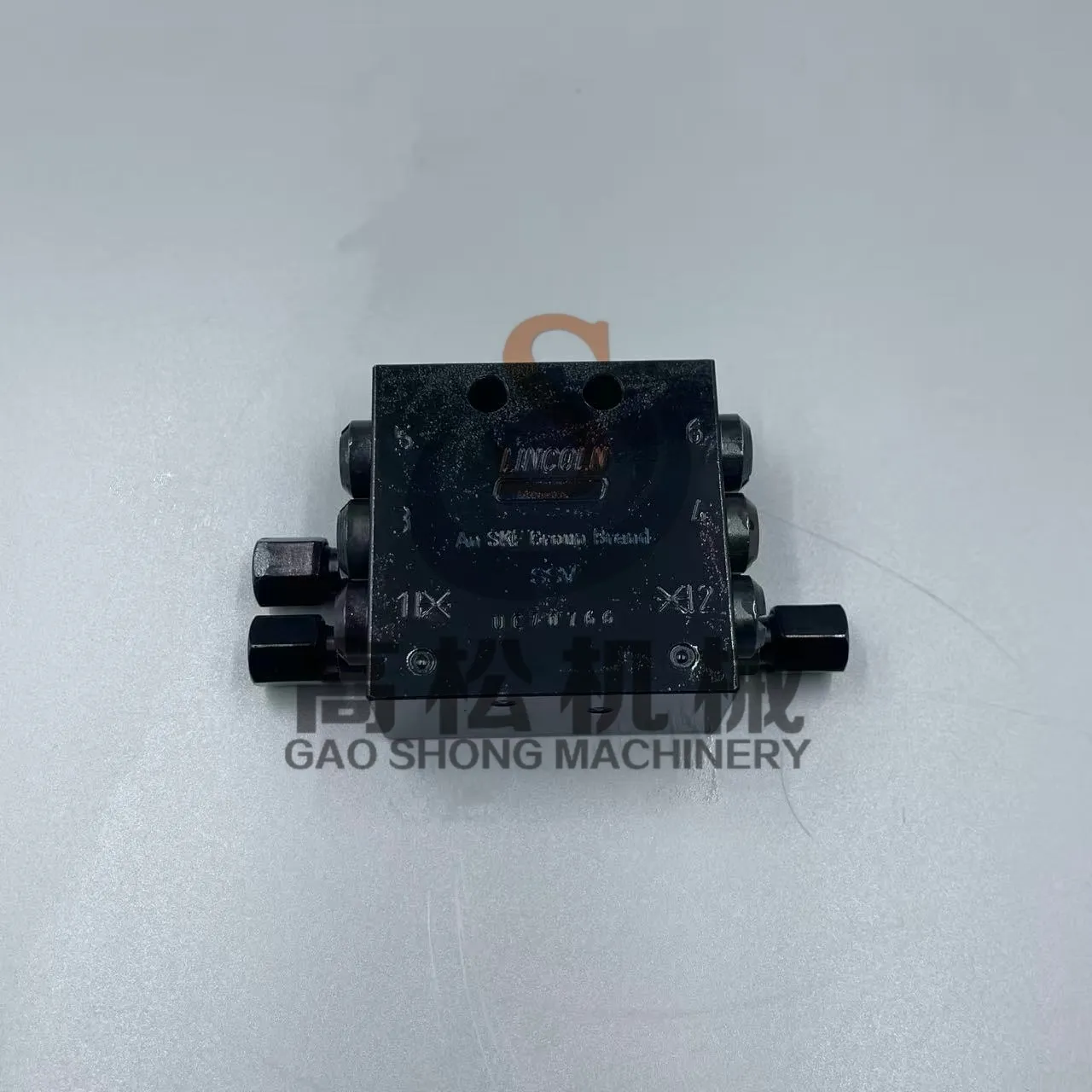 VALVE ASS’Y21T-68-67940
 -
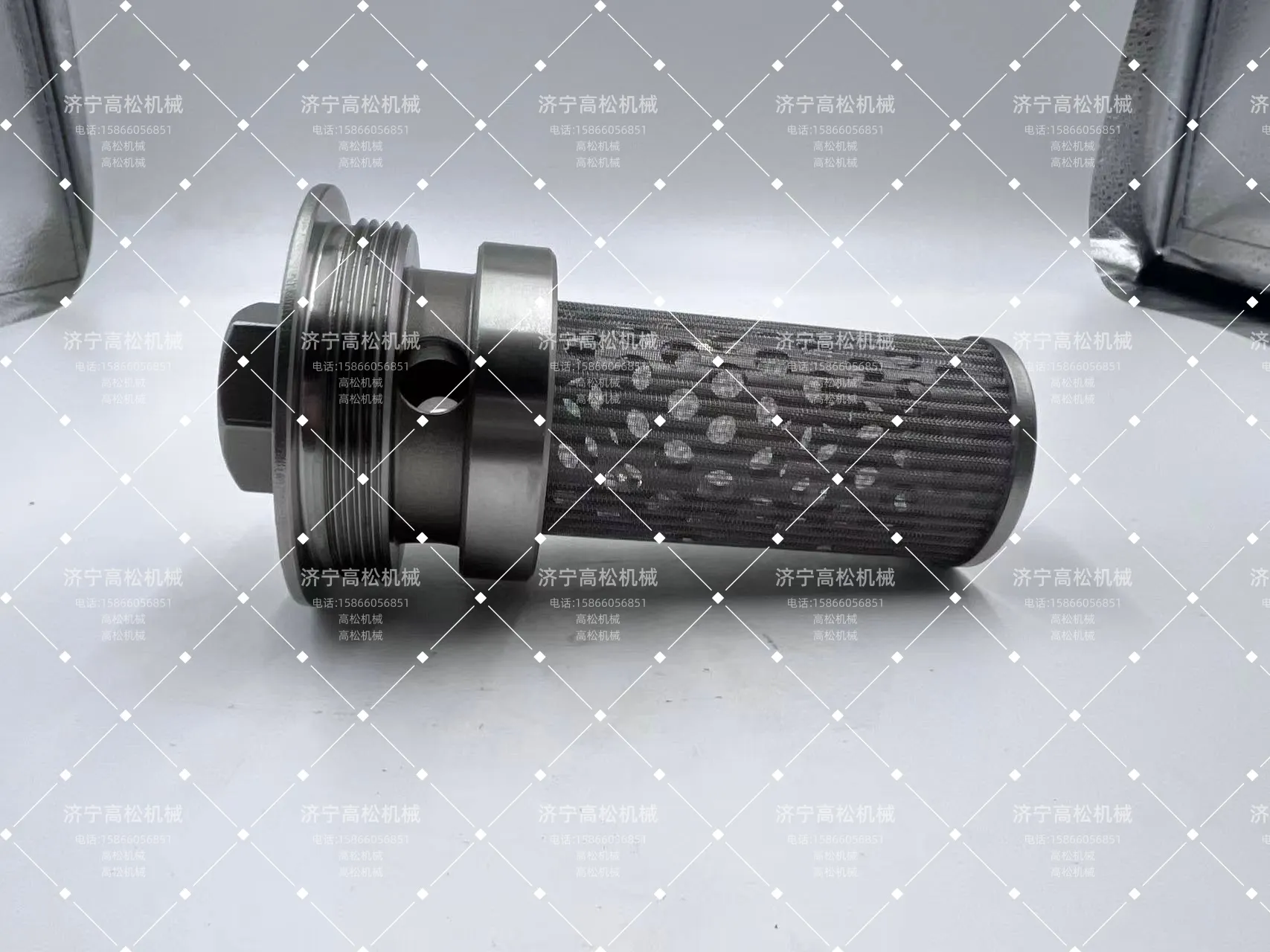 Original Brand New Filter element 195-04-11150 Filter Suitable for…
 -
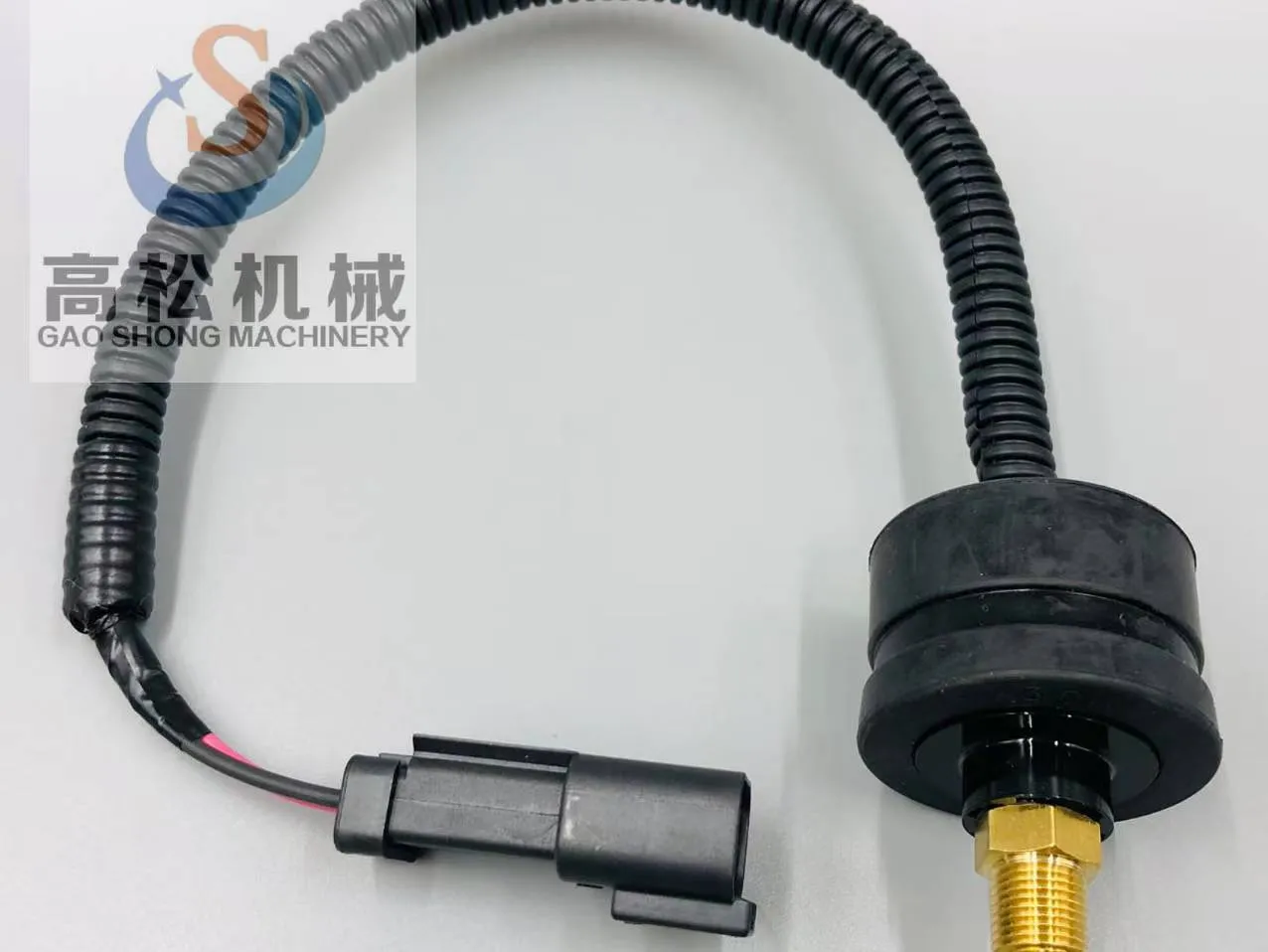 PC300-8 excavator air filter sensor 7861-93-1420 7861-93-1430 Construction machinery parts