
- Chinese
- French
- German
- Portuguese
- Spanish
- Russian
- Japanese
- Korean
- Arabic
- Irish
- Greek
- Turkish
- Italian
- Danish
- Romanian
- Indonesian
- Czech
- Afrikaans
- Swedish
- Polish
- Basque
- Catalan
- Esperanto
- Hindi
- Lao
- Albanian
- Amharic
- Armenian
- Azerbaijani
- Belarusian
- Bengali
- Bosnian
- Bulgarian
- Cebuano
- Chichewa
- Corsican
- Croatian
- Dutch
- Estonian
- Filipino
- Finnish
- Frisian
- Galician
- Georgian
- Gujarati
- Haitian
- Hausa
- Hawaiian
- Hebrew
- Hmong
- Hungarian
- Icelandic
- Igbo
- Javanese
- Kannada
- Kazakh
- Khmer
- Kurdish
- Kyrgyz
- Latin
- Latvian
- Lithuanian
- Luxembou..
- Macedonian
- Malagasy
- Malay
- Malayalam
- Maltese
- Maori
- Marathi
- Mongolian
- Burmese
- Nepali
- Norwegian
- Pashto
- Persian
- Punjabi
- Serbian
- Sesotho
- Sinhala
- Slovak
- Slovenian
- Somali
- Samoan
- Scots Gaelic
- Shona
- Sindhi
- Sundanese
- Swahili
- Tajik
- Tamil
- Telugu
- Thai
- Ukrainian
- Urdu
- Uzbek
- Vietnamese
- Welsh
- Xhosa
- Yiddish
- Yoruba
- Zulu
- Kinyarwanda
- Tatar
- Oriya
- Turkmen
- Uyghur






777 komatsu parts
When you type '777 komatsu parts' into a search, you're not just looking for a bolt or a seal. You're likely in a bind, with a machine down and pressure mounting. The common pitfall? Assuming all parts labeled for a Komatsu 777 are created equal. In reality, the supply chain for these critical components is a complex web of OEM, aftermarket, and, frankly, some questionable sources. Having been through this grind, I can tell you that the difference often isn't just in price, but in machine uptime and total cost of ownership.
The OEM Promise vs. On-Ground Reality
There's a comfort in sticking with pure Komatsu OEM parts. You know the specs, the metallurgy, the quality control are all dialed in for that specific 777 komatsu model. But here's the rub: lead times and cost. For operations in remote regions or countries with import complexities, waiting six weeks for a genuine swing bearing isn't an option. The machine is a massive paperweight. That's where the ecosystem shifts. Companies that operate within the Komatsu system but offer more agile solutions become invaluable. I recall a site in West Africa where we used a supplier that was an OEM product supplier within the Komatsu system. They weren't the primary factory, but they had the lineage and the technical approval to produce to spec, cutting the lead time from months to weeks. That's a game-changer.
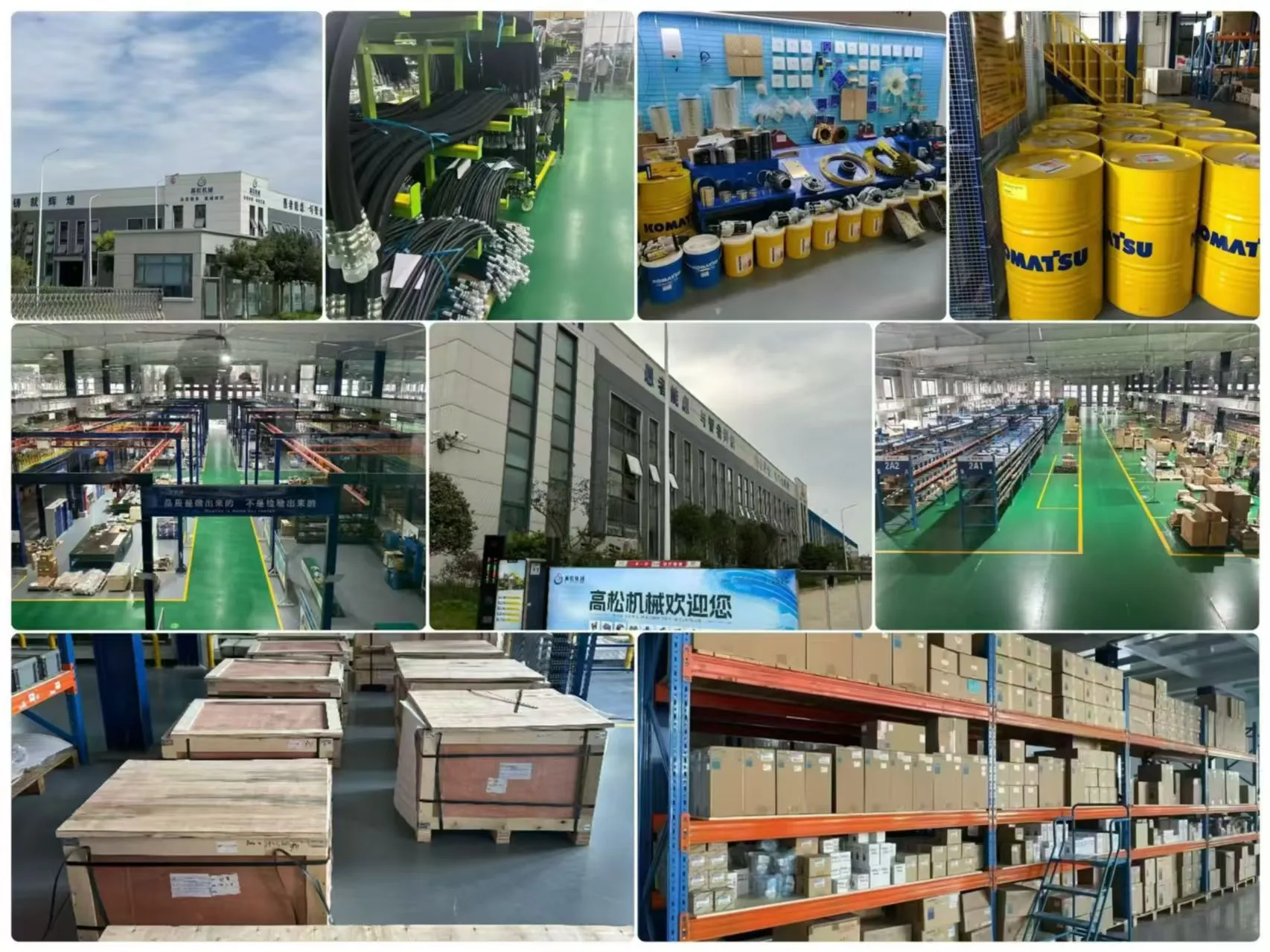
This brings me to a specific example: Jining Gaosong Construction Machinery Co., Ltd. They position themselves precisely in that niche. According to their channel at https://www.takematsumachinery.com, they are an OEM product supplier within the Komatsu system and also act as a third-party sales company. In practice, what this meant for us was access to komatsu parts that met the engineering standards without getting tangled in the main distribution bottlenecks. It's not a workaround for every single component, but for non-safety-critical, high-wear items, it kept projects moving.
The nuance is in the application. Would I use a third-party-sourced cylinder head for a 777D? Probably not without deep vetting. But for a hydraulic hose assembly, a radiator core, or even a meticulously reproduced sprocket segment? That's where this hybrid model proves its worth. The key is the supplier's transparency. Are they just a reseller, or do they have engineering insight? The latter makes all the difference.
Decoding Quality: Beyond the Brand Stamp
Let's talk about failure. Early in my career, I learned the hard way that a cheap aftermarket pump for a 777's steering system could cost ten times its price in downtime when it failed catastrophically two months in. It wasn't a Komatsu part, not even a reputable clone. It was junk. That experience drilled into me that for core systems—hydraulics, powertrain, final drives—the provenance of the 777 komatsu parts is non-negotiable.
However, the definition of quality expands when you work globally. A genuine part sitting in a port for 45 days due to clearance issues has zero quality because it's not on the machine. This is the challenge companies like the one mentioned aim to solve. Their role as a third-party sales company for Komatsu isn't about undercutting; it's about logistics and localization. They help solve parts supply challenges in certain countries by having a network that understands local hurdles. It's a practical solution to a very real problem.
So, how do you judge? You ask for material certifications. You ask for case studies or references from similar operations. You might even request a sample for a non-critical fit-check before a big order. The suppliers who can provide this are the ones operating with a professional conscience. They know their product has to perform, or they lose the trust of a very tight-knit industry.
The Specifics That Keep You Up at Night
Every model has its quirks. For the 777, particularly the older B and C series, certain parts are perpetual headaches. The pin and bushing sets on the lift cylinders, for instance. Wear patterns are aggressive. Sourcing these requires knowing not just the part number, but the production batch sometimes. An OEM-aligned supplier often has access to these subtleties—knowing which iteration of a part supersedes another, or if there's a service bulletin recommending a modified material.
Another real-world snag: compatibility. You order a valve bank listed for a 777D, but your machine has a mid-year control system update. The ports line up, but the solenoid ratings are different. A parts catalog won't tell you that. A knowledgeable technical person on the supplier's end will. This is where the third-party sales function morphs into technical support. It's this layer that separates a parts vendor from a partner.
I've spent hours on video calls with suppliers, pointing cameras at worn components, discussing heat discoloration on a komatsu turbocharger housing. The good ones engage in that dialogue. They don't just read a number off a screen; they help you diagnose if you even need the part you think you do. Maybe the failure is downstream, and a cheaper fix exists. That honesty builds long-term business.
Logistics: The Unseen Cost in Every Part
The invoice price is just the entry fee. The real cost is landed cost: freight, duty, taxes, and the time it spends in transit. For a set of tires or a counterweight for a 777, shipping can dwarf the part cost. This is another arena where specialized suppliers add value. They've often pre-cleared shipping lanes for heavy machinery parts, have consolidated container strategies, and know which freight forwarders won't drop the ball.
A site manager in South America once told me his biggest win wasn't finding a cheaper part, but finding a supplier who could guarantee delivery to the mine gate in 21 days, not 60. That predictability allowed for realistic maintenance scheduling. The supplier's ability to solve parts supply challenges in certain countries, as their mission states, was directly tied to this logistical expertise. It's a core part of their service, not an add-on.
This also means sometimes you pay a premium for the part to offset smarter logistics. And that's okay. It's a holistic calculation. A $5,000 part that arrives in two weeks and gets the machine running is infinitely more valuable than a $3,500 part that's MIA for two months, costing you $50,000 in lost production.
Building a Sustainable Parts Strategy
So, what's the takeaway from all this? Don't have a single source. Have a tiered strategy. Tier 1: Pure, non-negotiable OEM 777 komatsu parts for engine blocks, ECMs, and major structural components. Tier 2: Certified OEM-aligned suppliers (like the type of operation Jining Gaosong represents) for high-wear mechanical items, hydraulics, and electrical components where they have proven traceability. Tier 3: Vetted aftermarket for consumables like filters, seals, and generic hoses.
This approach balances cost, risk, and machine availability. It requires building relationships. It means sometimes you'll overpay through one channel to test their reliability for a future, more critical need. It's an ongoing process of evaluation.
Ultimately, searching for '777 komatsu parts' is the start of a filtration process. The goal is to move from a list of vendors to a shortlist of partners who understand that the part is just a piece of the puzzle. The real product is machine uptime. The suppliers who get that, who engage in the gritty details of application and logistics, are the ones you stick with. They turn a procurement headache into a manageable, if never simple, part of keeping earthmoving assets productive.
Related Products
Related Products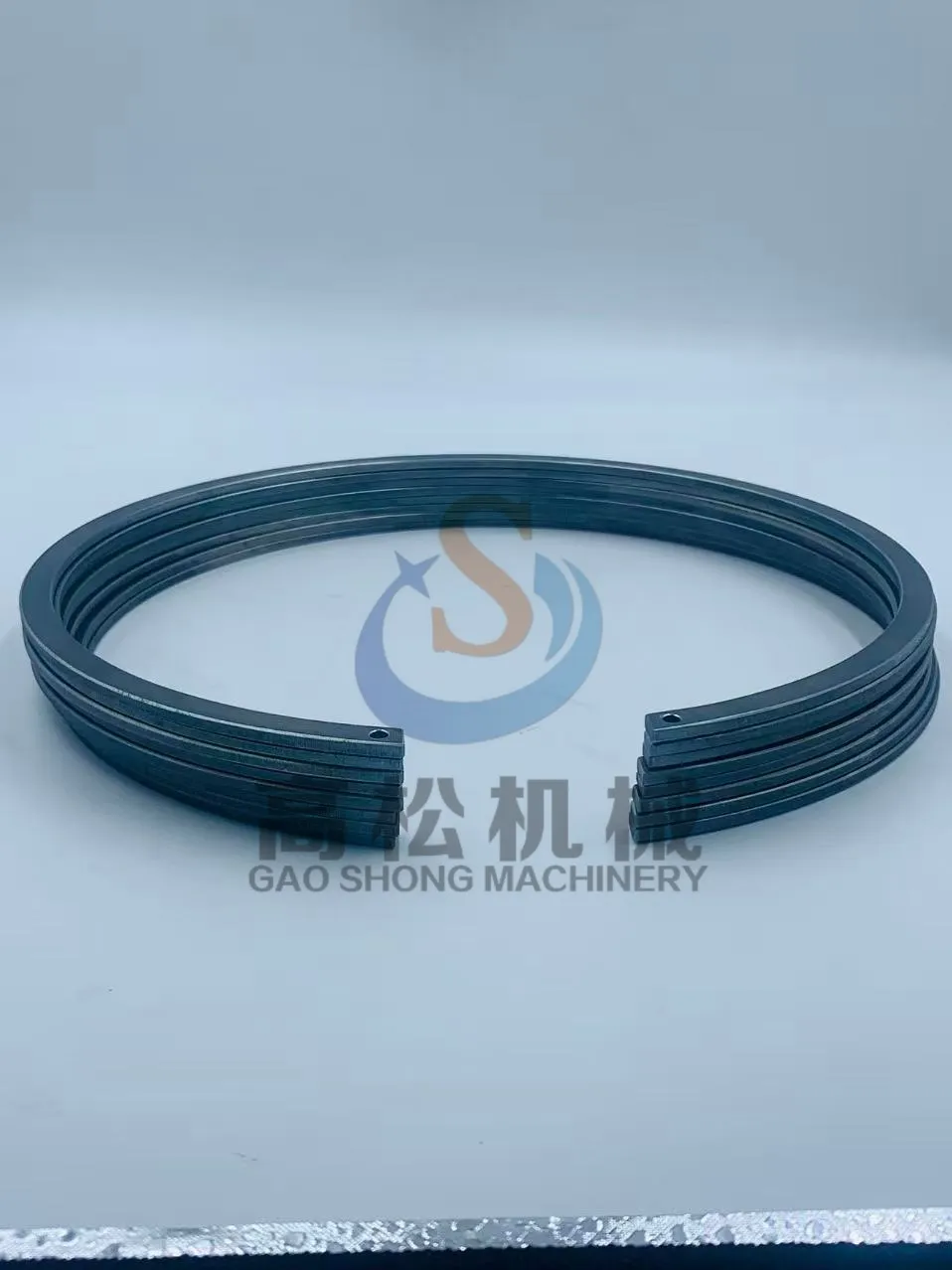
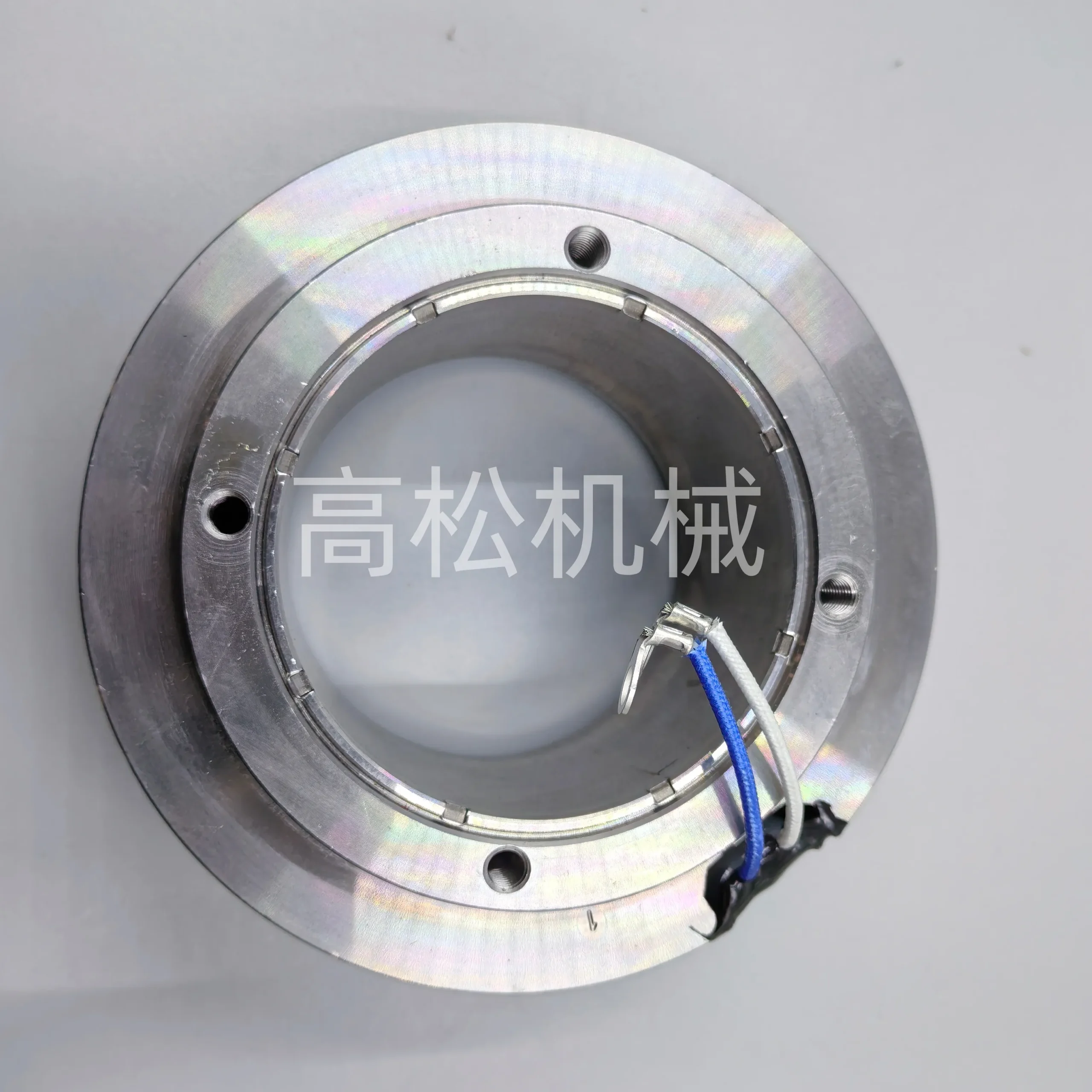
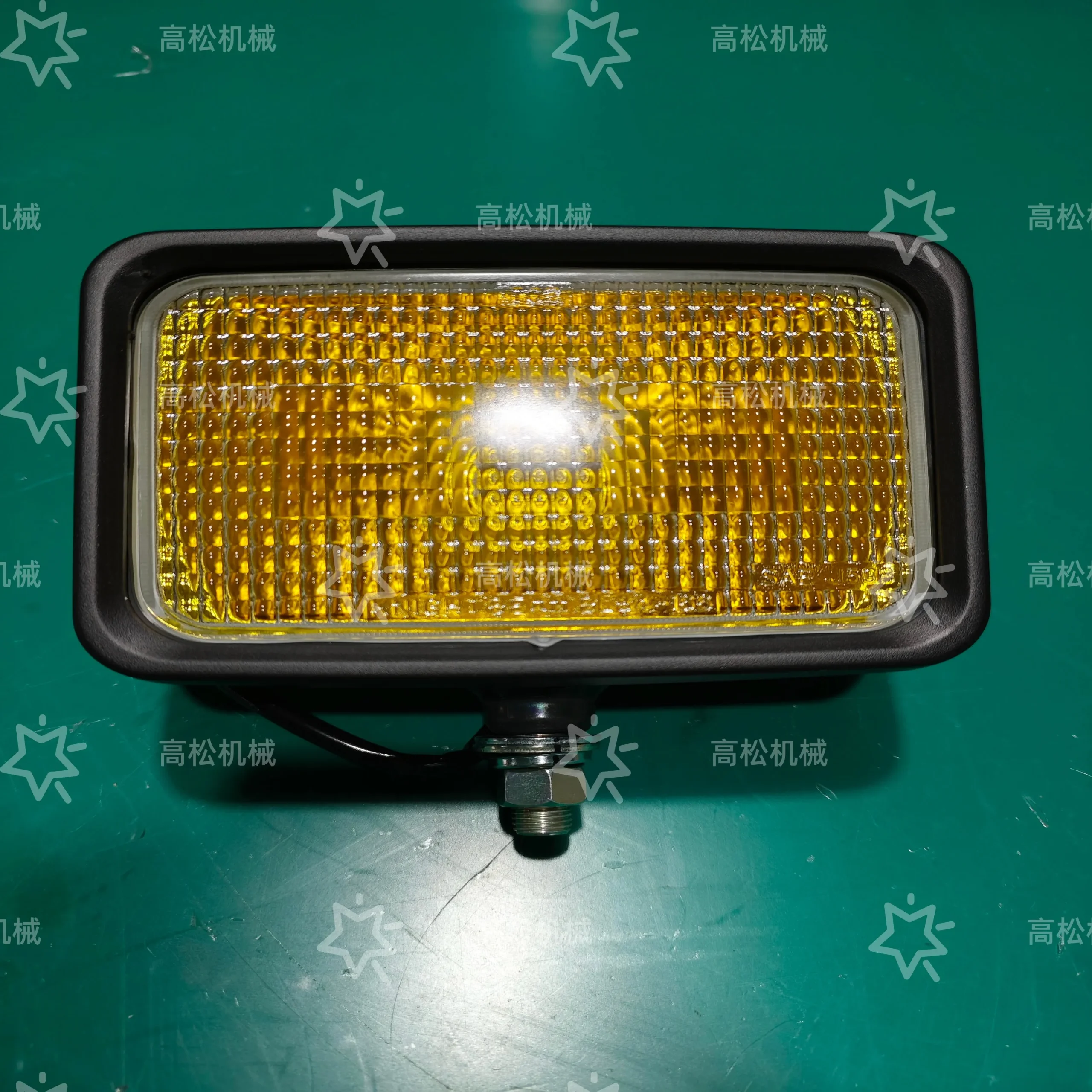
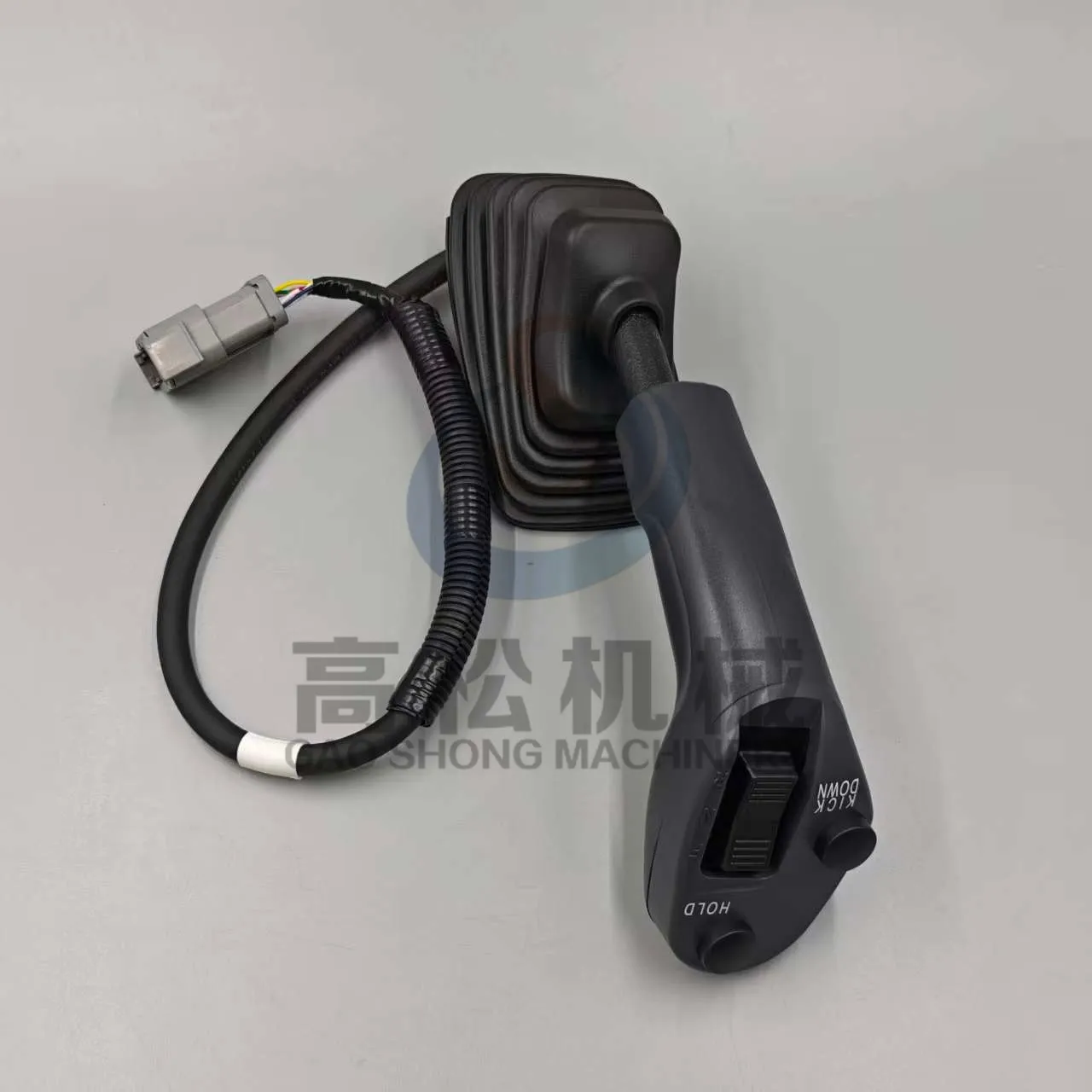

Best Selling Products
Best Selling Products-
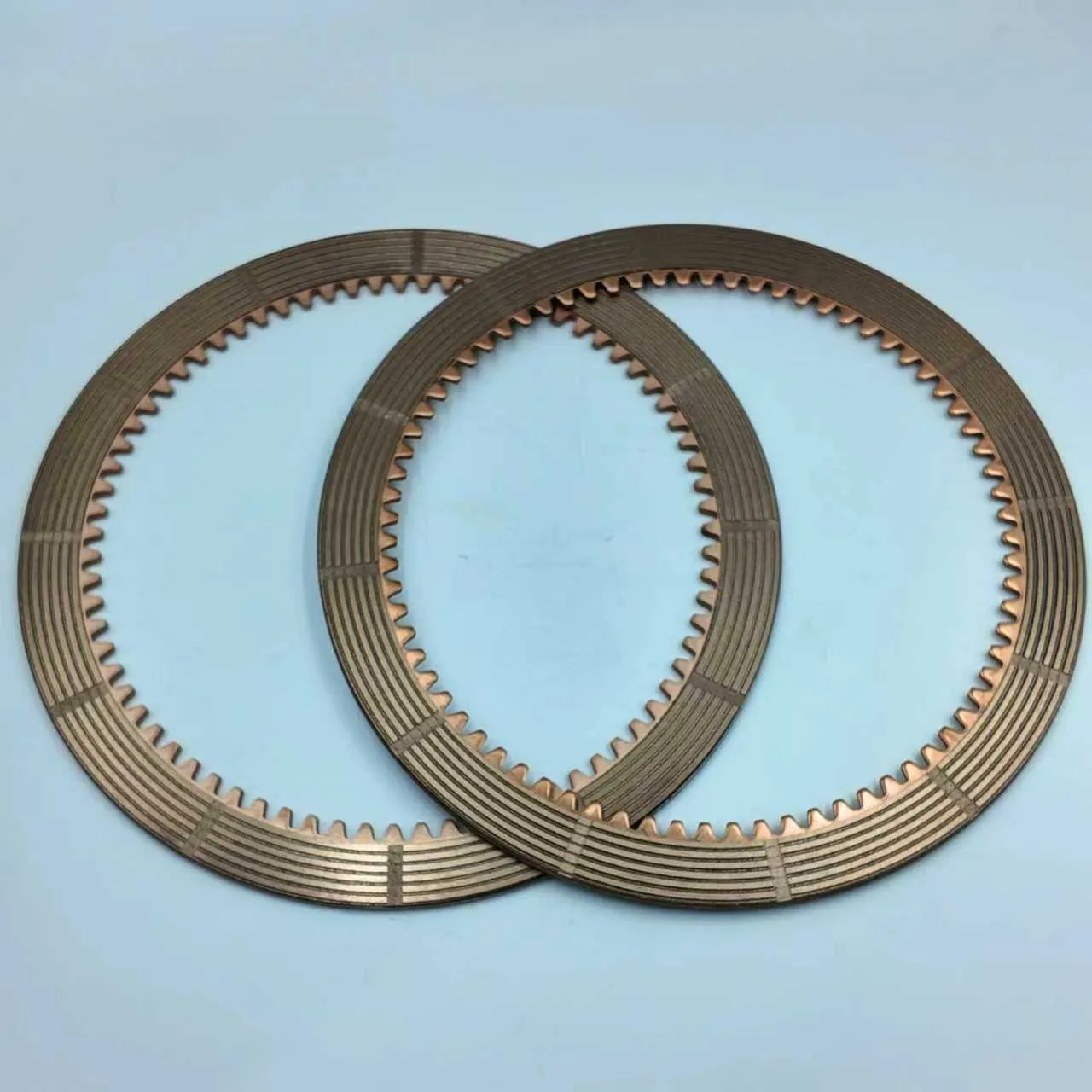 NEW 23S-15-12710 DISC TRANSMISSION (124-15-42710) FOR KOMATSU D41A-3
 -
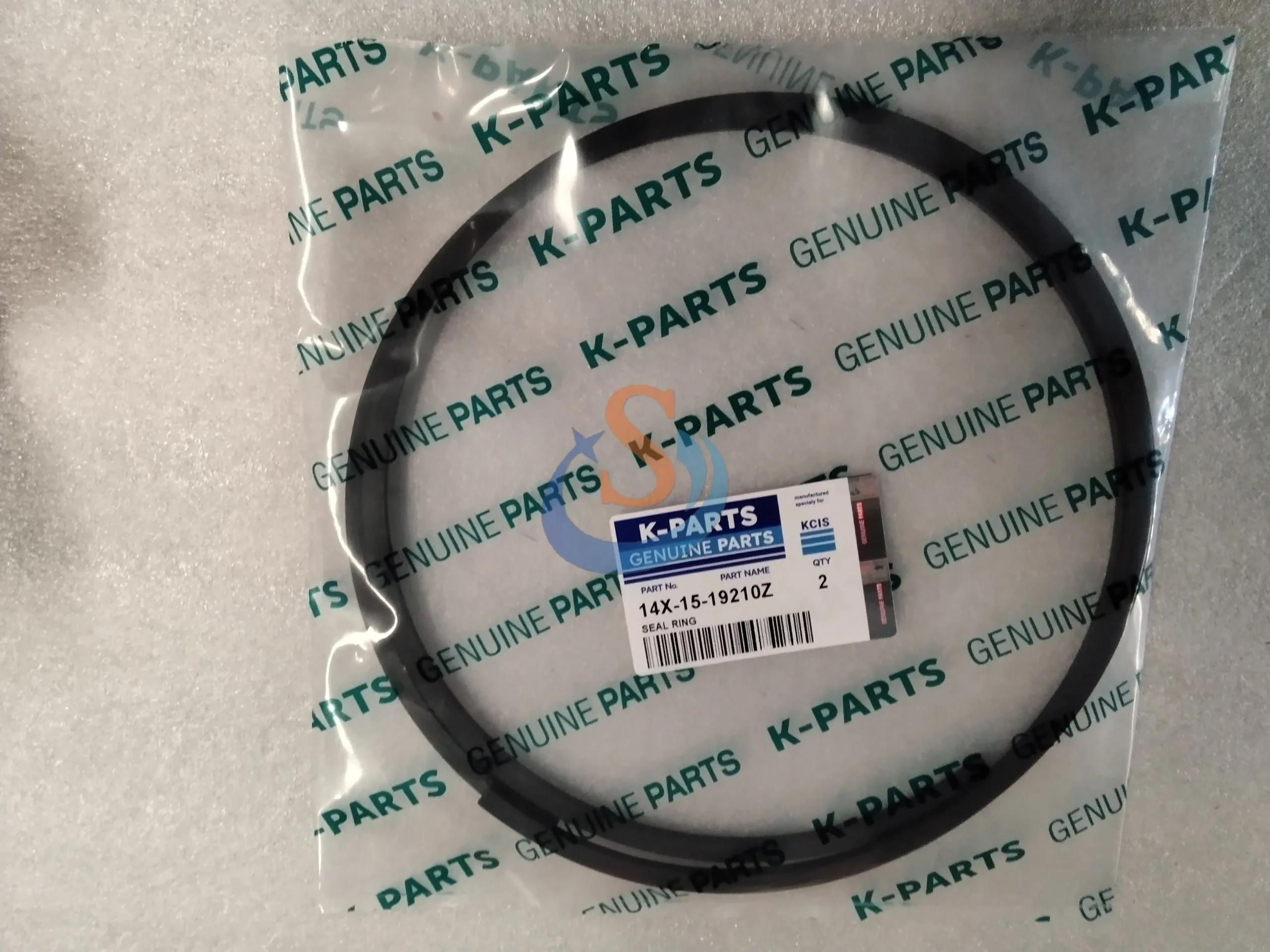 14X-15-19210 SEAL RING D65/WA500/D85
 -
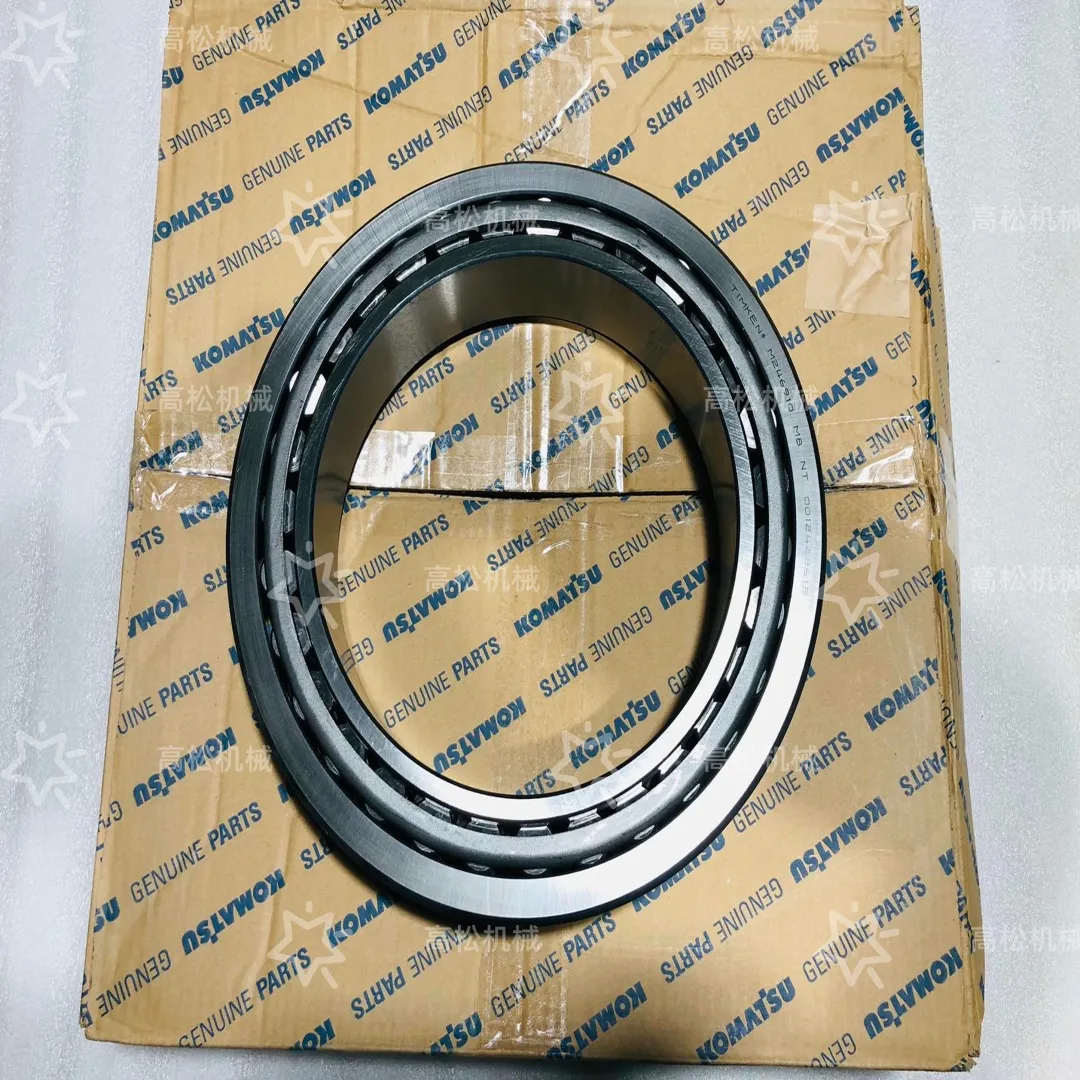 GL BEARING AS 17A-27-11331 Excavator Engine Loader Truck Bulldozer Grader Roller Spare Parts
 -
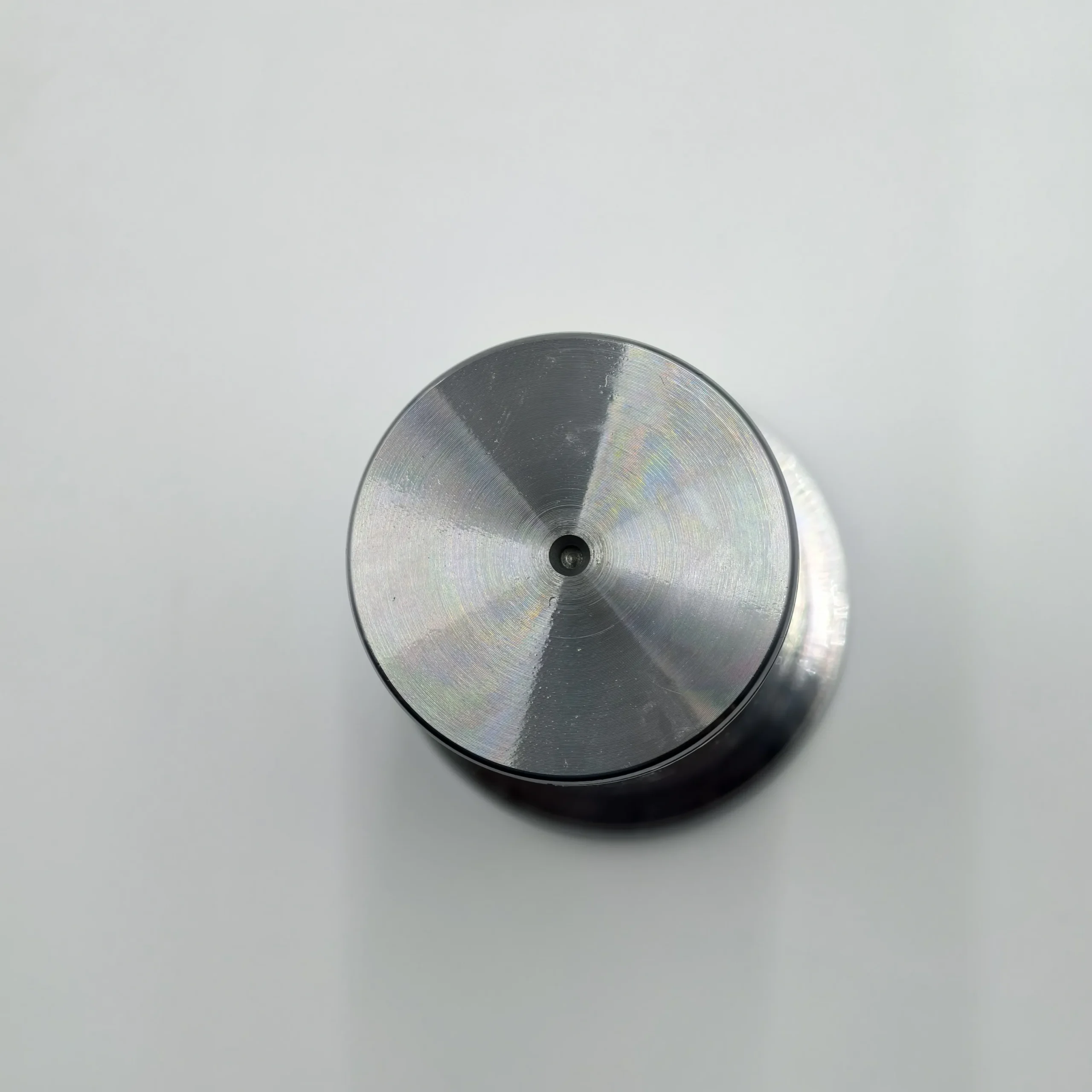 PIN – 21N-26-33240
 -
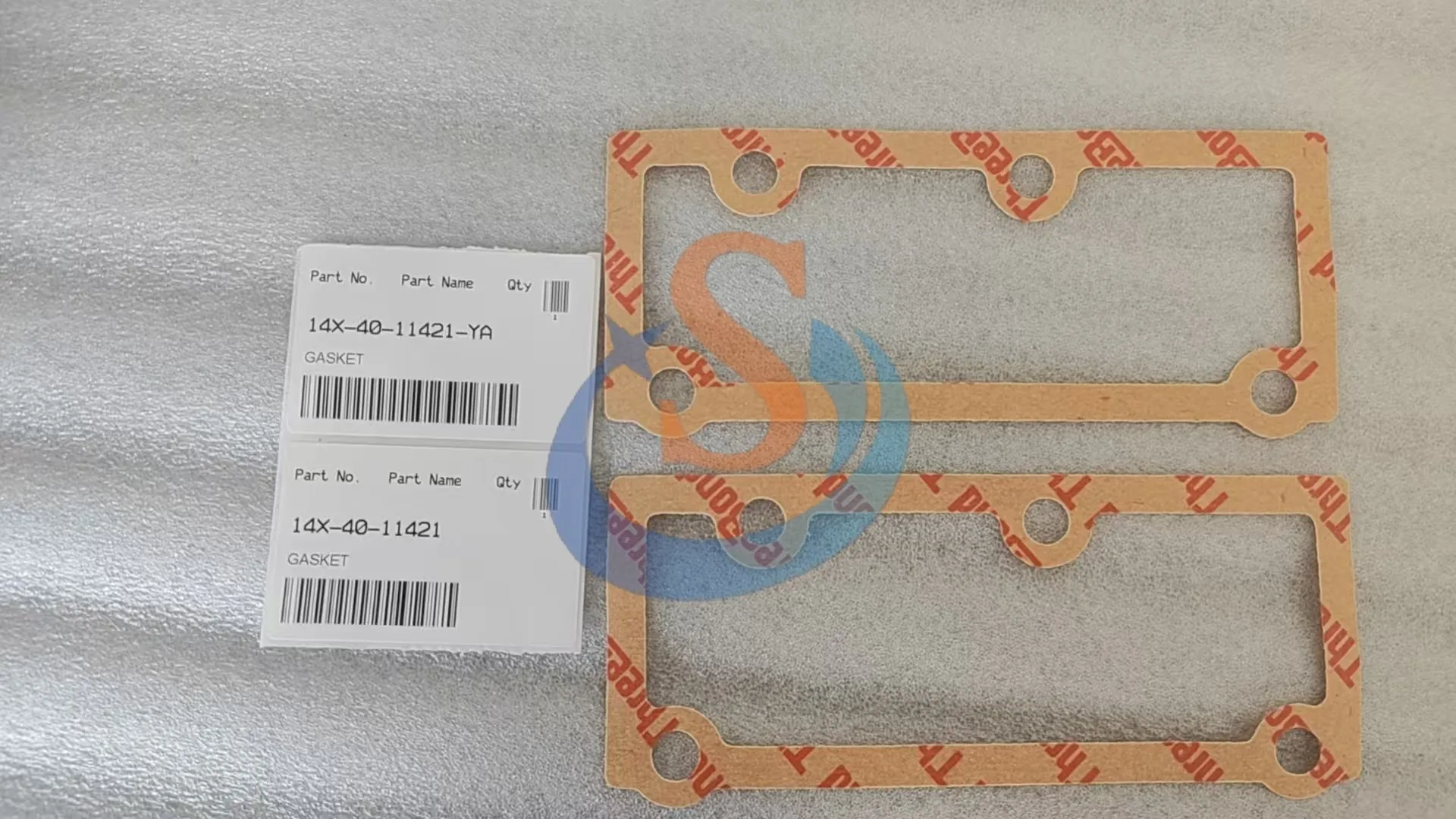 14X-40-11421,GASKET,D375A,D475A,D85ESS
 -
 Original New PC400-7 Excavator Parts – Control Valve 708-2H-03411
 -
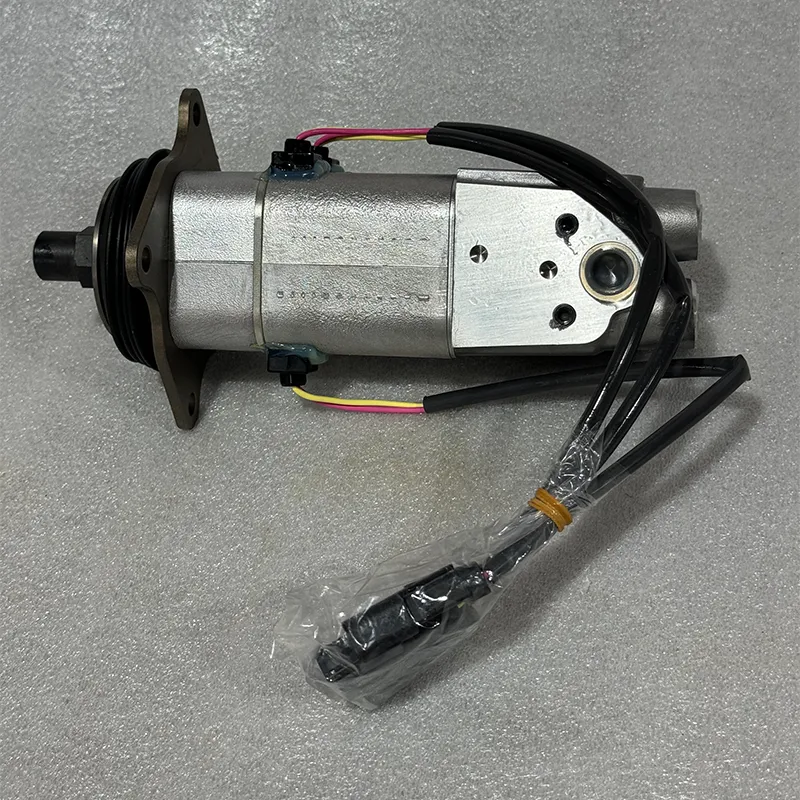 Original komatsu WA480-6 Pilot Valve 702-16-03461
 -
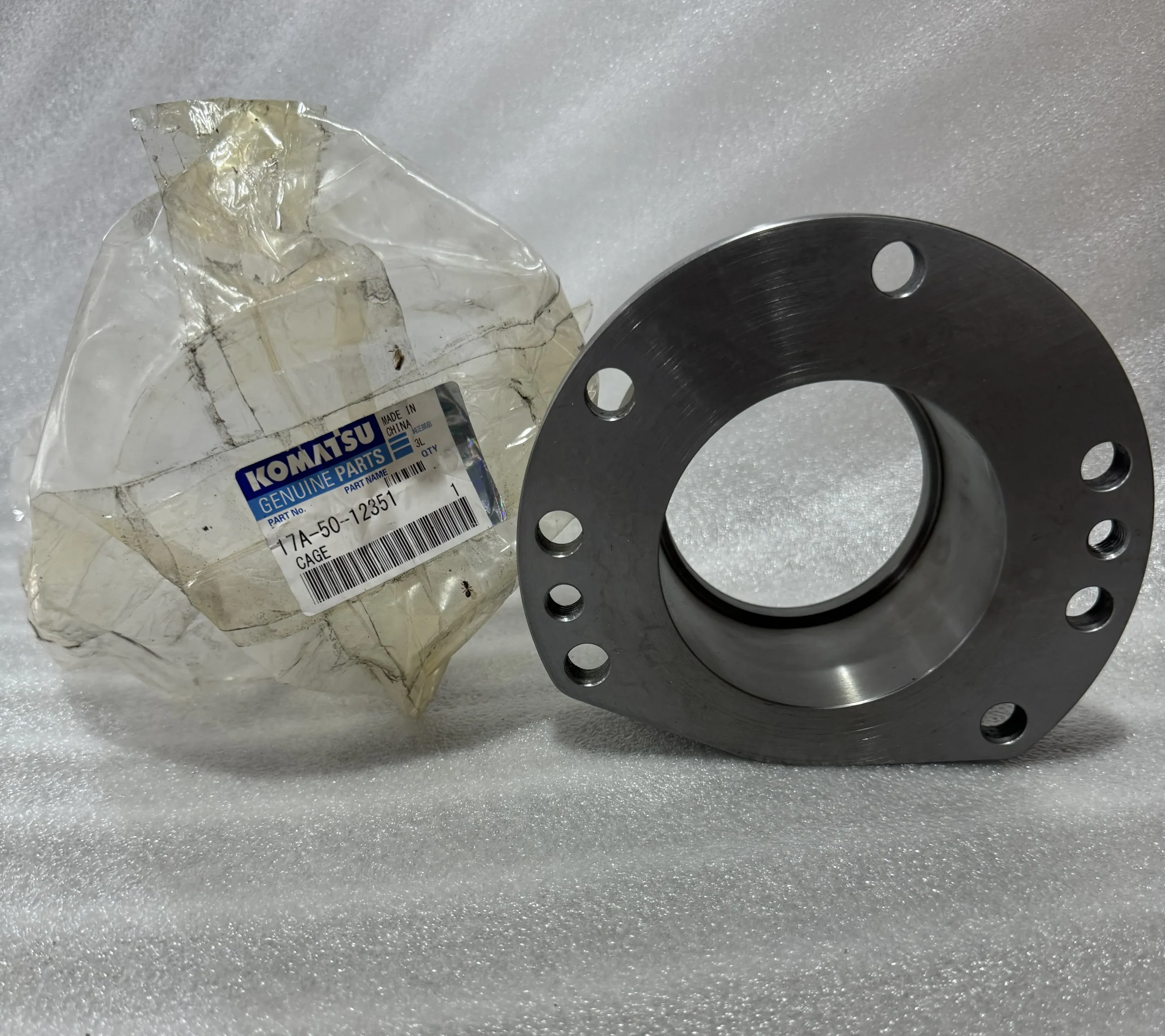 D155AX-3 Bearing Housing 17A-50-12351
 -
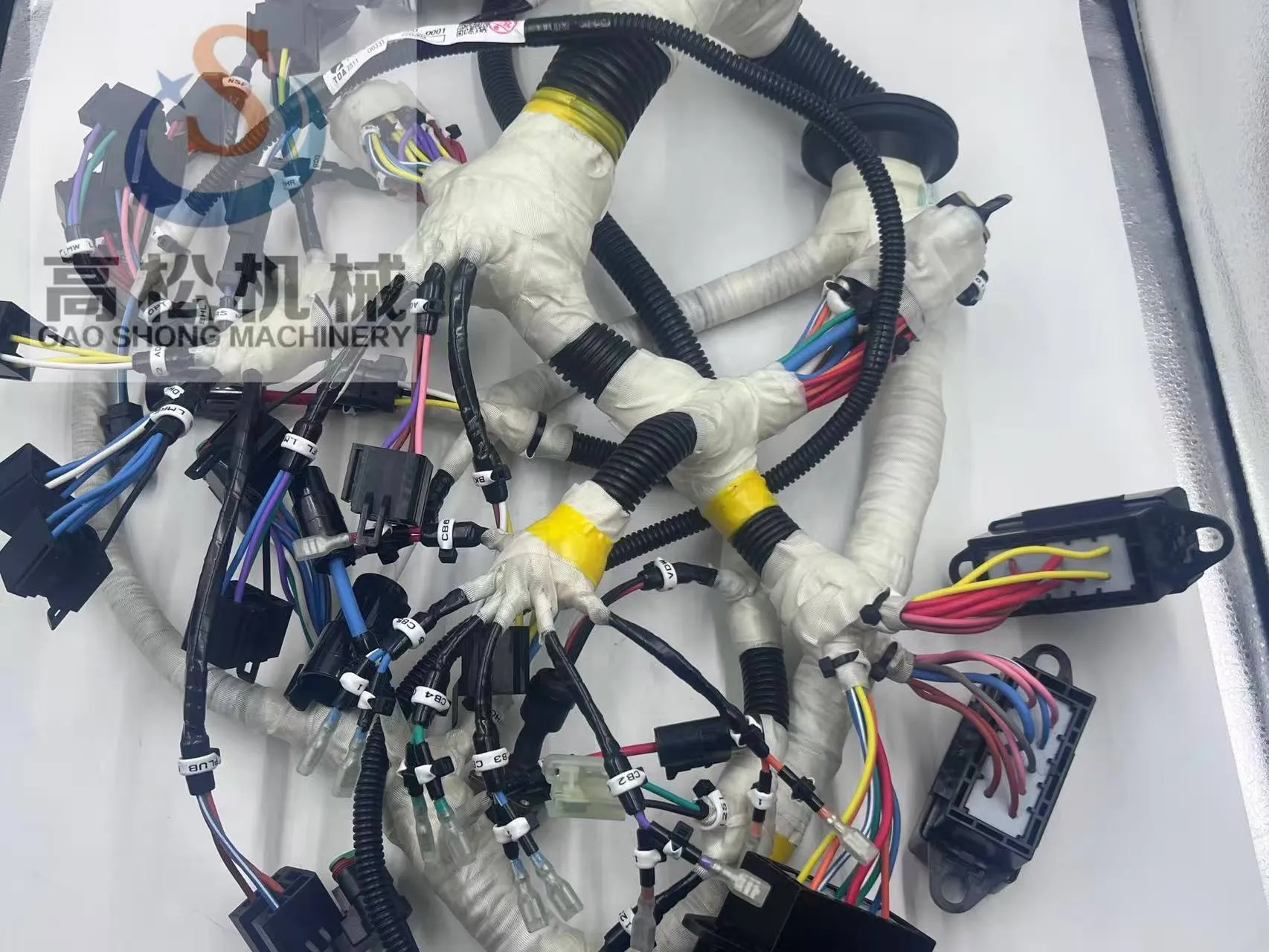 D375A-6Wiring harness 195-06-84641
 -
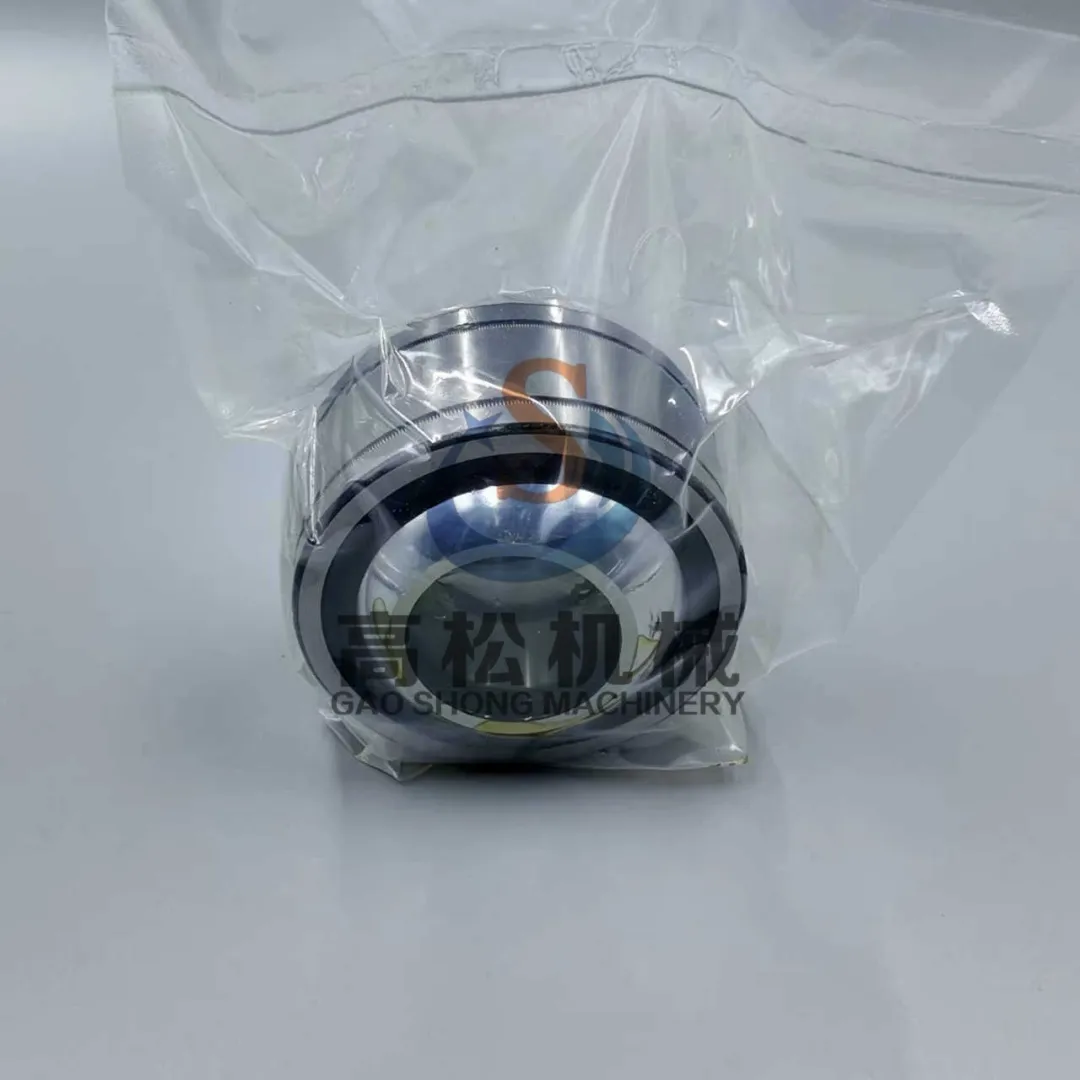 BUSHING 07137-04006 – KOMATSU Part
 -
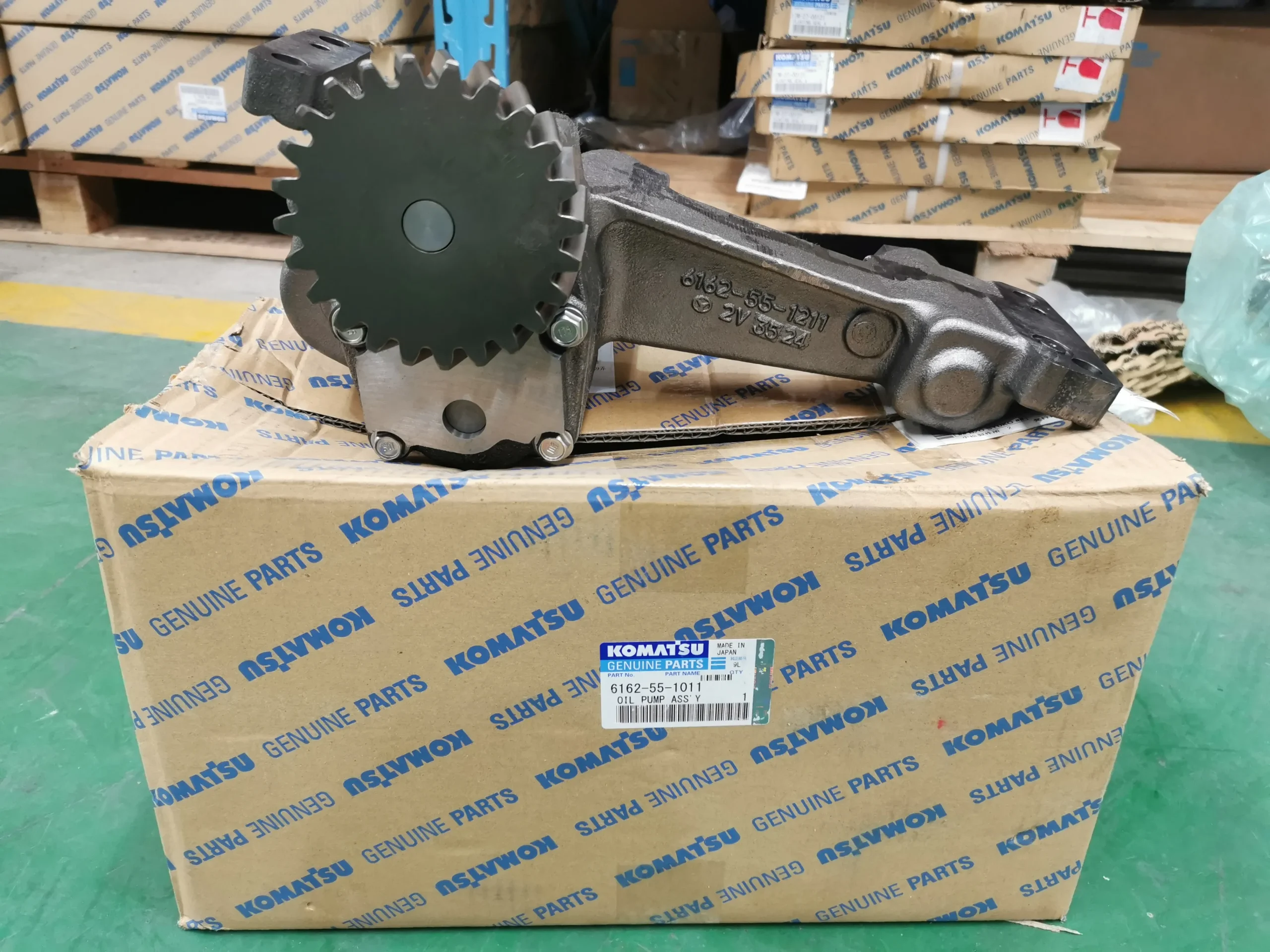 S6D170E-2A Oil Pump 6162-55-1011
 -
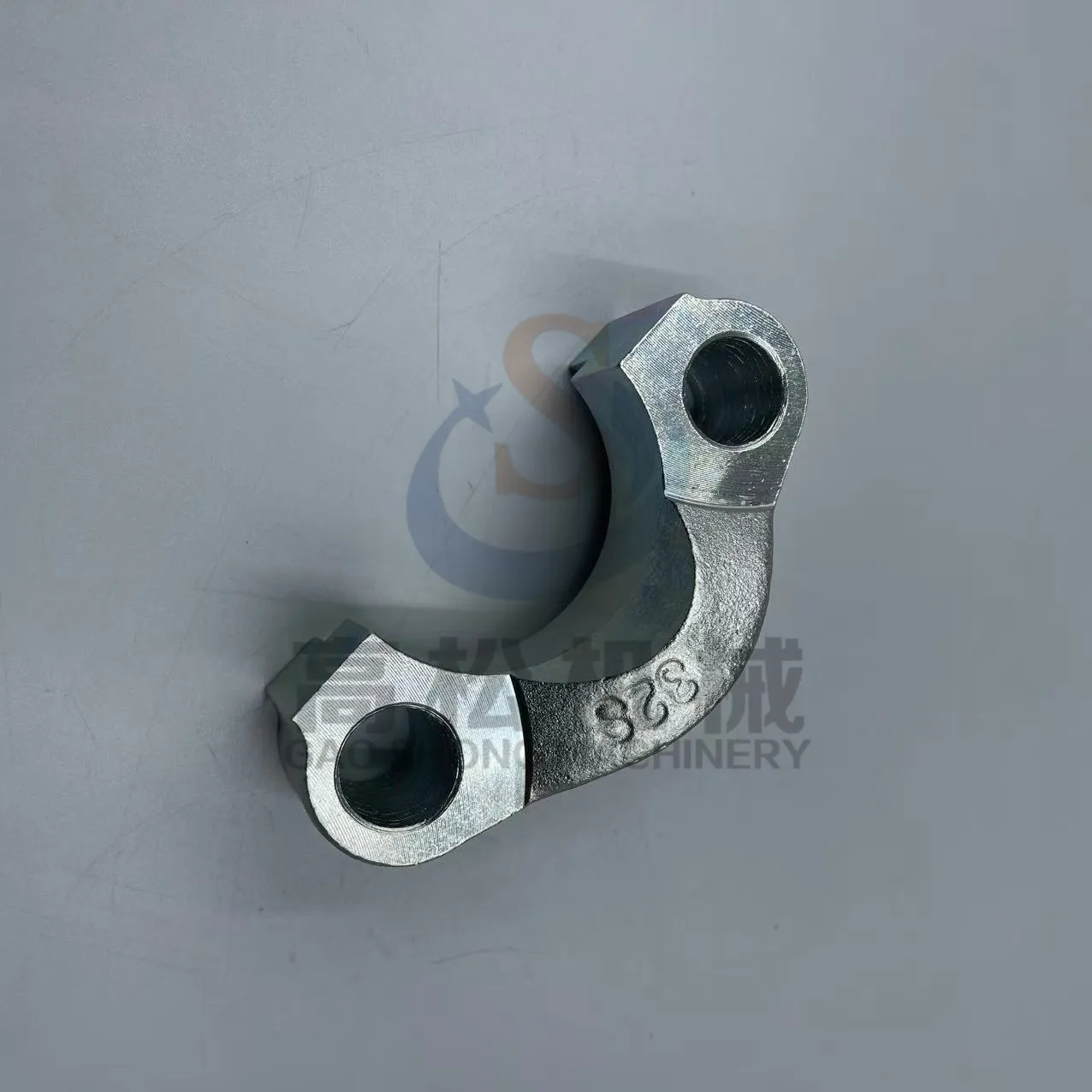 FLANGE 07371-52080 – KOMATSU