
- Chinese
- French
- German
- Portuguese
- Spanish
- Russian
- Japanese
- Korean
- Arabic
- Irish
- Greek
- Turkish
- Italian
- Danish
- Romanian
- Indonesian
- Czech
- Afrikaans
- Swedish
- Polish
- Basque
- Catalan
- Esperanto
- Hindi
- Lao
- Albanian
- Amharic
- Armenian
- Azerbaijani
- Belarusian
- Bengali
- Bosnian
- Bulgarian
- Cebuano
- Chichewa
- Corsican
- Croatian
- Dutch
- Estonian
- Filipino
- Finnish
- Frisian
- Galician
- Georgian
- Gujarati
- Haitian
- Hausa
- Hawaiian
- Hebrew
- Hmong
- Hungarian
- Icelandic
- Igbo
- Javanese
- Kannada
- Kazakh
- Khmer
- Kurdish
- Kyrgyz
- Latin
- Latvian
- Lithuanian
- Luxembou..
- Macedonian
- Malagasy
- Malay
- Malayalam
- Maltese
- Maori
- Marathi
- Mongolian
- Burmese
- Nepali
- Norwegian
- Pashto
- Persian
- Punjabi
- Serbian
- Sesotho
- Sinhala
- Slovak
- Slovenian
- Somali
- Samoan
- Scots Gaelic
- Shona
- Sindhi
- Sundanese
- Swahili
- Tajik
- Tamil
- Telugu
- Thai
- Ukrainian
- Urdu
- Uzbek
- Vietnamese
- Welsh
- Xhosa
- Yiddish
- Yoruba
- Zulu
- Kinyarwanda
- Tatar
- Oriya
- Turkmen
- Uyghur






6d125 komatsu engine
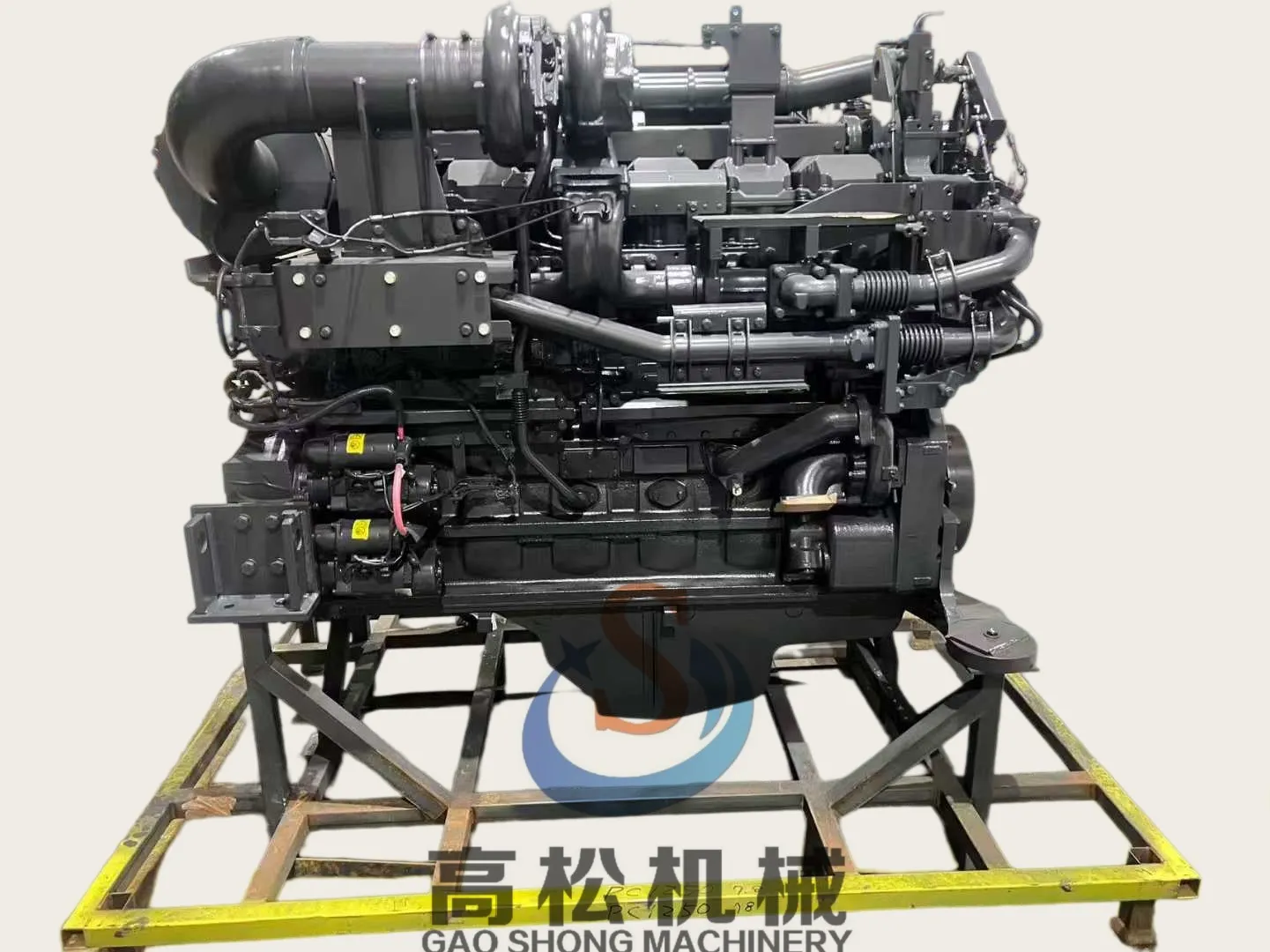
When you hear '6D125 Komatsu engine', the immediate thought for many is the D125A-6 in the PC200-6 excavator. That's the classic. But here's where the confusion often starts—people lump all 6D125 variants together, not realizing the subtle but critical differences between the -1, -2, and -6 models, or that this block also found its way into certain HD465-5 trucks and even some generator sets. The parts interchangeability isn't always straightforward, and that's where real headaches begin in the yard.
The Core of the Matter: More Than Just a Power Unit
Let's talk about the heart of it. The 6D125 is a 6-cylinder, direct injection, turbocharged diesel. Displacement is 6.69L. But the spec that really matters on the ground is the torque curve. It's not the highest horsepower engine out there, but its low-end grunt is what made the PC200-6 so legendary for its digging force. You could feel it—the engine didn't scream, it just pulled. The downside? The cylinder head. The early -1 and -2 models were more prone to cracking between the valves if overheated even once. The -6 iteration improved the casting, but it's still the number one failure point we see.
I remember a job in Indonesia, a PC200-6 that kept losing power. The local mechanic had swapped the injectors, checked the turbo—the usual suspects. When we got there, the issue was the 6D125 Komatsu engine fuel transfer pump. It was delivering fuel, but pressure was just on the lower edge of spec. It wasn't enough to trigger a major fault, but it was starving the injection pump under high load. A simple gauge test found it. The lesson? Never overlook the supply side. The Komatsu manual has the pressure specs, but you need the right tools to catch a marginal component.
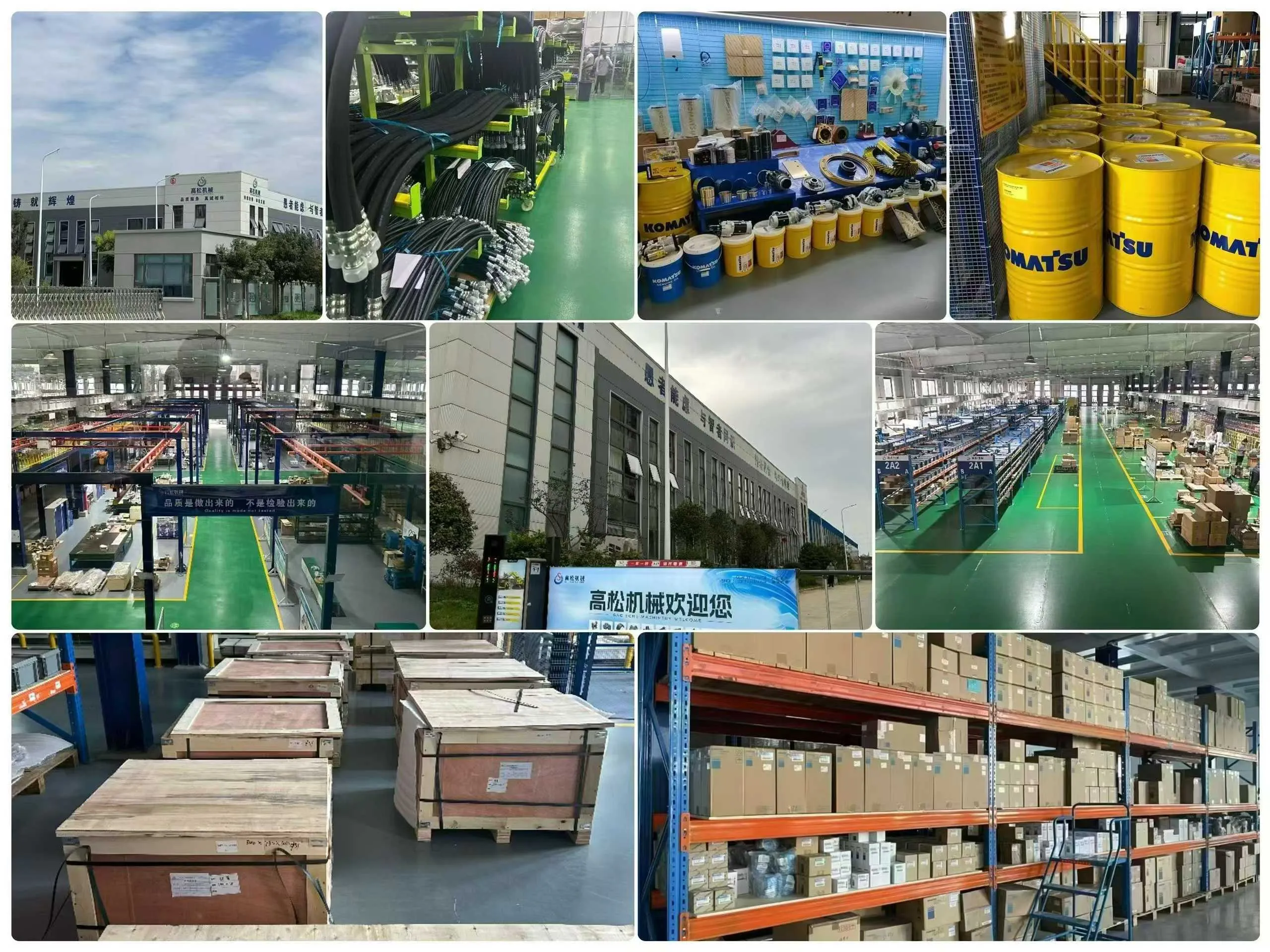
This is precisely the kind of nuanced parts challenge that companies like Jining Gaosong Construction Machinery Co., Ltd. understand deeply. As an OEM product supplier within the Komatsu system, they're positioned to know these generational differences intimately. Their role isn't just about selling a part labeled '6D125'; it's about knowing which specific sub-model, with which specific revision of a gasket or seal, fits a machine based on its serial number break. That's real value.
Parts Pitfalls and Sourcing Realities
Now, onto the messy world of parts. The aftermarket for the 6D125 is flooded. You can find piston kits for $800 or $2500. The cheap ones? Often a false economy. I've seen skirts collapse on cheap pistons after 1500 hours. The genuine Komatsu or a high-quality OEM-spec part is the only way for a rebuild you want to last. But here's the catch: genuine Komatsu parts supply can be a real bottleneck in some regions, with lead times stretching for months.
This is where the third-party sales model of a company like Gaosong makes practical sense. By operating as a third-party sales company for Komatsu, they can help navigate these supply chain gaps. I've used their channel before when a client needed a 6D125 Komatsu engine cylinder head for a HD465-5 truck. The local Komatsu dealer had a 12-week wait. Through their network at https://www.takematsumachinery.com, we sourced a genuine OEM head from another region's stock and had it shipped in three weeks. They're solving parts supply challenges by working within the system but with more flexibility.
Another pitfall is the turbo. The Komatsu turbocharger for the 6D125 is a specific Mitsubishi unit. The aftermarket direct fit versions often have slightly different actuator characteristics or oil passage designs. They'll bolt on, but you might get an intermittent over-boost code or, worse, oil starvation to the turbo bearings. I learned this the hard way on a rebuild years ago. We used a pattern part turbo, and it lasted 800 hours before seizing. The cost of the second repair wiped out any savings.
Rebuild Insights: What the Manual Doesn't Tell You
If you're doing an in-frame overhaul, the manual gives you the clearances. But it doesn't tell you about the quirks. First, always, always check the liner protrusion. The 6D125 uses wet liners. If the protrusion isn't even and within spec (that's critical—get a good dial gauge), you'll have head gasket failure within hours. I use a torque plate when checking. It's extra work, but it simulates the head's clamping force and gives you a true reading.
The connecting rod bolts are torque-to-yield. This is non-negotiable. You must use new ones. And you need a calibrated wrench and the proper sequence. I've seen a rebuilt engine throw a rod because someone reused the old bolts and just torqued them to the value they remembered. It's a catastrophic failure that starts with a $20 savings on bolts.
Then there's the oil cooler. It's often neglected. During any major service or rebuild, flush it. Debris from a failing bearing or piston can lodge in there, and it'll circulate right back into your brand-new bearings. It's a simple step, but it's one of those details that separates a job that lasts from one that comes back on a lowboy six months later.
Fuel System Nuances and Modern Challenges
The 6D125's fuel system is relatively straightforward—a Bosch-type in-line injection pump and mechanical governors. But straightforward doesn't mean simple to calibrate. Setting the injection timing requires the proper dial indicator fixture (Komatsu tool number is crucial here). Being off by one degree will affect power, fuel economy, and smoke dramatically.
A modern challenge is fuel quality. These engines were designed for cleaner diesel than what's often available in some emerging markets. The result is accelerated wear on the injection pump plungers and injector nozzles. We now recommend more frequent fuel filter changes and, if possible, adding a secondary filtration system for machines working in remote areas. It extends the life of the entire 6D125 Komatsu engine fuel system significantly.
The injectors themselves. Testing them on a pop tester is good, but a bench test that shows the spray pattern is better. A dribbling injector will wash down the cylinder wall, diluting the oil and leading to liner and ring wear. It's a slow killer. You won't notice it day-to-day, but your oil analysis will show rising fuel dilution and your compression will drop over time.
The Big Picture: Keeping the Legacy Running
So, what's the takeaway on the 6D125? It's a workhorse, a legend for a reason. But its longevity now depends heavily on precise maintenance and intelligent parts sourcing. It's no longer just about wrenching; it's about logistics and knowledge. Knowing where to get the right part, fast, is as important as knowing how to install it.
This is the gap that specialized suppliers fill. The stated mission of Jining Gaosong to help solve parts supply challenges in certain countries isn't just marketing. It's a daily reality for equipment owners and workshops outside major industrial hubs. Having a reliable conduit for genuine or OEM-equivalent parts is what keeps fleets running.
Ultimately, the 6D125's story is ongoing. These engines are out there by the thousands, many with well over 20,000 hours. Their value is in their durability and repairability. The key is to respect their design, understand their specific needs, and use parts that meet the original intent. Cut corners, and it'll cost you. Do it right, and you've got an asset that will dig, haul, and power for another decade. That's the real calculation.
Related Products
Related Products
![[Hot Item] Generator Engine Part 600-825-3151 for PC400-6-7](https://www.takematsumachinery.com/wp-content/uploads/微信图片_20251224093522_43_1619-1.webp)

Best Selling Products
Best Selling Products-
 708-2G-12121 •• SHAFT-Komatsu Original Factory
 -
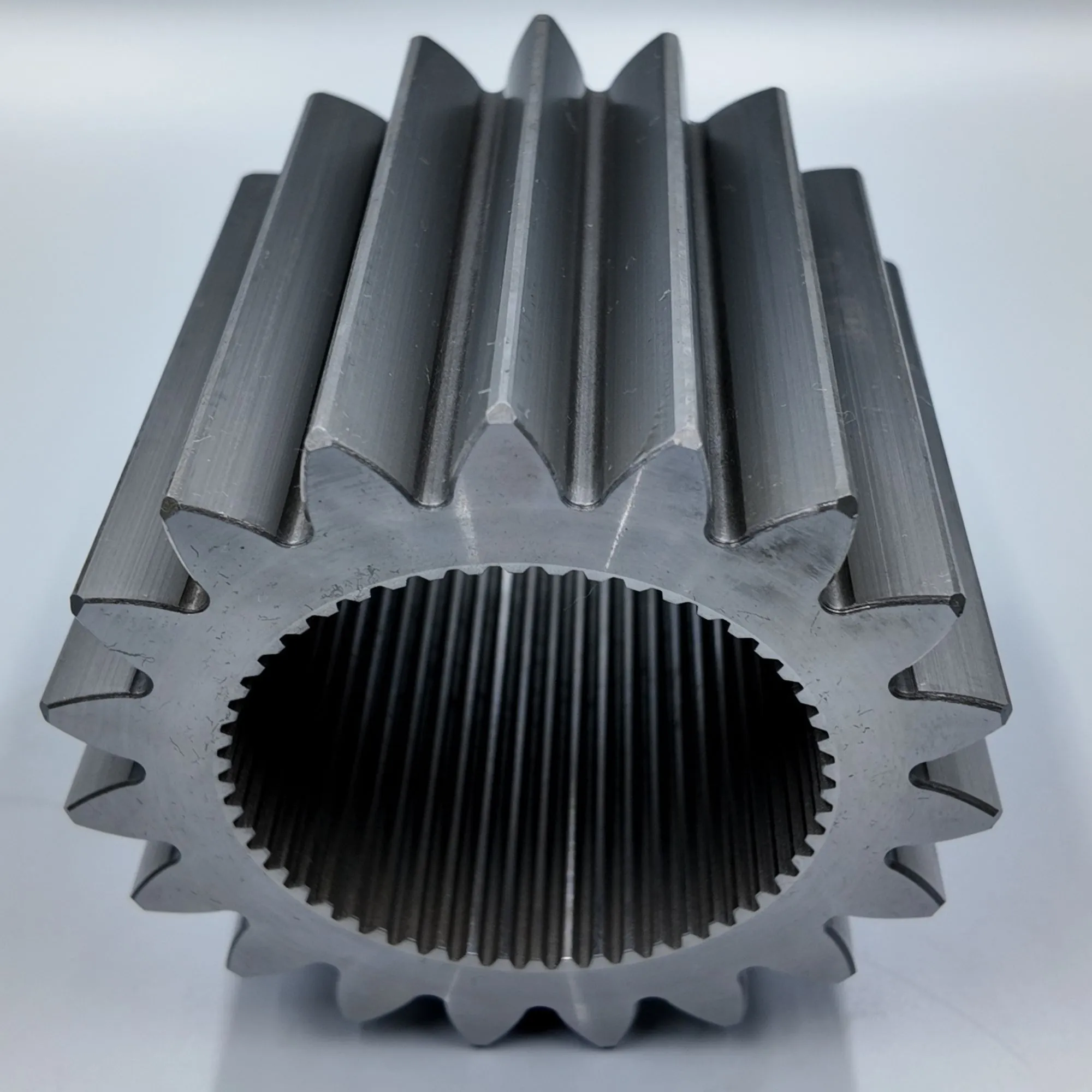 426-22-12421 •• GEAR-Komatsu Original Factory
 -
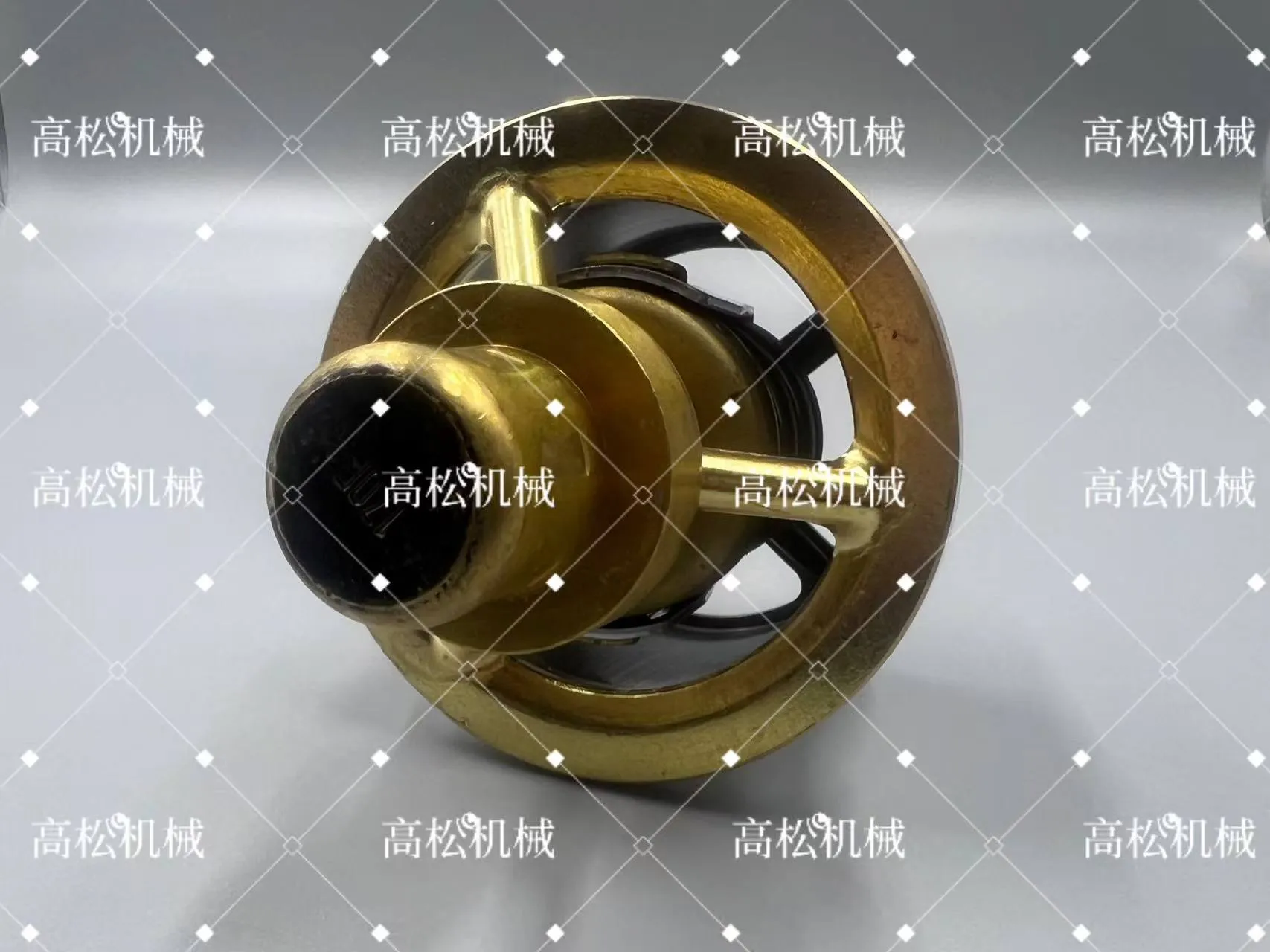 Metal motor thermostat 600-421-6630 for excavator, building machinery parts compatible with pc400-6
 -
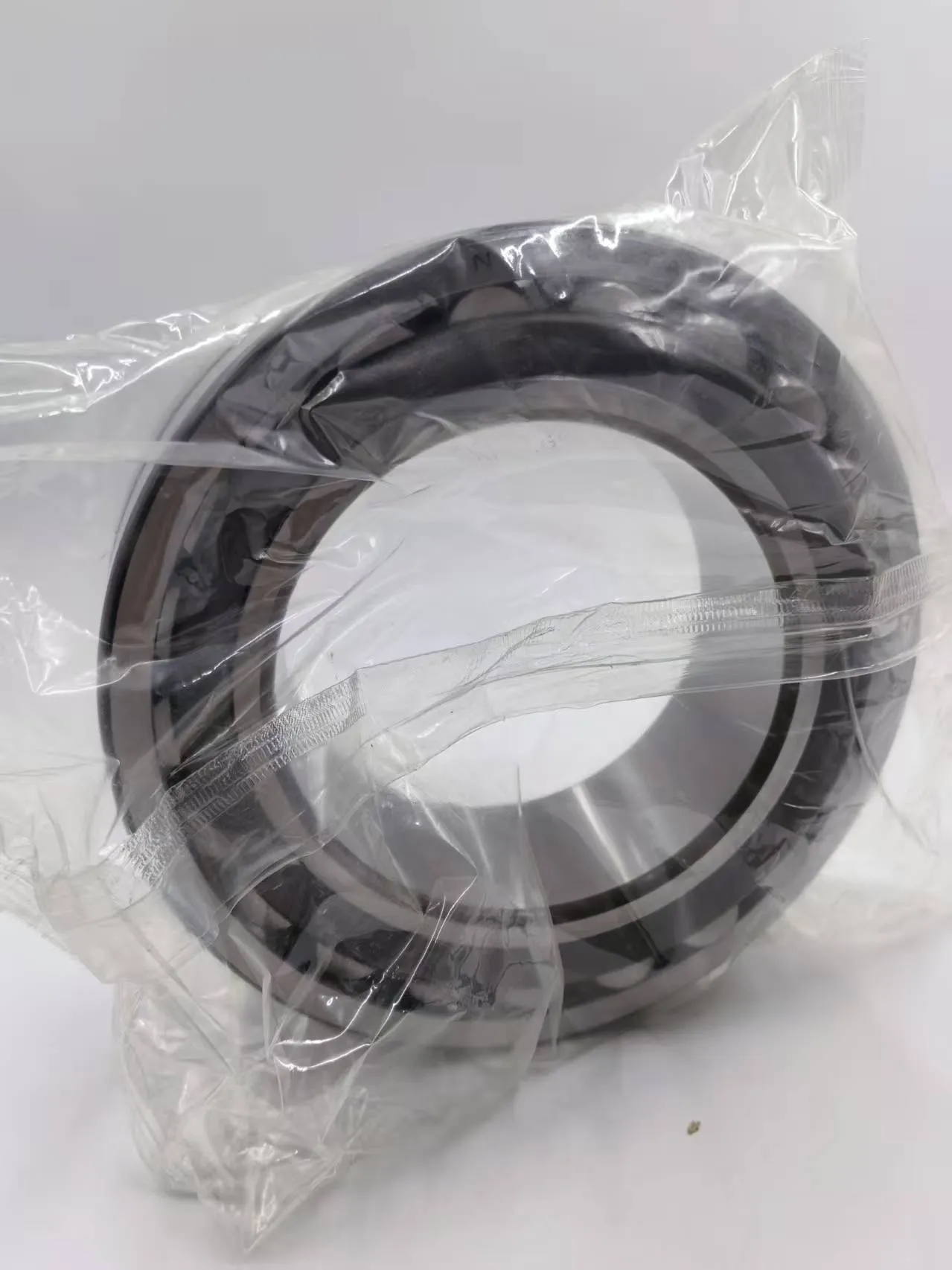 561-27-61960 for Komatsu HD785-5LC HD985-5
 -
 6156-71-1131 6156-71-1132 Fuel Injection Pump Compatible For Komatsu PC450-8 Excavator
 -
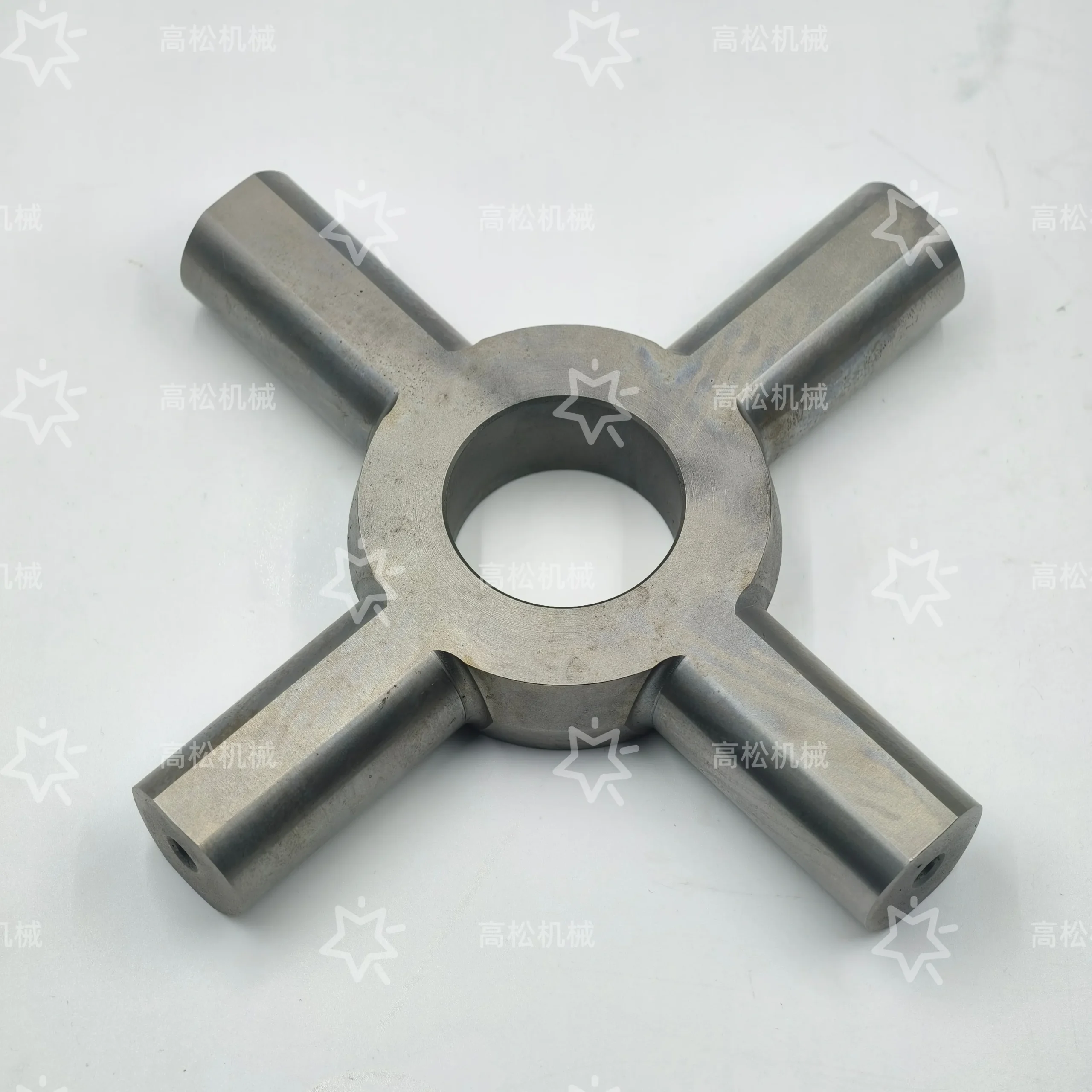 SHAFT 421-22-11440 for Komatsu WA300-3 WA320-3 WA380-3 WA430-3 WA470-3 WA450-3
 -
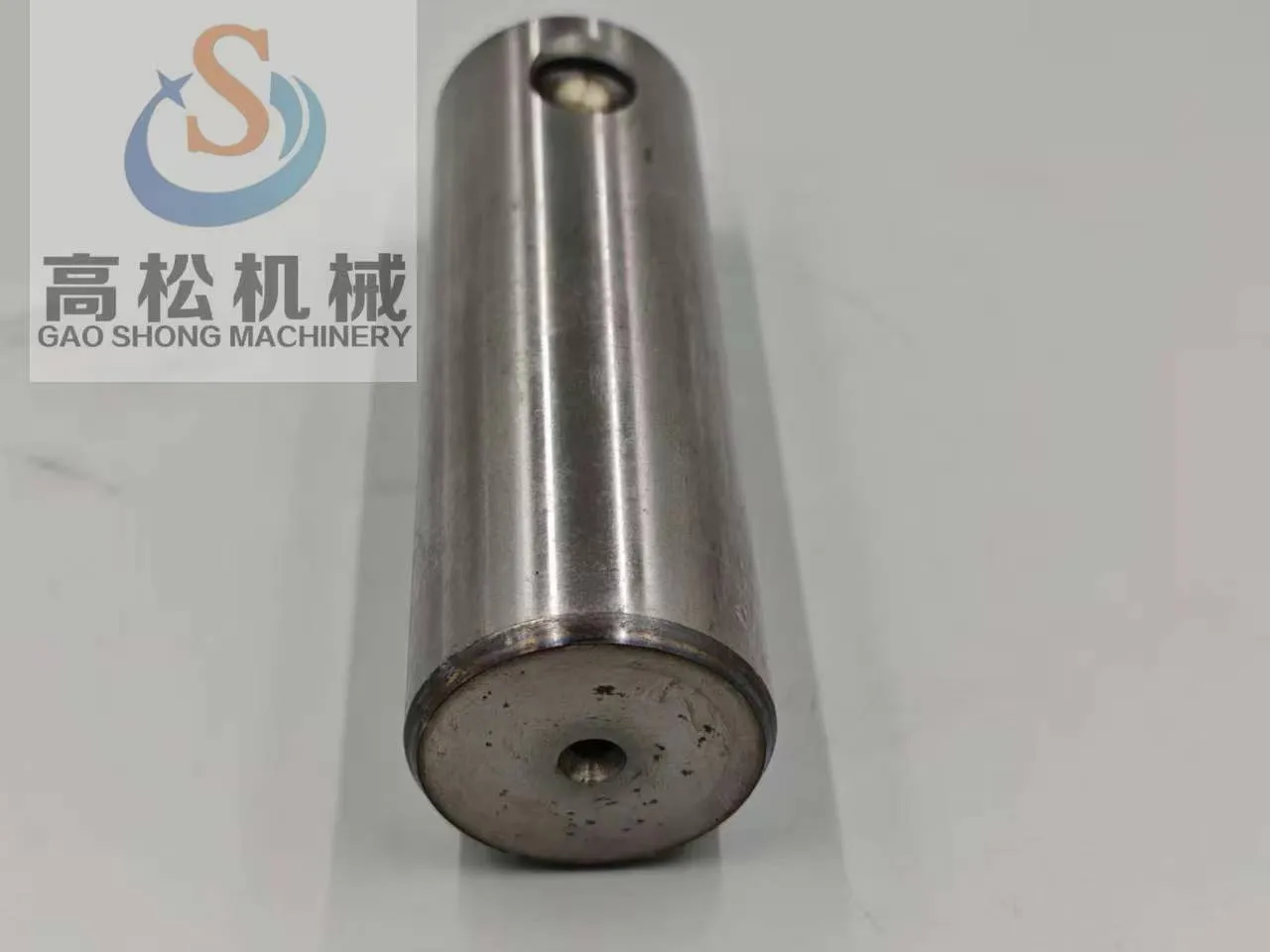 High quality new finger – pin 424-22-12510 for komatsu hm350-2 hm400-2 articulated dump truck
 -
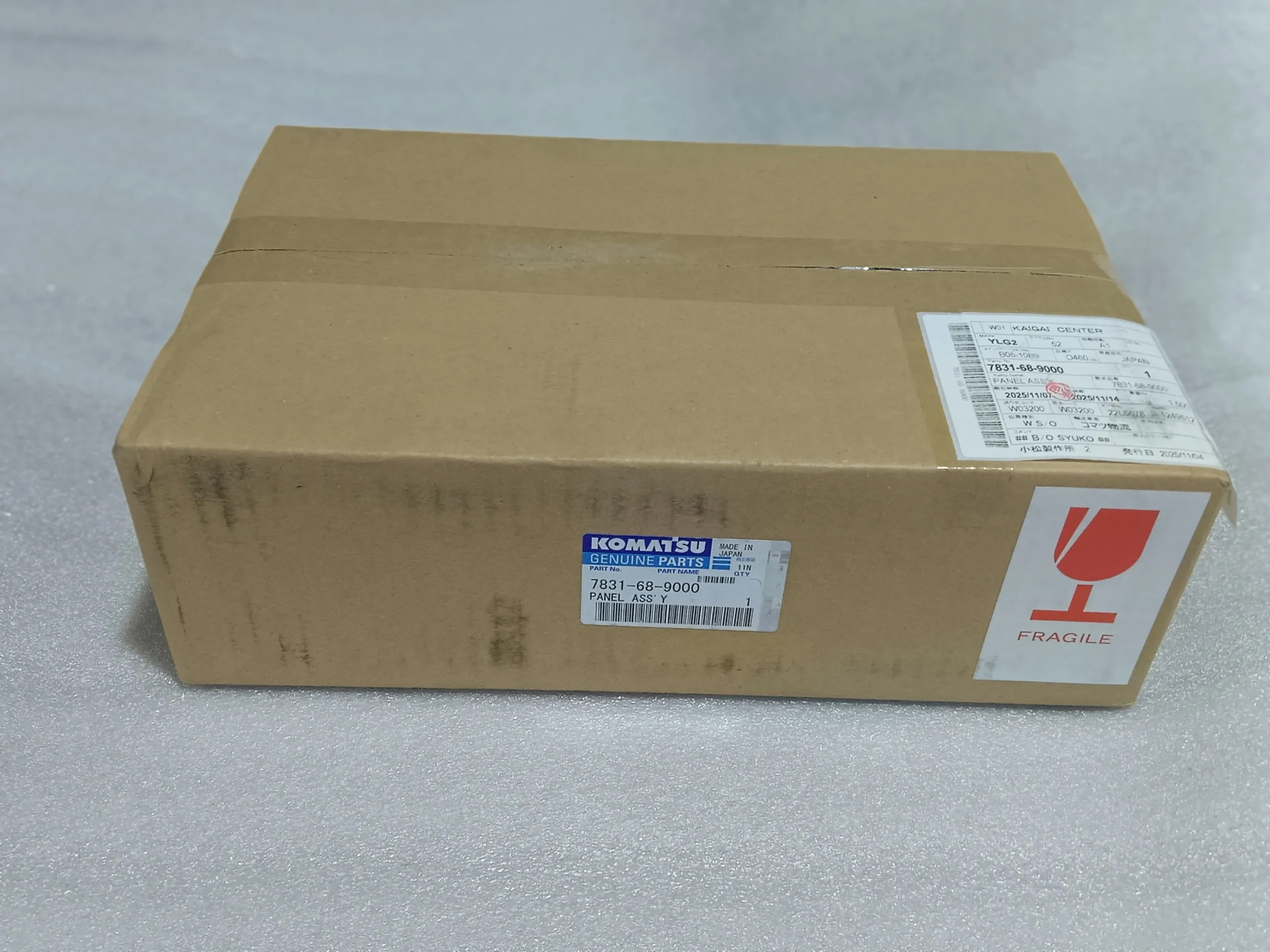 7831-68-9000 PANEL ASS’Y
 -
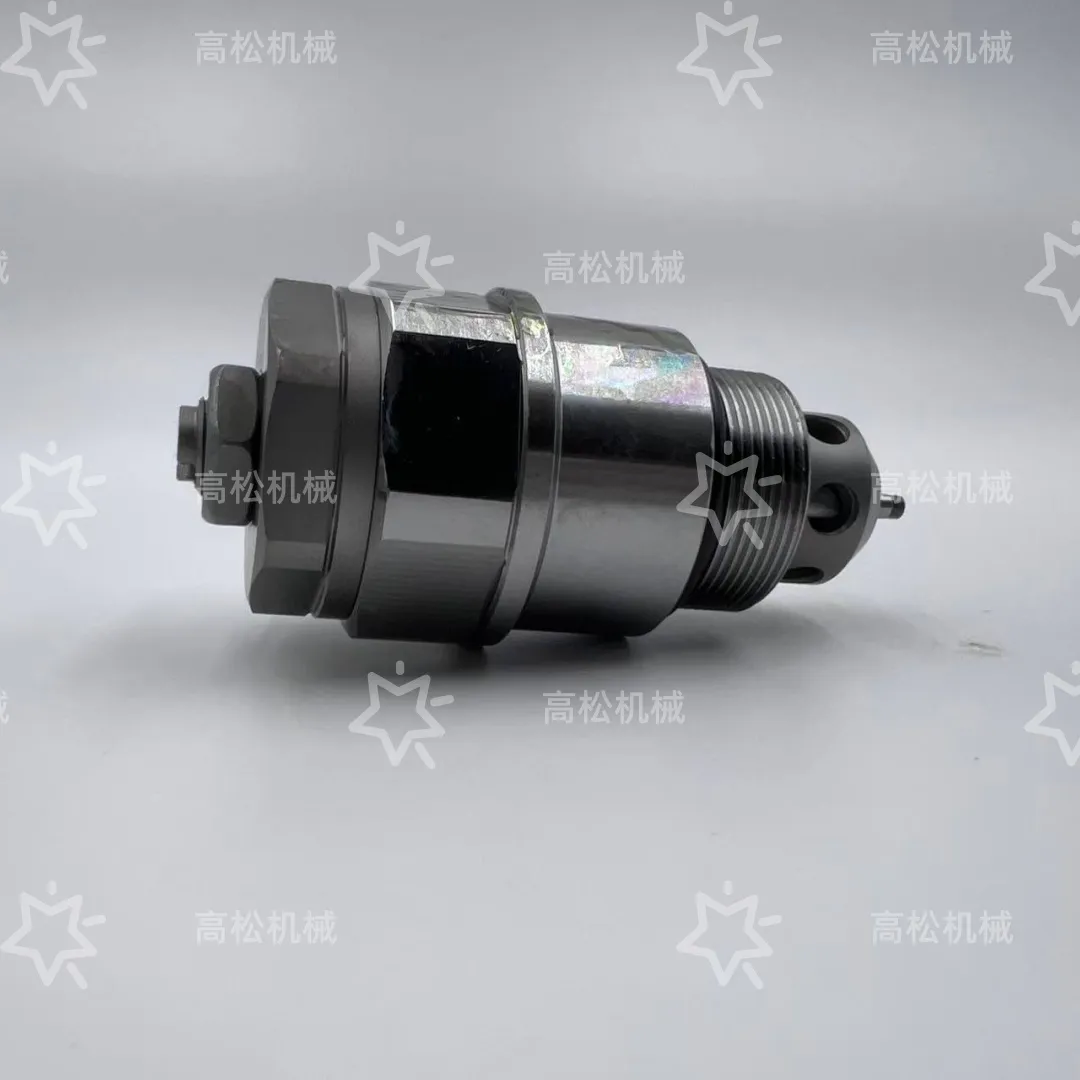 709-90-71700 Valve Assembly, Suction and Relief Komatsu
 -
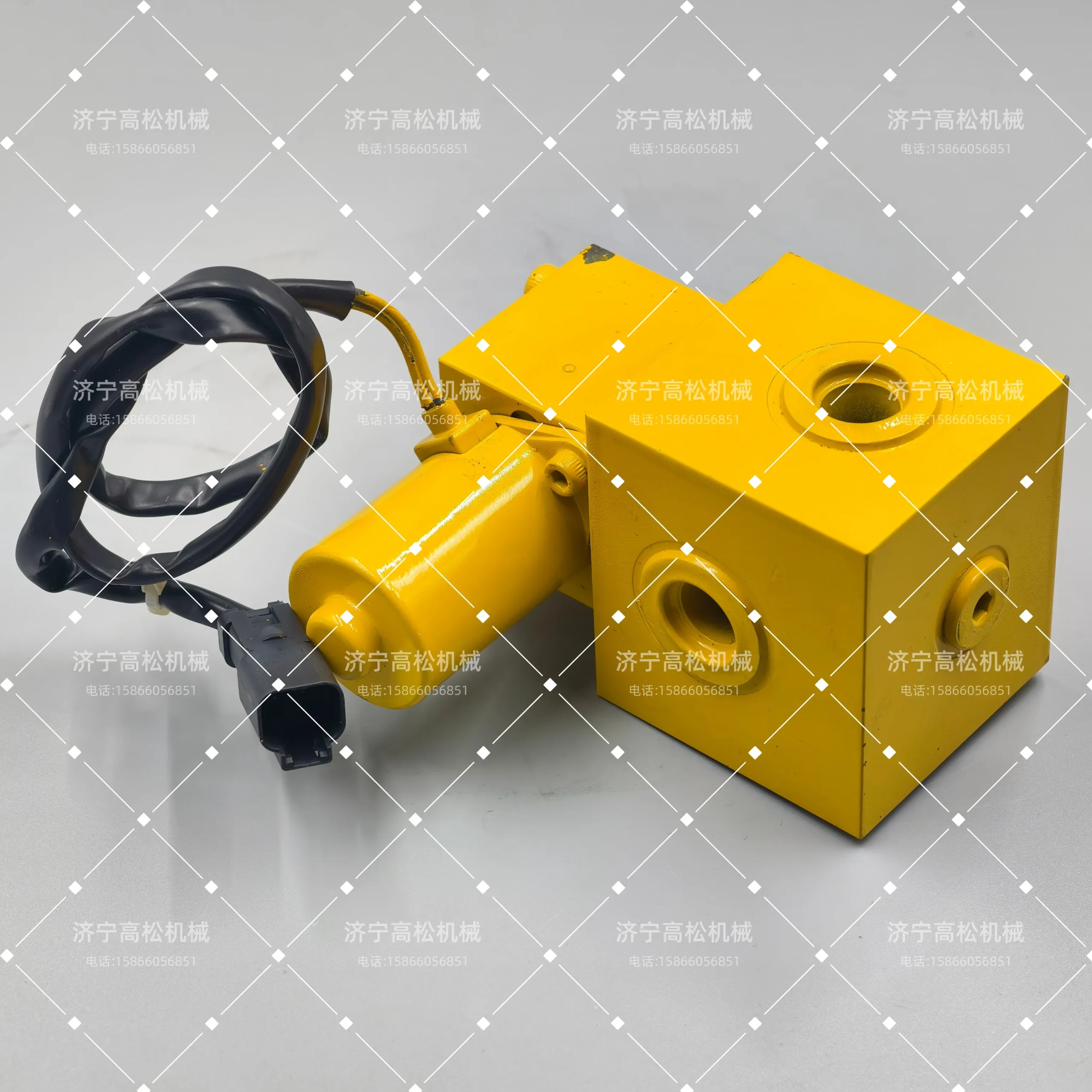 209-60-77220 Komatsu Valve Assembly
 -
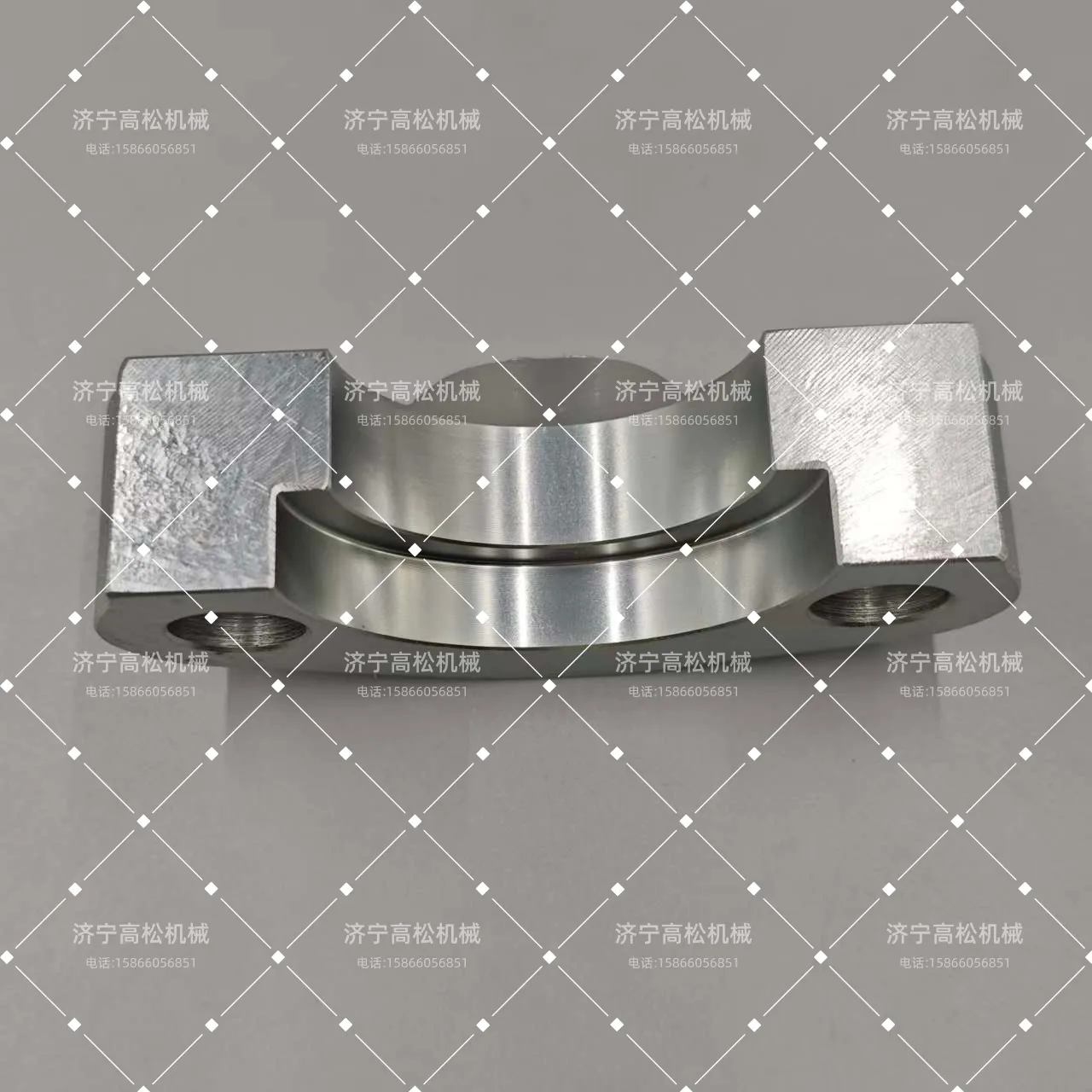 07371-51470 FLANGE
 -
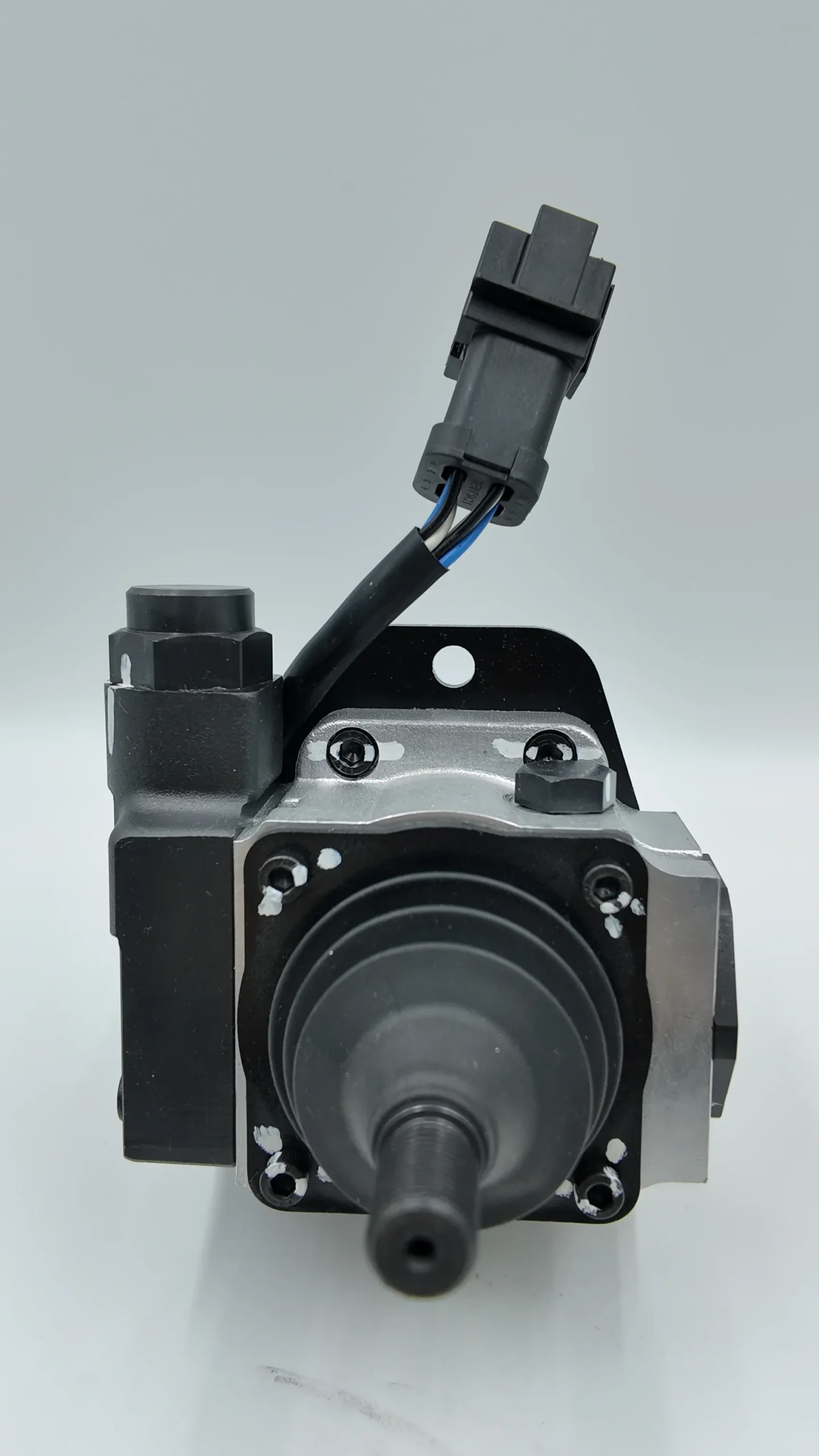 702-16-02290 LEVER ASS’Y-Komatsu Original Factory