
- Chinese
- French
- German
- Portuguese
- Spanish
- Russian
- Japanese
- Korean
- Arabic
- Irish
- Greek
- Turkish
- Italian
- Danish
- Romanian
- Indonesian
- Czech
- Afrikaans
- Swedish
- Polish
- Basque
- Catalan
- Esperanto
- Hindi
- Lao
- Albanian
- Amharic
- Armenian
- Azerbaijani
- Belarusian
- Bengali
- Bosnian
- Bulgarian
- Cebuano
- Chichewa
- Corsican
- Croatian
- Dutch
- Estonian
- Filipino
- Finnish
- Frisian
- Galician
- Georgian
- Gujarati
- Haitian
- Hausa
- Hawaiian
- Hebrew
- Hmong
- Hungarian
- Icelandic
- Igbo
- Javanese
- Kannada
- Kazakh
- Khmer
- Kurdish
- Kyrgyz
- Latin
- Latvian
- Lithuanian
- Luxembou..
- Macedonian
- Malagasy
- Malay
- Malayalam
- Maltese
- Maori
- Marathi
- Mongolian
- Burmese
- Nepali
- Norwegian
- Pashto
- Persian
- Punjabi
- Serbian
- Sesotho
- Sinhala
- Slovak
- Slovenian
- Somali
- Samoan
- Scots Gaelic
- Shona
- Sindhi
- Sundanese
- Swahili
- Tajik
- Tamil
- Telugu
- Thai
- Ukrainian
- Urdu
- Uzbek
- Vietnamese
- Welsh
- Xhosa
- Yiddish
- Yoruba
- Zulu
- Kinyarwanda
- Tatar
- Oriya
- Turkmen
- Uyghur






6d105 komatsu engine
When you hear '6D105 Komatsu engine', the immediate image is that of a workhorse, a reliable mid-range diesel powering a fleet of Komatsu excavators and dozers. But that's just the surface. In the field, the conversation quickly shifts from the model number to the real-world quirks—fuel system sensitivities, the specific torque curve that operators either love or find limiting, and the ongoing battle against carbon buildup in certain applications. It's not just an engine; it's a set of known variables, each with its own maintenance story.
The Core Identity and Common Pitfalls
The 6D105 is a six-cylinder, direct injection diesel, and its reputation for durability is well-earned. However, a common trap, especially for those sourcing replacements or major components, is assuming all 6D105 parts are created equal. The engine went through subtle iterations. The early 90s models had slight differences in the water pump mounting flange compared to the late 90s/early 2000s units. It's a millimeter-level discrepancy that can halt a rebuild if you're not paying attention. You can't just order a '6D105 water pump' and expect it to fit; you need the serial number prefix.
Another frequent point of confusion is the turbocharger. People see the Komatsu engine tag and assume it's a Komatsu-made turbo. It's not. It's usually a Hitachi or Mitsubishi unit spec'd by Komatsu. Sourcing a replacement means matching the turbo model number, not just the engine model. I've seen mechanics waste days because they insisted on a genuine Komatsu turbo for a 6D105, when the correct, and often more available, path was the OEM turbo manufacturer's part.
This is precisely where the role of specialized suppliers becomes critical. A company like Jining Gaosong Construction Machinery Co., Ltd. operates in this nuanced space. Being an OEM product supplier within the Komatsu system means they understand these lineage details. Their work, which you can see outlined on their portal at https://www.takematsumachinery.com, isn't just about selling parts; it's about solving the fitment puzzle, especially in regions where the official channel is thin or slow. Their description of helping to solve parts supply challenges in certain countries rings true—it's about bridging the gap between the broad model number and the exact serial-number-specific component.
Fuel System: The Delicate Balance
If there's one system that defines the health of a 6D105 Komatsu, it's the fuel injection. The rotary injection pump is robust but intolerant of poor fuel quality. In markets with dubious diesel standards, the first casualty is often the pump's precision and the injector nozzles. The failure mode isn't always catastrophic seizure; it's a gradual loss of power, increased smoke, and rough idle that gets blamed on a dozen other things first.
We learned this the hard way on a fleet of HD325-6 trucks. We were chasing a persistent 5% power loss across three units. Replaced air filters, checked valve clearance, even swapped turbos between machines. The breakthrough came when we finally pulled the injectors and sent them to a shop with a proper test bench. The spray patterns were all wrong—dripping, not atomizing. The root cause? A consistently bad batch of fuel from a local supplier that had passed through the primary filters but was slowly grinding away at the injectors. The fix was a full injector set and a strict fuel sourcing and filtration protocol. It was a costly lesson in not overlooking the basics.
This ties back to the parts challenge. A genuine Komatsu injector for the 6D105 engine is the gold standard, but lead times can be prohibitive. This creates a market for quality aftermarket or remanufactured units. The key is the supplier's credibility. Do they test and match the pop pressure? Do they provide the correct sealing washers and copper gaskets? A supplier embedded in the Komatsu ecosystem, like the aforementioned Gaosong, often has better access to both genuine and validated alternative sources, providing a practical solution rather than just a boxed part.
Cooling and the Overlooked Ancillaries
People focus on the big blocks and the turbo, but the Komatsu 6D105 lives or dies by its cooling system. It's a high-flow, high-pressure system designed for the dust and heat of a quarry. The radiator cores are dense, and they clog with a combination of dust, chaff, and bugs with alarming efficiency. I've witnessed more overheating incidents caused by a half-clogged radiator than by a failing water pump.
The fan clutch is another silent killer. It's a viscous unit, and when it starts to fail, it often doesn't make noise—it just stops engaging properly. The engine temperature will creep up under load, then seem fine at idle. You'll bleed the system, check the thermostat, and scratch your head. Replacing a perfectly good thermostat is a common, wasteful reaction. The diagnostic trick is to check the fan resistance when the engine is hot. If you can (safely!) stop the fan with a rolled-up rag when the coolant is at 90°C, that clutch is gone.
Sourcing these ancillary parts is a perfect example of where a third-party sales company proves its worth. An official Komatsu dealer might only sell the entire fan assembly. A specialist supplier, understanding the need for cost-effective maintenance, will often stock the viscous clutch as a separate item, or a high-quality aftermarket radiator that matches the original core dimensions and port locations. This targeted approach to parts supply is what keeps older 6D105 engines running economically.
The Aftermarket and Rebuild Realities
Eventually, every 6D105 faces a major overhaul. This is where the waters get murky. Full rebuild kit is a term with wildly varying definitions. A quality kit should include main and rod bearings, thrust washers, a full gasket set, valve stem seals, piston rings, and often the liner seals. But I've opened kits that omitted the critical rear main seal or included generic head bolts instead of the required torque-to-yield bolts. Using the wrong bolts is a guaranteed path to a blown head gasket down the line.
The cylinder liners themselves are a topic of debate. The Komatsu engine uses wet liners. At rebuild, do you re-use the original liners if they're within spec? Some shops insist on always replacing them for a like-new build. Others, myself included, will meticulously measure them. If the bore is true and the wear is minimal, honing and re-using the original Komatsu liners with new piston rings can yield a fantastic, long-lasting result. It's a judgment call based on measurement, not dogma.
This complexity is why having a reliable parts conduit is invaluable. A supplier that is both an OEM partner and an independent solver, as described by Jining Gaosong, is positioned to navigate this. They can provide the genuine Komatsu liner set if that's the requirement, or they can vet and supply a compatible aftermarket kit that includes all the correct, grade-specific fasteners. Their value isn't just in inventory, but in the technical specificity behind it, ensuring the part number matches not just the engine model, but the rebuild scenario.
Legacy and Operational Philosophy
The 6D105 Komatsu isn't the newest or the most high-tech engine on the market, and that's its strength. Its design is straightforward, mechanical, and diagnosable with a multimeter and a mechanical pressure gauge. In a world increasingly dominated by electronic control units and complex emissions systems, there's a enduring demand for this kind of mechanical reliability. It powers equipment that can't afford weeks of downtime waiting for a specialist with a proprietary diagnostic laptop.
Operating these engines successfully requires a mindset shift from replace at first sign of trouble to understand and maintain. Monitoring oil consumption trends, tracking coolant pH, and listening for subtle changes in exhaust note are more valuable than any fault code. It's about preventative care based on observation. This philosophy extends to parts procurement. It's not about finding the cheapest option; it's about finding the correct and reliable option that aligns with the engine's operational history and future duty cycle.
In the end, the story of the 6D105 engine is one of sustained service. Its continued operation around the globe is supported not just by Komatsu's original engineering, but by a network of professionals and specialized suppliers who understand its nuances. Companies that fill the gaps in the supply chain, providing authentic OEM parts and validated alternatives where they make sense, are integral to this ecosystem. They enable these mechanical workhorses to keep running, long after their original warranty has faded, proving that good support is as timeless as the design itself.
Related Products
Related Products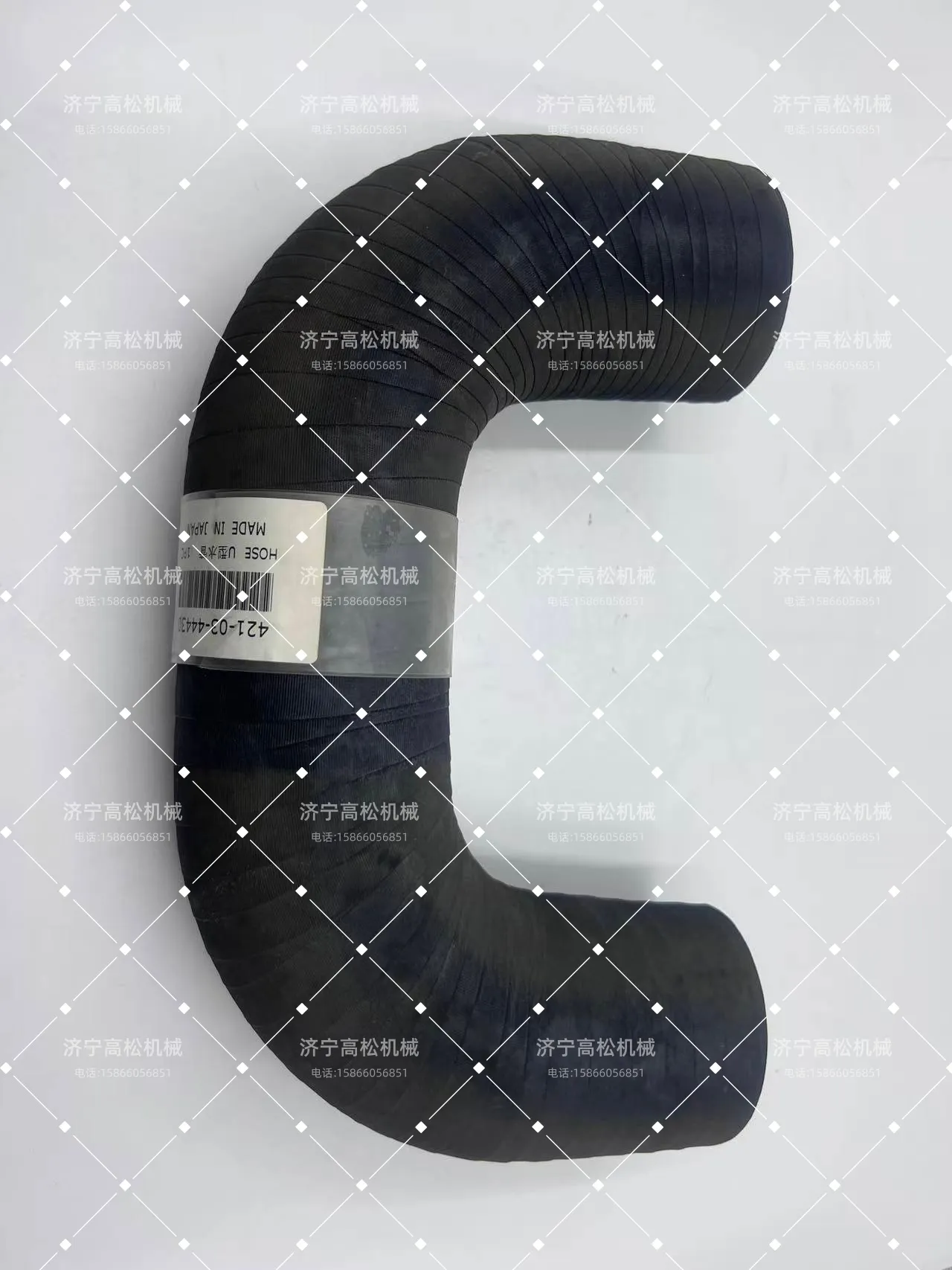
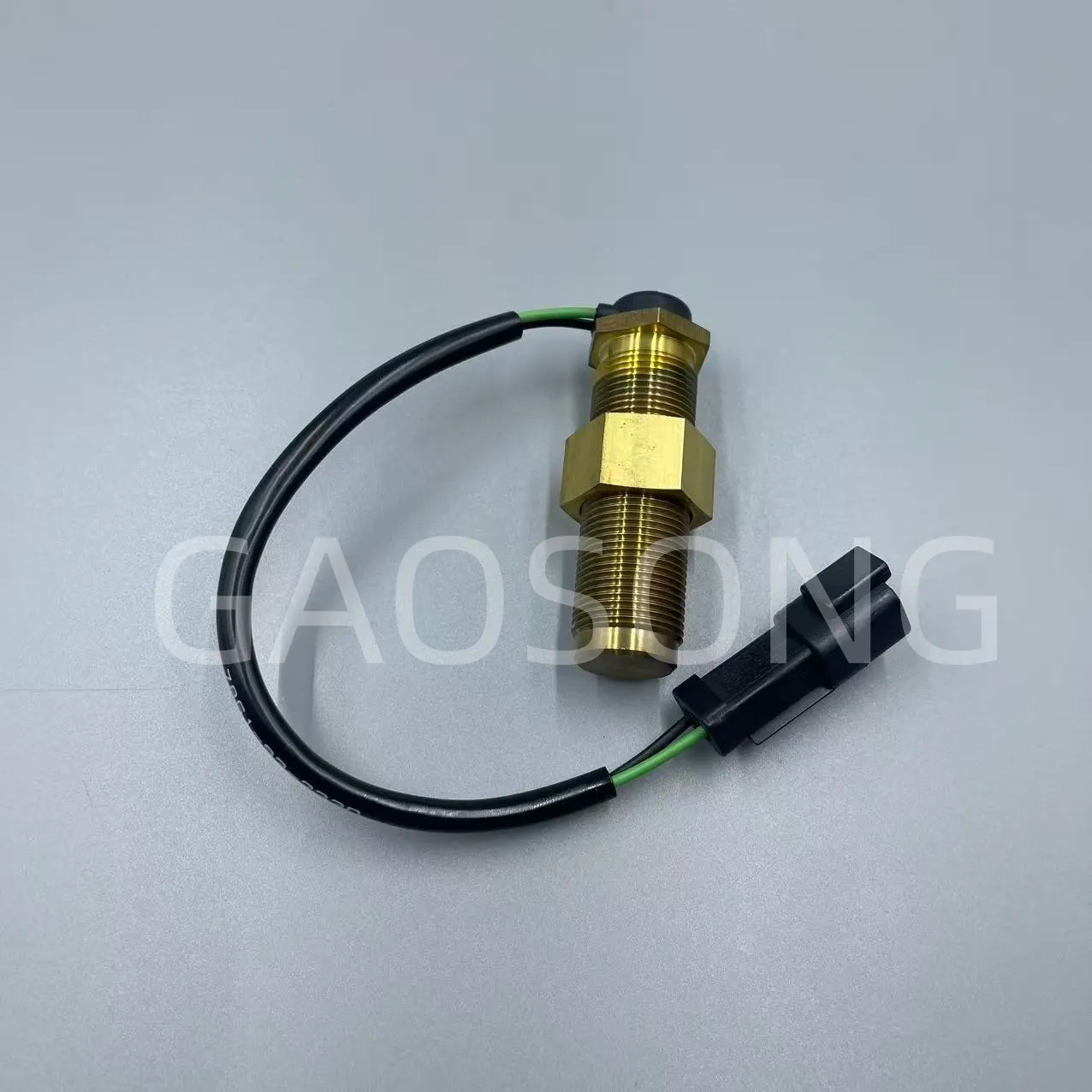
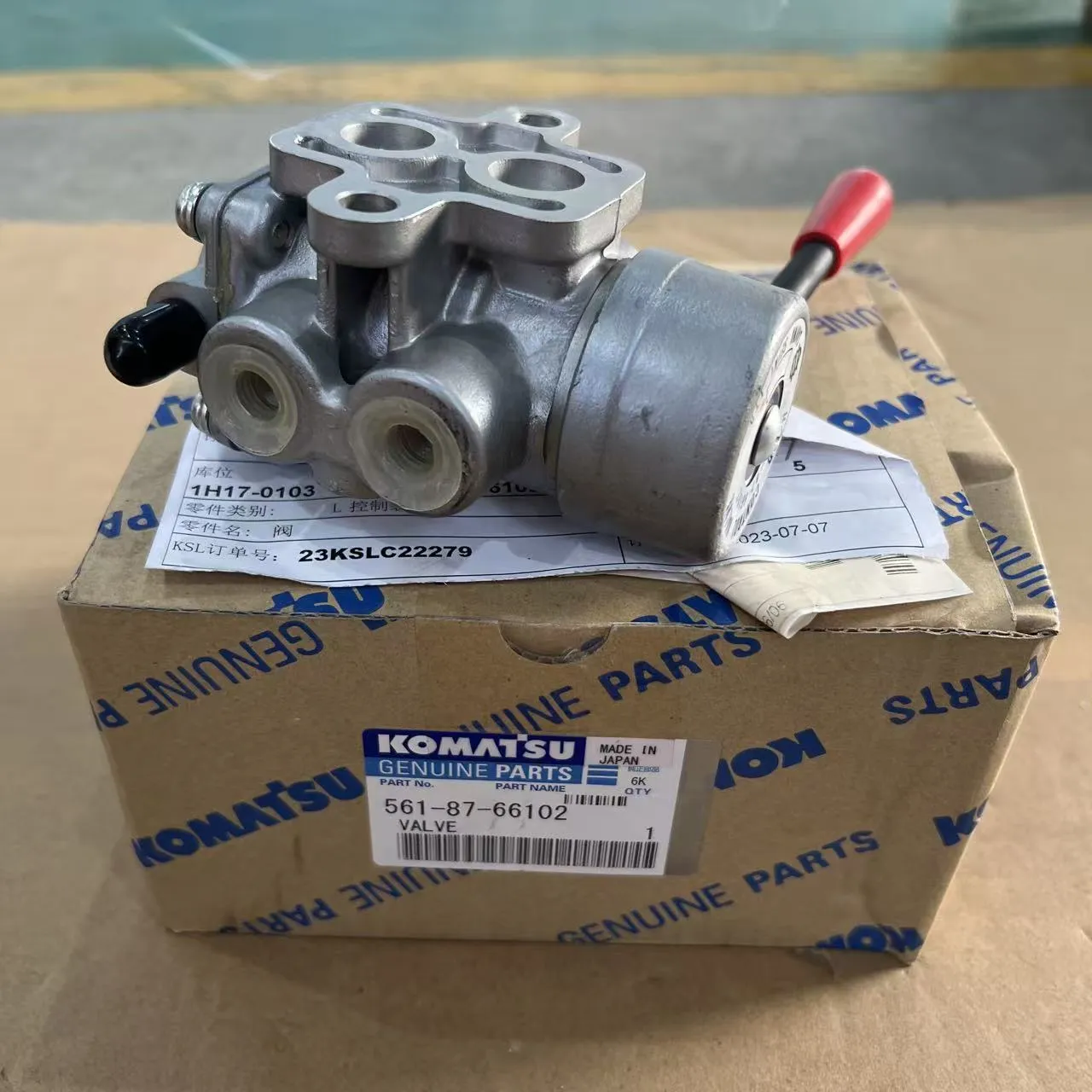
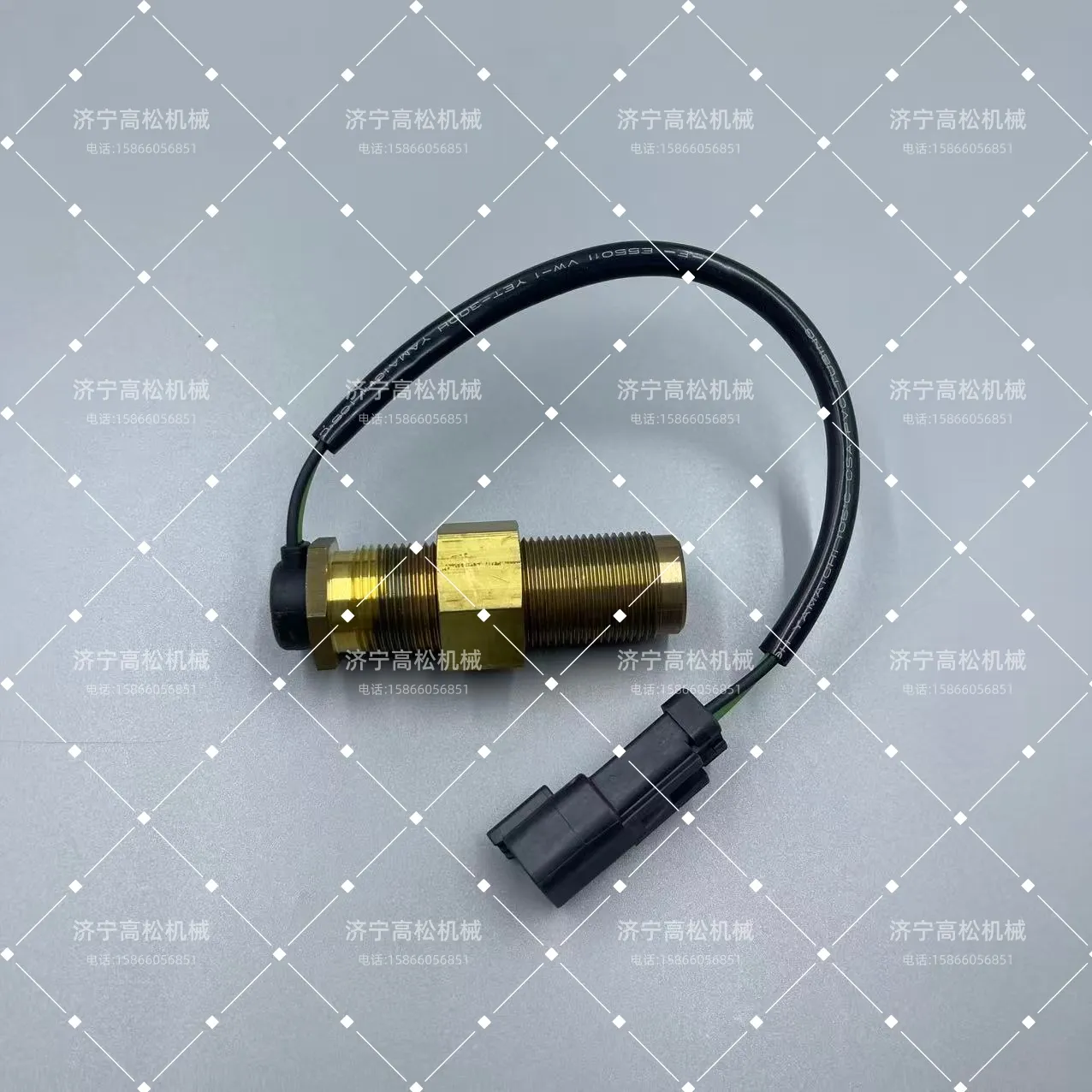

Best Selling Products
Best Selling Products-
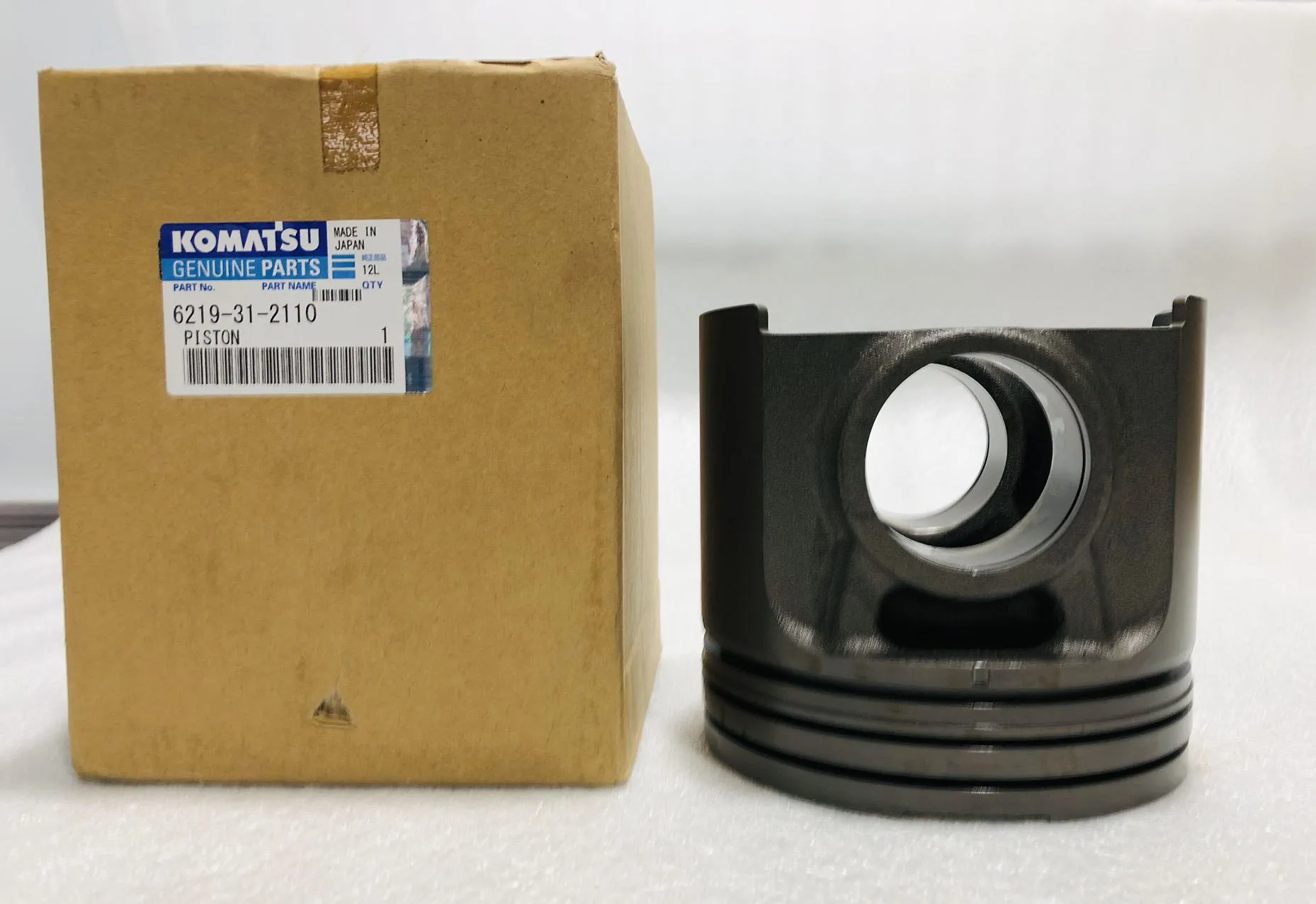 6219-31-2110 PISTON–Komatsu Original Factory
 -
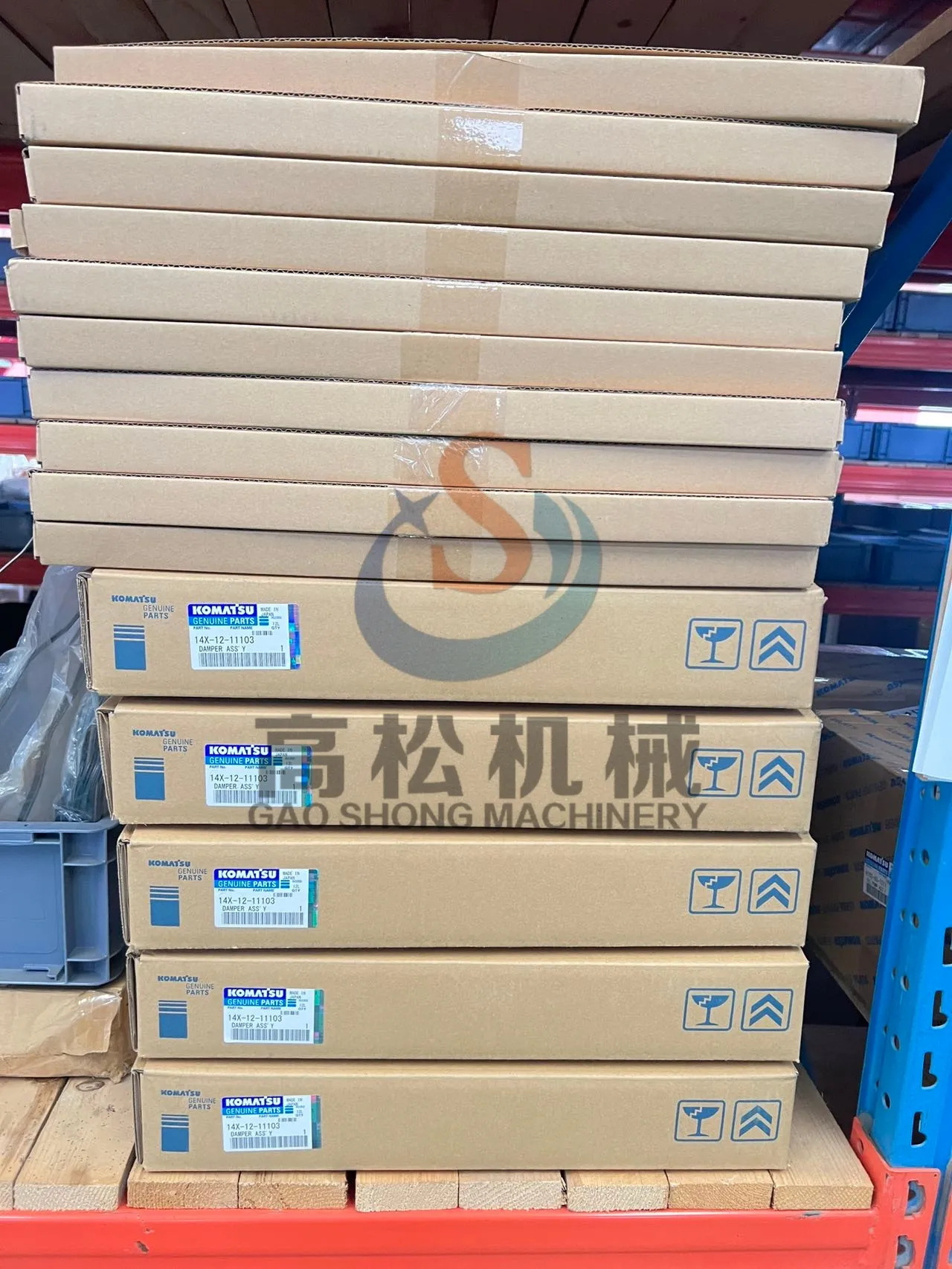 14X-12-11103 Komatsu Damper Disc Assembly
 -
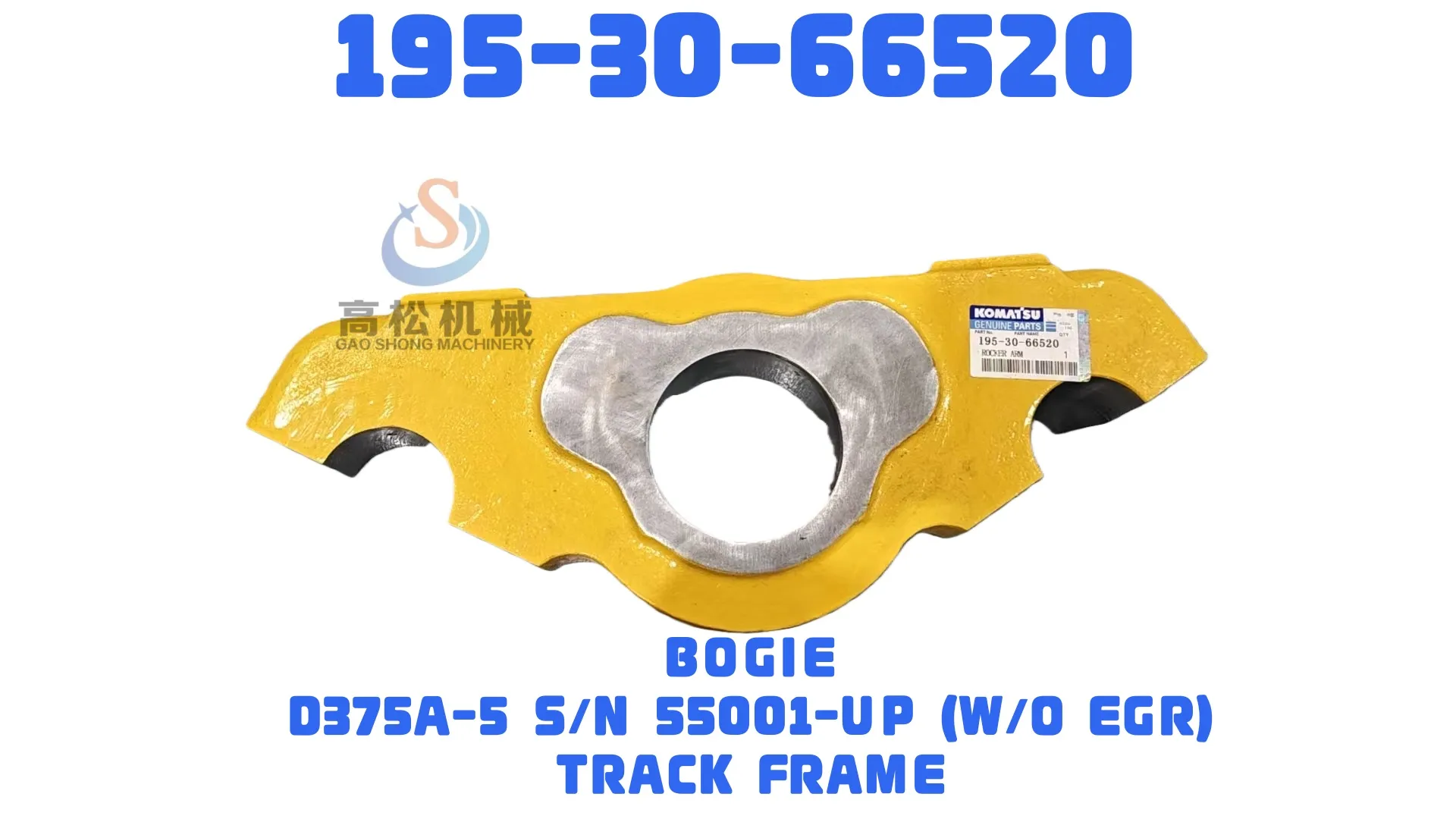 195-30-66520 – Bogie
 -
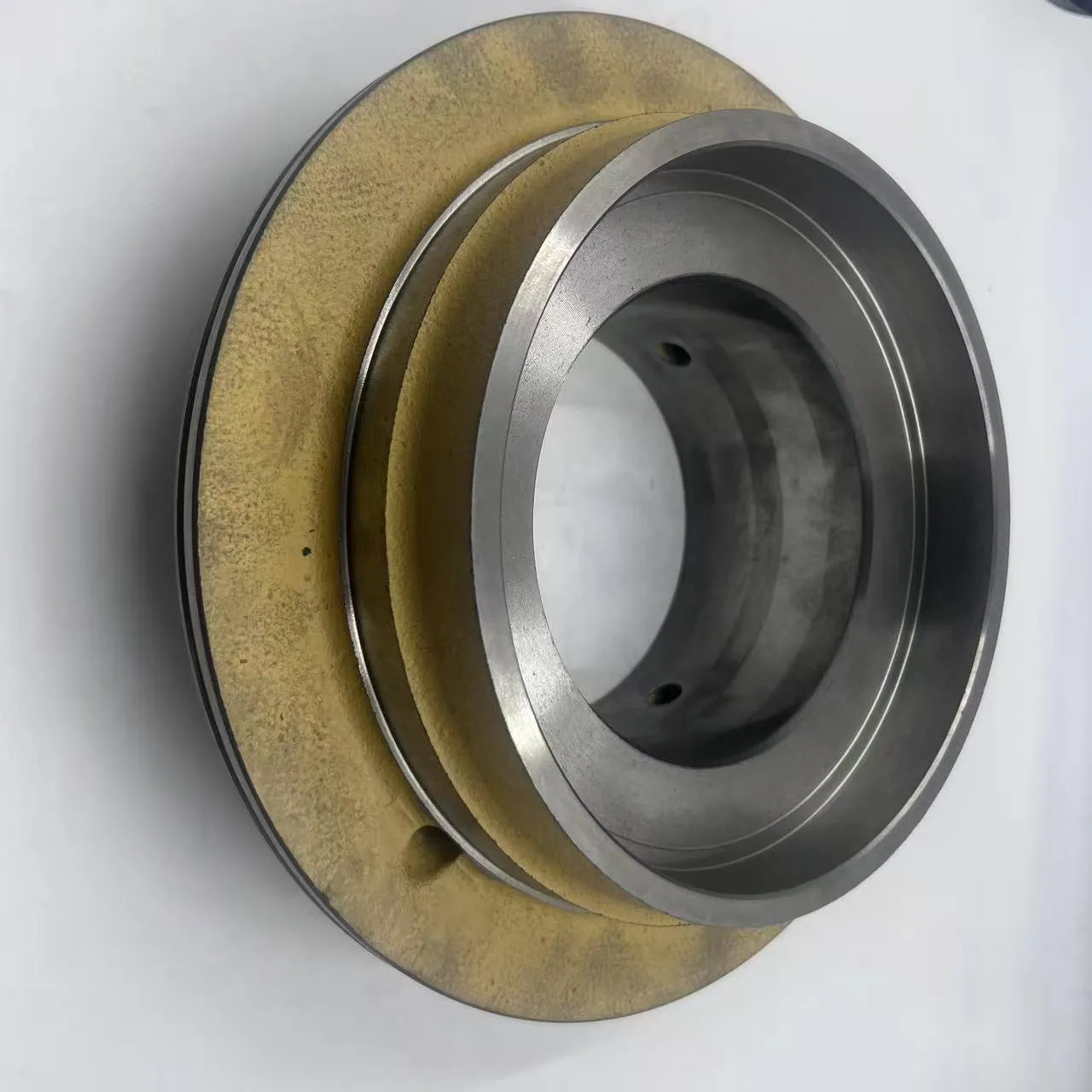 17A-22-11132 Komatsu Cylinder
 -
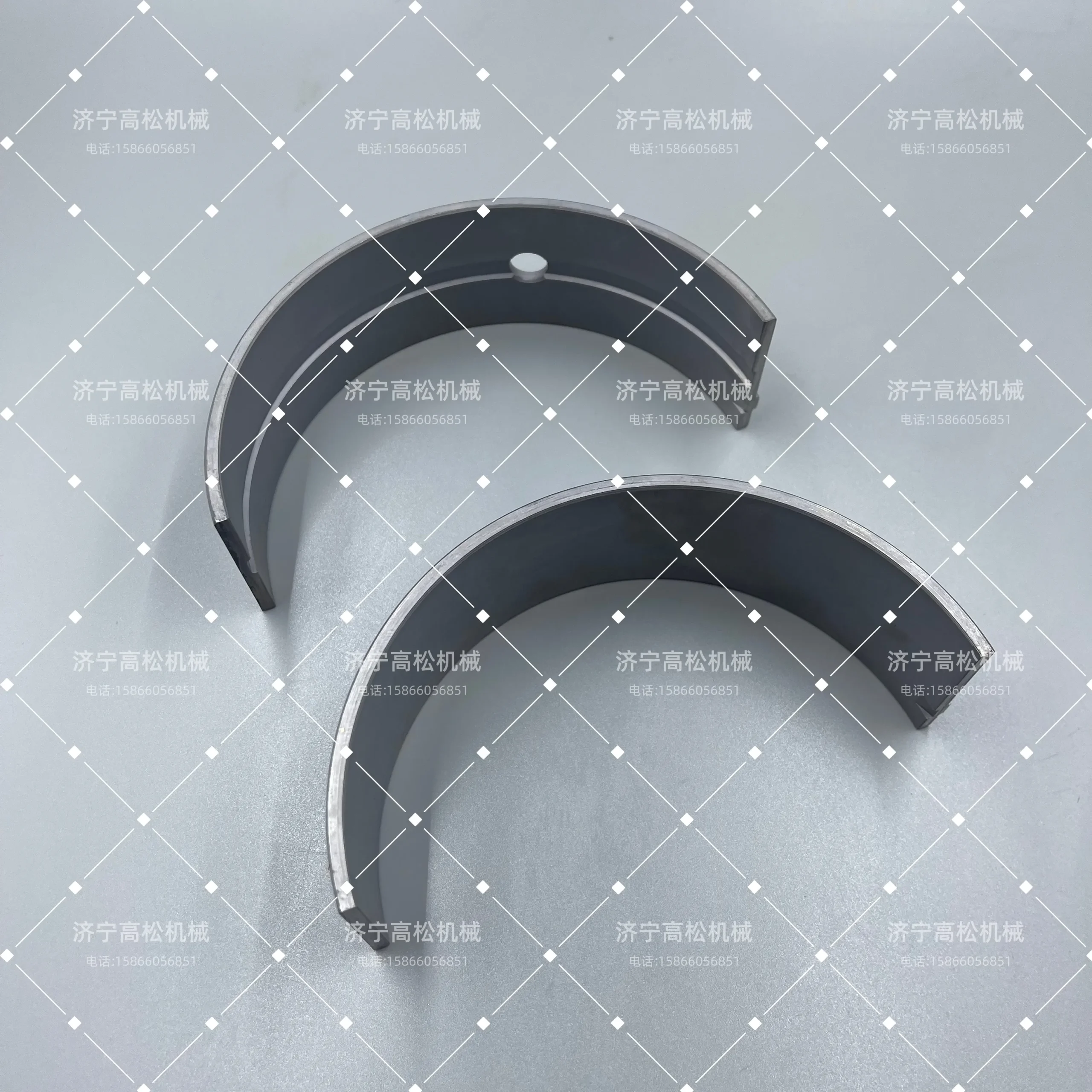 Komatsu Main Bearing STD – 6162-23-8010
 -
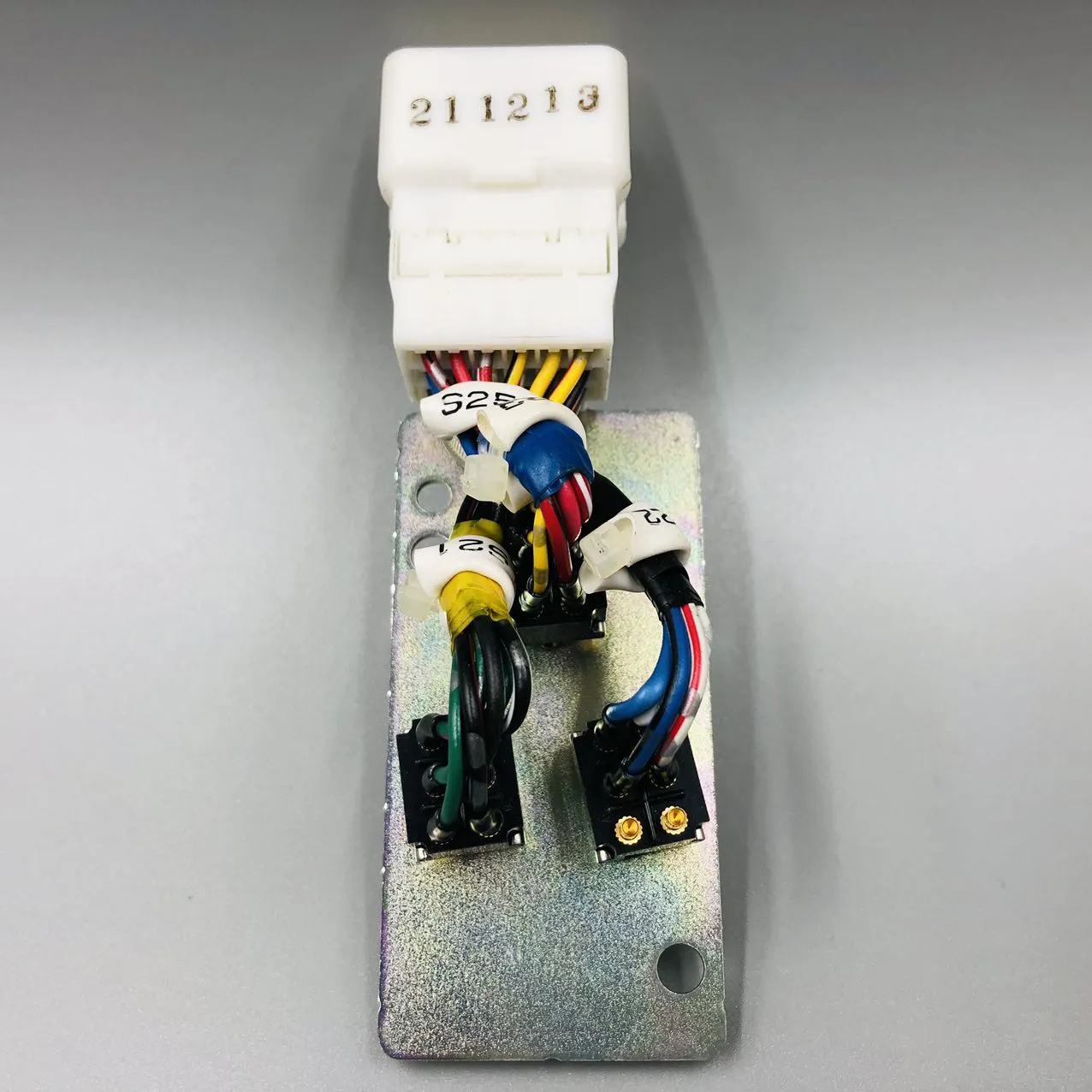 PC300-7 PC350-7 Switch Assy 22U-06-22370
 -
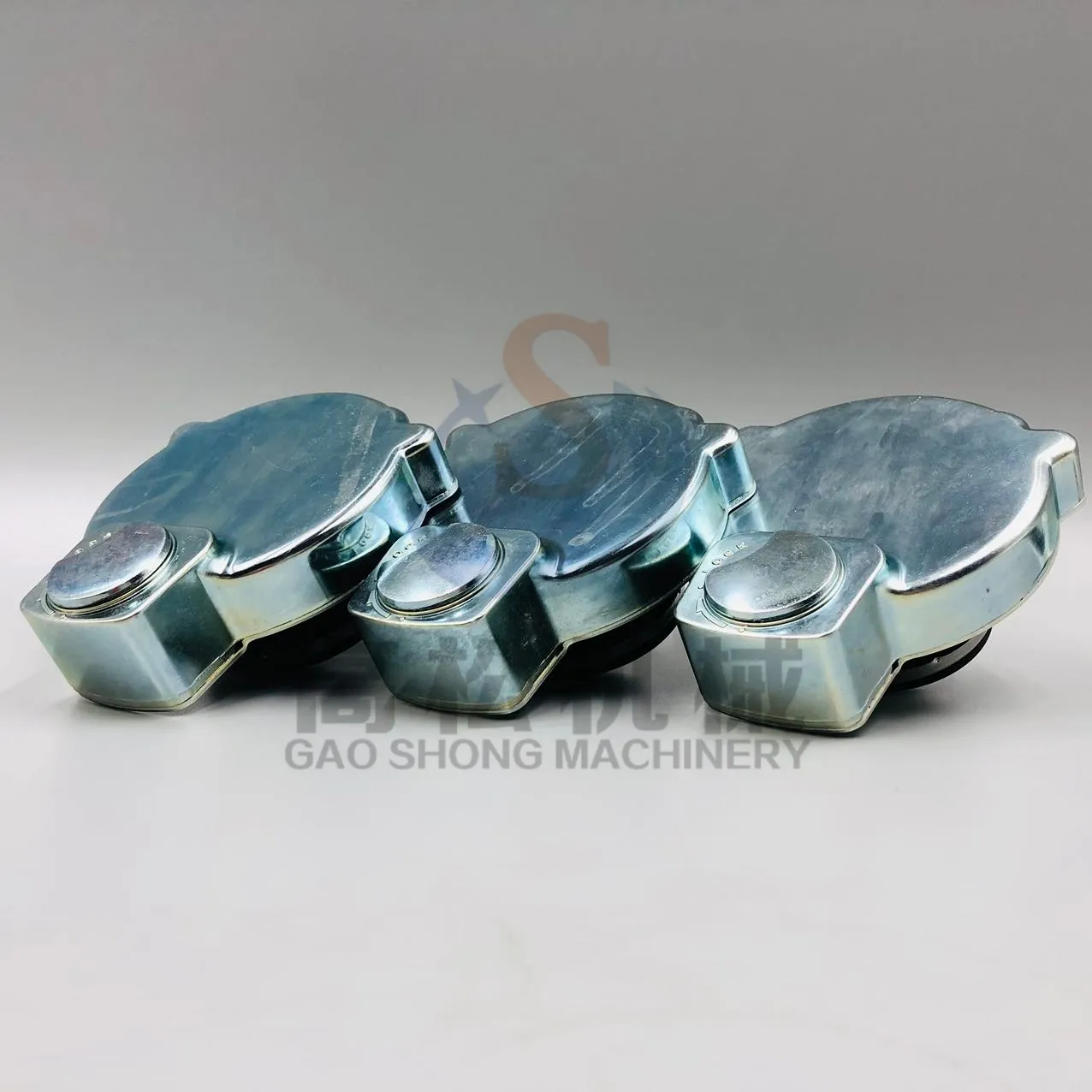 Komatsu fuel tank cap 17A-60-11310
 -
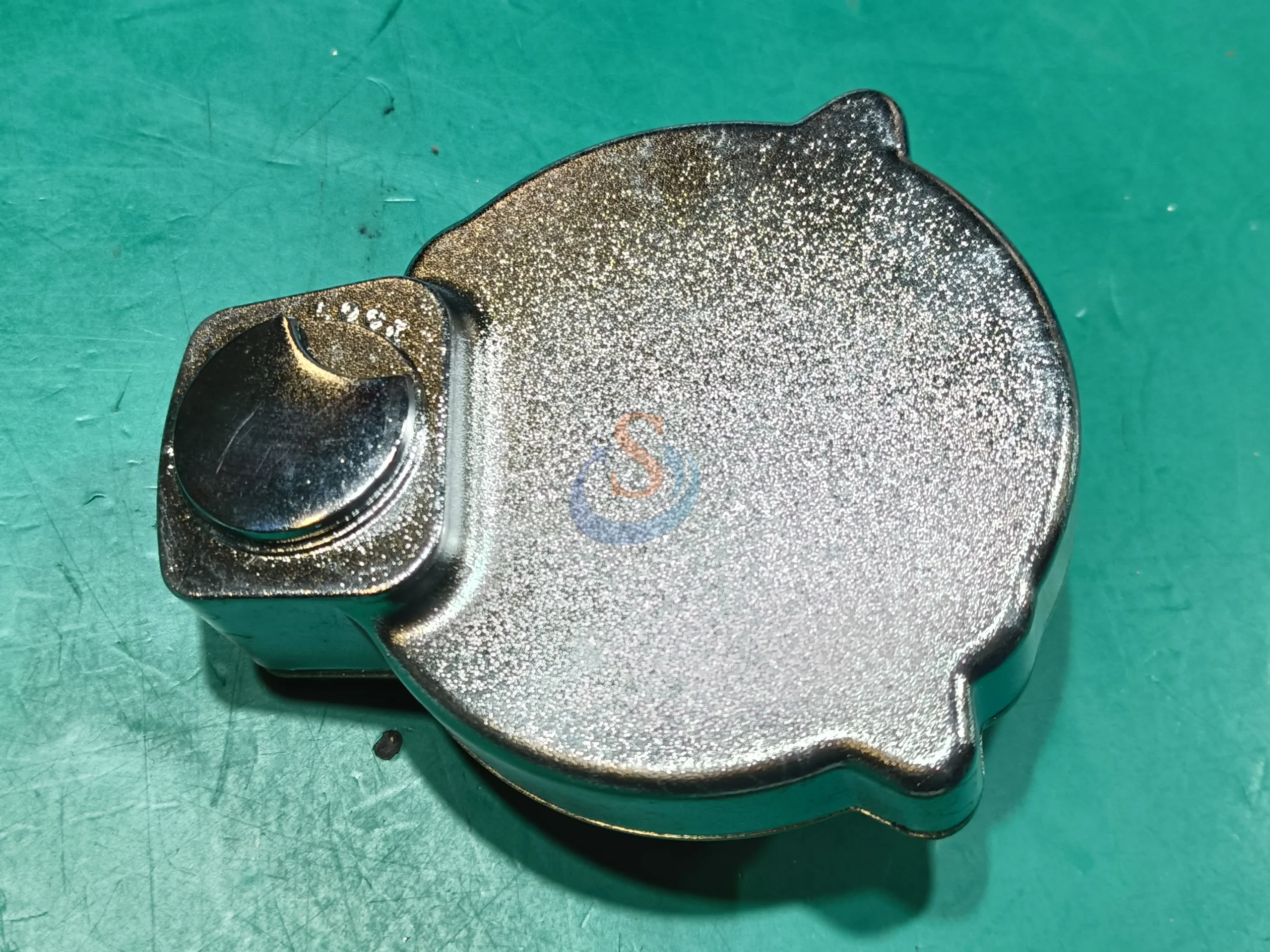 14X-60-31130,CAP,D31EX,D37EX,D65WX,D65PX,PC70
 -
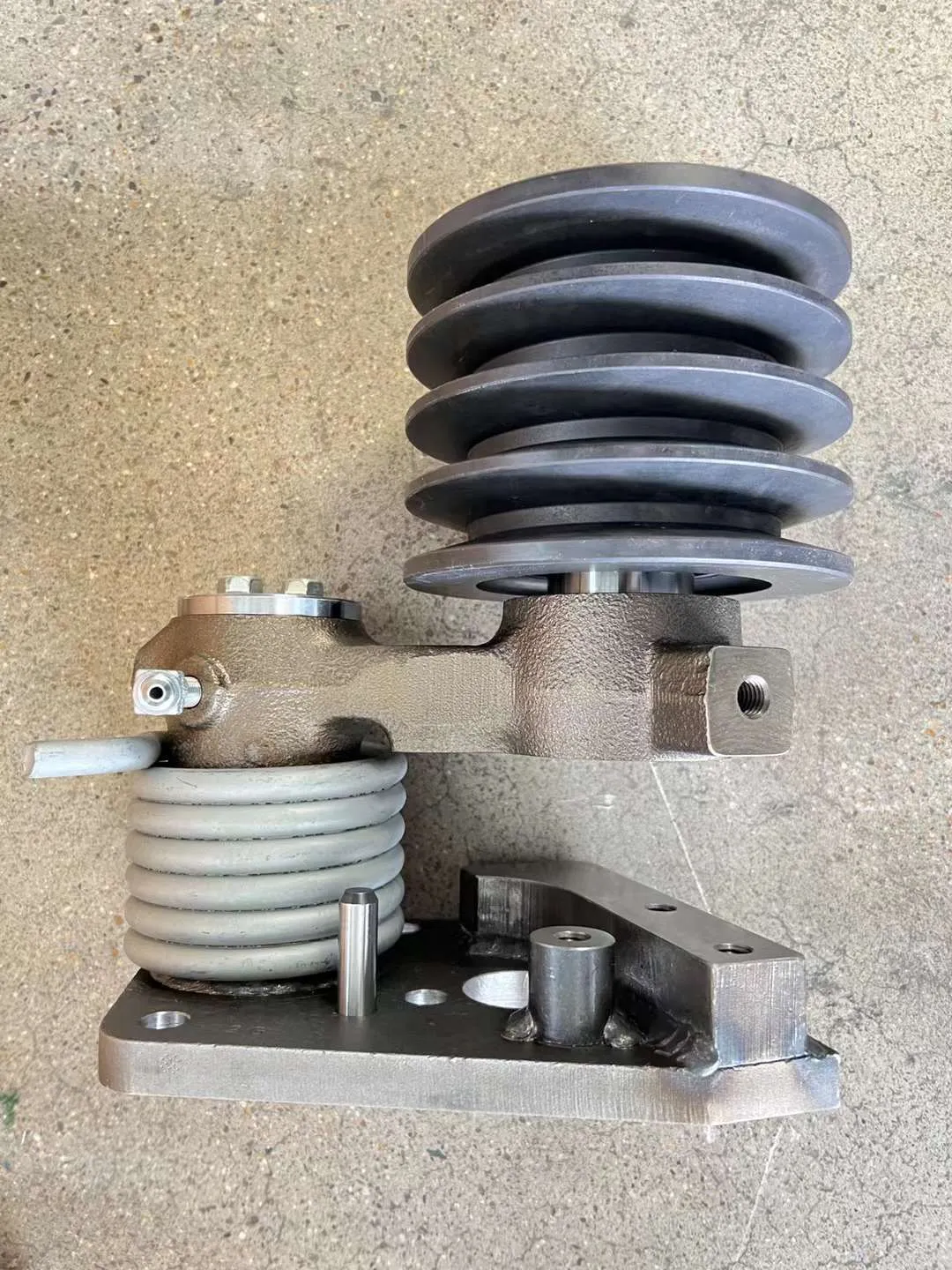 HD465-7R Tension Assembly 6245-61-3901
 -
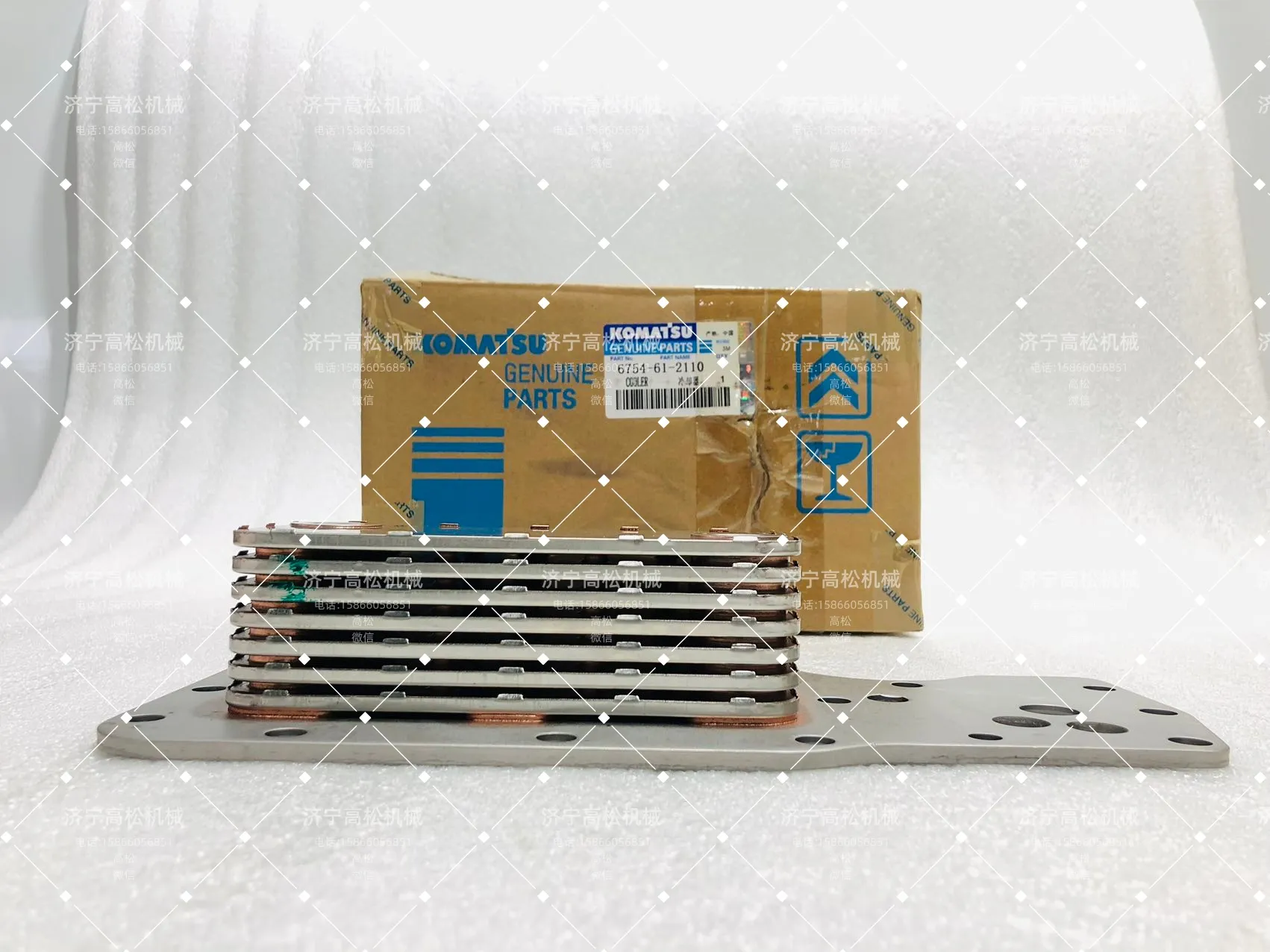 6754-61-2110 komatsu:core CORE, COOLER
 -
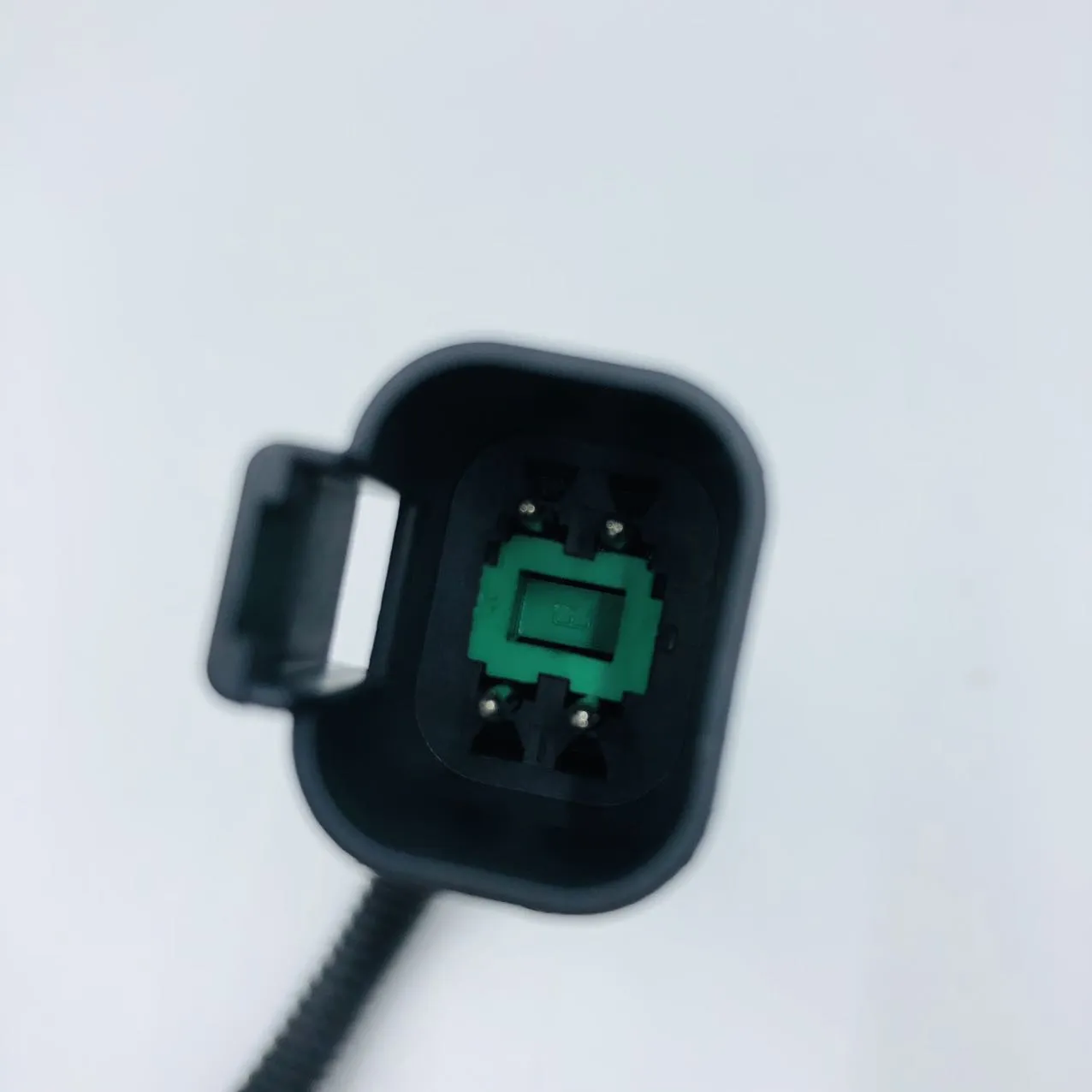 7861-93-5410Komatsu Acceleration Sensor, 7861-93-5410
 -
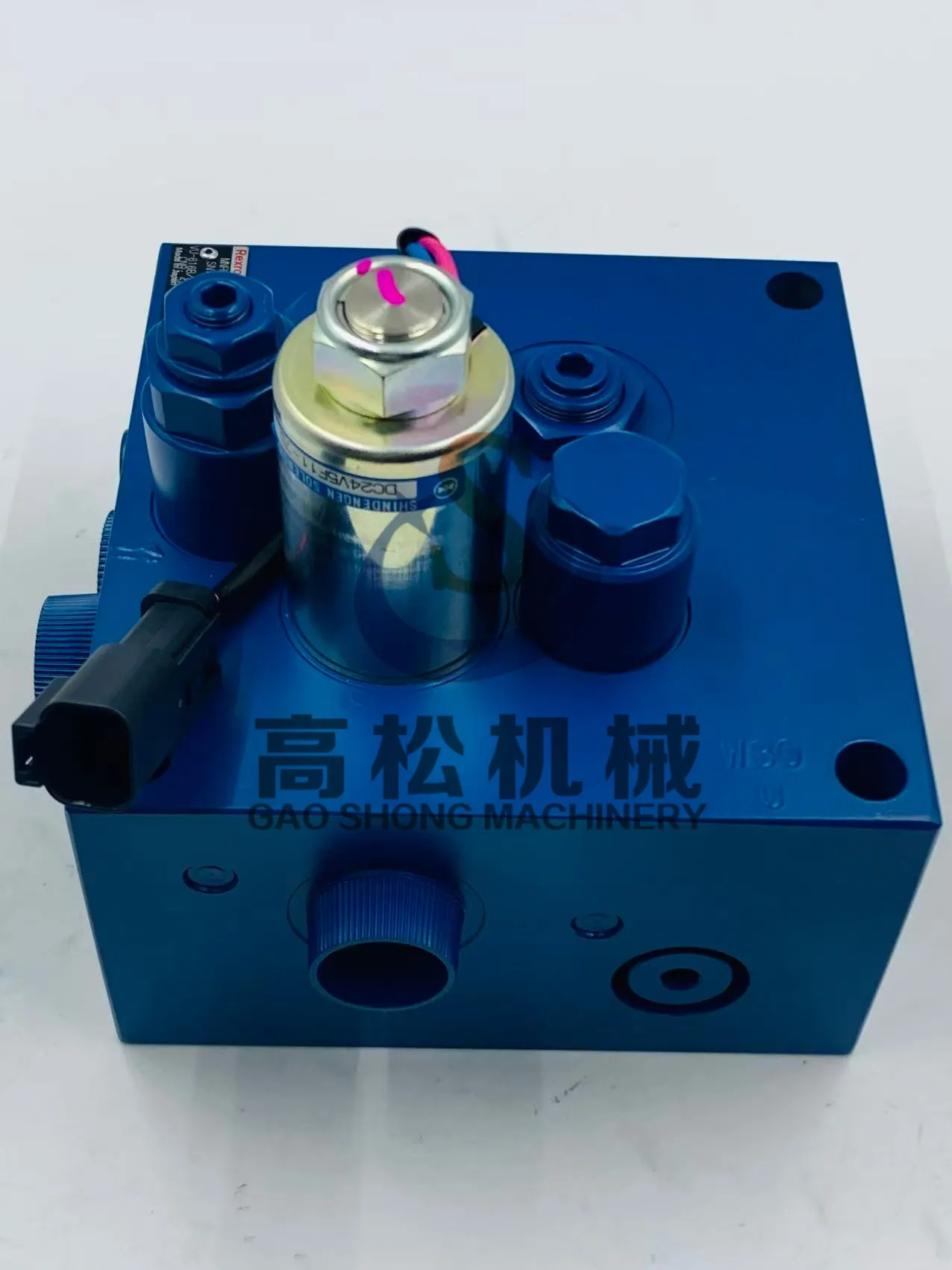 Komatsu HM300 Valve Assembly 56D-43-37101