
- Chinese
- French
- German
- Portuguese
- Spanish
- Russian
- Japanese
- Korean
- Arabic
- Irish
- Greek
- Turkish
- Italian
- Danish
- Romanian
- Indonesian
- Czech
- Afrikaans
- Swedish
- Polish
- Basque
- Catalan
- Esperanto
- Hindi
- Lao
- Albanian
- Amharic
- Armenian
- Azerbaijani
- Belarusian
- Bengali
- Bosnian
- Bulgarian
- Cebuano
- Chichewa
- Corsican
- Croatian
- Dutch
- Estonian
- Filipino
- Finnish
- Frisian
- Galician
- Georgian
- Gujarati
- Haitian
- Hausa
- Hawaiian
- Hebrew
- Hmong
- Hungarian
- Icelandic
- Igbo
- Javanese
- Kannada
- Kazakh
- Khmer
- Kurdish
- Kyrgyz
- Latin
- Latvian
- Lithuanian
- Luxembou..
- Macedonian
- Malagasy
- Malay
- Malayalam
- Maltese
- Maori
- Marathi
- Mongolian
- Burmese
- Nepali
- Norwegian
- Pashto
- Persian
- Punjabi
- Serbian
- Sesotho
- Sinhala
- Slovak
- Slovenian
- Somali
- Samoan
- Scots Gaelic
- Shona
- Sindhi
- Sundanese
- Swahili
- Tajik
- Tamil
- Telugu
- Thai
- Ukrainian
- Urdu
- Uzbek
- Vietnamese
- Welsh
- Xhosa
- Yiddish
- Yoruba
- Zulu
- Kinyarwanda
- Tatar
- Oriya
- Turkmen
- Uyghur






566-32-05221
You see a string like , and if you're not deep in the Komatsu parts world, it's just another alphanumeric. The common pitfall is thinking it's a universal code, or that any supplier claiming to have it is offering the same thing. That's where the real work begins—discerning the source, the material spec, and whether it's a genuine OEM part, a quality aftermarket equivalent, or something you'll regret installing. This number, specifically, ties back to undercarriage or structural components, and its availability often dictates machine uptime in regions where the official supply chain gets thin.
The Reality Behind the Code
In our operations, particularly when working with partners like Jining Gaosong Construction Machinery Co., Ltd., a number like isn't just looked up in a catalog. It's cross-referenced against machine serial number ranges. A minor design iteration from Komatsu can change the heat treatment or a bolt hole pattern, even if the base part number stays the same. I've seen cases where a batch of parts, supposedly matching this code, failed premature wear tests because the supplier used a lower-grade alloy steel, betting no one would tear it down for metallurgical analysis. That's the gamble.
The value of a specialized third-party sales company in the Komatsu ecosystem, which Takematsu Machinery positions itself as, is their focus on these specific supply gaps. Their site states they're an OEM product supplier within Komatsu's system and help solve parts challenges in certain countries. This is crucial context. For a part like , being within the system suggests access to original blueprints and material specifications, which is a different starting point than a generic workshop reverse-engineering a worn sample.
It's not always about brand new parts, either. Sometimes, the solution for a client with a stranded machine is a certified refurbished component or a compatible substitute that meets or exceeds the OEM spec. The judgement call is whether the you're being offered falls into that category. Does the supplier have the technical documentation to back its compatibility? Or are they just hoping the bolt pattern fits?
On-the-Ground Verification and Pitfalls
A lesson learned the hard way: never assume logistics are solved. We once secured what was confirmed to be a genuine from a reputable intermediary. The paperwork was perfect. The part arrived, and visually, it was identical. The failure point was the packaging—inadequate rust inhibition for a month-long sea freight to a tropical port. By the time it was unpacked, surface corrosion had begun on critical mating surfaces. The part was functionally compromised before installation. The supplier hadn't considered the end-user's environment, a detail as important as the part itself.
This is where the operational model of a company like Jining Gaosong becomes relevant. Their focus on certain countries implies they've navigated these specific logistical and environmental hurdles. They're not just selling a part; they're presumably selling a part packaged and documented for that supply chain reality. It's a subtle but critical layer of value.
Another practical issue is lot traceability. When you order ten units of , are they from the same manufacturing lot? Inconsistent hardness between batches on a wear component can lead to uneven wear in a system, causing premature failure of the matched parts. A professional supplier should be able to provide that batch data, or at least acknowledge its importance. If they can't, it's a red flag.
Technical Nuances and Substitution Logic
Let's get technical for a moment. A part numbered likely relates to a linkage or frame component. The 32 segment often indicates a major assembly group. The failure mode we typically see isn't catastrophic breakage but progressive wear or fatigue cracking. Therefore, the substrate material's fatigue strength and the quality of post-weld heat treatment (if applicable) are everything. A supplier acting as an OEM partner should have the process control sheets for these steps, not just the final dimensional inspection report.
There are times when the official channel has a 90-day backorder. The pressure to find an alternative is immense. In such cases, we might work with a technical team to evaluate if a slightly modified local fabrication or a different Komatsu cross-reference part could work as a temporary field fix. This is high-risk engineering and never the first choice, but it highlights that the number is a starting point for problem-solving, not the absolute solution. The expertise lies in knowing when and how to deviate from it safely.
I recall a project where the was needed for a mid-life rebuild. The OEM part was prohibitively expensive for the client's budget. The alternative we sourced through a network that included suppliers like the mentioned company, was a part manufactured to the original Komatsu drawing but without the brand stamp. It performed identically over the subsequent 5,000-hour inspection interval. The cost savings were around 40%. This is the tangible benefit of the specialized third-party model when executed with integrity.
The Human Element in the Supply Chain
Behind every part number is a chain of people. The engineer who designed it, the quality inspector, the sales rep who understands your urgency, the logistics coordinator who chooses the desiccant for the shipping container. When you engage with a smaller, focused entity, you're often tapping into that chain more directly. A query about might get you a direct email from their technical lead with a PDF of the load rating chart, not just a automated price quote.
This human layer is what prevents errors. A seasoned parts specialist, upon hearing the machine model and application (e.g., high-cycle loading in a quarry vs. low-cycle in a yard), might double-check if the standard is appropriate or if a different, more robust sub-variant exists. This consultative approach is what separates part peddlers from partners.
It also builds the necessary trust for when things go sideways. If a supplied part has an issue, a partner invested in the relationship will work to rectify it, understanding the downstream cost of machine downtime. A faceless distributor might hide behind terms and conditions. For critical components, the supplier's reputation is as important as the steel grade.
Concluding Thoughts on Sustainable Supply
So, what does represent in the bigger picture? It's a test case for the resilience of global equipment support networks. The rise of competent, system-integrated third-party suppliers isn't just about competition on price; it's about redundancy and accessibility. They fill the geographical and logistical voids that the primary OEM network can't always efficiently cover.
For fleet managers and workshop engineers, the takeaway is to build relationships with suppliers who demonstrate technical depth, not just inventory breadth. Ask them about the specifics of this part. Ask about material certificates, about common failure modes they've observed, about their lead time consistency. Their answers will tell you everything.
In the end, the part number is static. The knowledge, judgment, and network you apply to source it are what keep the machines moving. Whether it's through the official portal or a specialized partner like Jining Gaosong Construction Machinery Co., Ltd., the goal is the same: a reliable component that gets the asset back to work, with no surprises down the road. That's the real measure of success for any line item, included.
Related Products
Related Products

Best Selling Products
Best Selling Products-
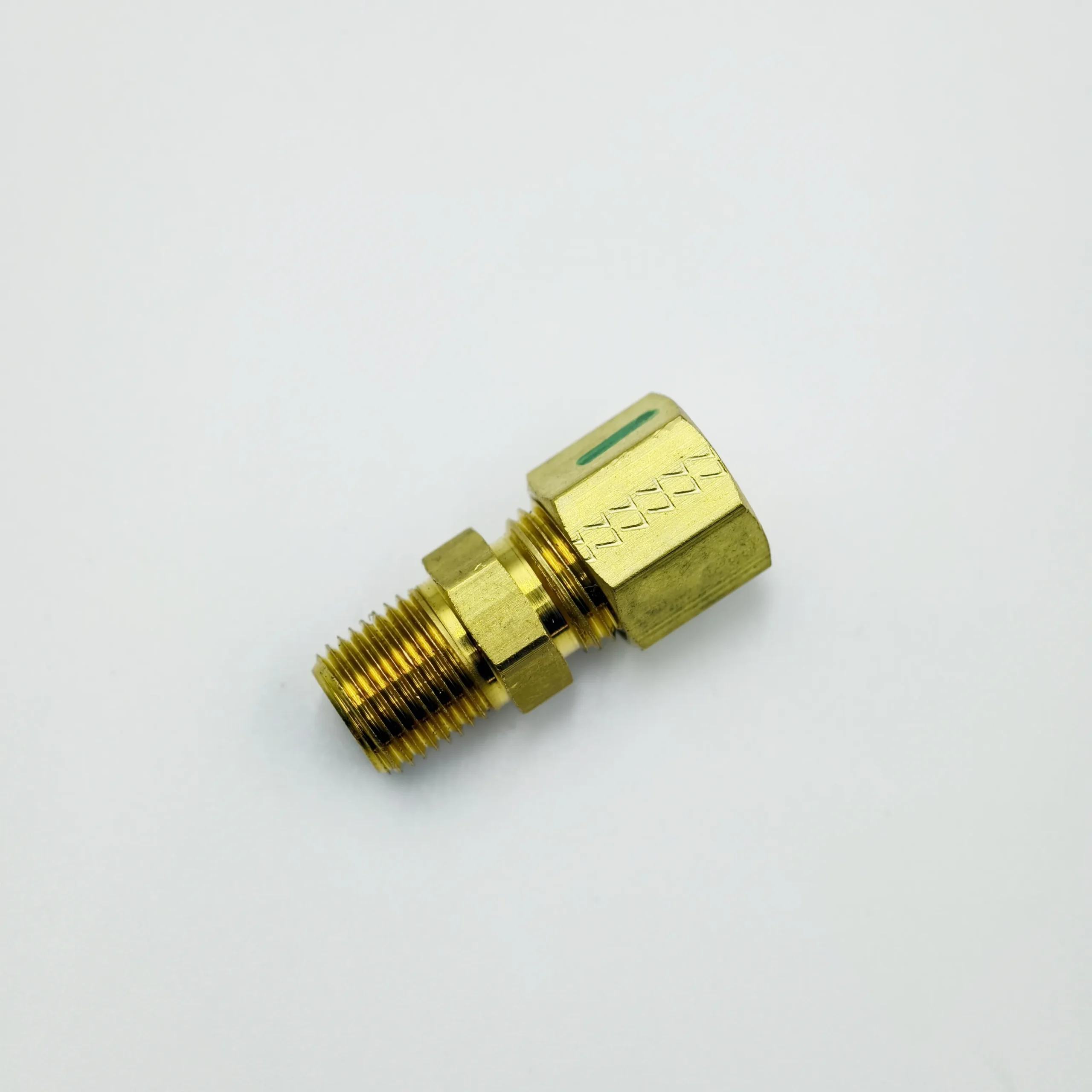 The PC1250SP-8 connector 21N-68-32320 is used for automotive grease in various countries ..
 -
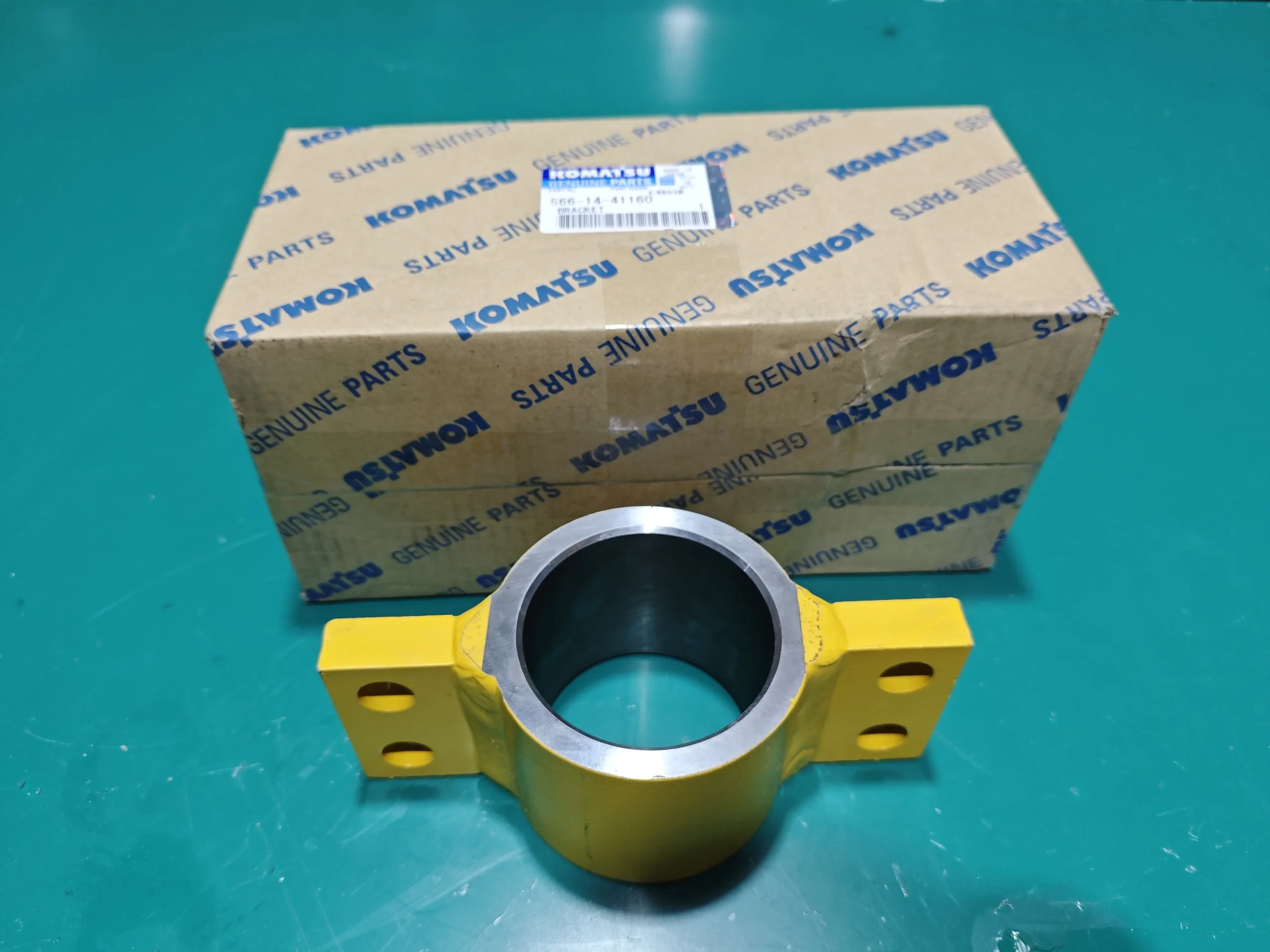 566-14-41160 Bracket
 -
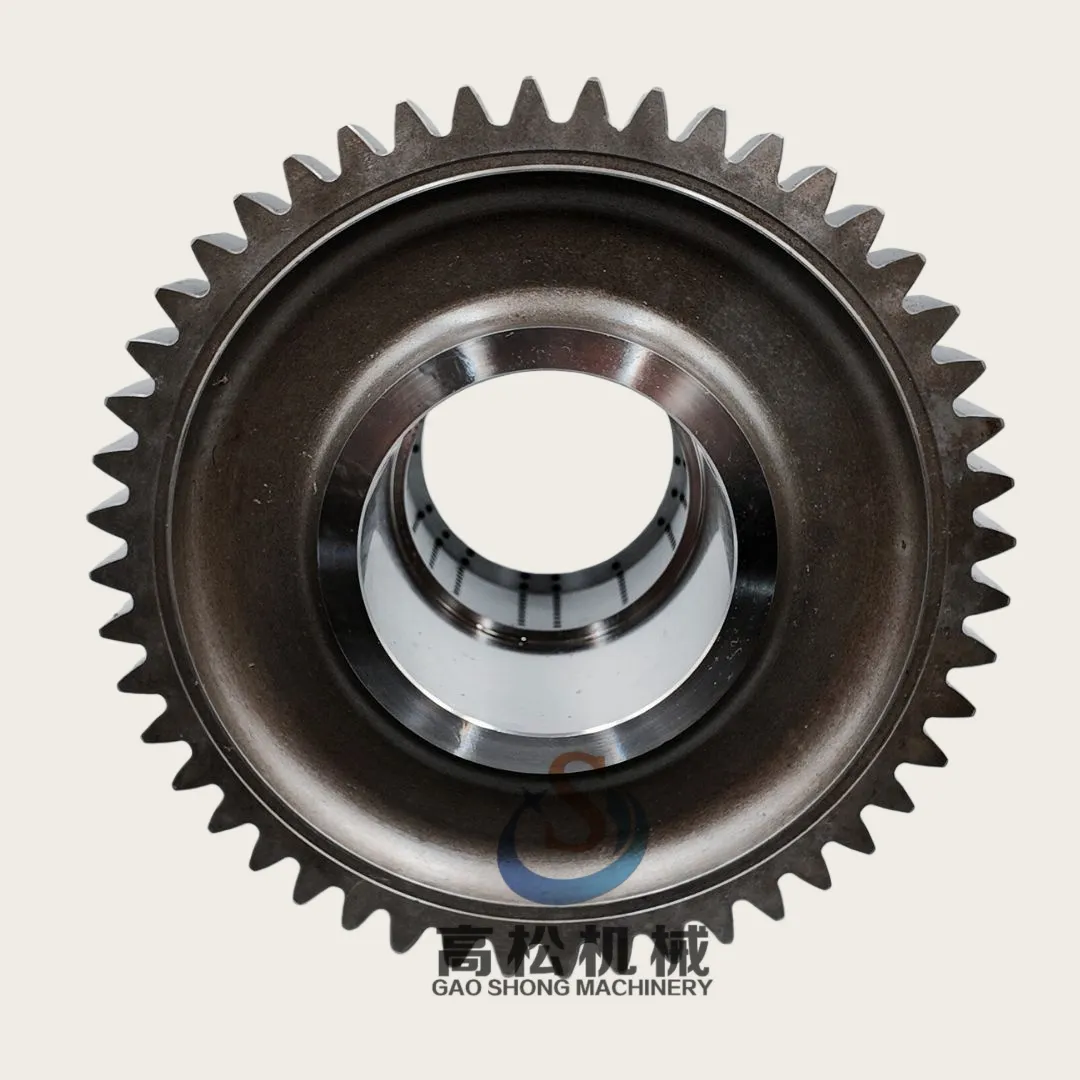 GEAR, 48 TEETH,FORWARD WA470-3 714-07-12420 GEAR, 48 TEETH,FORWARD WA450-3 S/N 53001-UP (For Taiwan / Tunnel Spec.) TRANSMISSION (FORWARD AND 1ST CLUTCH) (FOR EMERGENCY STEERING)
 -
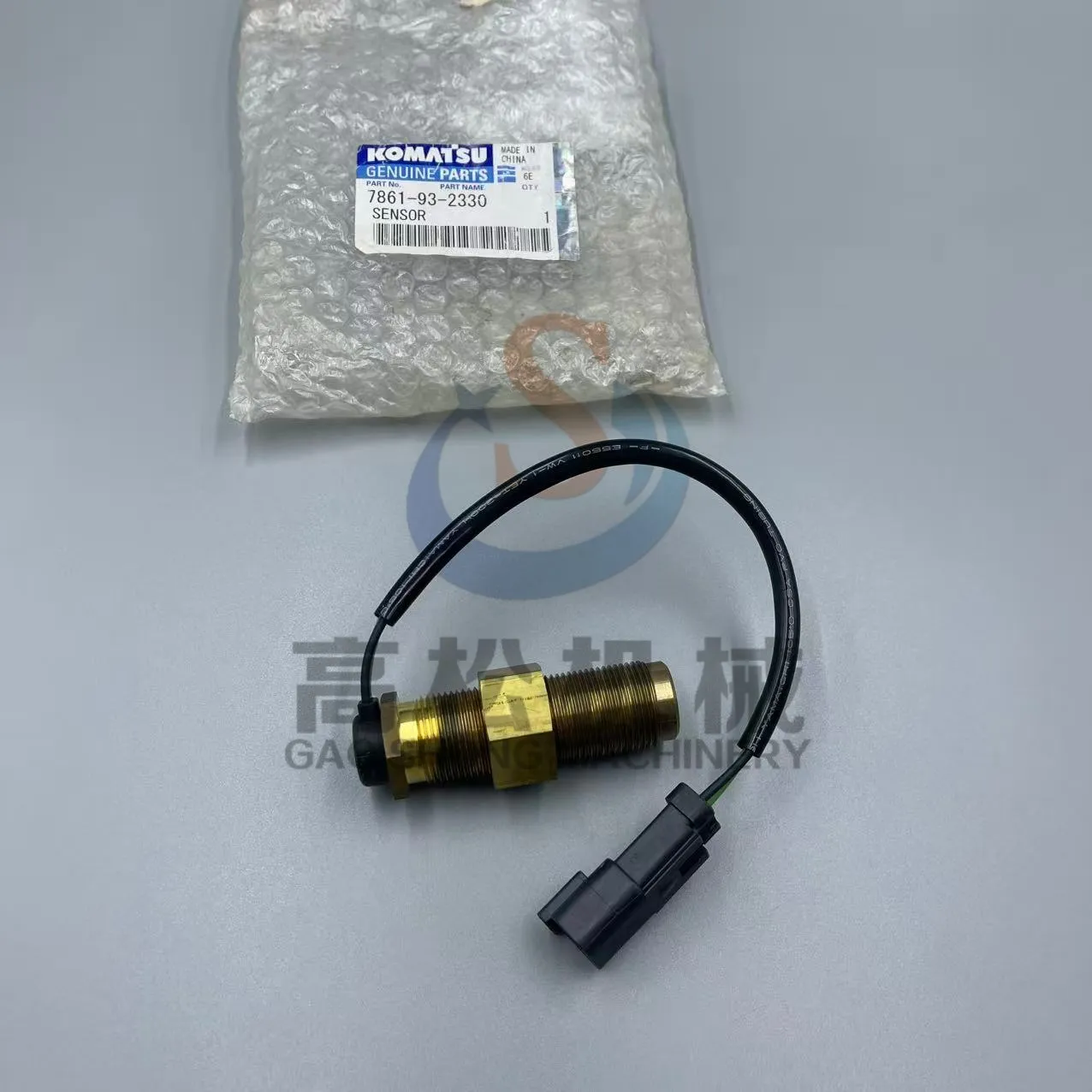 7861-93-2330 Sensor
 -
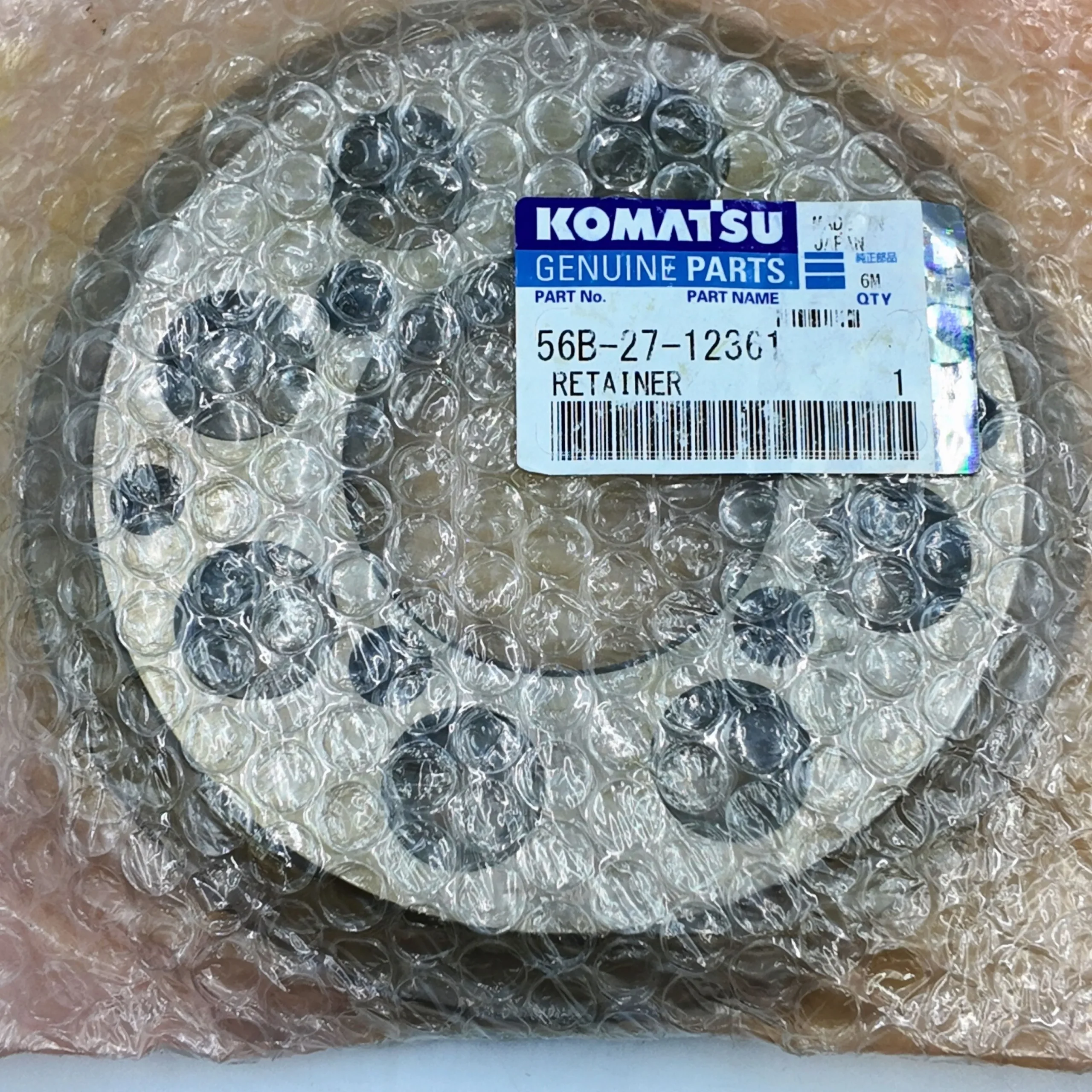 56B-27-12361•• RETAINER-Komatsu Original Factory
 -
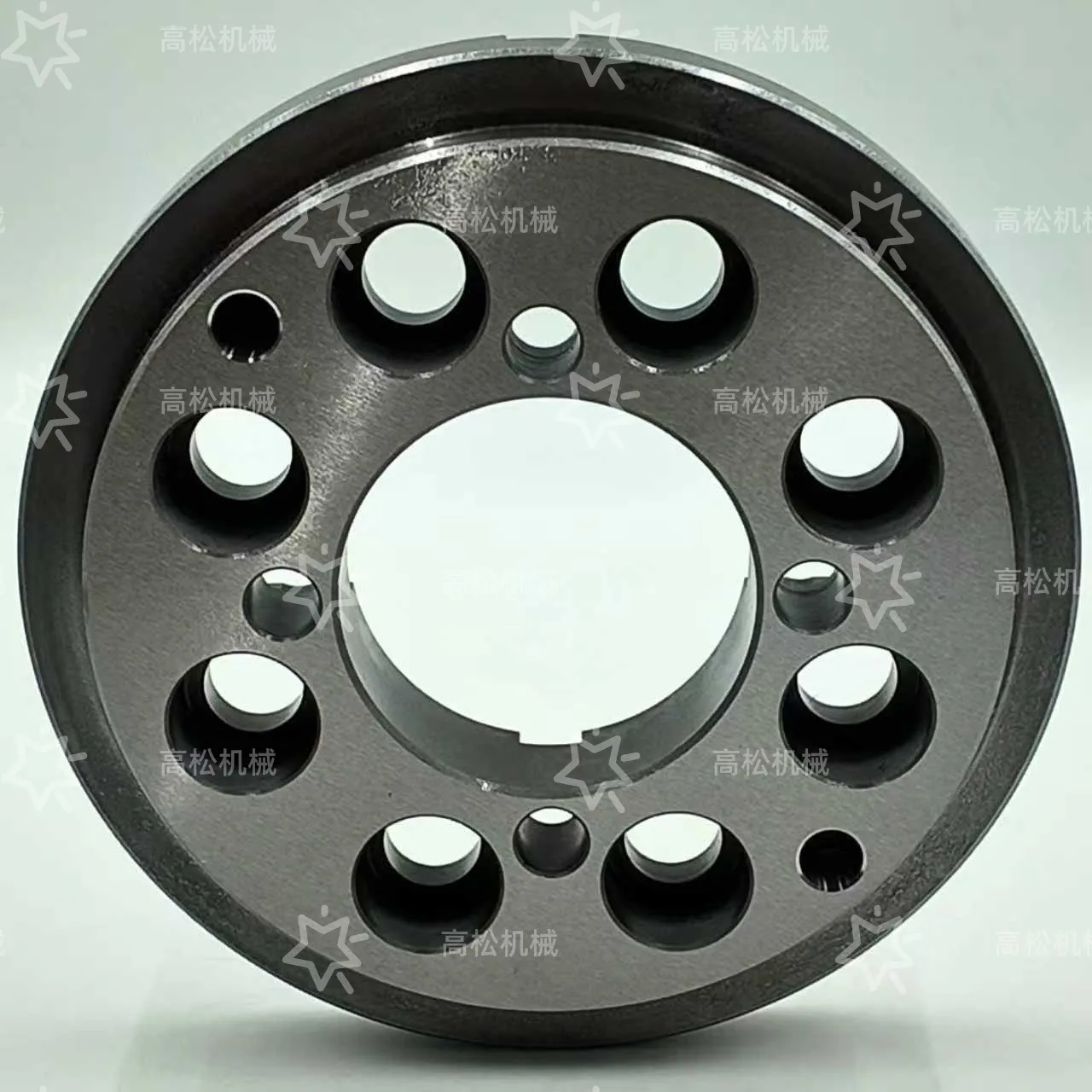 Komatsu Genuine Parts 56B-27-12361 Retainer NOP
 -
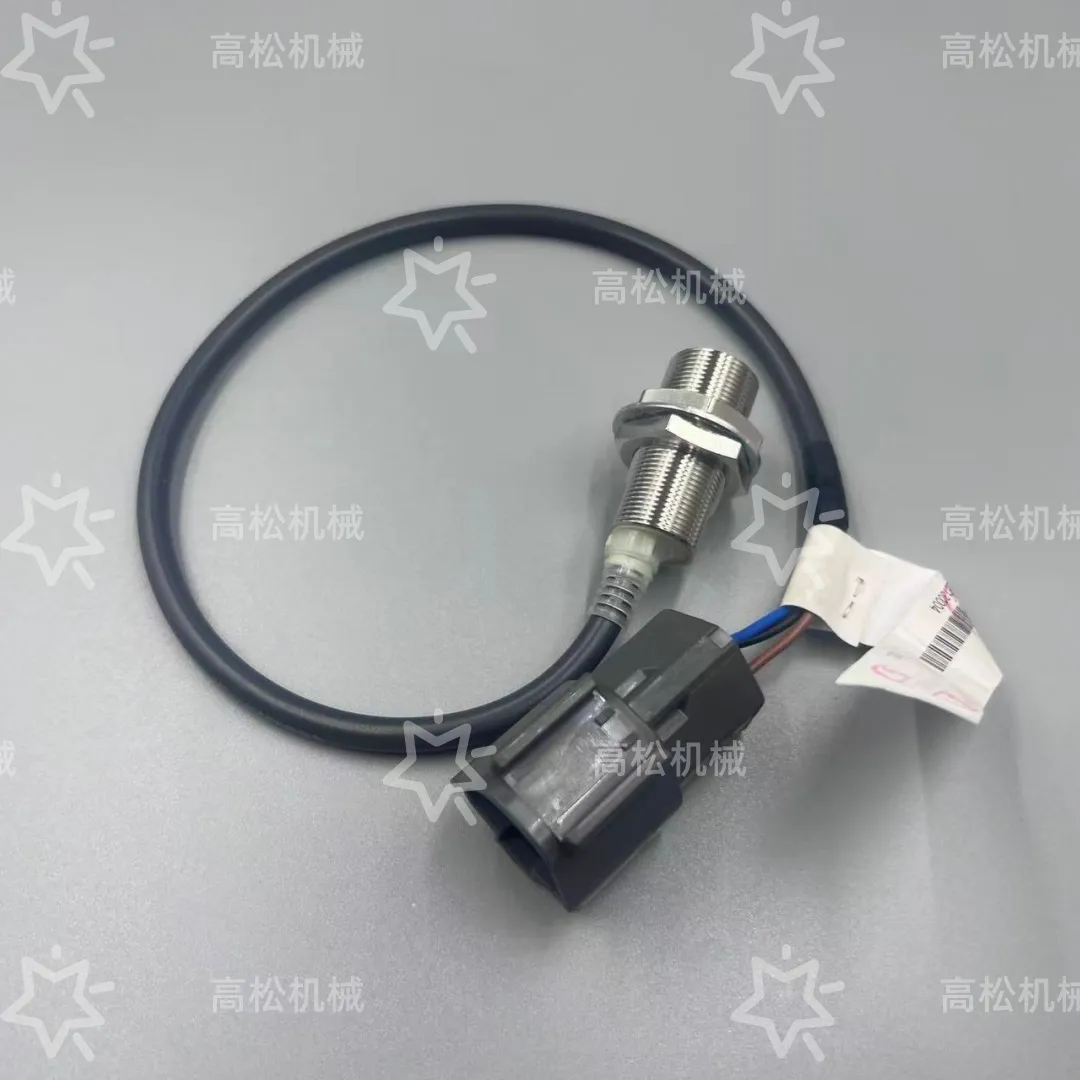 235-45-33410 SENSOR,SHIFT POTENTIO – Komatsu
 -
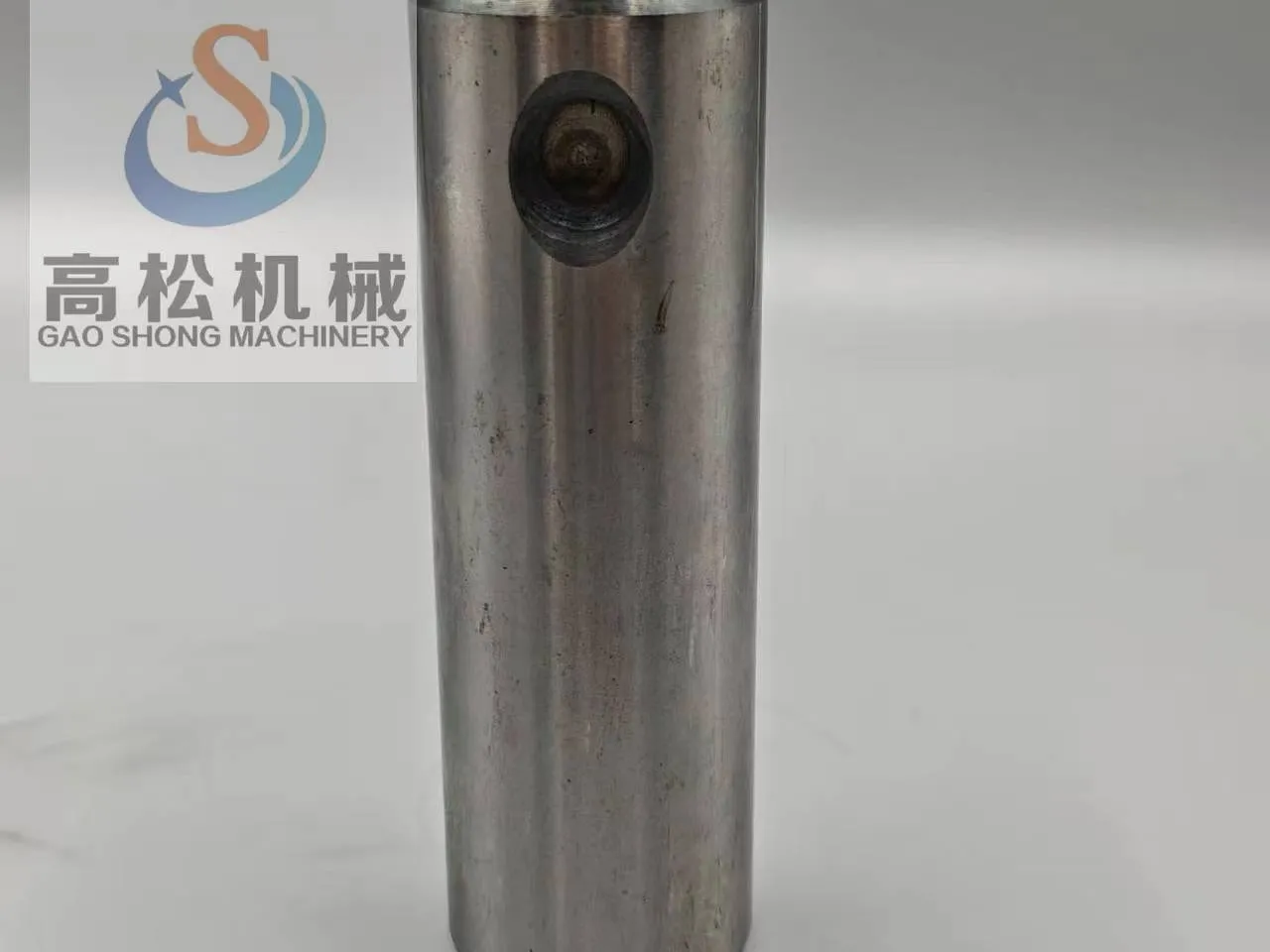 Komatsu Pin, 20Y-27-31160 Komatsu Sales, 20Y-27-31160
 -
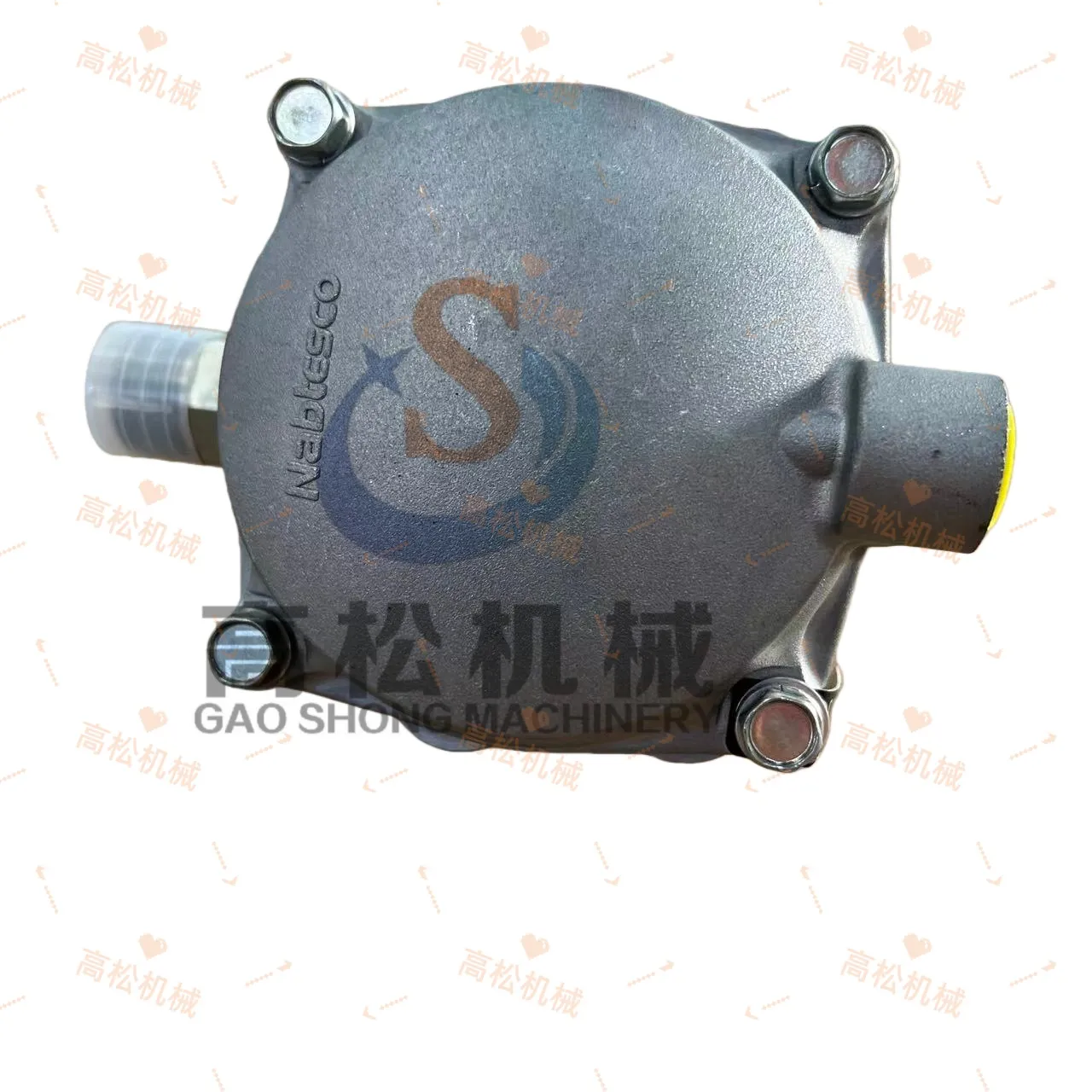 Komatsu HD785-5 Relay Valve 565-44-11200
 -
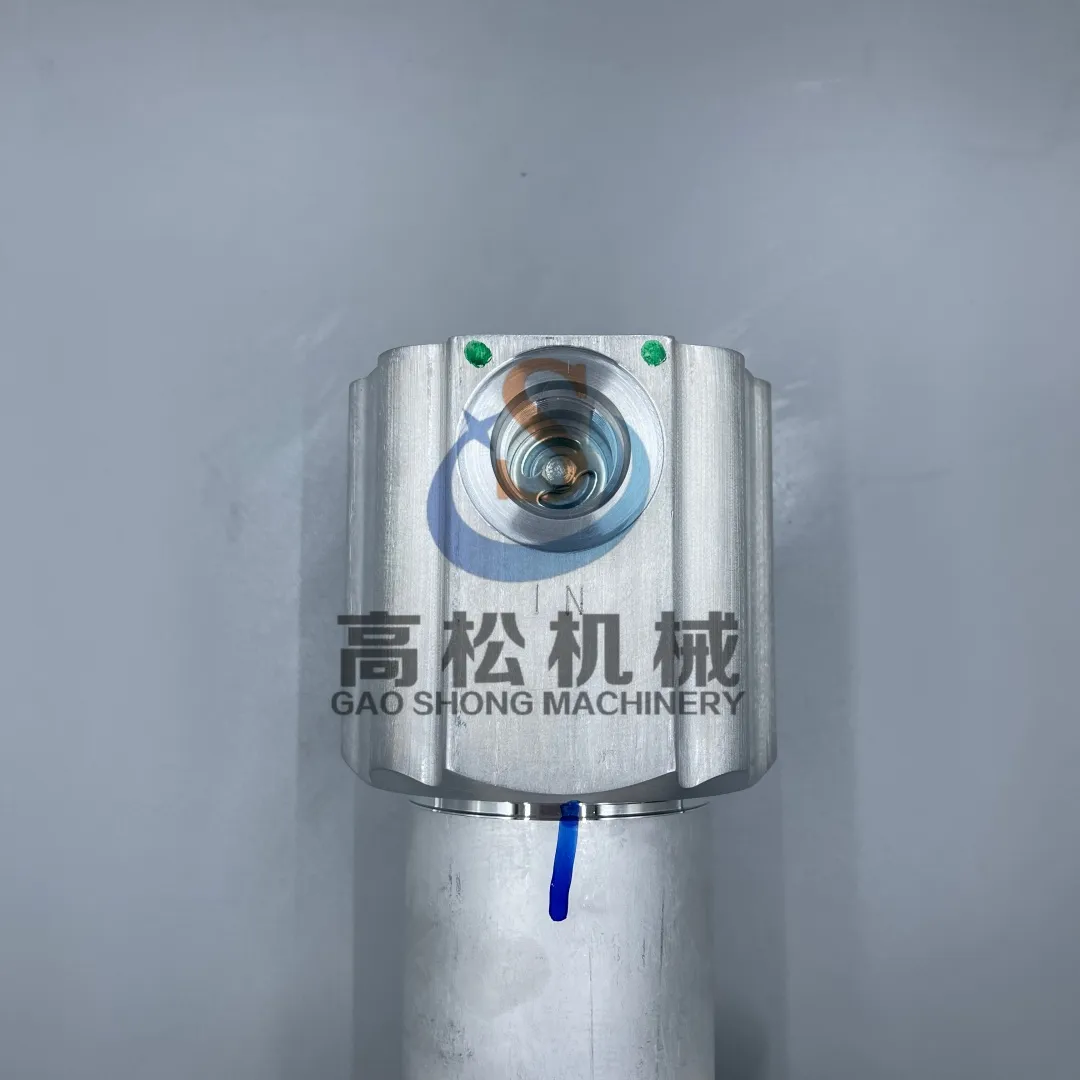 569-43-83911 Komatsu Filter Assembly
 -
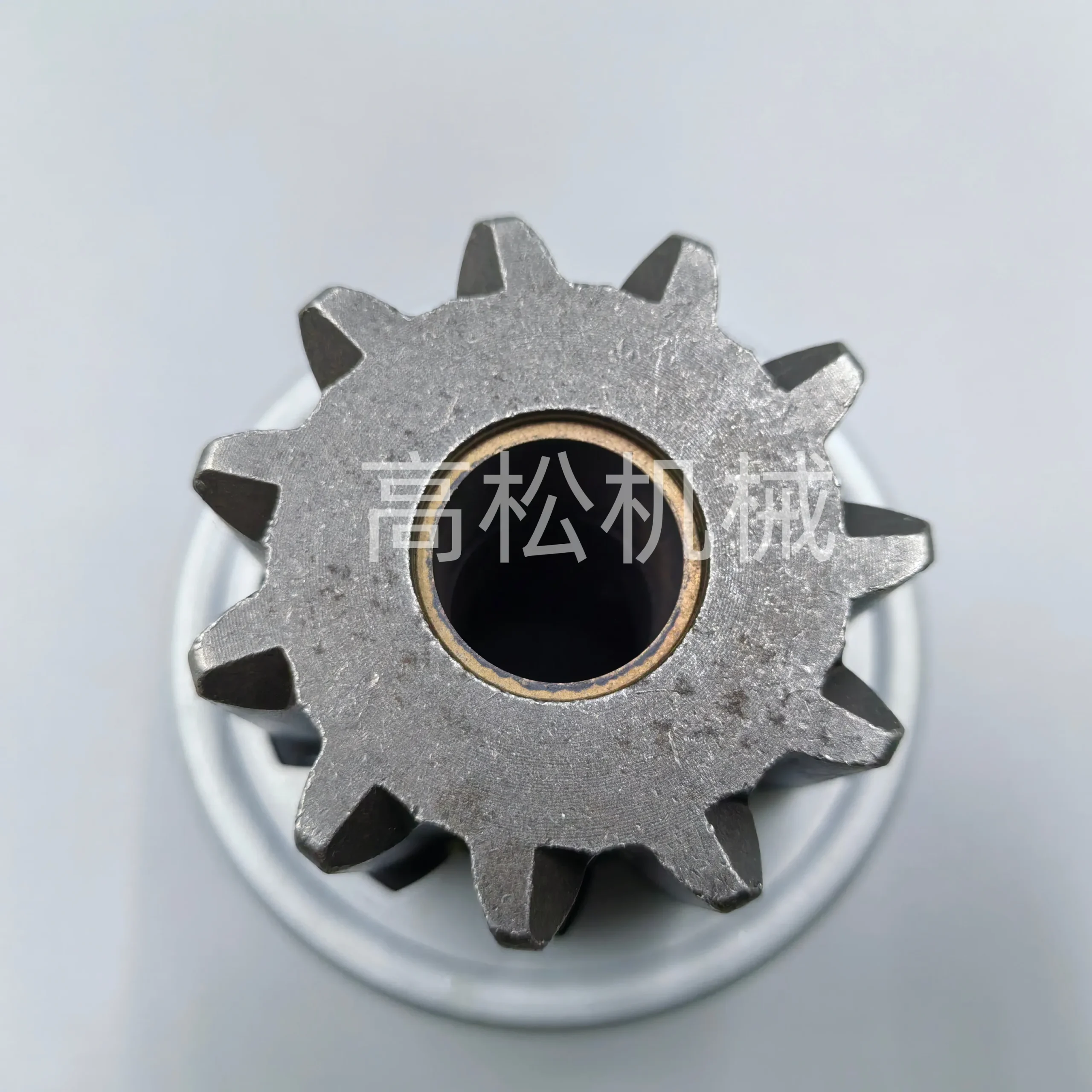 KD0-23500-1024 • CLUTCH ASS’Y-Komatsu Original Factory
 -
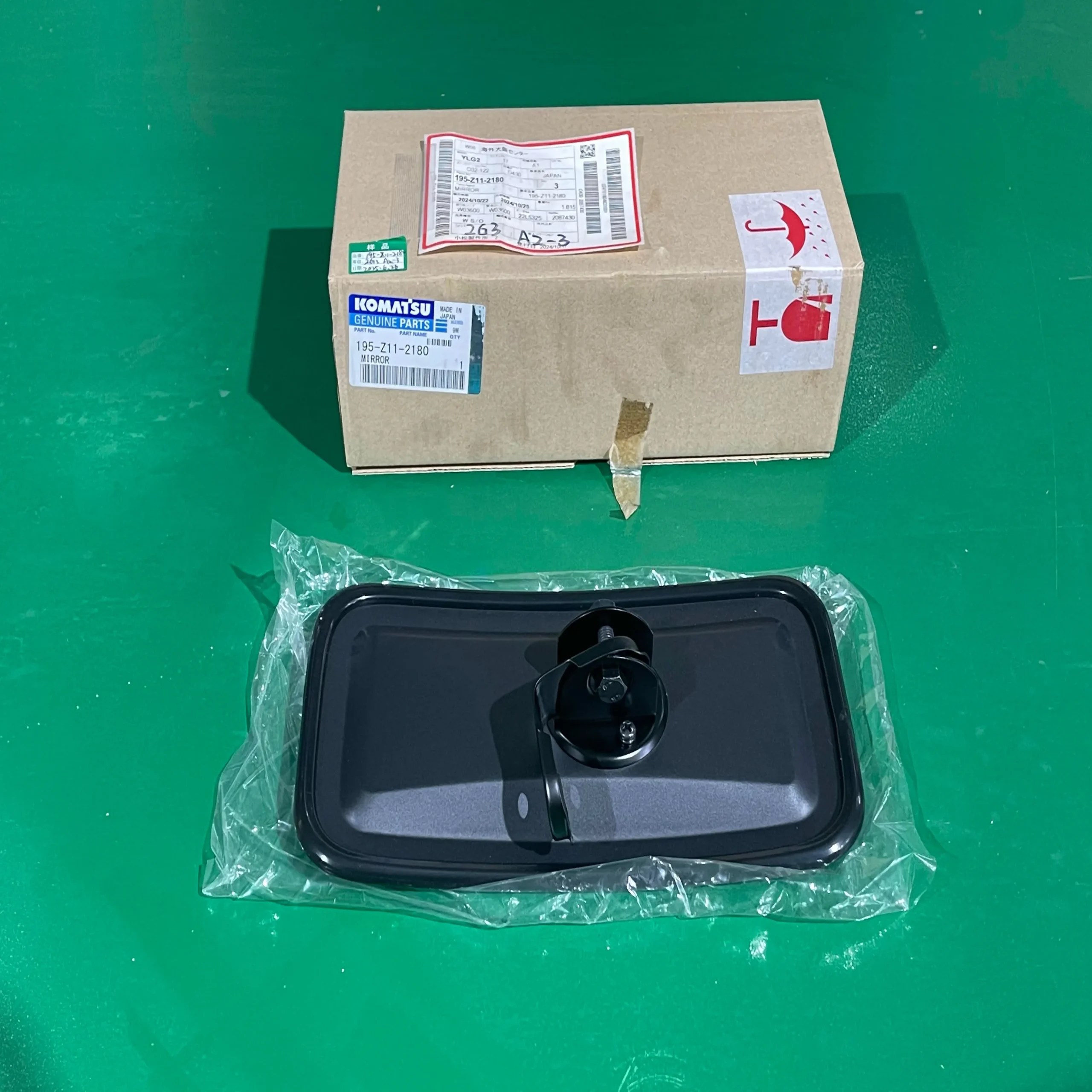 195-Z11-2180Fits Komatsu 195-Z11-2180 Dozer Replacement Mirror