
- Chinese
- French
- German
- Portuguese
- Spanish
- Russian
- Japanese
- Korean
- Arabic
- Irish
- Greek
- Turkish
- Italian
- Danish
- Romanian
- Indonesian
- Czech
- Afrikaans
- Swedish
- Polish
- Basque
- Catalan
- Esperanto
- Hindi
- Lao
- Albanian
- Amharic
- Armenian
- Azerbaijani
- Belarusian
- Bengali
- Bosnian
- Bulgarian
- Cebuano
- Chichewa
- Corsican
- Croatian
- Dutch
- Estonian
- Filipino
- Finnish
- Frisian
- Galician
- Georgian
- Gujarati
- Haitian
- Hausa
- Hawaiian
- Hebrew
- Hmong
- Hungarian
- Icelandic
- Igbo
- Javanese
- Kannada
- Kazakh
- Khmer
- Kurdish
- Kyrgyz
- Latin
- Latvian
- Lithuanian
- Luxembou..
- Macedonian
- Malagasy
- Malay
- Malayalam
- Maltese
- Maori
- Marathi
- Mongolian
- Burmese
- Nepali
- Norwegian
- Pashto
- Persian
- Punjabi
- Serbian
- Sesotho
- Sinhala
- Slovak
- Slovenian
- Somali
- Samoan
- Scots Gaelic
- Shona
- Sindhi
- Sundanese
- Swahili
- Tajik
- Tamil
- Telugu
- Thai
- Ukrainian
- Urdu
- Uzbek
- Vietnamese
- Welsh
- Xhosa
- Yiddish
- Yoruba
- Zulu
- Kinyarwanda
- Tatar
- Oriya
- Turkmen
- Uyghur






4d105 komatsu engine
You see '4D105 Komatsu engine' pop up in a search, and immediately, there's a split. Some think it's just another old industrial diesel, maybe a relic. Others, especially those who've been elbow-deep in a Komatsu PC200-6 or a mid-90s wheel loader, know it's the heart of the machine. The reality is somewhere in the messy middle—it's a workhorse with specific quirks, and its reputation hinges entirely on maintenance history, not just the model number. A lot of the chatter online misses that nuance, treating it like a generic part number instead of a living system you have to listen to.
The Core of the Matter: Not Just a Number
The 4D105 isn't a standalone product you buy off a shelf from Komatsu; it's an integrated power unit. When we talk about it at our level, we're usually talking about a replacement or a major overhaul scenario for machines that are, frankly, aging but far from dead. The challenge is never just the engine block. It's the mating to the Komatsu hydraulics system, the pump drives, the mounting points. I've seen shops try to drop in a compatible block from another manufacturer, and the alignment issues with the torque converter or the hydraulic pump drive gear were a nightmare. It ran, but never right, always with a vibration or a whine that wasn't there before.
This is where the OEM channel matters, but it's also where it gets frustrating. Official parts are impeccable, but for a machine that might be 25 years old, the lead times and costs can be prohibitive. That's the gap companies like Jining Gaosong Construction Machinery Co., Ltd. operate in. They're not just another parts reseller; being within the Komatsu system as an OEM product supplier means they understand these integration points. Their role, as they put it on their site https://www.takematsumachinery.com, is solving parts supply challenges in certain countries. In practice, that means they can often provide the correct sub-assemblies—like a complete 4D105 long block with the right ancillary drives already fitted—that a generic rebuilder might not get right.
Let me give you a specific detail that separates a good source from a bad one: the fuel injection pump. The 4D105 typically uses a Komatsu/Kiki/Kanto-style pump. Aftermarket ones exist, but the calibration is subtle. A fraction of a degree in timing or a slight difference in the delivery valve spring can lead to hard starting when cold or a flat spot in the power band. A supplier who knows the engine will know the exact spec and sourcing for that pump, not just sell you a pump for a 4D105. That's the kind of practical knowledge you need.
Common Pitfalls and the Overhaul Reality
Everyone wants a remanufactured engine. It sounds clean and guaranteed. But with the 4D105, you have to ask: remanufactured to what standard? There are ISO standards, sure, but in the field, it boils down to the cylinder head and the block deck. The head on these is prone to cracking between the valves if it's ever been overheated. A proper rebuild doesn't just pressure test it; they should be dye-pen checking it. I learned that the hard way years ago—installed a rebuilt head that passed a pressure test, only for a hairline crack to open up after two months of operation, dumping coolant into the cylinder.
The other pitfall is assuming all 4D105s are identical. There are variations. The later models used for different equipment might have a different arrangement for the engine-mounted oil cooler or a different flywheel housing pattern for the transmission. The part number suffix matters. I recall a job for a Komatsu WA320-3 loader where we sourced an engine listed for a 4D105. It fit physically, but the flywheel had the wrong number of teeth for the starter motor. We had to pull it all apart again to swap the flywheel and housing—a full day's labor lost. A proper supplier's catalog should break this down by machine model, not just engine family.
This is where the third-party role of a company like Gaosong becomes critical. As they note, they're also a third-party sales company for Komatsu. In my experience, this often means they have access to genuine Komatsu surplus stock or certified remanufactured units that are otherwise not listed for general sale in certain regions. They can navigate that internal system to find the correct, verified assembly for your specific machine serial number, which is something a purely aftermarket vendor can't do.
On the Ground: Sourcing and Decision-Making
So you've got a 4D105 that's smoked its turbo and scored the liners. Option one: in-frame overhaul. Option two: a complete replacement engine. The decision isn't just technical; it's economic and about downtime. If the bottom end is still good, an in-frame with new liners, pistons, a rebuilt head, and a new or rebuilt turbo from a reliable source like Takematsu Machinery (their online portal at https://www.takematsumachinery.com is a starting point for specs) can be the smarter play. But you need confidence in the kit. Are the piston rings the correct material? The original might have been chrome-faced; some aftermarket kits use cheaper iron rings that wear faster.
If you go for a complete swap, the logistics kick in. A full 4D105 engine is heavy. You're looking at crating, shipping, customs if it's cross-border. A supplier with experience in international parts supply, which is implied in Gaosong's mission to solve supply challenges, will have this process streamlined. They'll know the documentation needed, the best freight forwarders. This isn't a small thing—I've had engines sit in a port for weeks over paperwork errors.
The final step is always the break-in. This is where the professional advice gets overly formulaic. The manual says run at varying RPMs under light load for X hours. True, but you also need to listen. That first start after a rebuild or swap—is there an immediate tap from the valve train (maybe a lash adjustment issue)? Does the oil pressure stabilize correctly? With a fresh 4D105, you should see strong pressure even at a fast idle. If it's low, it could be the oil pump, the bearings, or just the wrong viscosity oil. You have to diagnose in real-time, not just follow a script.
The Verdict: Niche, But Far From Obsolete
The 4D105 Komatsu engine isn't the future, but it's a significant part of the present for a global fleet of older, yet highly productive, equipment. Its value lies in its supportability. The key is to move beyond seeing it as a commodity and recognize it as a system with precise requirements. Success depends on sourcing parts or assemblies from channels that respect that precision—whether that's the official OEM network or a specialized third-party within that ecosystem.
Companies that position themselves as problem-solvers for these specific supply chain gaps, like Jining Gaosong does, fill a necessary role. They're not just moving boxes; they're providing the correct configuration that keeps a machine running for another 10,000 hours. For an equipment owner or a workshop manager, that's the bottom line.
In the end, working with these engines teaches you to respect the details. The right gasket thickness. The proper bolt torque sequence for the head. The specific grade of coolant. It's all in the service manual, sure, but applying it consistently in a dusty yard or a cramped shop is what separates a running engine from a reliable one. The 4D105 rewards that attention to detail and punishes shortcuts. That's probably the most professional judgment I can offer on it.
Related Products
Related Products

Best Selling Products
Best Selling Products-
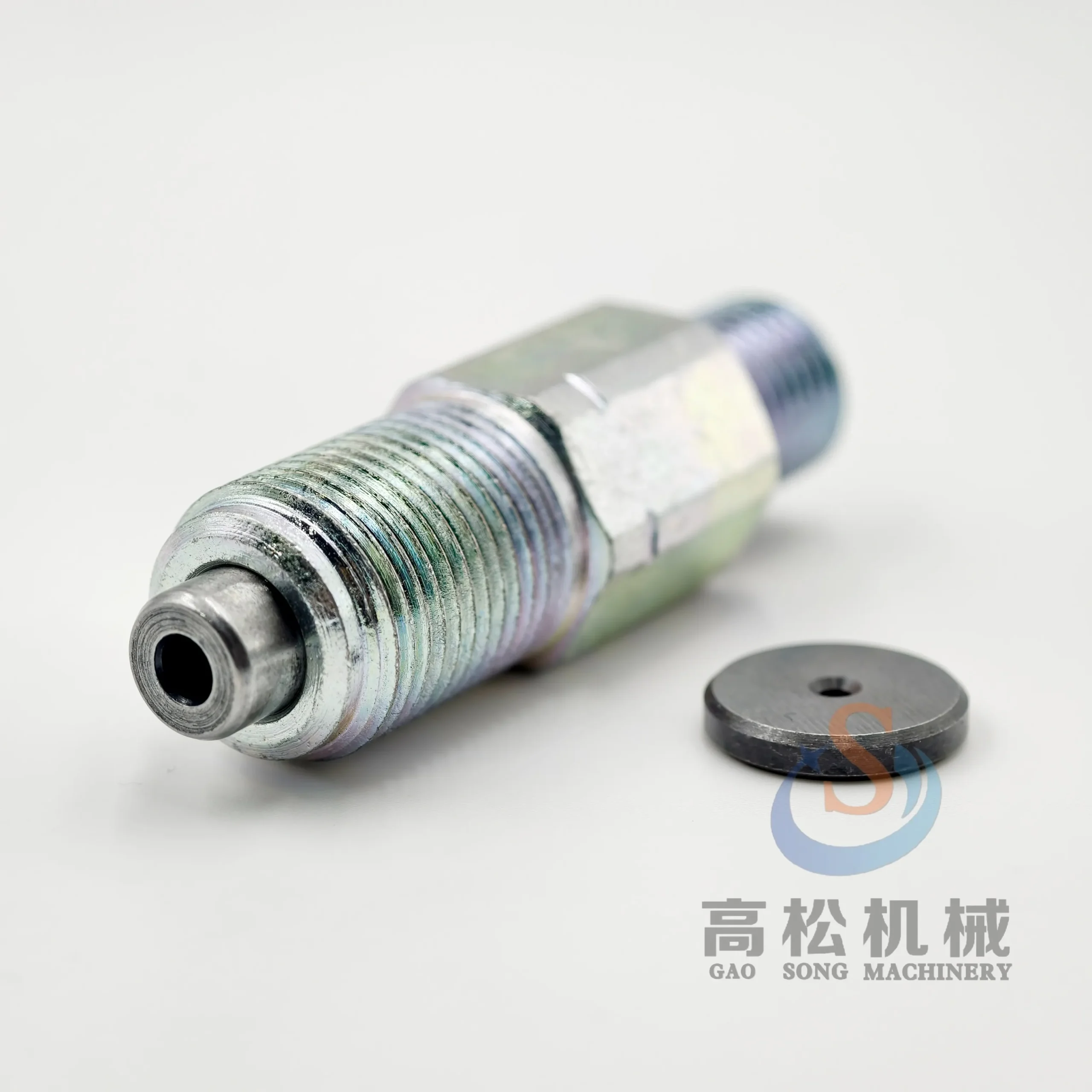 ND095400-0310 komatsu-parts LIMITER
 -
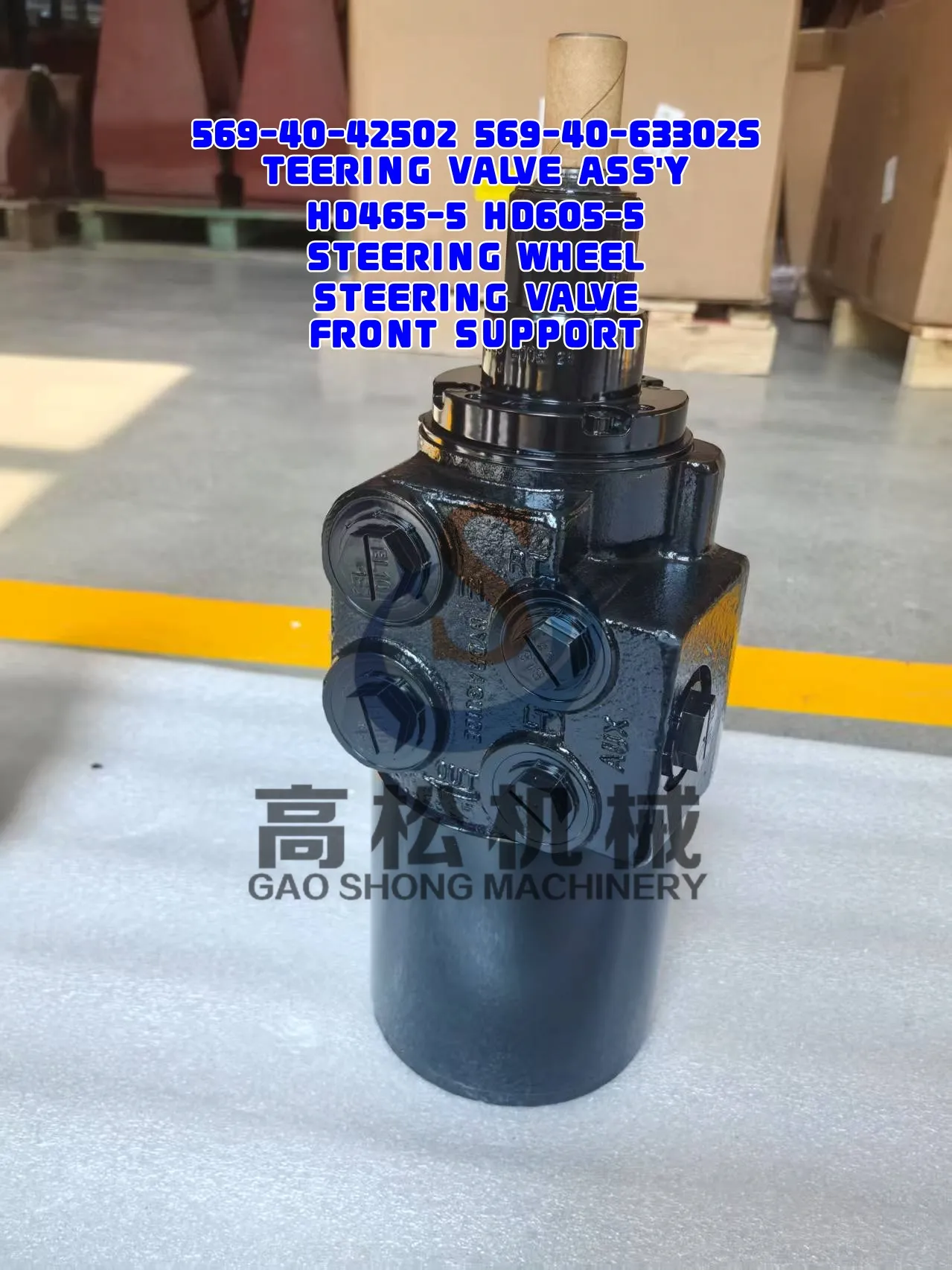 komatsu-part-569-40-42502 569-40-63302 STEERING VALVE ASS’Y HD465-5 HD465-7 HD465-7E1 HD465-7R HD465-7E0 HD605-7R HD605-5 HD605-7 HD465-7E0 STEERING WHEEL STEERING VALVE FRONT SUPPORT (STEERING VALVE MOUNTING PARTS)
 -
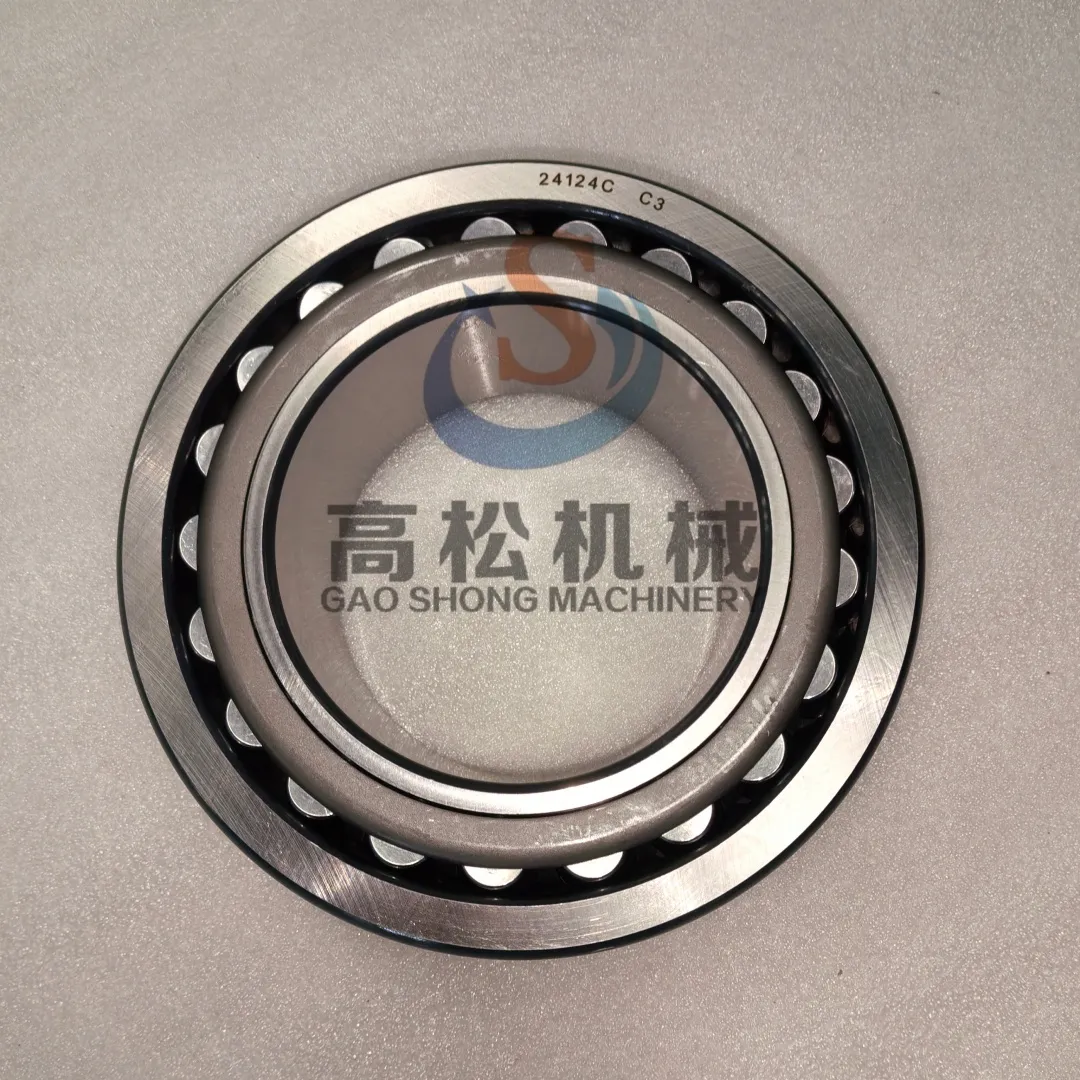 170-09-13250 Bearing for komatsu Dozer D85P-21 D85P-18 D85E-21 D85A-21
 -
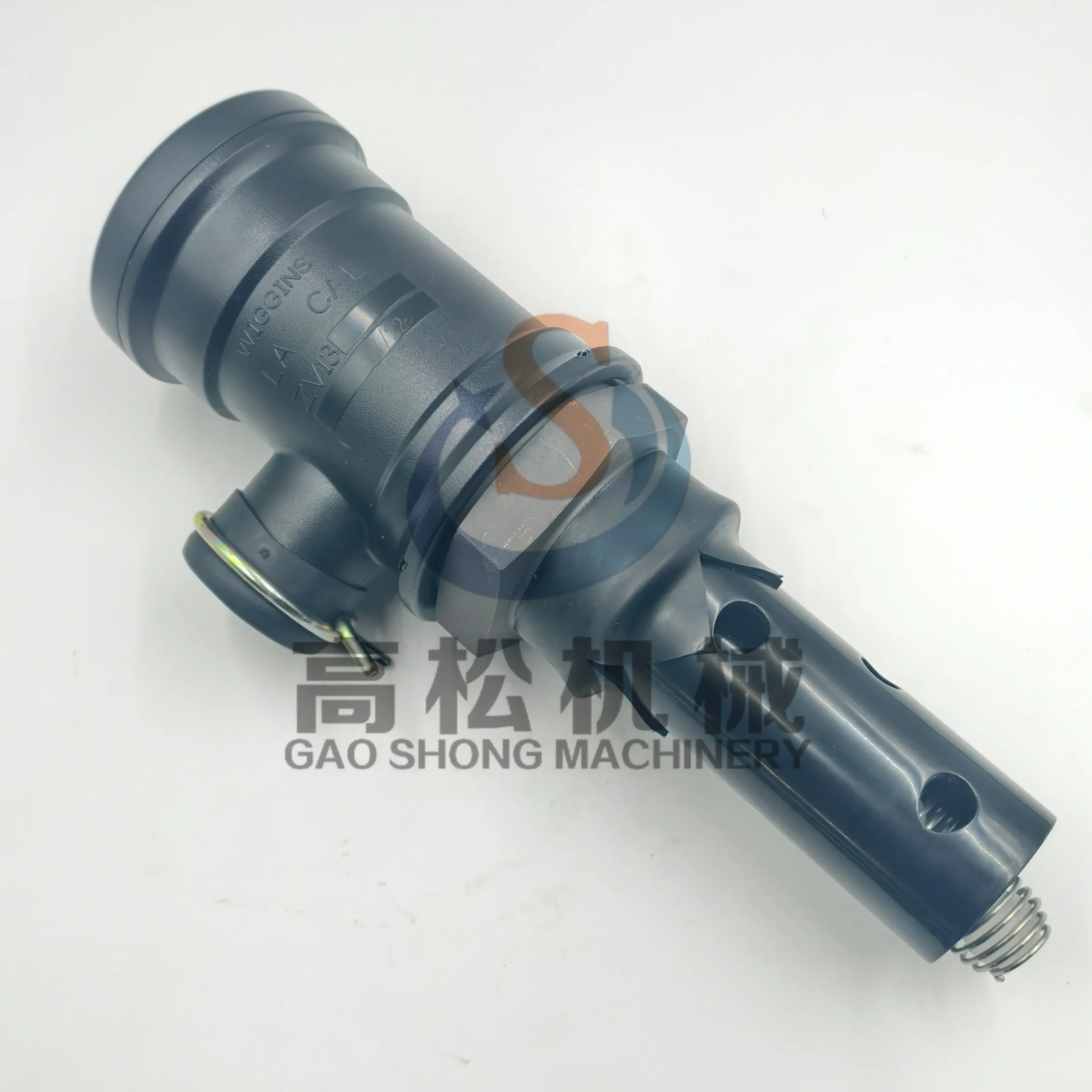 21T-04-31130 VENT ASS’Y (Komatsu)
 -
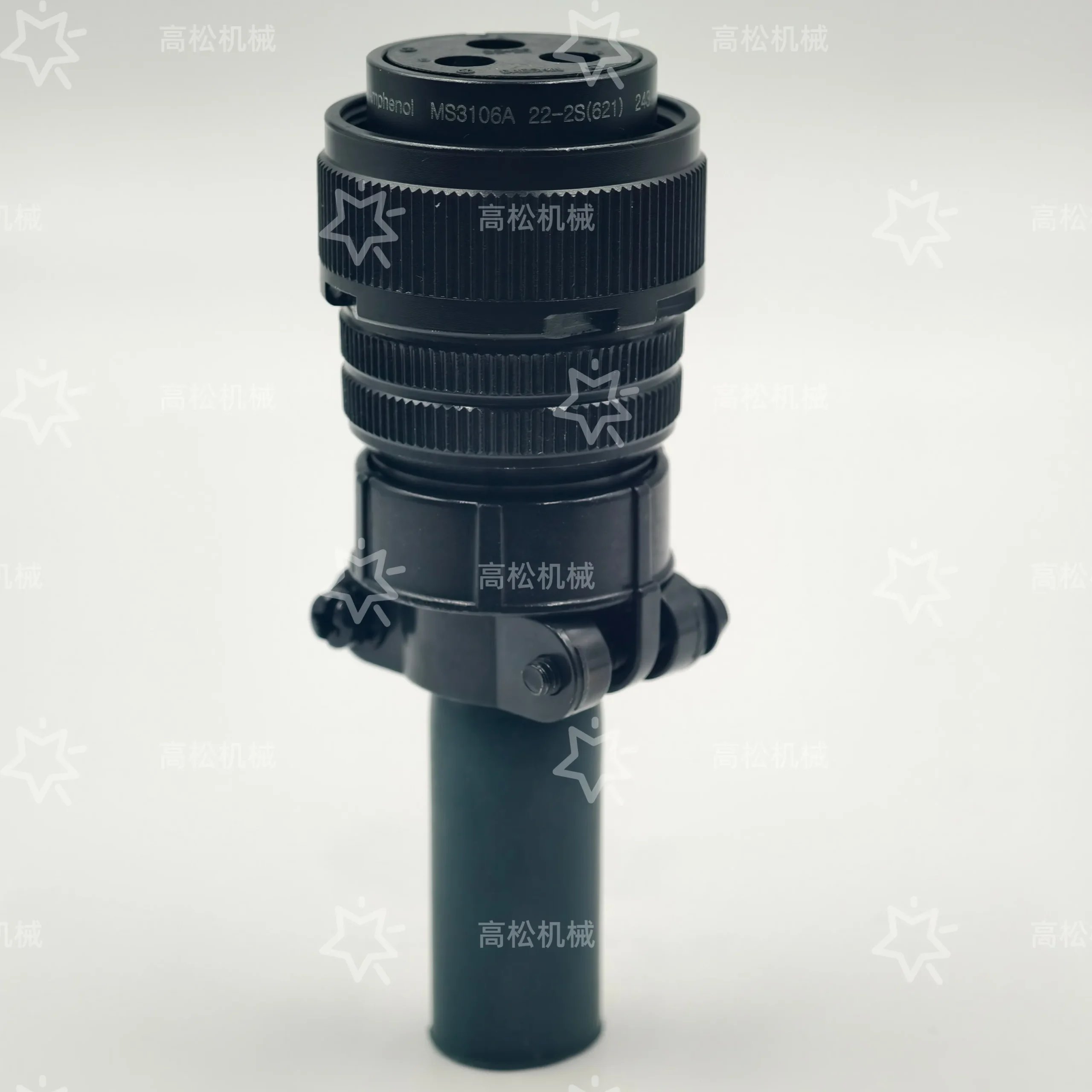 175-06-37871 komatsu Plug
 -
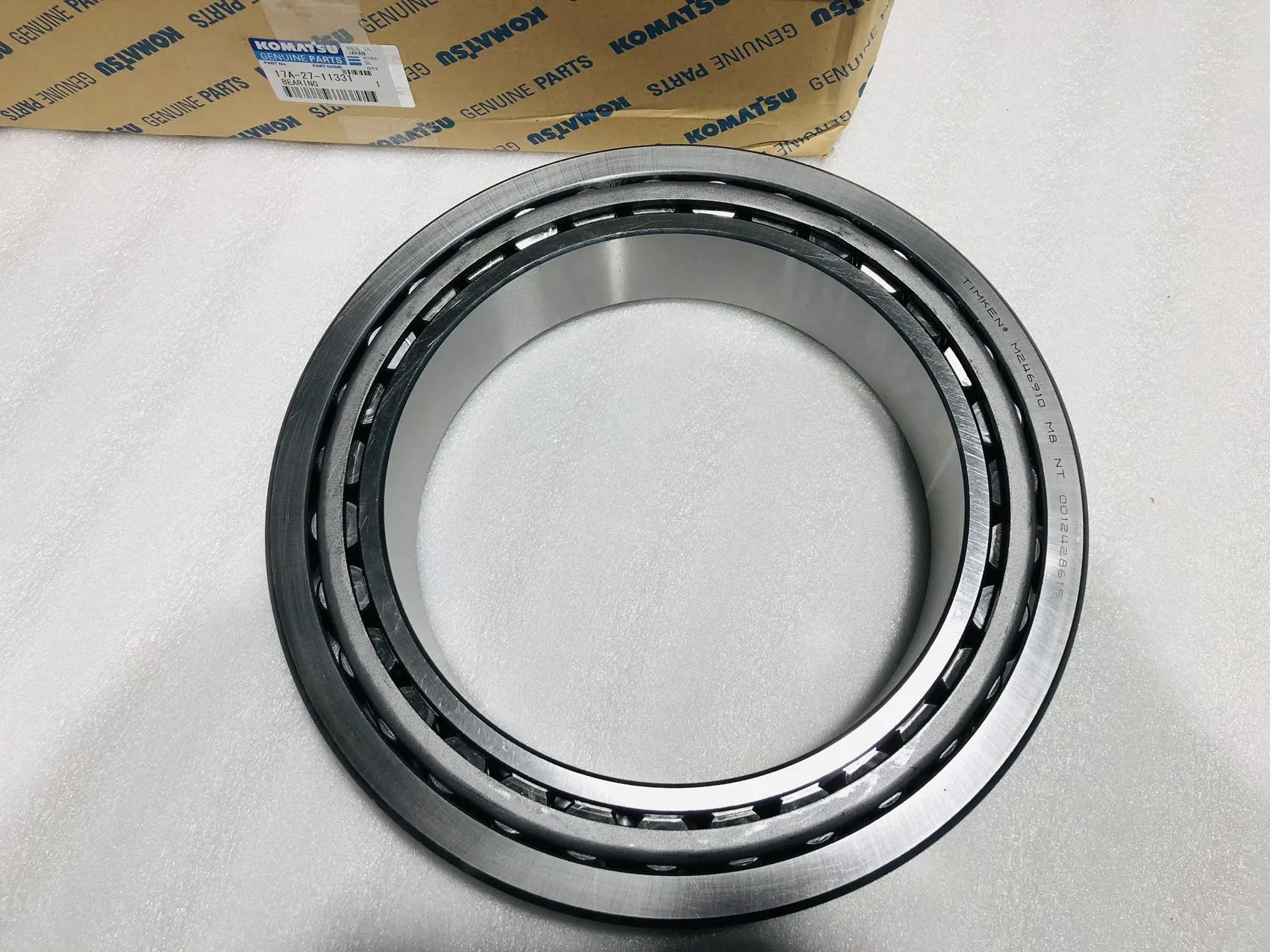 KOMATSU-BEARING 17A-27-11331
 -
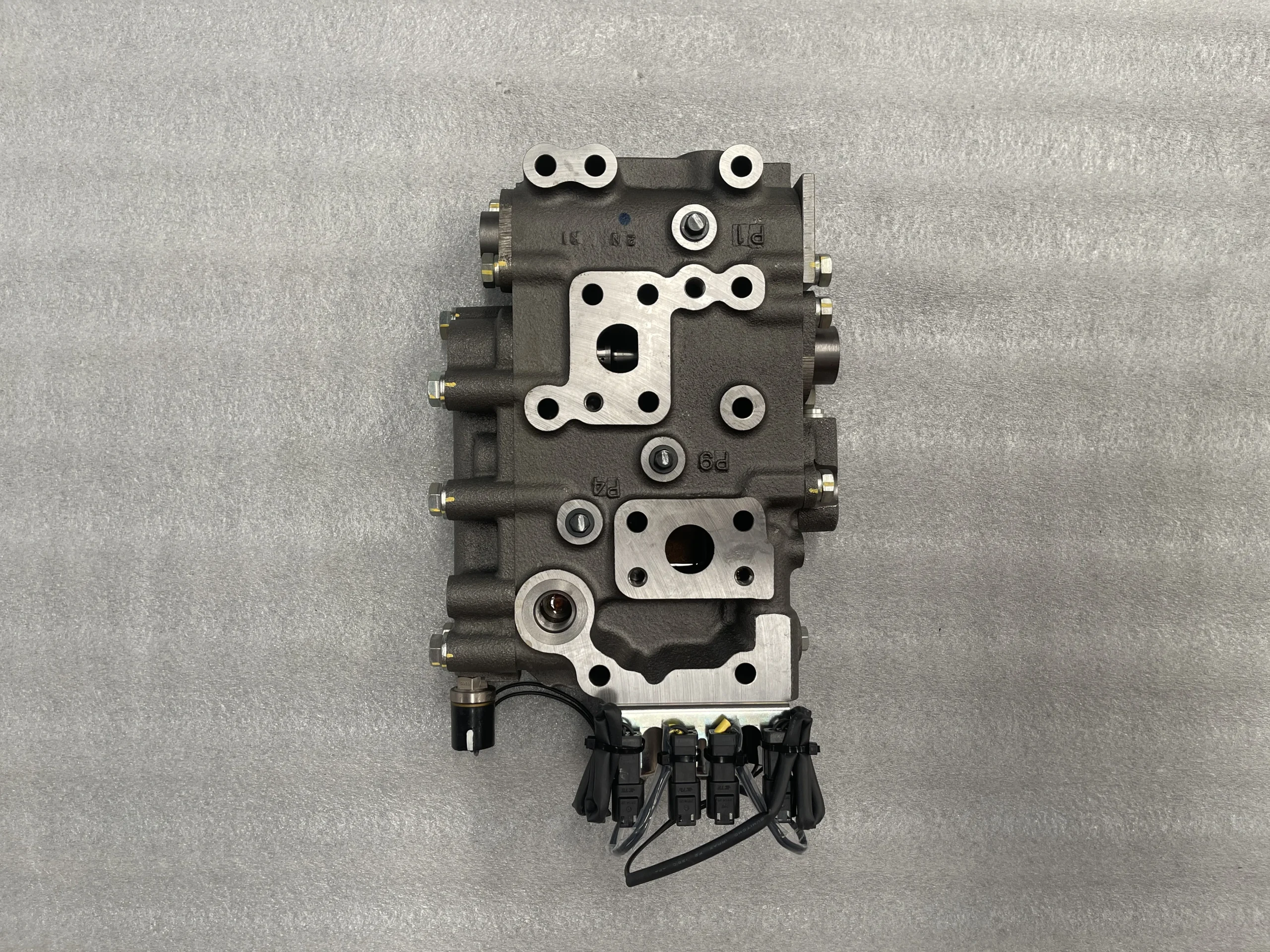 HD785-7 converter valve 561-13-76700
 -
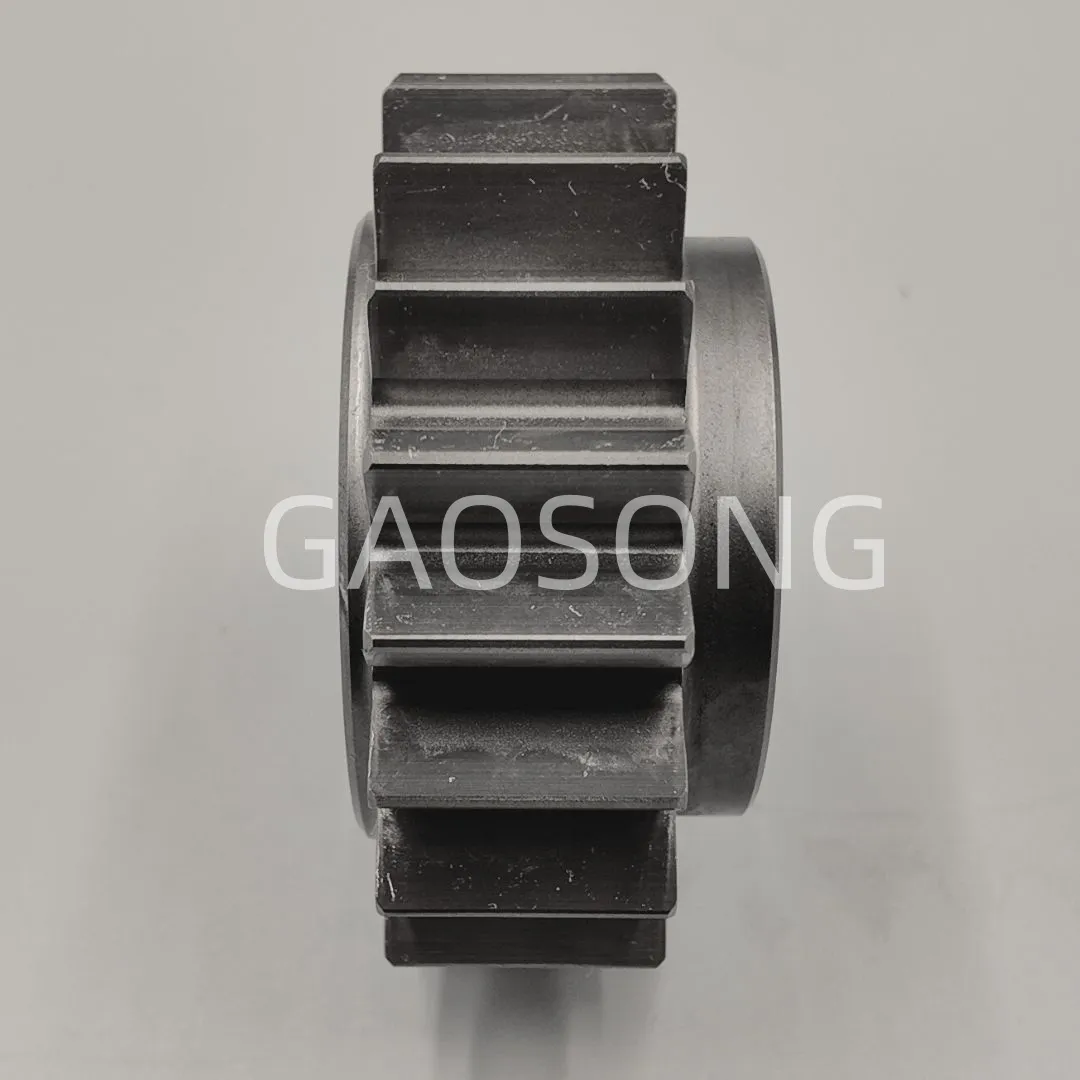 207-26-71510 Gear–Komatsu Original Factory
 -
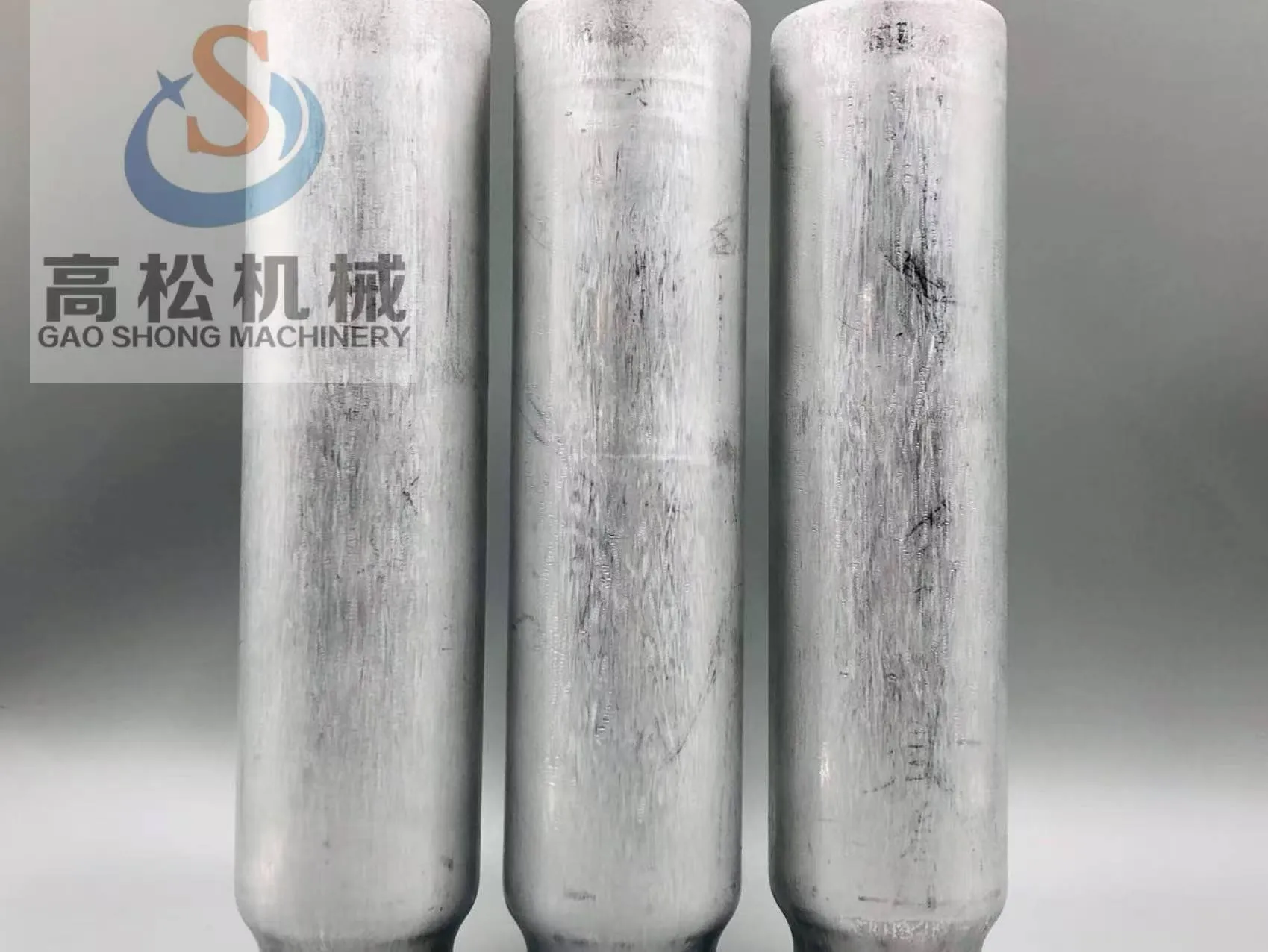 Air conditioning receiver dryer 20Y-979-3120 suitable for Komatsu
 -
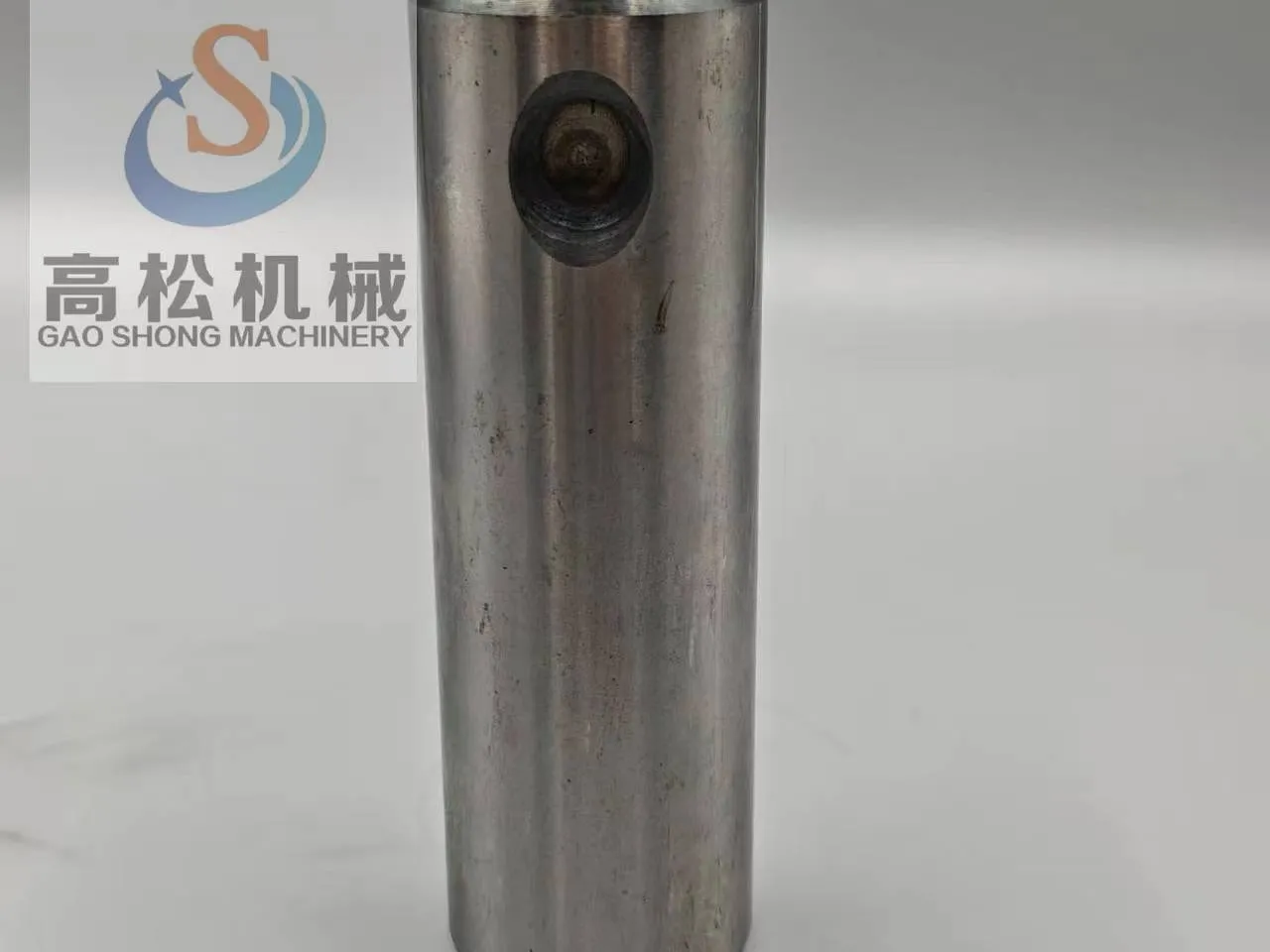 Komatsu Pin, 20Y-27-31160 Komatsu Sales, 20Y-27-31160
 -
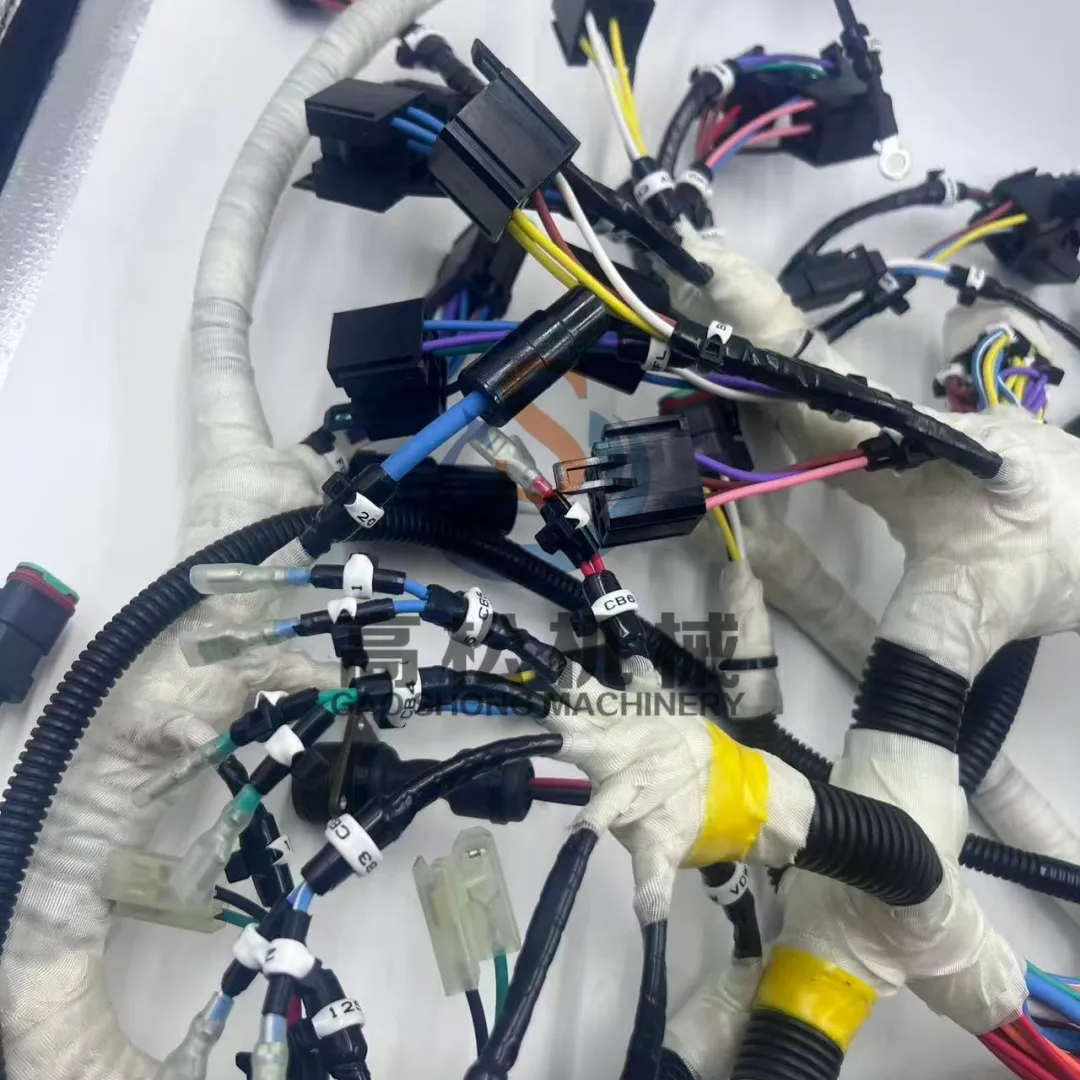 195-06-84471 Komatsu Wiring Harness
 -
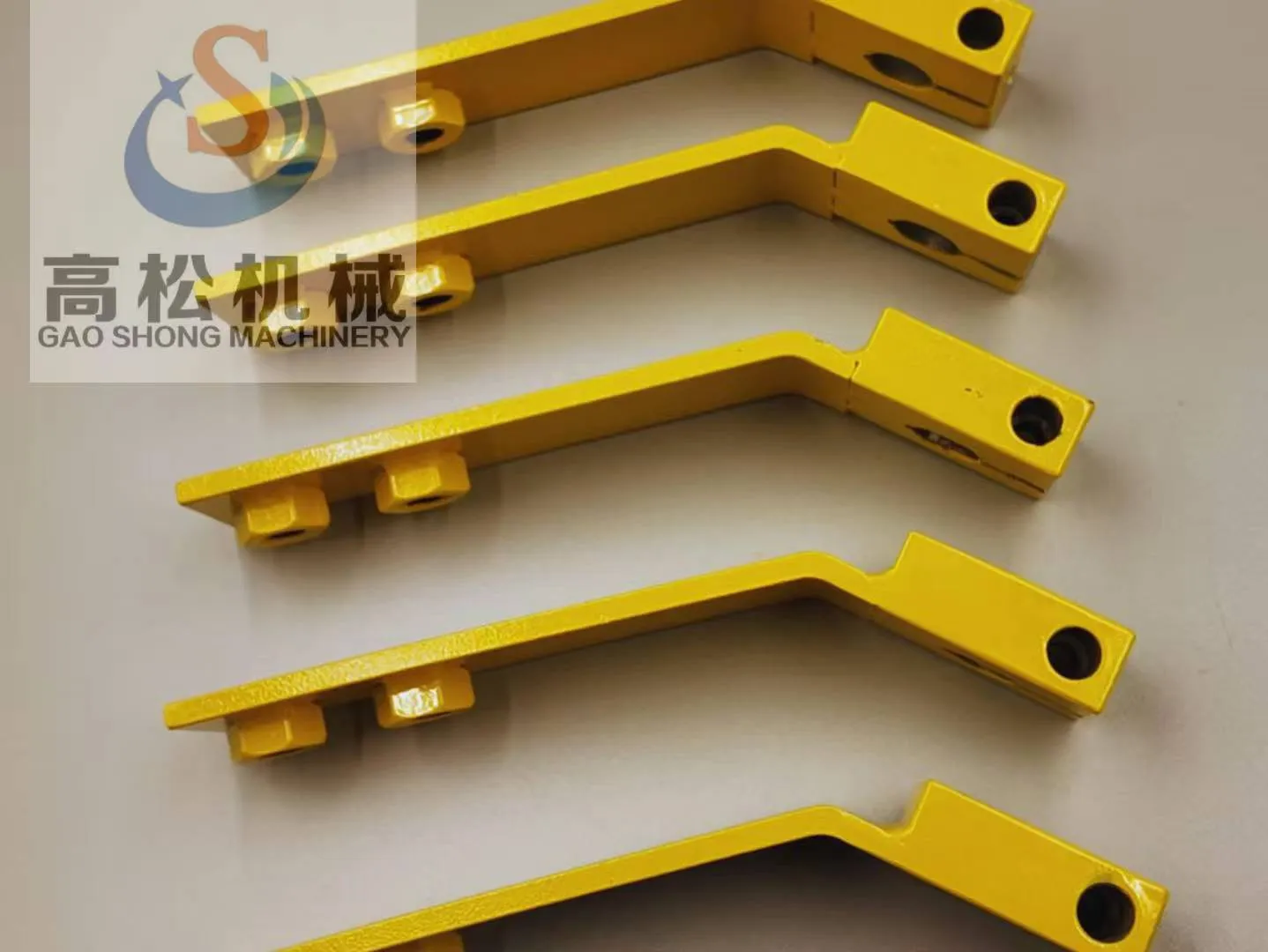 566-86-6K430 Komatsu factory bracket. Compatible with models HD325, HD785. Large inventory available.