
- Chinese
- French
- German
- Portuguese
- Spanish
- Russian
- Japanese
- Korean
- Arabic
- Irish
- Greek
- Turkish
- Italian
- Danish
- Romanian
- Indonesian
- Czech
- Afrikaans
- Swedish
- Polish
- Basque
- Catalan
- Esperanto
- Hindi
- Lao
- Albanian
- Amharic
- Armenian
- Azerbaijani
- Belarusian
- Bengali
- Bosnian
- Bulgarian
- Cebuano
- Chichewa
- Corsican
- Croatian
- Dutch
- Estonian
- Filipino
- Finnish
- Frisian
- Galician
- Georgian
- Gujarati
- Haitian
- Hausa
- Hawaiian
- Hebrew
- Hmong
- Hungarian
- Icelandic
- Igbo
- Javanese
- Kannada
- Kazakh
- Khmer
- Kurdish
- Kyrgyz
- Latin
- Latvian
- Lithuanian
- Luxembou..
- Macedonian
- Malagasy
- Malay
- Malayalam
- Maltese
- Maori
- Marathi
- Mongolian
- Burmese
- Nepali
- Norwegian
- Pashto
- Persian
- Punjabi
- Serbian
- Sesotho
- Sinhala
- Slovak
- Slovenian
- Somali
- Samoan
- Scots Gaelic
- Shona
- Sindhi
- Sundanese
- Swahili
- Tajik
- Tamil
- Telugu
- Thai
- Ukrainian
- Urdu
- Uzbek
- Vietnamese
- Welsh
- Xhosa
- Yiddish
- Yoruba
- Zulu
- Kinyarwanda
- Tatar
- Oriya
- Turkmen
- Uyghur






12nz komatsu engine
When you hear '12nz komatsu engine', if you immediately think it's just another variant of the Komatsu S6D or S6D140 lineage, you're not wrong, but that's where the common oversimplification starts. In the field, especially when dealing with legacy equipment or specific regional models, the 12NZ designation often points to a specific configuration or a regional parts catalog code that doesn't always neatly map to the standard global service manuals. I've seen too many mechanics order a standard S6D140 gasket set only to find the coolant passage holes are off by a few millimeters on a unit tagged 12NZ. It's these nuances that separate a parts lookup from actual hands-on troubleshooting.
The OEM Angle and the Gap in the Market
This is precisely where the role of a specialized supplier becomes critical. A company like Jining Gaosong Construction Machinery Co., Ltd. operates in that crucial space. They position themselves as an OEM product supplier within the Komatsu system. In practice, this means they have access to genuine or OEM-specification components for these engines, including the precise iterations like the 12NZ. Their website, https://www.takematsumachinery.com, is more than just a catalog; for people stuck with a downed machine in a country where the official Komatsu parts network is thin, it's a lifeline. Their stated mission of helping to solve parts supply challenges in certain countries isn't marketing fluff—it's a daily reality for many contractors.
I recall a project in West Africa a few years back. A Komatsu HD465-7, with what the local operator called a 12NZ series engine, threw a rod. The local Komatsu dealer's system showed the entire short block as obsolete, with a lead time of months. We found Gaosong through an industry contact. They didn't just have the short block; their tech asked for the serial number prefix off the engine block itself. That query alone told me they understood the nuance. The part they supplied wasn't a generic S6D140 block; it had the specific oil gallery drilling for the auxiliary hydraulics pump drive on that particular model. That's the difference between a parts seller and a third-party sales company for Komatsu that actually knows the product.
The challenge with these engines isn't usually the major components—it's the peripherals and the version-specific parts. The 12NZ might use a different 12nz komatsu engine water pump because the pulley offset is unique to fit a specific chassis on a mid-2000s wheel loader. Or the fuel injection pump calibration specs might be filed under a different service bulletin. A supplier embedded in the system understands these cross-references.
Common Failure Points and Diagnostic Pitfalls
Let's talk about the weak spots. On these older 12NZ-labeled engines, if we're talking about the ~15-liter class, the turbocharger is often the first major point of contention. The specific Mitsubishi turbo used had a different oil feed line fitting thread pitch compared to the more common S6D125. I've witnessed a mechanic strip the threads on the block because he forced a standard fitting. The resulting oil leak and low-pressure damage cost more than the turbo itself. This is the kind of detail you learn the hard way, and it's the kind of information a proper specialist supplier should warn you about.
Another classic is the cylinder head. Cracking between valves on cylinder 3 and 4 is a known issue, but the head casting number for the 12NZ application sometimes differs. A head from a standard S6D140 might physically bolt on, but the pre-combustion chamber design or the injector sleeve protrusion height could be off by half a millimeter. That's enough to cause poor combustion, washing, and rapid liner wear. When sourcing from a company like the one mentioned, you'd hope their warehouse system flags this mismatch before the part even ships.
Then there's the electronics, or rather, the transition era they represent. Some 12NZ engines came with an early, proprietary Komatsu controller, not the later common-rail systems. Finding a replacement ECU or even just the correct sensor (like the camshaft position sensor with the right connector) is a nightmare. You can't just plug in a generic one. This is where a supplier's value is tested—can they provide the exact harness connector or the remanufactured ECU with the correct firmware flash? It's not about having a million parts; it's about having the right one.
The Reality of OEM Within the System
What does being an OEM product supplier within the Komatsu system actually entail on the ground? It doesn't mean they are Komatsu. It often means they manufacture or source components that meet the original engineering specifications, sometimes using the same tooling or foundries, but for the aftermarket and independent service channel. For a 12nz komatsu engine, this could mean piston rings from the same Japanese supplier Komatsu uses, but packaged and distributed through their network. The quality is there, but the supply chain is more agile and focused on legacy support.
I've compared parts side-by-side. A valve stem seal from their kit versus a will-fit generic brand from a local shop—the difference in the fluorocarbon compound's elasticity was visible. The generic one hardened up after a few hundred hours in a hot engine, leading to oil consumption. The OEM-spec one lasted. For a fleet manager, that's the whole calculation: downtime cost versus part cost. Paying a premium for the correct, quality part from a known pipeline often wins.
Their model as a third-party sales company for Komatsu is also key. They can sometimes access genuine Komatsu stock that is being rotated out of primary distribution centers, or fulfill orders for regions the main distributor neglects. It's a symbiotic, if unofficial, relationship that keeps older machines running.
Practical Sourcing and Verification
So, you need a part for a 12NZ. What's the process? First, forget just the engine model. You need the full machine model (e.g., PC400-6, WA500-3), the engine serial number, and preferably the code from the service tag. When contacting a supplier, lead with that. If their first question is What's the machine serial number? you're probably in good hands. A site like https://www.takematsumachinery.com should have a robust search or require these details, not just a dropdown for 12NZ engine.
Be wary of suppliers that claim universal compatibility. For critical components like the crankshaft or cylinder liners, dimensions and material specs have subtle variations. A liner for a 12NZ in a generator application might have a different surface finish (honing pattern) than one in a excavator due to different load cycles. A good supplier's database should capture this.
Always verify the part upon arrival. Check for casting numbers, OEM logos (sometimes ground off but visible), and packaging. Reputable suppliers in this space, like Gaosong, usually have clear markings. Don't just bolt it on. Measure critical dimensions if you can—a set of calipers can save you a world of hurt. I learned this after installing a compatible timing gear that was 0.2mm wider, causing premature wear on the thrust face.
Concluding Thoughts: Beyond the Part Number
The 12nz komatsu engine is more than a part number; it's a timestamp of a specific era in Komatsu's manufacturing and global distribution. Keeping these engines running requires more than just mechanical skill; it requires intelligent sourcing. It's about finding partners who understand the archaeology of these machines.
Companies filling this niche, such as Jining Gaosong Construction Machinery Co., Ltd., provide an essential service. They are not just vendors; they are interpreters of Komatsu's vast parts history for the rest of the world. Their value proposition—helping to solve parts supply challenges in certain countries—is validated every time a correctly specified part gets a machine back to work without a comeback job.
In the end, working with these engines teaches you humility. You realize the official factory system doesn't have all the answers for every machine in every corner of the globe. The ecosystem of knowledgeable third-party suppliers is what keeps the iron moving. The key is knowing who to trust, and that trust is built on their grasp of details—like what truly makes a 12NZ different.
Related Products
Related Products

Best Selling Products
Best Selling Products-
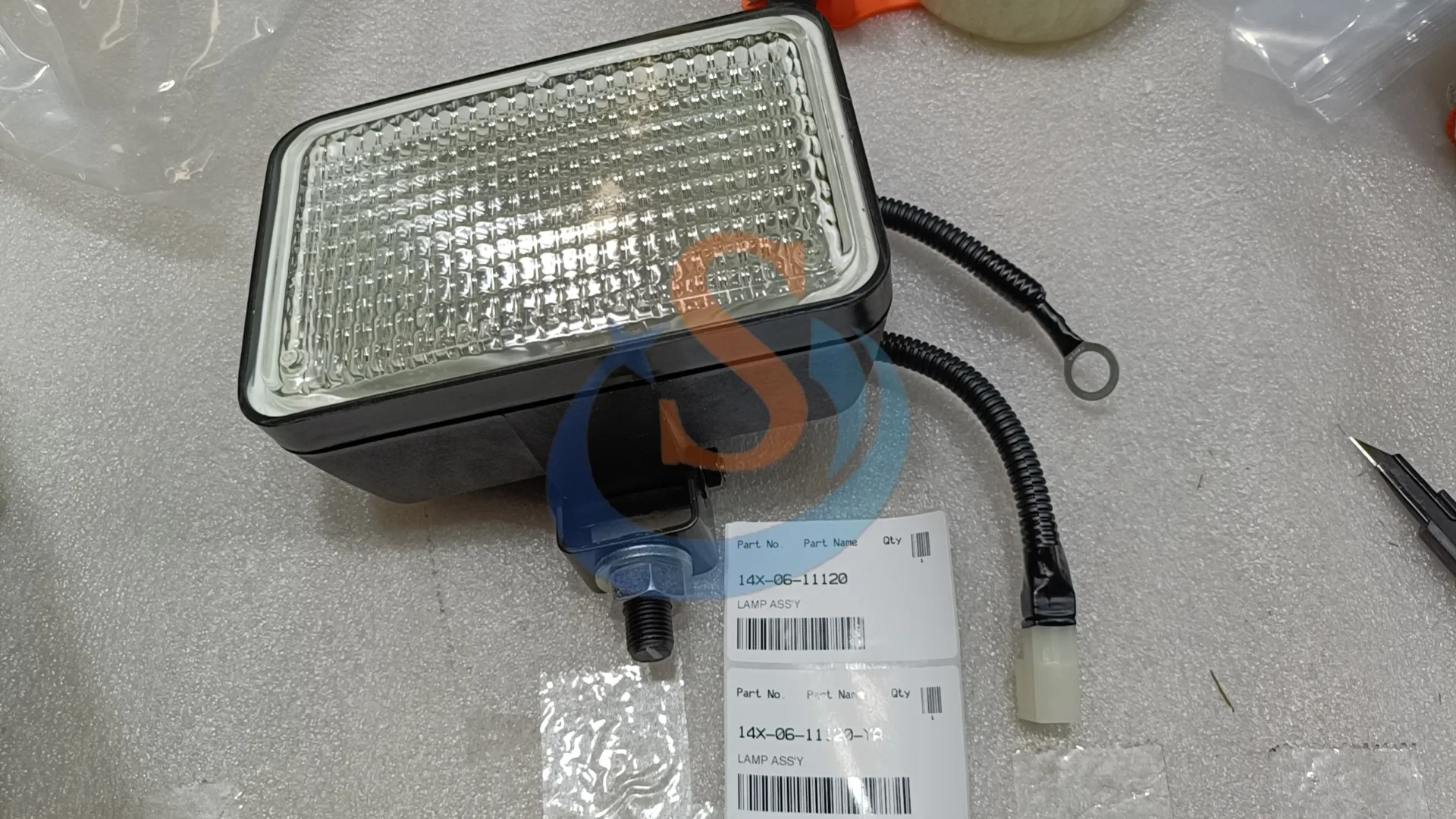 14X-06-11120 WORK LAMP ASS’Y D375A/D155A
 -
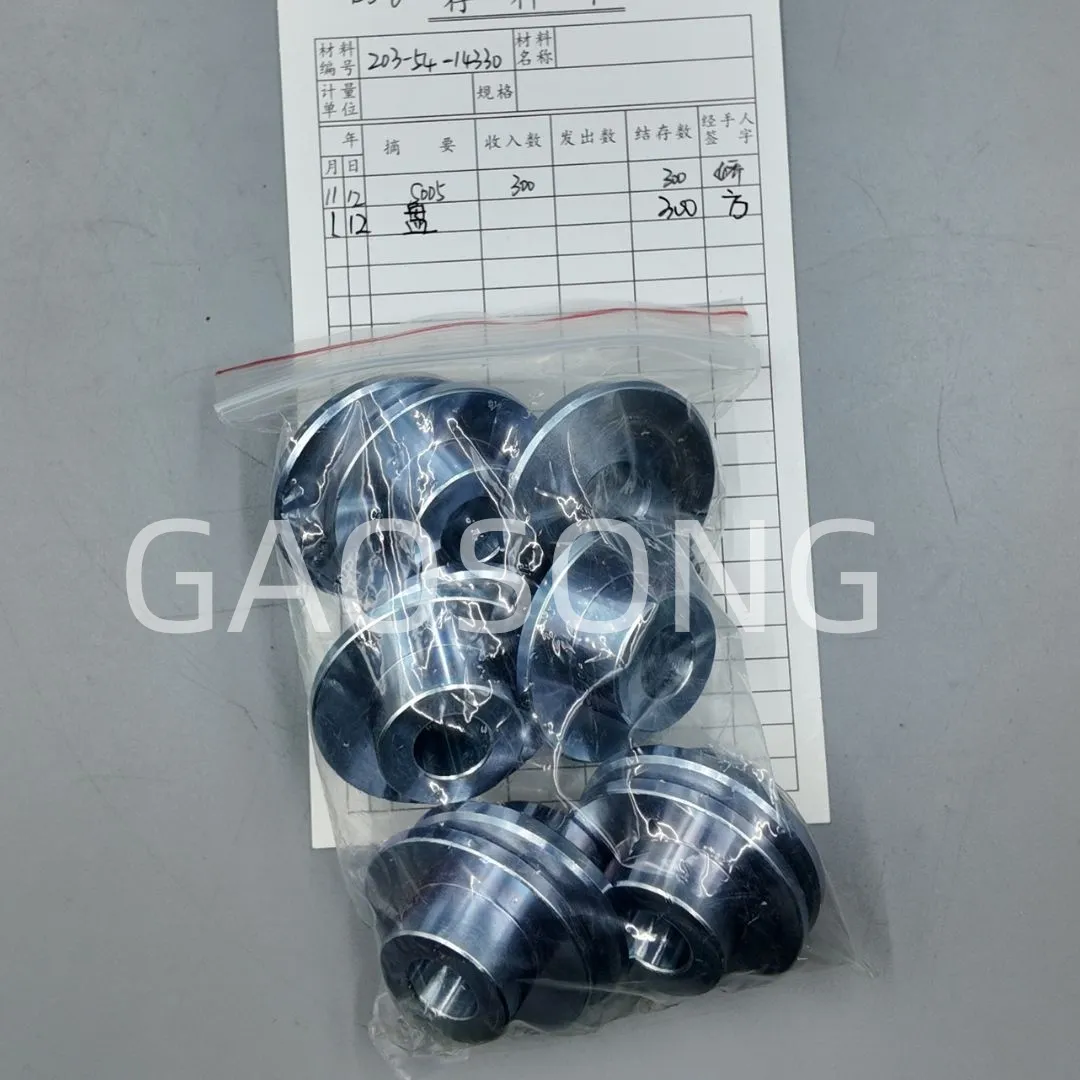 203-54-14330 COLLAR-Komatsu Original Factory
 -
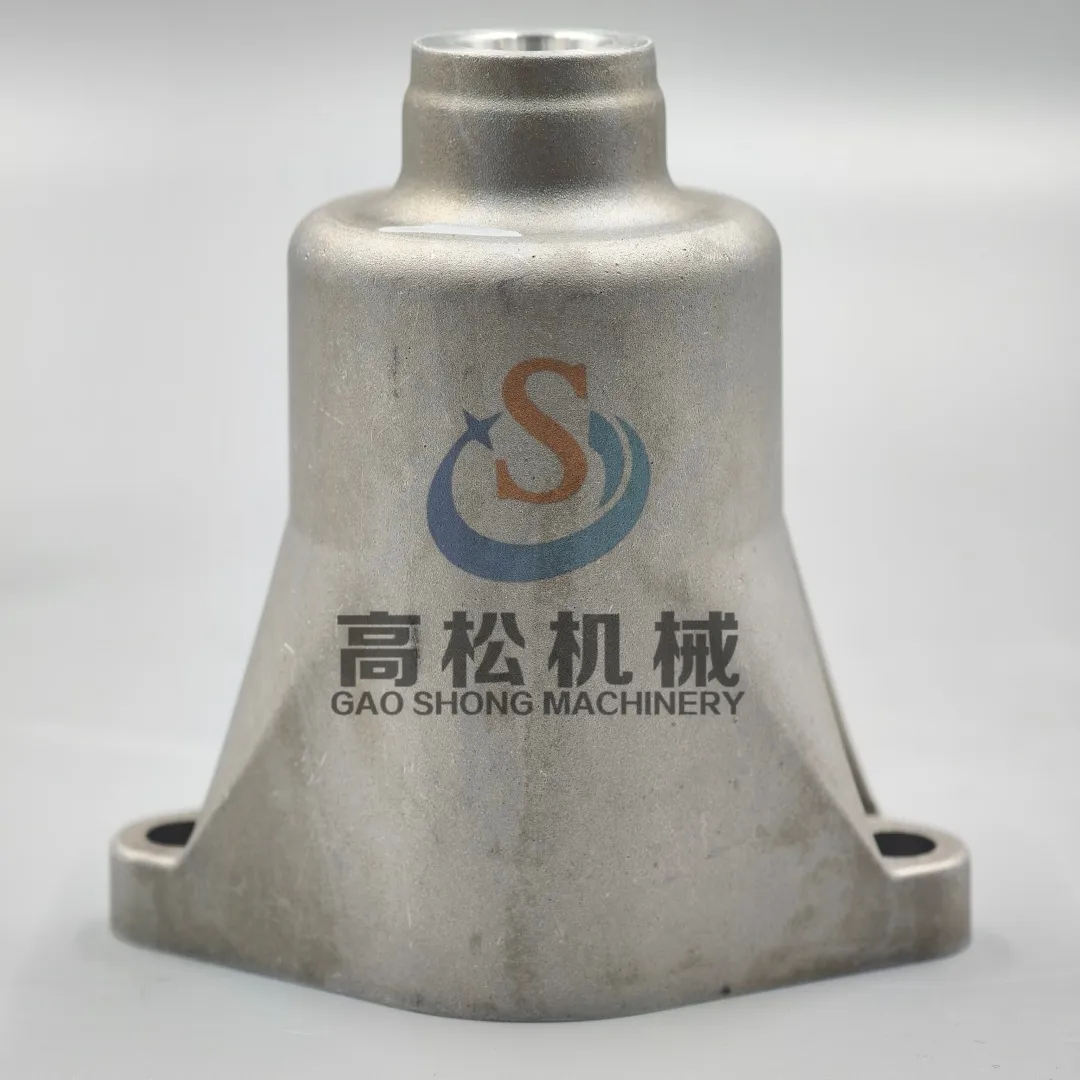 723-46-15111 Control Valve Case for Komatsu PC300 PC350 PC400 Excavator Diesel Fuel Cap Model Engine Parts
 -
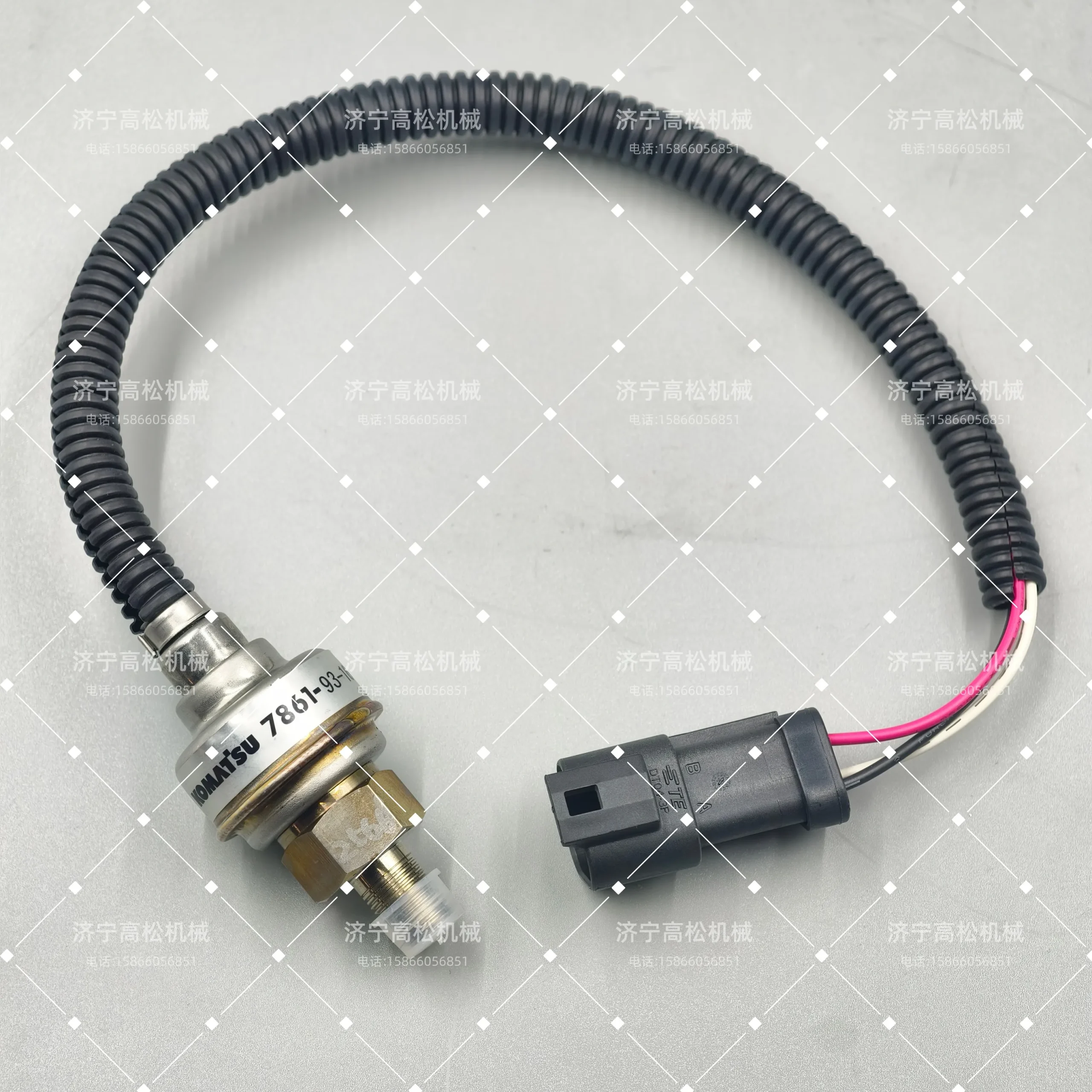 Construction Machinery Parts 7861-93-1670 for Komatsu Excavator…
 -
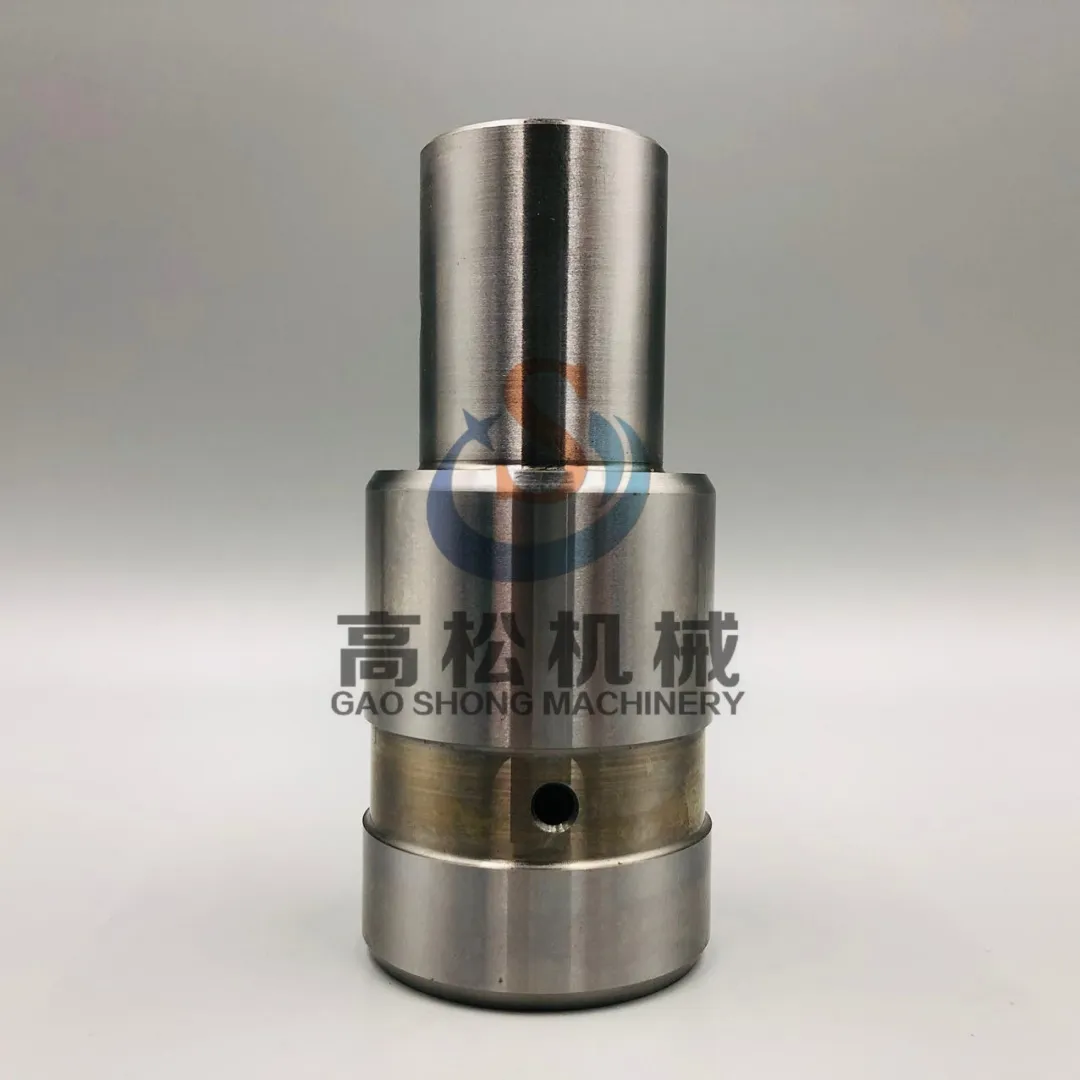 komatsu 6240-61-4630 shaft komatsu original
 -
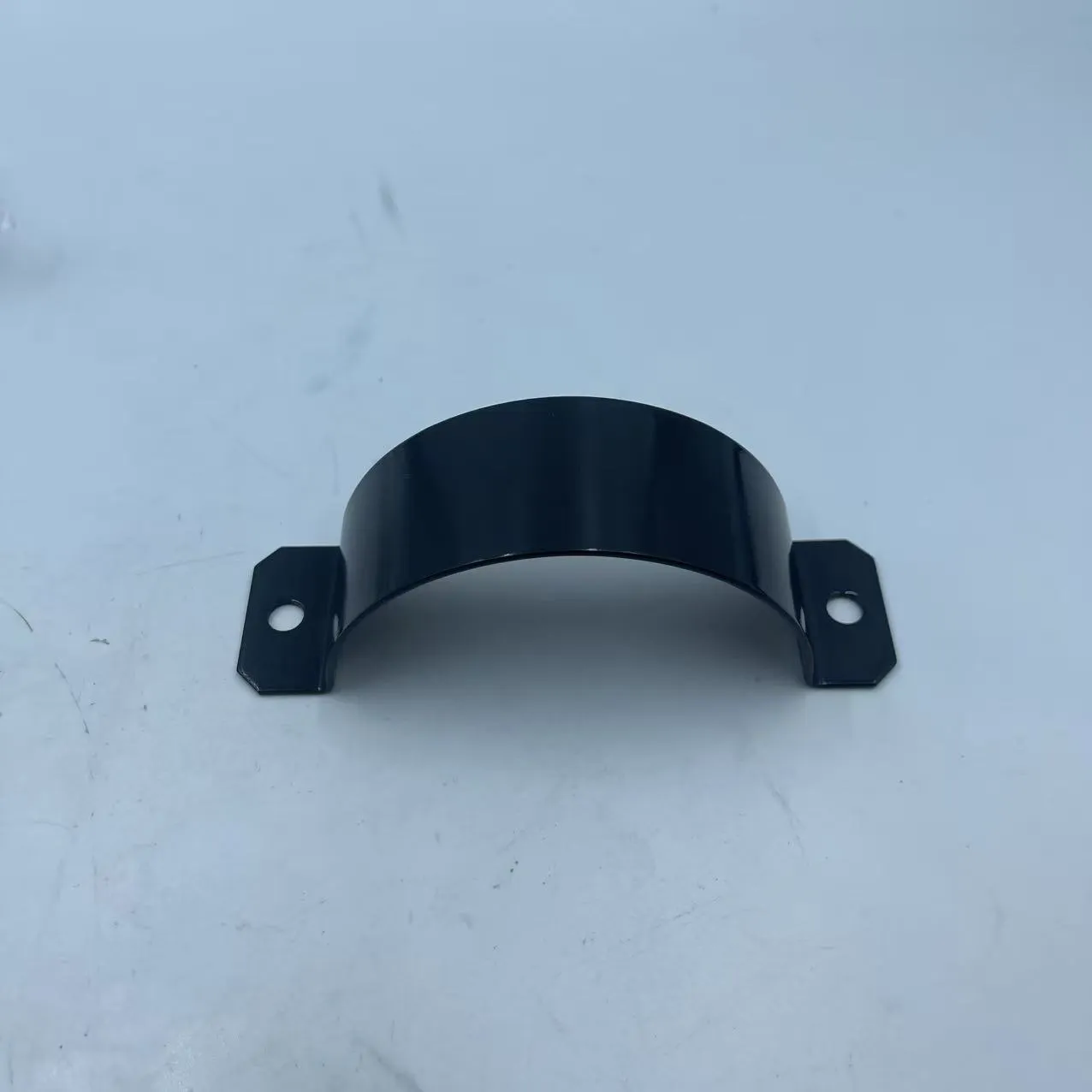 569-40-83470komatsu HD405-7 HD325-7 HD605-7R HD465-7E0 HD785-7
 -
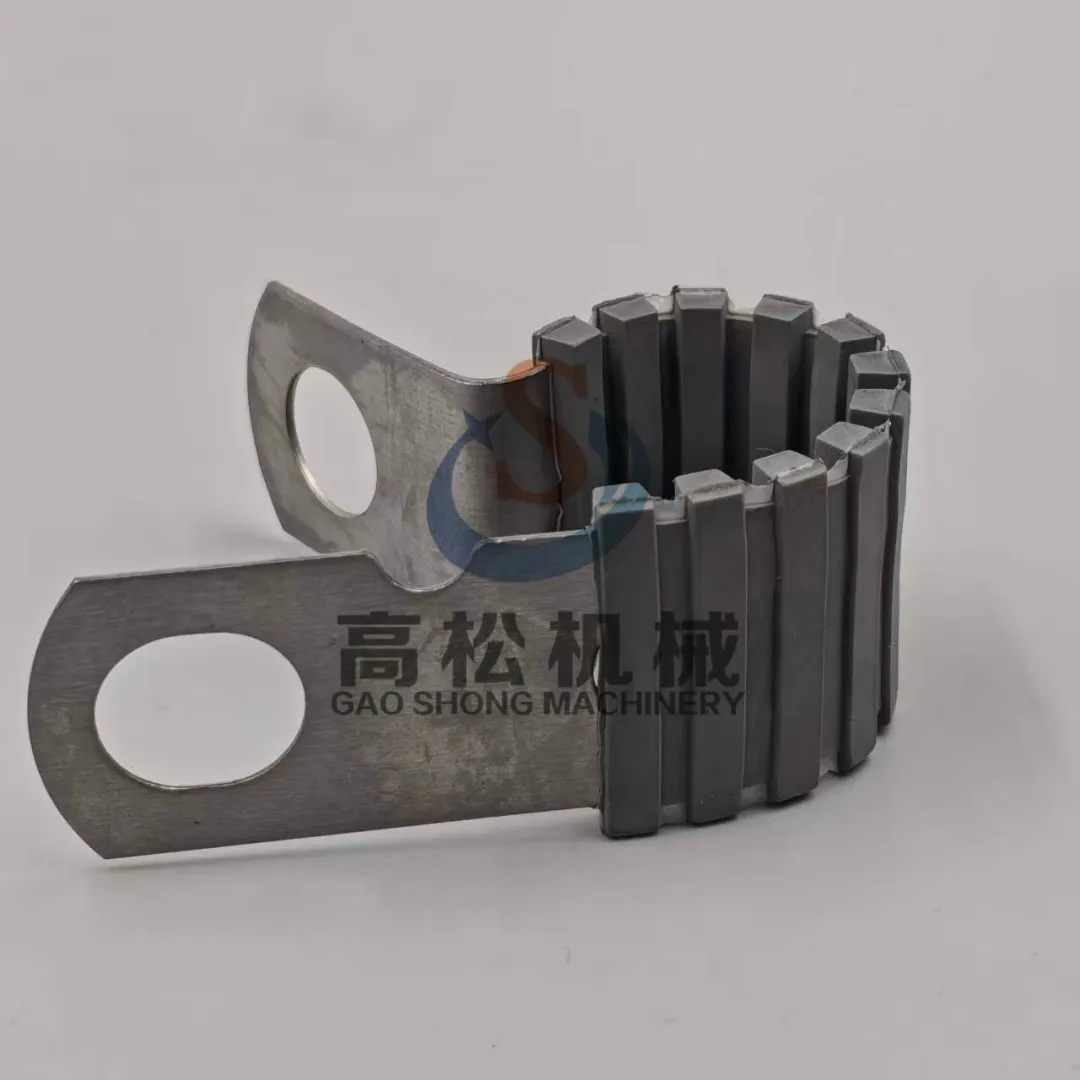 600-051-2180Spare part 600-051-2180 Clip (Komatsu)
 -
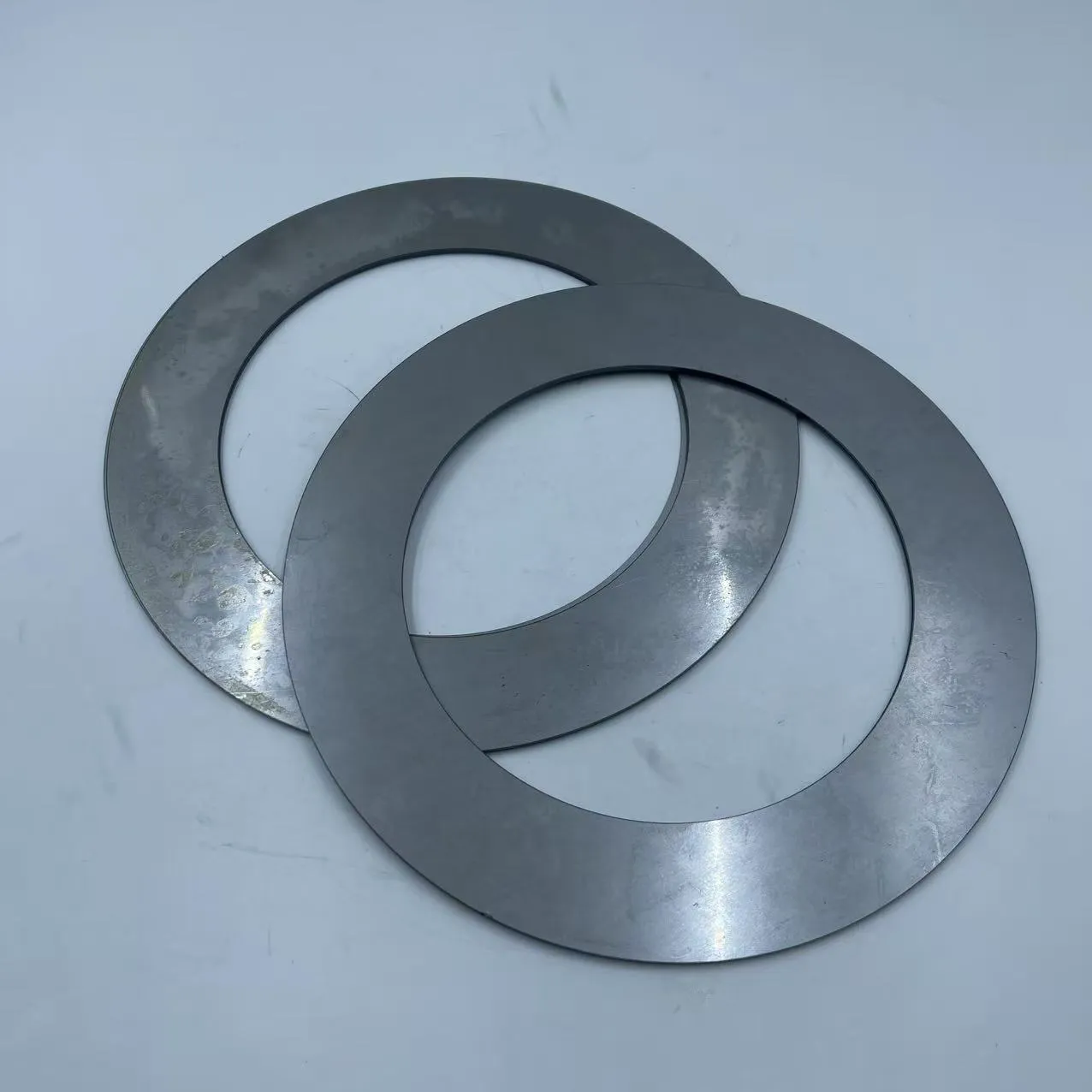 209-939-0070 Komatsu Shim Assembly PC800SE-8EO PC850SE-8EO
 -
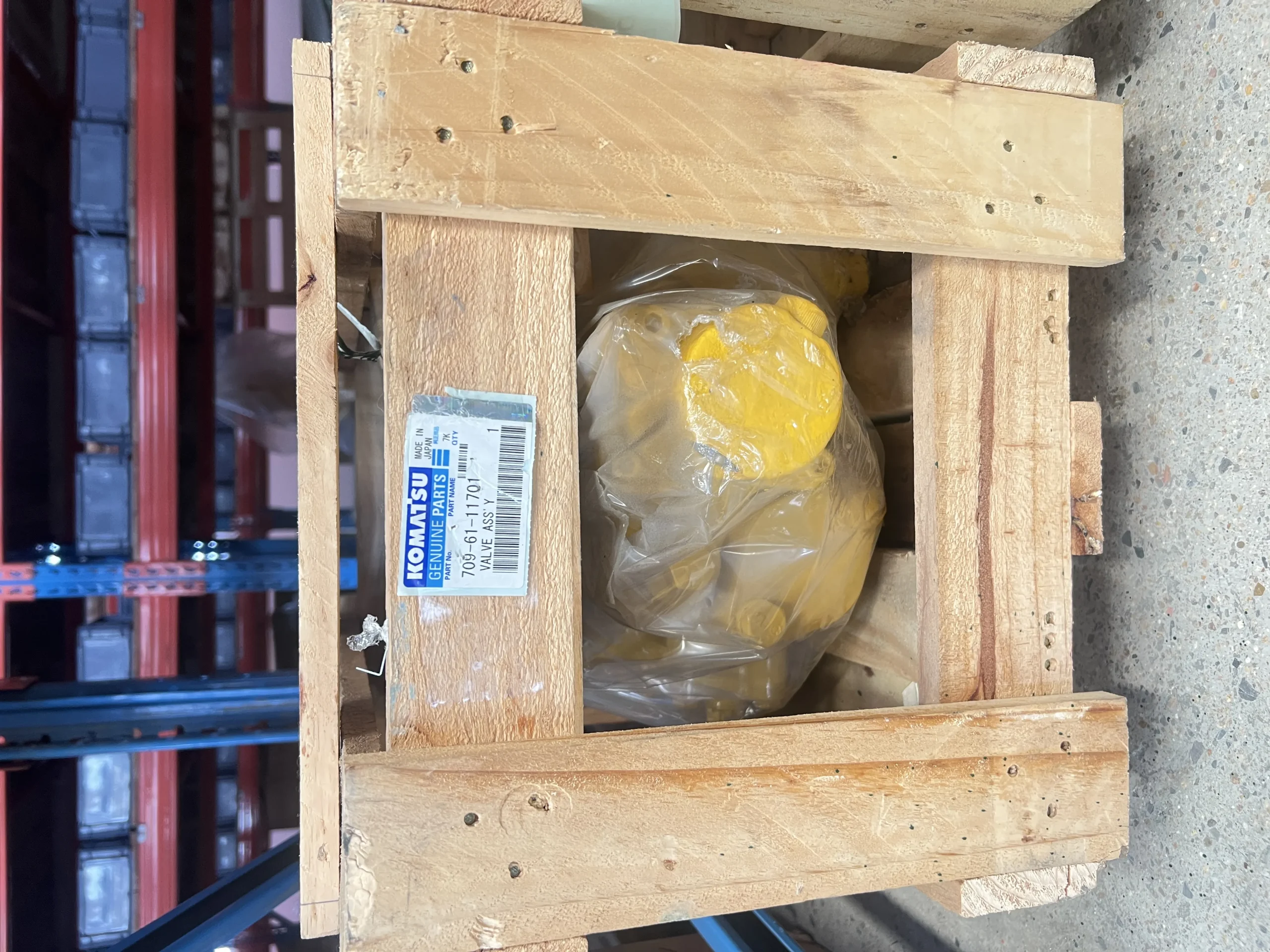 709-61-11701 Valve Assembly for Komatsu D375A-5D
 -
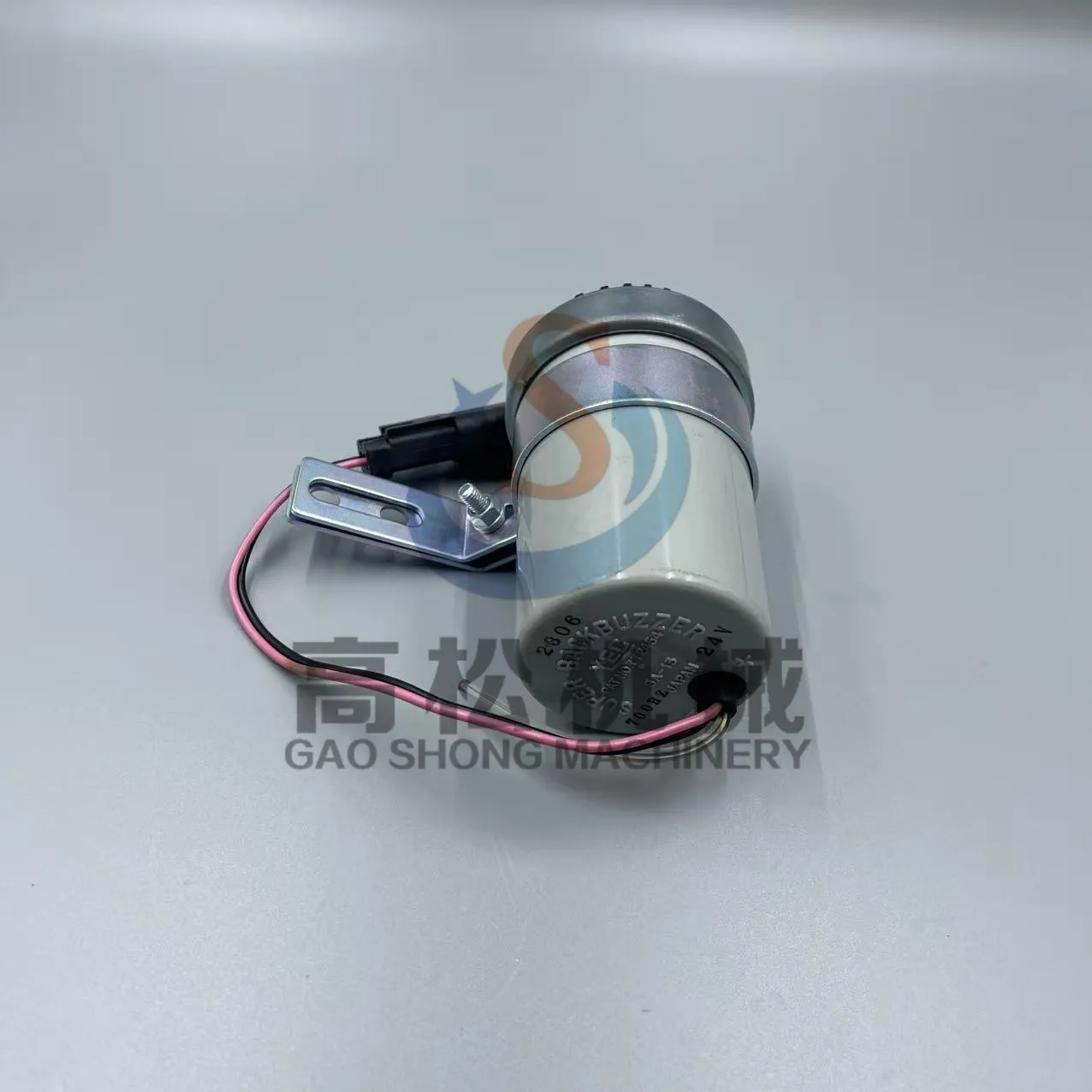 BUZZER 198-06-56570 – KOMATSU
 -
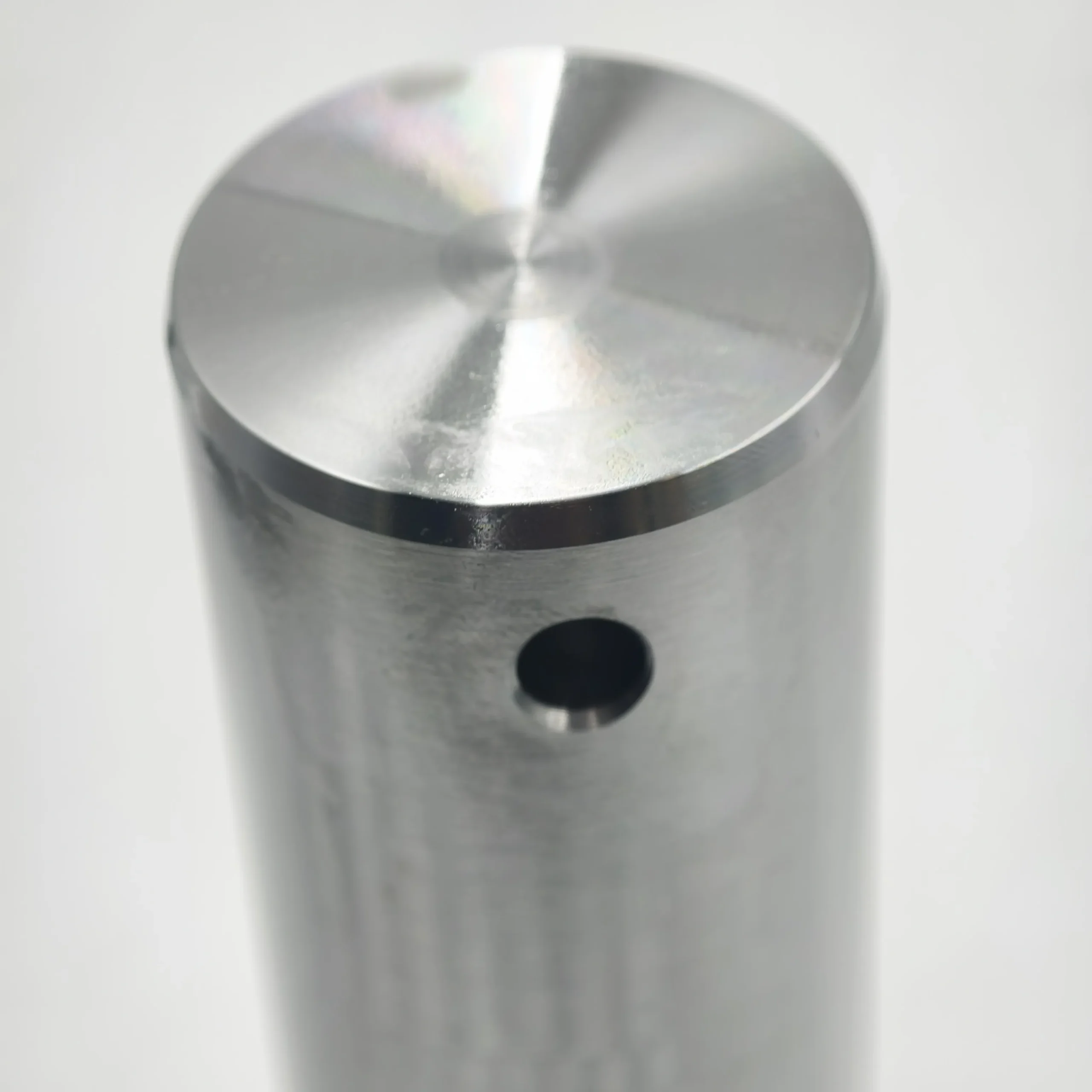 SHAFT 421-22-32511 – KOMATSU
 -
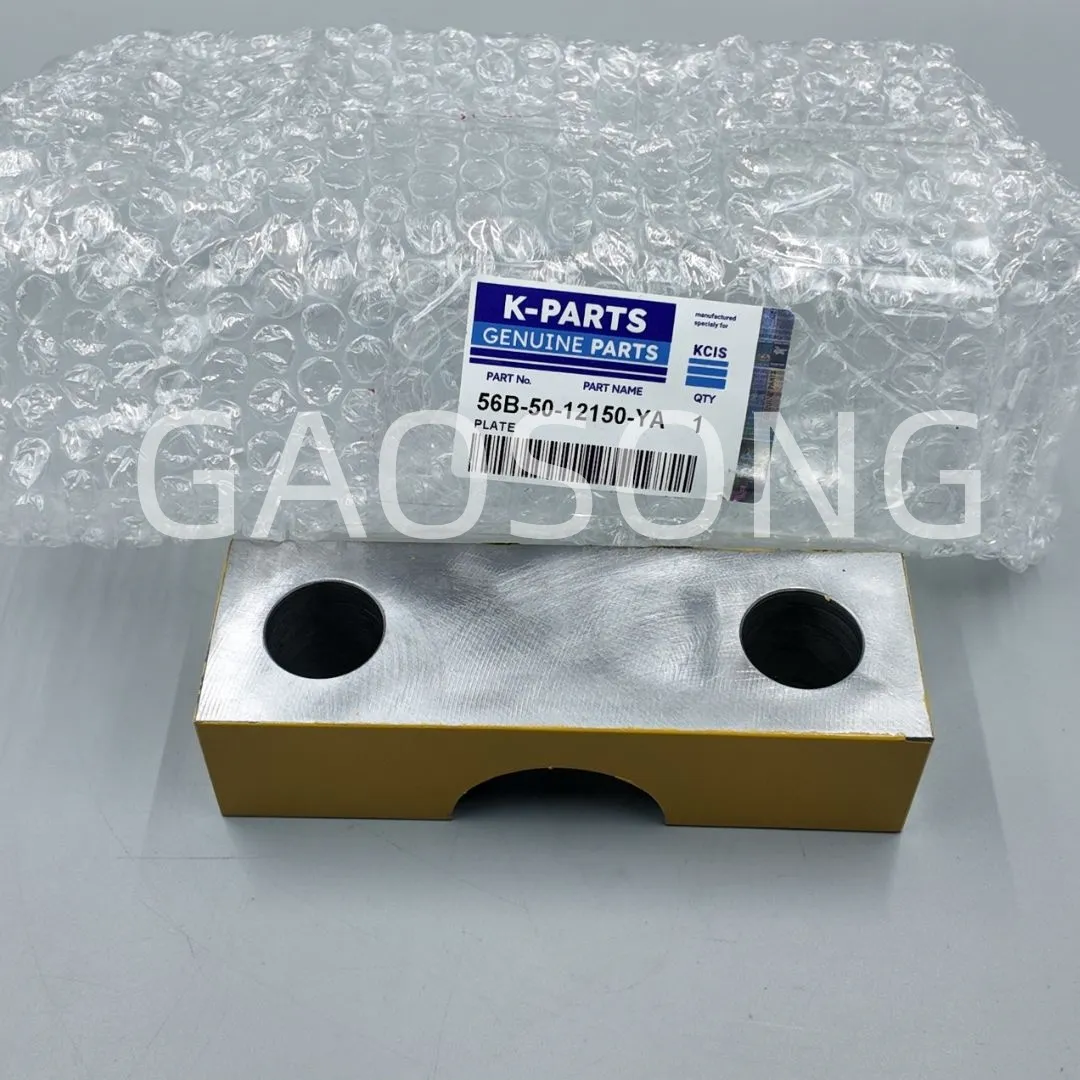 56B-50-12150 PLATE-Komatsu Original Factory
Related Search
Related Search- OEM AND ORIGINAL KOMATSU BUSHING 428-70-11895
- Komatsu engine components
- komatsu d65 parts manual
- OEM AND ORIGINAL KOMATSU WIRING HARNESS 17A-06-11272
- 195-13-11126
- OEM AND ORIGINAL KOMATSU BEARING 208-27-62110
- Komatsu genuine parts
- 14X-49-61410
- OEM AND ORIGINAL KOMATSU CUSHION 198-54-61832
- komatsu forklift nissan engine